What Do Bamboo Shades Look Like From the Outside?
So you're thinking about bamboo shades (or blinds, same thing) and wondering what they'll look like from the street. Fair question. Nobody wants window treatments that look great inside but weird from outside, especially if you care about curb appeal or... you know, what the neighbors see.
Short answer? It depends on a few factors. But let's get into the details because "it depends" isn't exactly helpful.
The Daytime View
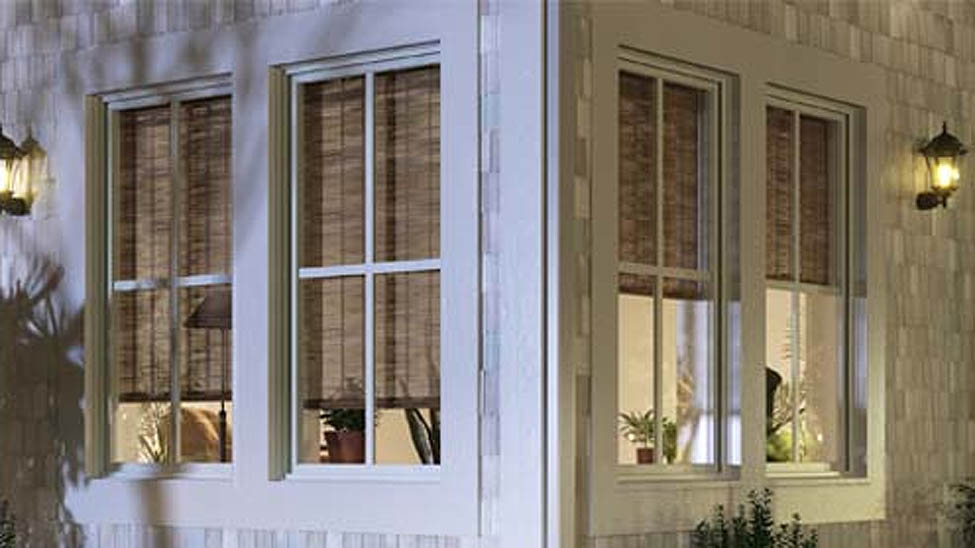
During the day, bamboo shades tend to look pretty good from outside. The natural texture of the material shows through, and depending on the weave and color, they can add a warm, organic element to your home's exterior.
Light-colored bamboo—think natural tones, honey, or whitewashed finishes—reads as neutral and clean from the street. They don't stand out in a bad way. More like they blend into the window frame and complement most exterior colors, whether your house is brick, siding, or stucco.
Darker bamboo shades, like espresso or walnut tones, create more contrast. This can look sophisticated if your exterior has darker trim or accents. But if your home is all light colors, dark bamboo might look heavier than you want. Not necessarily bad, just... more noticeable.
The weave pattern is visible from outside too, which honestly adds to the appeal. You get that subtle texture that signals "natural materials" without screaming it. Compared to vinyl blinds or plain roller shades, bamboo has more visual interest from the exterior.
Nighttime Changes Everything
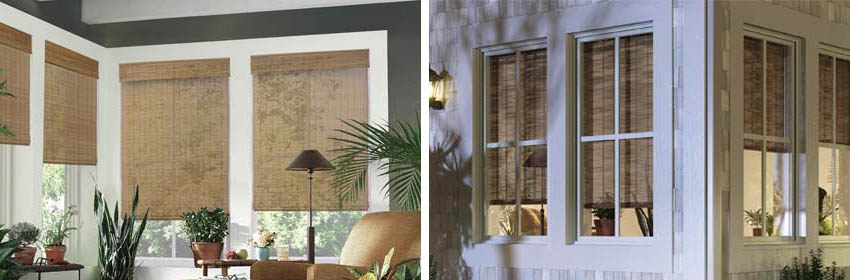
Here's where things get tricky. At night, when your interior lights are on, bamboo shades become semi-transparent. The light from inside filters through the weave, and suddenly anyone outside can see... well, more than you probably want them to.
They won't see clear details like you're standing in front of a window with no covering. But they'll see shapes, movement, shadows. If someone walks past the window, it's visible from outside. If you're sitting near the window, your silhouette shows through.
The tighter the weave, the less this happens. Looser weaves—those with more gaps between the bamboo reeds—let more light escape and make the interior more visible from outside. But even tight weaves aren't completely opaque at night with lights on.
It catches people off guard because during the day, bamboo shades feel private. Then evening hits and you realize... oh, that's different.
The Privacy Factor from an Exterior Perspective
From outside looking in during daylight, bamboo shades provide solid privacy. You might see a slight shadow if someone is directly at the window, but you can't make out details or see what's happening in the room. The natural material blocks most of the view.
But flip that scenario—nighttime with interior lights on—and the privacy equation changes. If this matters to you (bedroom windows facing the street, bathroom windows, ground-floor living rooms), you'll want to think about weave density or consider layering with curtains.
Some bamboo shades come with liners or backing that creates nighttime privacy. These add an extra layer between the bamboo and the interior, reducing how much light escapes through the weave. From outside, lined bamboo shades look more opaque at night, similar to how they appear during the day.
Blindster offers various bamboo shade options, and checking whether a liner or backing is available can make a difference if exterior appearance at night is a concern for you.
Color Impact on Exterior Aesthetics
The color you choose affects how bamboo shades look from outside, both in terms of style and how they interact with light.
Natural and light tones reflect more light during the day, keeping the exterior view soft and neutral. At night, these lighter colors glow more when interior lights are on—not in a bad way necessarily, but they're more luminous from the street.
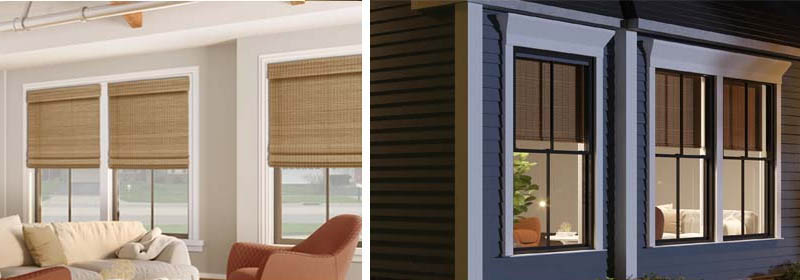
Medium tones like caramel or toasted bamboo offer a balance. They have warmth without being too light or too dark, and they tend to coordinate well with most home exteriors. From outside, they read as intentional but not dramatic.
Dark bamboo shades absorb more light during the day and appear more solid from outside. At night, they glow less than lighter colors when interior lights are on, which some people prefer for a more subdued nighttime exterior appearance.
How Weave Density Affects the Exterior Look
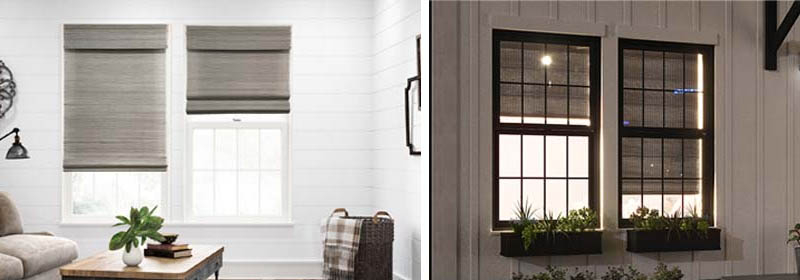
Tight weaves create a more uniform appearance from outside. The bamboo looks almost like a solid panel from a distance, with the texture adding subtle dimension rather than obvious gaps.
Loose weaves show more variation. You can see the individual reeds and the spaces between them, which gives the exterior view more texture but also makes the shade look... lighter? Less substantial? It's a different aesthetic that works better on some homes than others.
From a curb appeal standpoint, tighter weaves tend to look more polished and finished. Loose weaves have a more casual, relaxed vibe that can be perfect for certain architectural styles—coastal homes, bungalows, anything leaning rustic or bohemian.
Comparing Interior vs Exterior Views
Inside, you see the full texture, color, and detail of the bamboo. You notice the grain, the way light filters through, the warmth it adds to the room.
Outside, the view is more... simplified? You see the overall tone and texture, but not the fine details. The shade reads as a cohesive element rather than individual bamboo pieces. This is actually good—it means they contribute to your home's exterior without drawing excessive attention.
If your interior has multiple different window treatments visible from the street (like bamboo in the living room, cellular shades in the bedroom, plantation shutters in another room), that can look a bit disjointed from outside. Consistency across the front-facing windows creates a cleaner exterior appearance.
How They Compare to Other Window Treatments from Outside
Bamboo shades have more texture and visual interest from the street compared to roller shades or cellular shades, which tend to look flat and uniform.
They're less formal than plantation shutters but more structured than curtains. If you're going for a natural, relaxed aesthetic, bamboo hits that mark from both inside and outside.
Faux wood blinds can look similar from outside depending on the color and finish, but they lack that organic texture bamboo provides. It's subtle, but if you're standing on the sidewalk comparing houses, you'd notice the difference.
Maintenance and How It Affects Exterior Appearance
Bamboo shades accumulate dust, and if you're not cleaning them regularly, that can dull their appearance from both inside and outside. From the street, dusty bamboo looks... gray? Faded? Less vibrant than it should.
Direct sun exposure on certain sides of your house can also cause fading over time. The exterior view will show this before you really notice it from inside—the color becomes washed out and uneven. That kind of sun fading is one of the biggest factors in how long do outdoor bamboo blinds last, so it's worth knowing what to expect before you commit to a south- or west-facing install.
If your bamboo shades face south or west where they get intense afternoon sun, expect the exterior view to change over a year or two. The color lightens, the richness fades. It's just what happens with natural materials and UV exposure.
Making the Right Choice for Your Home's Exterior
If you care about how your home looks from the street (and most people do, even if they don't obsess over it), think about your exterior colors and style when choosing bamboo shades.
Neutral and natural tones work with almost anything. If you're unsure, that's the safe route.
If your home has strong color or bold architectural features, bamboo shades in complementary tones can enhance rather than compete. Just avoid extreme contrast unless that's intentional.
And if nighttime exterior appearance matters—maybe you have big front windows that face the street, or you live in a neighborhood where houses are close together—consider how the shades will look with interior lights on. Tighter weaves or lined options make a difference.
Blindster's selection includes various bamboo shade styles and colors, so you can find something that works for both your interior design and exterior aesthetic. Sometimes it helps to order samples if you're really torn between colors—seeing how they look in your actual windows, from both inside and outside, beats guessing based on website photos.
The Bottom Line
From outside, bamboo shades add warmth and texture to your home's appearance during the day. At night with interior lights on, they become more translucent, and the level of privacy depends on weave density and whether they're lined.
Color choice impacts curb appeal and how the shades interact with light. Natural tones are versatile, darker shades create more contrast, and the weave density affects both aesthetics and function.
If you want window treatments that look intentional and polished from the street while adding natural style, bamboo shades deliver. Just factor in the nighttime appearance if privacy from outside is part of your decision.
- Smart Blinds: Alexa, Google Home & Smart Home CompatibilityBlinds, Shades & Shutters
- Blind Slat Sizes ExplainedBlinds, Shades & ShuttersCommon Questions
- Best Blinds by Window Direction (North, South, East & West)Blinds, Shades & ShuttersHome Advice
- Black Friday Shopping Guide for Buying Blinds, Shades, and ShuttersBlinds, Shades & ShuttersHow To
- The Best Dust-Resistant Blinds for Cleaner Homes & Less AllergiesBlinds, Shades & ShuttersHome Advice