How to Cut Bamboo Blinds That Are Too Wide
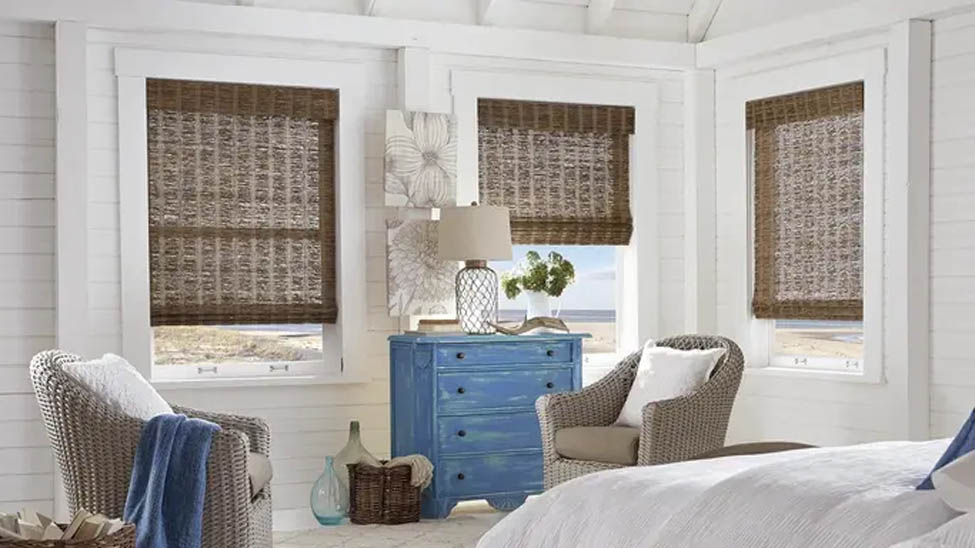
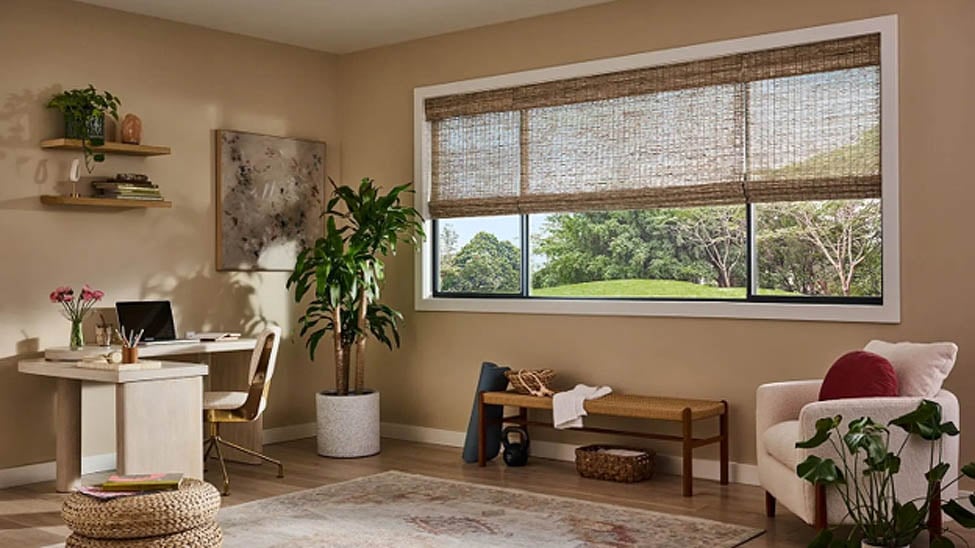
Bamboo shades that are too wide for your window. That's... a tough spot to be in. Maybe you measured wrong, maybe the window dimensions changed during a renovation, or maybe you're trying to repurpose shades from one window to another. Whatever the reason, you're stuck with window treatments that don't fit.
Here's the reality though—cutting bamboo blinds (or shades, people use both terms) to make them narrower is significantly more complicated than most DIY projects. And honestly? It's one of those things that sounds doable in theory but gets messy fast in practice.
Let me explain why, and what your actual options are.
Why Width Is Different Than Length
Shortening bamboo shades (cutting height) is tricky in it's own way. But reducing width? That's a whole different problem.
When you cut width, you're not just trimming material. You're disrupting the entire operating system of the shade. The headrail at the top contains the lift mechanism, cord routing, and mounting hardware—all positioned at specific intervals based on the shade's original width.
The bottom rail or weight bar is also cut to a specific length to match. Cords are threaded through at precise locations. Everything is engineered to work together at that exact width.
Start removing inches from the side, and suddenly nothing lines up anymore. The lift mechanism might be off-center. The cords might not reach where they need to go. The mounting brackets won't align properly.
It's not like cutting fabric where you just trim and hem. This is more like... trying to make a size 10 shoe fit like a size 8 by cutting off the sides. Technically possible? Maybe. Going to function correctly afterward? Probably not.
The Warranty Issue (Again)
This is worth repeating: any modification to your bamboo shades voids the manufacturer's warranty. Cutting width definitely qualifies as a modification.
If something goes wrong after you've cut them—and there's a decent chance something will—you can't return them or get support. You just own bamboo shades that you modified and that no longer work correctly.
Custom-sized shades from places like Blindster typically come with manufacturer warranty protection and are built to your exact window measurements. Modified ones? You're completely on your own.
What You'd Actually Be Attempting
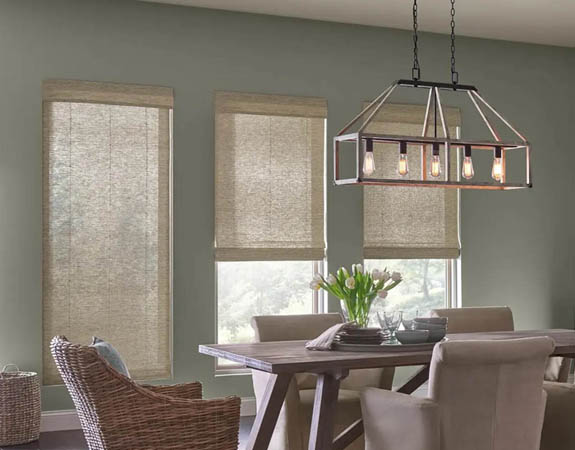
Let's say you're determined to try this anyway. Here's what's involved, and why each step is problematic.
You'd need to decide which side to cut from. Seems simple, but if the lift mechanism is asymmetrical or if there's a cord lock on one side, cutting from the wrong side could disable the whole system.
Then you'd have to cut through the bamboo slats themselves. Each horizontal piece of bamboo across the shade would need to be trimmed by the same amount. Sounds straightforward until you realize these pieces are woven or attached in specific ways, and cutting them can cause the weave to loosen or unravel.
The headrail (the top piece that holds everything) would need to be cut down. This usually involves removing the end caps, cutting the aluminum or plastic rail, then... somehow making new mounting points work with the shortened rail. Most headrails have pre-drilled holes and cord routing that won't line up correctly after you cut it.
The bottom rail needs to be cut to match. If it's wood or composite, that's doable with the right saw. But then you need to reattach it to the shade at the new width, which means dealing with the cord routing again.
And speaking of cords—they're threaded through the bamboo at specific vertical points. When you narrow the shade, you might be cutting through cord paths, or the cords might be in the wrong position for the new width. Re-routing them is... yeah, it's complicated.
The Real Problems You'll Run Into
Even if you manage to cut everything to the new width, here's what typically goes wrong:
The shade won't raise and lower evenly. One side lifts faster than the other, or it gets stuck, or it tilts at an angle. This happens when the cord tension or spacing isn't balanced after modifications.
The headrail doesn't mount securely. The original mounting brackets were positioned for the original width. Your narrower shade might not have mounting points where you need them, or the brackets might not grip correctly.
The shade looks obviously DIY'd. Cut edges on bamboo rarely look clean and finished. Even if you manage to reattach end pieces or caps, there's usually visible evidence that it's been modified. Fine if it's in a basement or garage, less great if it's in your living room facing the street.
The mechanism stops working. Cord locks, spring systems, or chain pulls that control the shade might not function correctly after the headrail is cut and reassembled. Sometimes they work initially but fail after a few uses.
Safety Concerns You Can't Ignore
Aside from using power saws and other tools with their own inherent risks, modifying the width of a shade affects cord placement and tension, which creates potential safety hazards. Window covering cords need to be properly secured and positioned to meet child safety standards.
If your modification leaves cords loose, improperly knotted, or in positions where they could create loops, that's a strangulation risk—especially in homes with young children or pets.
This isn't meant to be alarmist, but it's a real consideration. DIY modifications to window treatments can compromise safety features that were engineered into the original design.
Alternatives That Actually Make Sense
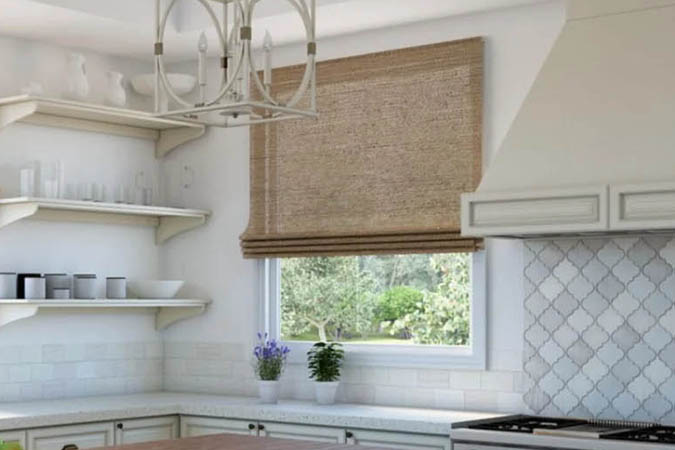
Before you start cutting, consider these options that don't involve permanently altering your bamboo shades:
Mount them outside the window frame. If your shades are slightly too wide for an inside mount, installing them on the wall above the window frame (outside mount) might work. The extra width gets covered by the shade's positioning, and you don't have to modify anything.
Use them on a different window. Somewhere else in your home might have a wider window where these shades fit perfectly. Swap them with a better-fitting treatment from that space.
Sell or donate them and order the right size. Yeah, it feels like a waste. But trying to force wrong-sized shades to work usually ends up costing more (in time, frustration, and potential replacement costs) than just starting with the correct dimensions.
Order custom-sized shades. This is the move that saves you from all of this. Blindster offers custom sizing on bamboo shades—you measure your window, enter the dimensions, and they arrive ready to install. No cutting, no modifications, no warranty concerns. They just... fit. Blindster's cordless bamboo shades are one of the custom-sized options available, so you get the correct width from the start with no cutting or modification required.
Why Custom Sizing Beats DIY Width Reduction
Custom window treatments used to mean expensive consultations and pushy salespeople showing up at your house. But ordering online changed that entire experience.
You get clear measuring instructions (and customer service to help if you're unsure), choose your style and color, enter your exact window dimensions, and it ships to your door. The headrail is the right length, the mounting hardware is positioned correctly, the cords are the right length, everything functions as designed.
Blindster's custom bamboo shades are built to your specifications from the start. The edges are finished properly, the mechanisms work smoothly, and you get warranty protection. Compare that to spending hours trying to modify shades that weren't meant to be modified, with no guarantee they'll work correctly when you're done.
Plus, if you mess up your measurements (happens to everyone), customer service can usually catch it before production starts. Try getting that kind of support after you've already cut into your shade.
The Cost Reality
"But custom shades are expensive" is what people think. Sometimes, yeah. But compare the actual costs:
DIY width reduction requires tools you might not have—proper saws for cutting bamboo and metal, measuring equipment, possibly new mounting hardware if the original doesn't work with the modified width. Then factor in the time spent attempting the modification, the risk of completely ruining a shade you already paid for, and the likely outcome of needing to buy replacements anyway when it doesn't work out.
Versus: ordering the correct size from the beginning, which costs... what it costs. No extra tools, no wasted time, no risk of failure, and you get something that actually works correctly.
When you break it down like that, custom sizing often ends up being the more economical choice, even if the upfront price seems higher.
What the Experts Actually Recommend
Ask most professionals who install window treatments, and they'll tell you the same thing: don't try to cut bamboo shades to reduce width. The complications outweigh any potential savings, and the results are usually disappointing.
The professional approach is always to order the correct size for your window. If you already have wrong-sized shades, repurpose them somewhere else or accept the loss and start over with proper measurements.
Nobody in the industry actually recommends DIY width modifications. There's a reason for that—it rarely works out well.
The Honest Bottom Line
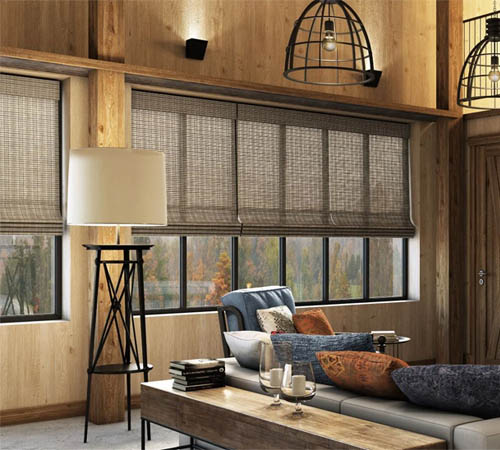
Can you cut bamboo shades to make them narrower? Maybe, in theory. Should you? Almost definitely not.
The technical complications, warranty issues, safety concerns, and high likelihood of ending up with window treatments that don't function correctly make this one of those projects that's not worth attempting.
Your best options are mounting them outside the frame if possible, using them on a different window, or ordering correctly sized replacements. The custom route might seem like the expensive option initially, but when you factor in the real costs of DIY modification—time, tools, risk of failure—it usually makes more sense. A properly sized shade also holds up better over time - see how long do bamboo blinds last when they're mounted correctly from the start.
Sometimes the right answer is just to start with the correct size. Less stress, better results, and you actually end up with bamboo shades that work the way they're supposed to.
- The Best Dust-Resistant Blinds for Cleaner Homes & Less AllergiesBlinds, Shades & ShuttersHome Advice
- How Classic Value Faux Wood Blinds Compare to Real Wood and Faux Wood OptionsBlinds, Shades & Shutters
- Best Window Treatments for Living Rooms: Style, Light, and Privacy GuideBlinds, Shades & ShuttersDesign & Decor
- What Cell Size Do I Need? Cellular Shade Sizes ExplainedBlinds, Shades & Shutters
- How to Choose the Perfect Bamboo Shades for Your HomeBlinds, Shades & ShuttersHow To