What Is a Window Covering (or Window Treatment)? Types, Benefits, and Uses

A window covering is any product designed to cover a window for purposes such as privacy, light control, insulation, and decoration. While some might think of them as simple accessories, window coverings play a significant role in shaping the comfort, functionality, and appearance of a room. They can help reduce glare, control indoor temperature, block out prying eyes, and even boost your home's energy efficiency. From classic curtains to sleek motorized blinds, a wide variety of options is available to suit different tastes, budgets, and practical needs.
The Main Functions of Window Coverings
So what are window coverings actually for? They serve several essential functions in homes and commercial spaces alike. One of the primary purposes is privacy, since whether you are in a dense neighborhood or a high-rise apartment, you need control over who can see inside. They also let you manage natural light, blocking it entirely, diffusing it softly, or letting it pour in depending on the type you choose. Many provide insulation as well, helping regulate indoor temperature and potentially reducing energy bills. Finally, they tie into your interior design, adding texture, color, and visual interest.
Types of Window Coverings and Window Treatments

There are several categories of window coverings, each offering different levels of light control, insulation, and style. Understanding the key differences can help you choose the right one for each room in your home.
Blinds
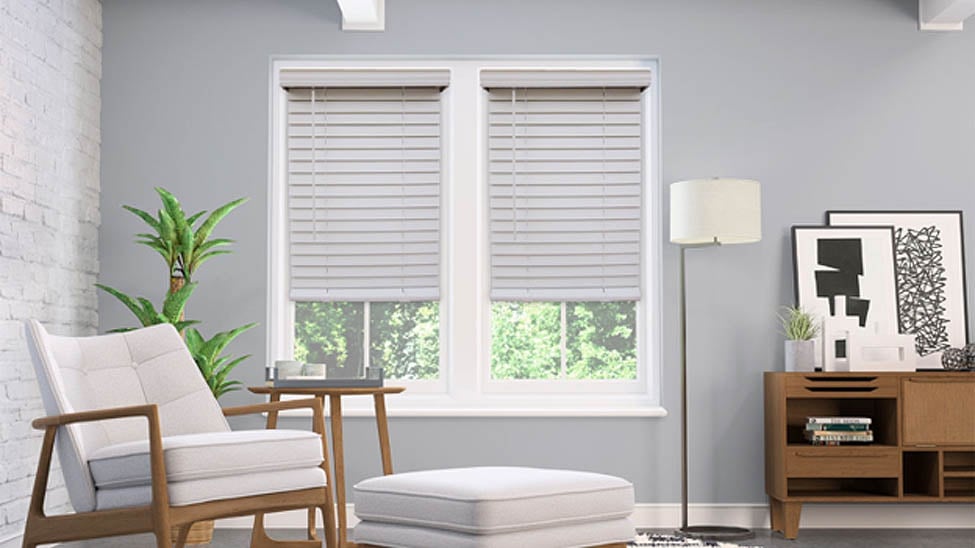
Blinds are typically made of hard materials like wood, faux wood, aluminum, or vinyl and consist of slats that tilt to control light and visibility. Blindster’s blinds are ideal for spaces where you want adjustable light control and a clean, structured look. For example, Venetian blinds can tilt for privacy while still letting in daylight, and vertical blinds are commonly used for large windows and sliding doors.
Shades
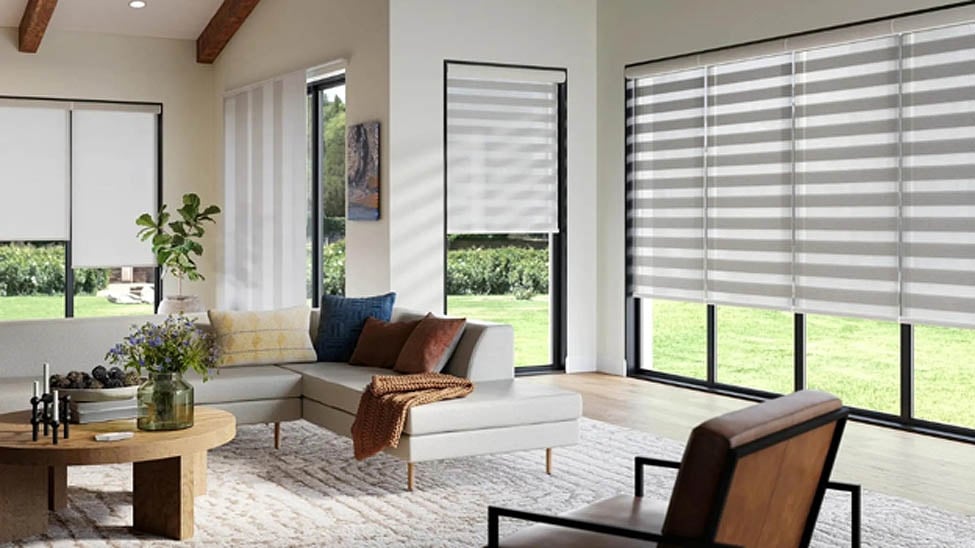
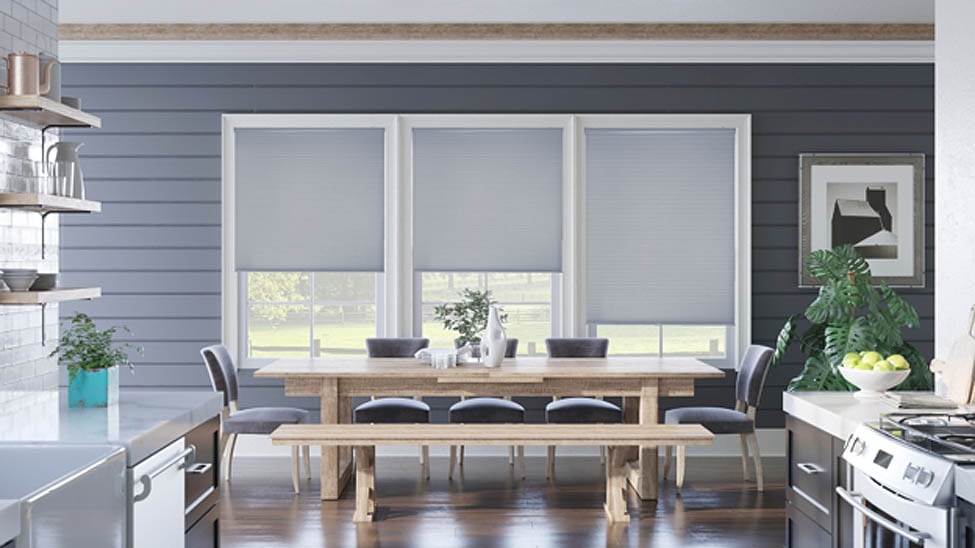
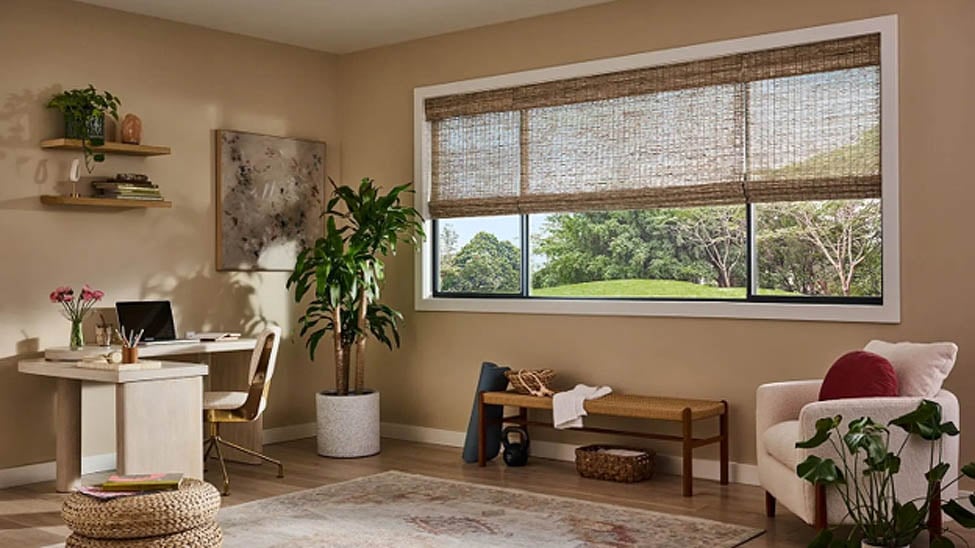
Unlike blinds, shades are made of a single piece of fabric that lifts up and down in various styles. They offer a softer appearance and are available in light-filtering or blackout materials depending on your needs. Roman shades add elegance with folded fabric, roller shades create a sleek, minimal look, and cellular (or honeycomb) shades provide excellent insulation thanks to their air-trapping design.
Curtains and Drapes
Curtains and drapes are fabric window coverings that hang from rods above the window. Curtains are usually lighter and more casual, while drapes are heavier and more formal, often used in living rooms or bedrooms. They are incredibly versatile, available in an endless array of fabrics, colors, and lengths. They also pair well with other window treatments like shades or blinds for a layered look.
Shutters
Shutters are a more permanent solution, usually made of wood or composite materials. They are mounted directly into the window frame and have louvers that tilt to control light and airflow. Plantation shutters are a classic choice that adds value and elegance to a home. They’re easy to clean and offer excellent privacy and insulation, making them a long-lasting investment.
Window Coverings vs. Window Treatments
The terms "window coverings" and "window treatments" are often used interchangeably, but they aren’t quite the same. A window covering refers specifically to the functional component that physically covers the window, like a blind, shade, or shutter. A window treatment, on the other hand, includes all decorative and functional elements surrounding the window. This could include valances, cornices, or decorative panels used in conjunction with the actual covering. So, while every window covering is a treatment, not every treatment is a covering.
Window Covering Product Categories: How the Industry Groups Them
Beyond the individual product types, the industry sorts window coverings into a few working categories, and knowing them makes shopping much easier because most product filters are built around exactly these groupings.
The first split is hard versus soft treatments. Hard treatments use rigid materials, so blinds and shutters fall here, and they are defined by tilting slats or louvers. Soft treatments use fabric or woven material, covering shades, curtains, and drapes, and they are defined by how the material folds, rolls, or gathers.
The second grouping is by operating system. Corded treatments use a pull cord, cordless ones are raised and lowered by hand at the bottom rail, and motorized ones run on a remote or a smart-home connection. This is often the most practical filter, since it determines daily ease of use and matters a great deal in homes with children or pets.
The third grouping is by mount type. An inside mount fits within the window frame for a clean built-in look, while an outside mount installs on the wall or trim above and around the opening, covering more of the glass for better light blocking and hiding a frame that is out of square. Many products also group by light-control level, from sheer through light filtering and room darkening to blackout.
Where Are Window Coverings Used?

Window coverings, including window shades, are found in almost every space, from residential homes to offices and commercial properties. In living rooms, they often serve both decorative and functional purposes, balancing privacy with natural light. In bedrooms, they tend to be blackout shades or lined drapes that help block early morning light. Kitchens typically feature moisture-resistant options, such as faux wood blinds or roller shades, while bathrooms require coverings that provide full privacy and withstand humidity. Offices benefit from glare-reducing blinds or shades that help maintain productivity and comfort.
Benefits of Investing in Quality Window Coverings

Spending a little more on high-quality window coverings can pay off in comfort, durability, and home value. Well-made shades or shutters can insulate against heat and cold, reduce outside noise, and even help you save on energy bills. In terms of usability, they move smoothly, resist wear, and maintain their appearance over time. On the design side, quality materials and custom sizing add polish and sophistication to any room. Additionally, many modern coverings are compatible with smart home systems, enabling motorized control and automation.
What to Consider When Choosing a Window Covering
Choosing the right window covering is not just about picking a style. Consider the size and shape of your windows, the amount of natural light in the room, and the mood or privacy level you want. Think about whether you need an inside or outside mount, how often you will adjust the covering, and whether a cordless or motorized option would serve you better. Maintenance matters too, since some materials clean up more easily and last longer, which is especially important in high-use rooms. Ordering up to ten free samples is the simplest way to compare materials in your own light before deciding.
Maintenance and Care
Taking care of your window coverings helps them last longer and keeps them looking fresh. Blinds should be dusted regularly and wiped with a damp cloth when needed. Shades can be vacuumed with a brush attachment or spot cleaned according to the fabric instructions. Curtains may be machine washable, but heavier drapes might need dry cleaning. Shutters require occasional dusting and a wipe-down with a non-abrasive cleaner. No matter the type, routine maintenance helps keep them functioning smoothly and looking their best for years to come.
Frequently Asked Questions
What are window treatments?
Window treatments are all the products used to cover or decorate a window, including blinds, shades, shutters, curtains, and drapes, plus decorative elements like valances and cornices. The term covers both function, such as light control and privacy, and decoration.
What does window covering mean, and is it the same as a window treatment?
A window covering is the functional product that physically covers the glass, such as a blind, shade, or shutter. A window treatment is broader and also includes decorative pieces around the window. Every covering is a treatment, but not every treatment covers the glass, though most people use the terms interchangeably.
What is a window cover called?
The products that cover a window are generally called window coverings or window treatments. The specific names depend on the type, with the main ones being blinds, shades, shutters, curtains, and drapes.
- The Best Dust-Resistant Blinds for Cleaner Homes & Less AllergiesBlinds, Shades & ShuttersHome Advice
- How Classic Value Faux Wood Blinds Compare to Real Wood and Faux Wood OptionsBlinds, Shades & Shutters
- Best Window Treatments for Living Rooms: Style, Light, and Privacy GuideBlinds, Shades & ShuttersDesign & Decor
- What Cell Size Do I Need? Cellular Shade Sizes ExplainedBlinds, Shades & Shutters
- How to Choose the Perfect Bamboo Shades for Your HomeBlinds, Shades & ShuttersHow To