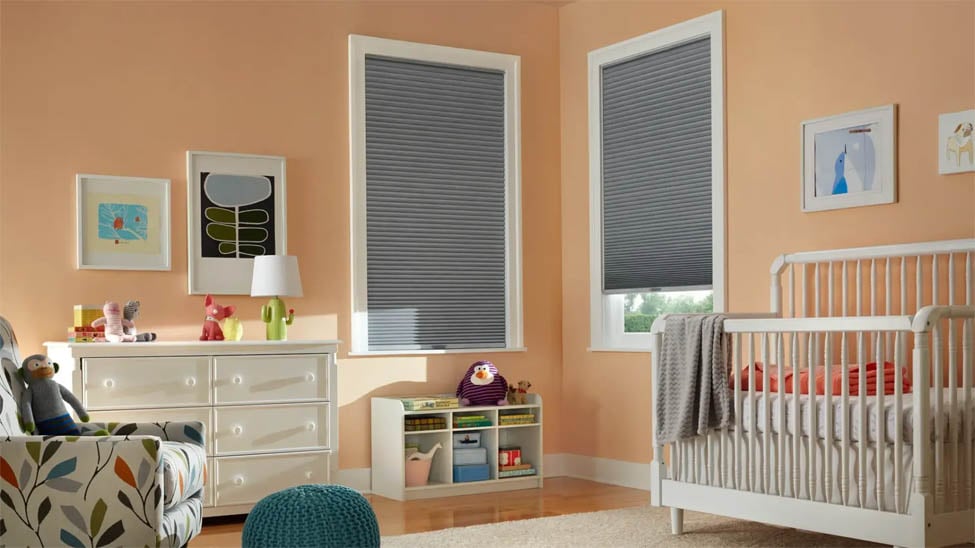
Best Cellular Shades for Winter Energy Savings
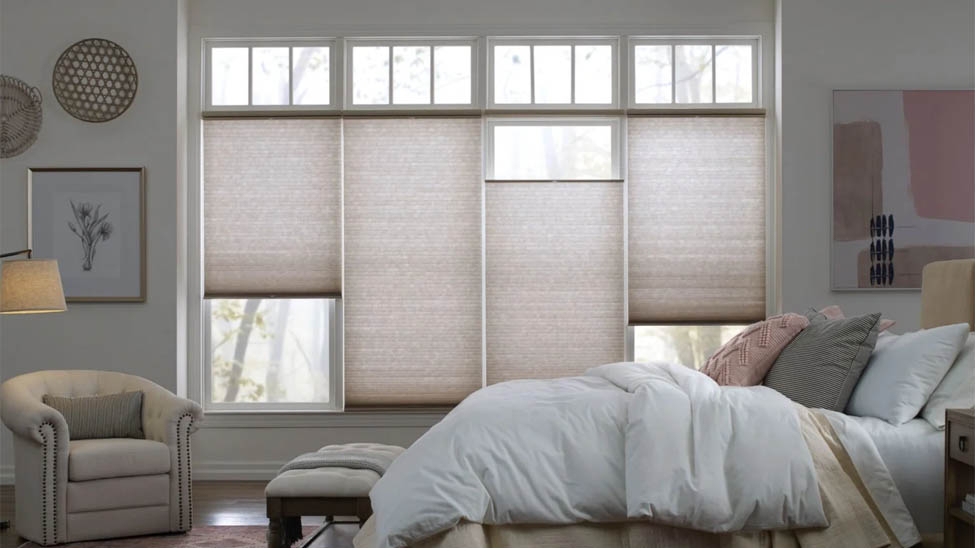
Put your hand flat on a window on a January night, and you feel the problem directly. The glass sits far colder than the room and keeps drawing heat toward it for as long as the temperature outside stays down, which is why a room with large windows never quite feels warm regardless of what the thermostat reads.
Cellular shades are the only interior covering engineered specifically to interrupt that transfer, and they do it with trapped air rather than thickness. Which version you buy decides how much of that heat you actually keep.
How cellular shades reduce winter heat loss
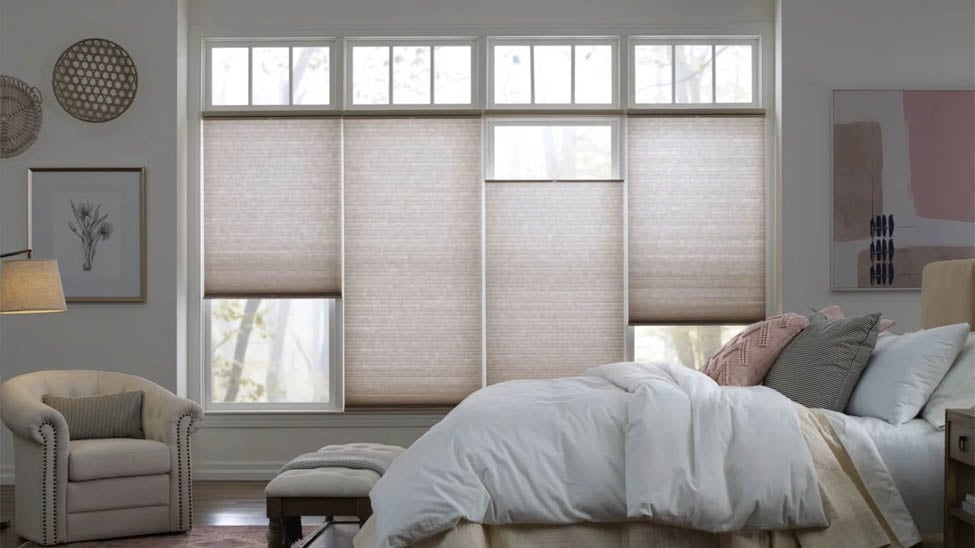
The honeycomb profile is not a styling detail. Each cell traps a pocket of still air between the room and the glass, and still air is a poor conductor, so the shade slows the heat transfer that a flat panel of fabric barely touches.
That trapped-air principle is why cellular shades consistently outperform other interior shades on insulation, and why cellular shades are the default recommendation for a cold-climate window.
Two practical consequences follow:
- The barrier only works when the shade is down: Closing shades at night is when you capture most of the winter benefit.
- Daytime sun is free heat: On sunny winter days, raising shades on south-facing glass lets solar gain in, then lowering them at dusk holds it.
Single cell vs double cell: Which insulates better in winter
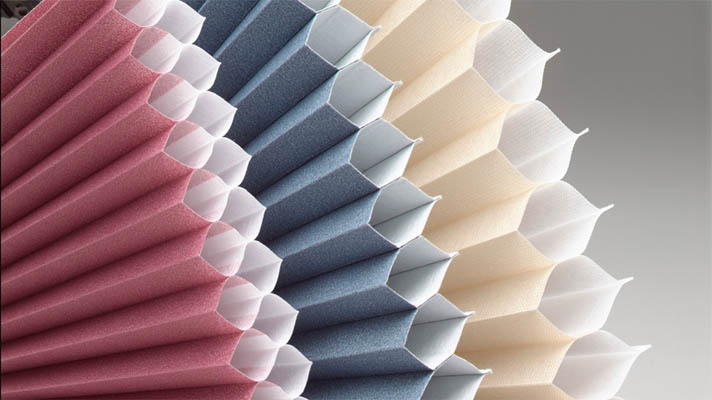
Double cell is the stronger insulator, and the reason is simply more trapped air. A double-cell shade stacks two rows of honeycomb, adding a second air pocket and a second barrier between the room and the glass.
- Single cell: Good insulation, a slimmer stack, and a lower price. Suits mild winters and standard windows.
- Double cell: The better choice for cold climates, large glass, and any room that never feels warm enough. A double cellular shade is the upgrade that matters most in winter.
Cell size plays a smaller role than cell count. Larger cells suit bigger windows visually, but the number of air layers is what moves the thermal needle.
Do blackout cellular shades insulate better than light filtering?
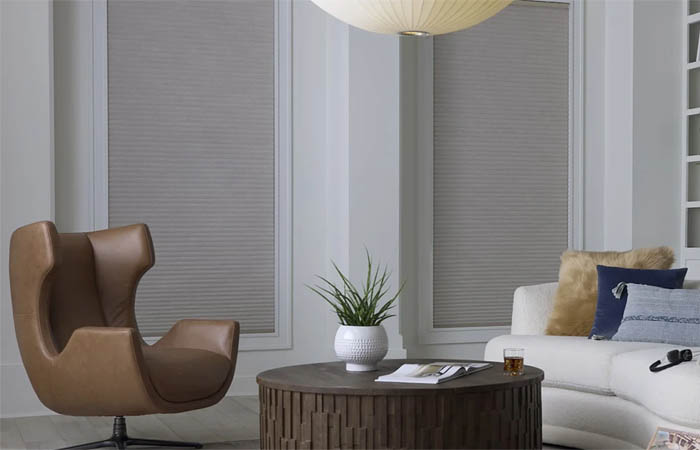
Generally yes, and it is worth understanding why before you assume you need darkness. Blackout cellular fabrics are denser and often carry an internal liner, which adds mass and a reflective layer to the air pockets already doing the work. A blackout double cellular shade therefore gives you the strongest winter performance in the range.
The tradeoff is light. Light-filtering cellular fabric keeps a room bright and still delivers real insulation, so it remains the better everyday choice in living spaces. Reserve blackout for bedrooms and media rooms where you want the darkness anyway and the thermal gain is a bonus.
Why the fit and mount decide your real-world savings
This is the part most buyers underestimate. A cellular shade's rating describes the fabric, not the installation, and heat escapes through gaps just as readily as through glass. Custom sizing matters here because a made-to-measure shade sits tight in the opening instead of leaving a channel of moving air at each edge.
- Outside mount: Overlapping the frame on all sides seals the perimeter better than an inside mount, which is the single biggest improvement you can make to winter performance.
- Tight inside mount: Cleaner looking and still effective, provided the shade is measured precisely to the opening.
- Top-down bottom-up: A top-down bottom-up cellular shade lets you keep the lower half closed against draft-prone glass while pulling daylight in from above.
Which cellular shade to choose, room by room
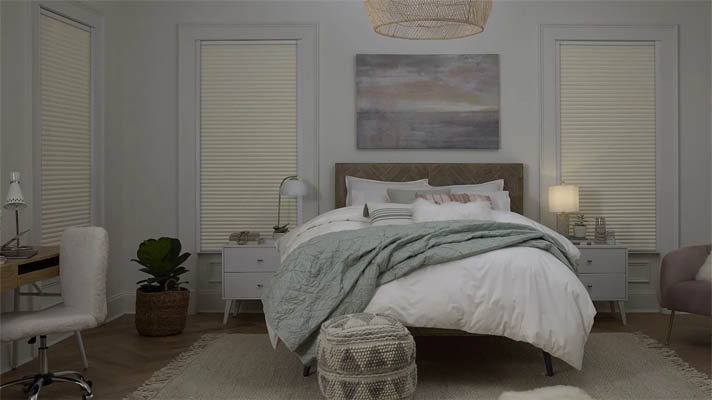
- Bedrooms: Blackout double cellular. Maximum insulation plus the darkness that helps sleep.
- Living rooms: Light-filtering double cellular. Keeps the room bright while cutting the chill off the glass.
- Drafty or older windows: Double-cell on an outside mount, which seals the frame rather than sitting inside it.
- Tall or hard-to-reach windows: A motorized cellular shade so the shades actually get closed at dusk, which is when the savings happen.
Close the gaps before you turn up the thermostat
The best cellular shade for winter is a double-cell fabric, sized precisely, mounted to seal the edges, and lowered every evening. That combination turns a window from the coldest surface in the room into an insulated one, and it costs far less than replacing glass. Browse the range of energy-efficient shades and start with the room that never holds its heat.
FAQs
Are double cell shades worth it over single cell?
In a cold climate, yes. The second row of honeycomb adds another layer of trapped air, which measurably improves insulation. In mild winters, single cell offers most of the benefit at a lower price and a slimmer stack.
Do cellular shades really lower heating bills?
They reduce heat loss through the window, which eases the load on your heating system. The size of the savings depends on your climate, window area, and whether you actually close the shades at night.
Which is warmer, blackout or light filtering cellular shades?
Blackout, because the denser fabric and internal liner add mass and a reflective layer to the trapped air. Light-filtering cellular still insulates well and keeps the room bright, which suits living spaces better.
Does an inside or outside mount insulate better?
An outside mount performs better in winter because it overlaps the frame and seals the perimeter, closing the air channels that an inside mount leaves at the edges.
When should you close cellular shades in winter?
Close them at dusk and overnight to hold heat in. On sunny days, raise the shades on sun-facing windows to let free solar warmth into the room, then lower them again as the light goes.
Do cellular shades help in summer too?
Yes. The same trapped air that slows heat escaping in winter slows solar heat entering in summer, so the shades reduce cooling load as well as heating load.
- Best Cellular Shades for Winter Energy SavingsBlinds, Shades & ShuttersHome Advice
- Bamboo Blinds vs Wood Blinds: Which Is Better?Blinds, Shades & Shutters
- Window Treatment Trends for 2027Blinds, Shades & ShuttersDesign & Decor
- Best Roman Shades for BathroomsBlinds, Shades & Shutters
- Do You Need Blackout Curtains or Shades for a Nursery?Blinds, Shades & ShuttersCommon Questions