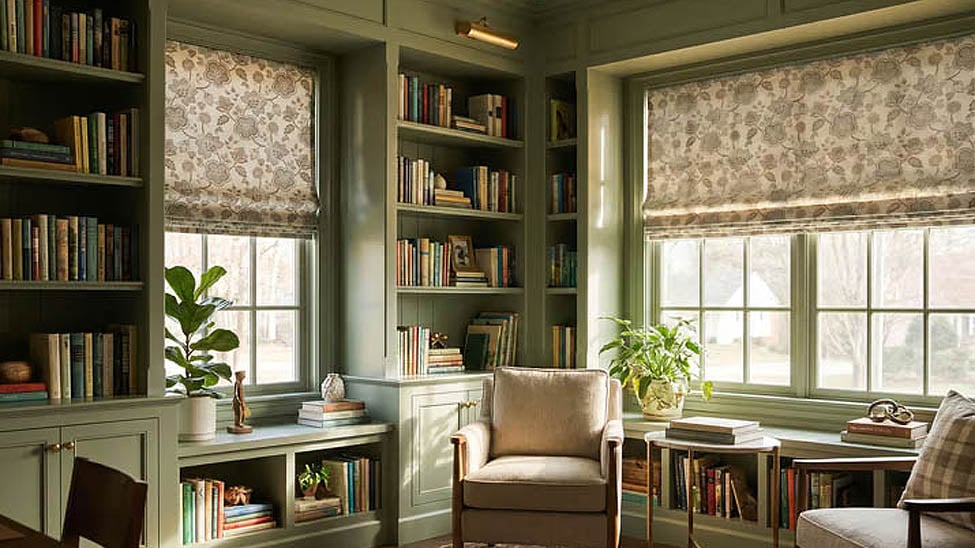
Window Treatment Trends for 2027
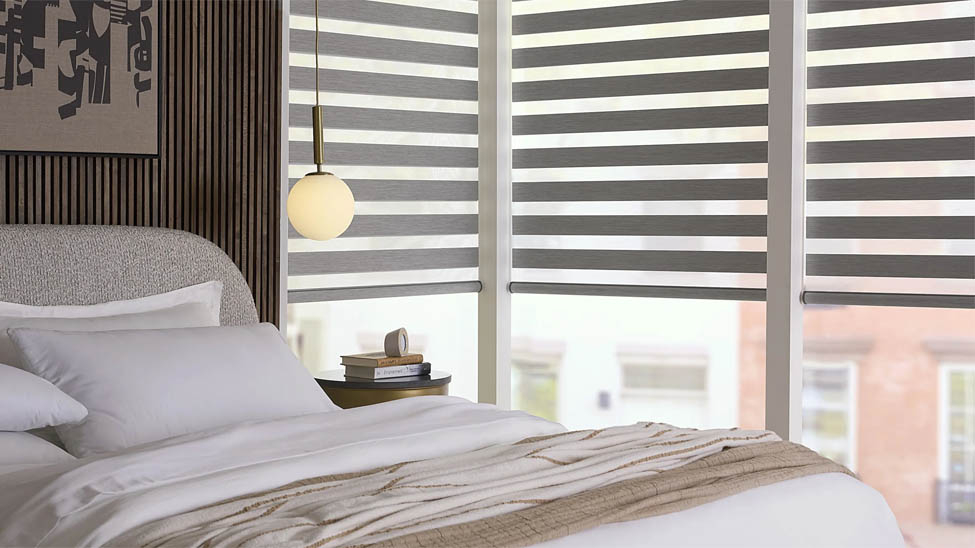
The window treatment trends for 2027 are not about chasing one hot product. Two forces are shaping the year, and they pull in interesting directions. Homes keep getting more automated, while the look keeps getting warmer and more natural, as if the softer materials are there to balance the technology. Put together, the theme is intentionality: treatments chosen for how a room is actually used, not for a passing style.
Motorization goes mainstream
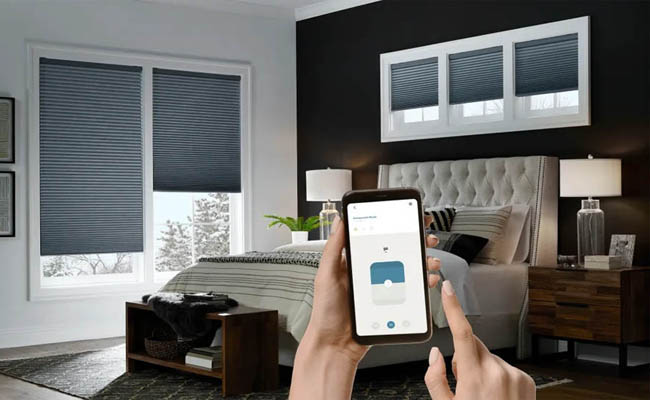
The biggest shift is that motorized and smart shades have crossed over from luxury upgrade to expected feature. Motorized shades now pair with Alexa and Google Home for voice control, run on schedules that open and close with the sun, and remove the cords that make traditional blinds a safety risk around children and pets. They earn their keep most on the large, tall, or hard-to-reach windows that are miserable to operate by hand, and on the busy household that wants light and privacy to run themselves.
Natural texture makes a comeback
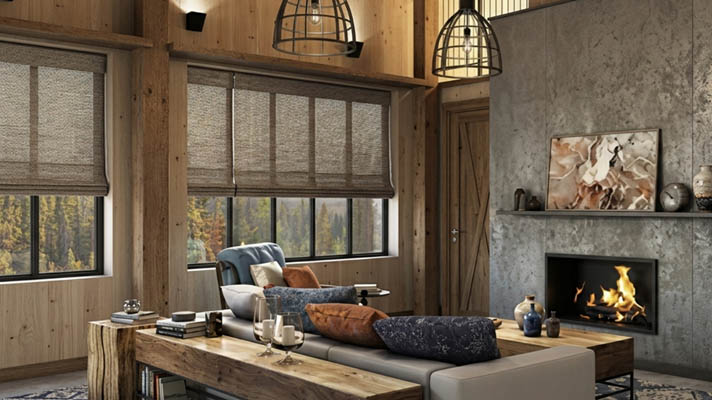
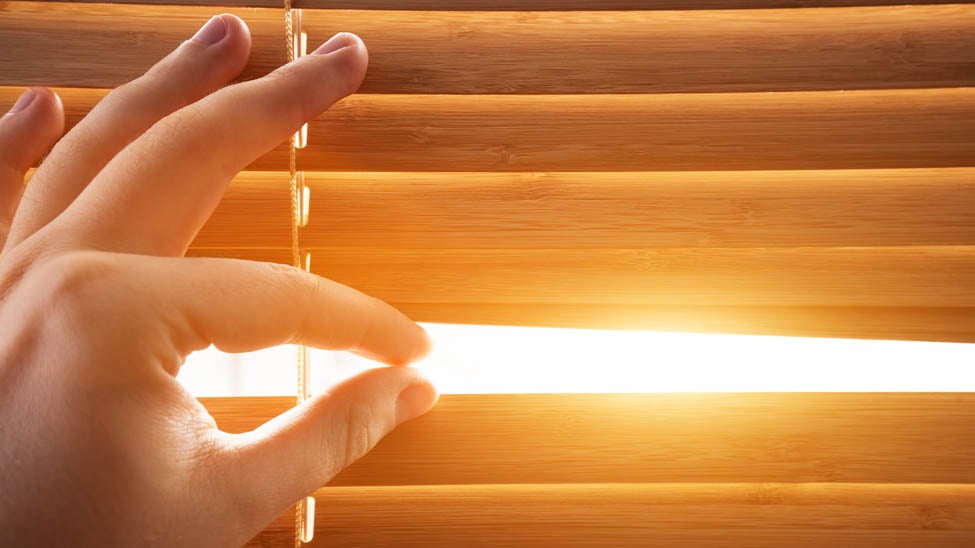
While the tech moves in, the look moves the opposite way, toward warmth and organic texture. Woven wood and bamboo shades, along with linen and jute, are replacing the cool, hard minimalism of recent years. This is biophilic design at the window: natural fibers that soften a smart, screen-heavy home and add the depth that painted drywall and smooth cabinetry cannot. The effect reads warm and edited rather than rustic, which is why it pairs so easily with the earthier palettes taking over interiors.
Layering is the designer default
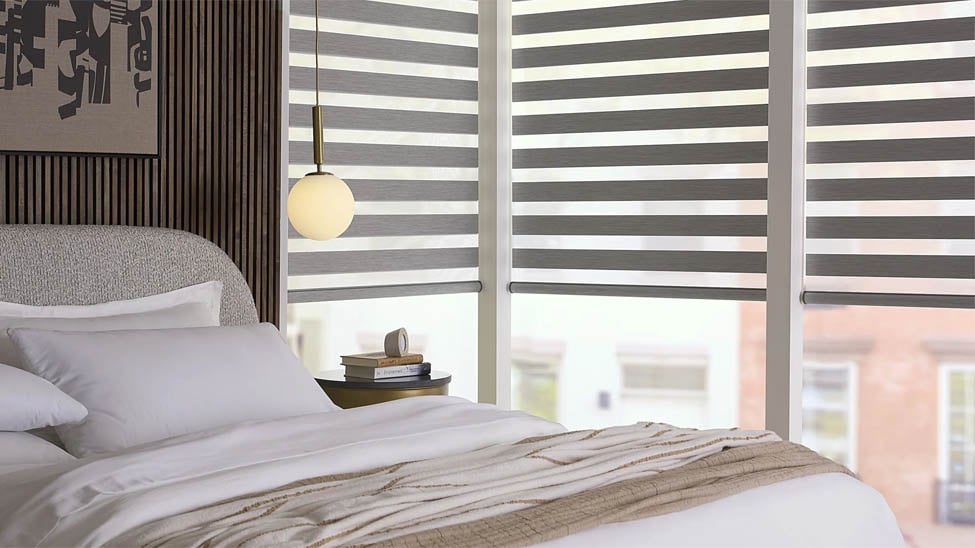
Single-shade windows are giving way to layered setups, and it is the trend designers have quietly relied on for years. The formula is simple: an inner shade for function and an outer layer for atmosphere. A roller shade or cellular shade handles light and privacy, while sheer or drapery panels add softness and depth on top. A roman shade under drapery, or sheers over a blackout shade in a bedroom, gives you fine control over light through the day and a finished, dimensional look a single treatment cannot achieve.
Warm neutrals and earthy colors
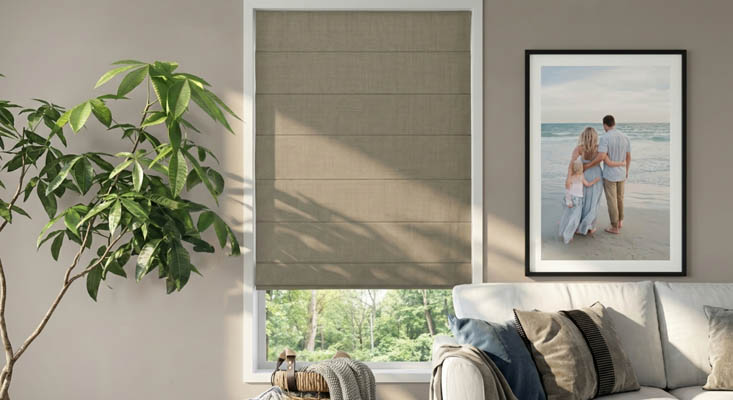
Color is following the same warm turn. Soft whites, warm beiges, and layered taupes remain the foundation because they make rooms feel calm and larger, but the cold gray-and-stark-white palette that dominated is fading. In its place are earthier neutrals and, for contrast, deeper accent tones like charcoal, navy, and forest green, usually in drapery or a feature shade rather than across every window. Texture is doing the work that bold pattern used to, so a woven or subtly varied fabric becomes the quiet focal point.
Energy efficiency you can see on the bill
Rising energy costs have made performance a genuine selling point, not just a talking point. Cellular shades trap air in their honeycomb cells to slow heat transfer, and solar shades cut solar heat gain and block most UV while keeping the view. It matters because windows account for 25 to 30 percent of a home's heating and cooling energy use, so the right treatment on the right window pays back in comfort, lower bills, and less fading of floors and furniture.
What's fading out
Some looks are on the way out, and naming them makes the trends easier to act on. Heavy valances and stiff, fabric-hungry box pleats read as dated and block light. Cheap, thin vinyl and flimsy aluminum mini blinds are being replaced by materials with more substance. The all-gray, cool-minimalist palette is giving way to warmth. And corded operation is fading fast, pushed out by cordless and motorized lifts that are safer and cleaner-looking.
Update with intention, not trends
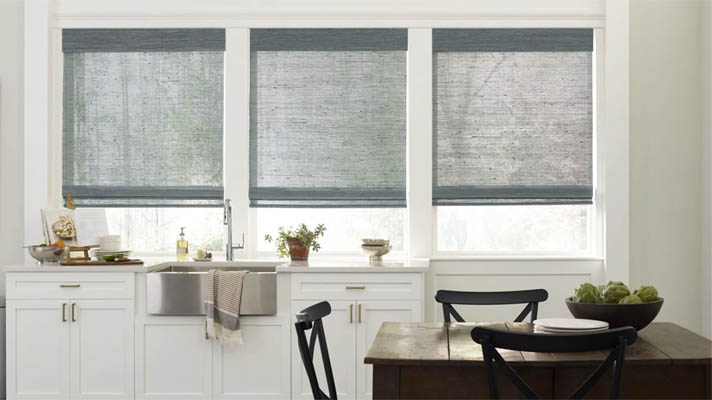
The strongest move in 2027 is not to buy the single hottest product, but to choose with intention: automate the windows you fight with, add natural texture where a room feels flat, layer for control and depth, and lean into warm neutrals. You do not always have to replace to refresh, since swapping a liner, adding a drapery layer, or moving to an outside mount can update a window on its own. Browse the latest bamboo shades and motorized options and update each room around how you actually live in it.
FAQs
Which window treatment styles are becoming less popular?
Heavy valances, stiff box pleats, cheap thin vinyl and flimsy aluminum mini blinds, and the cold all-gray minimalist palette. Corded operation is also fading fast as cordless and motorized lifts become the safer, cleaner standard.
Are natural woven materials still trending?
Very much so. Woven wood, bamboo, jute, and linen are among the strongest trends of 2027, driven by biophilic design and a shift toward warm, organic texture that softens increasingly automated homes.
What colors are trending for window treatments in 2027?
Warm neutrals lead, including soft whites, warm beiges, and taupes, with earthy tones replacing cool gray. Broader accents like charcoal, navy, and forest green appear in drapery or feature shades, and texture matters more than bold pattern.
Are motorized window treatments becoming standard?
Yes. Motorization has moved from a premium upgrade to an expected feature, valued for voice and schedule control, cordless safety, and easy operation of large or hard-to-reach windows.
How can you update window treatments without replacing them?
Swap a shade's liner to change its privacy or light control, add a drapery or sheer layer for depth, or re-mount a shade outside the frame to make the window look larger. Each refreshes the look without a full replacement.
Is layering window treatments worth it?
For most rooms, yes. Pairing an inner shade for light and privacy with an outer drapery or sheer layer gives finer control through the day and a more polished, dimensional look than a single treatment.
- Window Treatment Trends for 2027Blinds, Shades & ShuttersDesign & Decor
- Best Roman Shades for BathroomsBlinds, Shades & Shutters
- Do You Need Blackout Curtains or Shades for a Nursery?Blinds, Shades & ShuttersCommon Questions
- Best Window Treatments for Sunny RoomsBlinds, Shades & Shutters
- Best Fabrics for Roman Shades: How to Choose the Right MaterialBlinds, Shades & ShuttersHow To