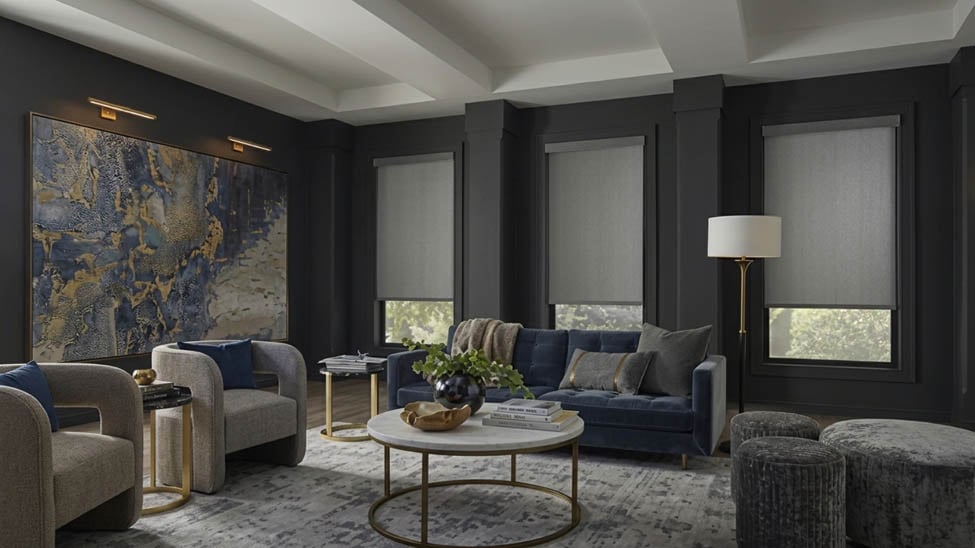
Best Fabrics for Roman Shades: How to Choose the Right Material
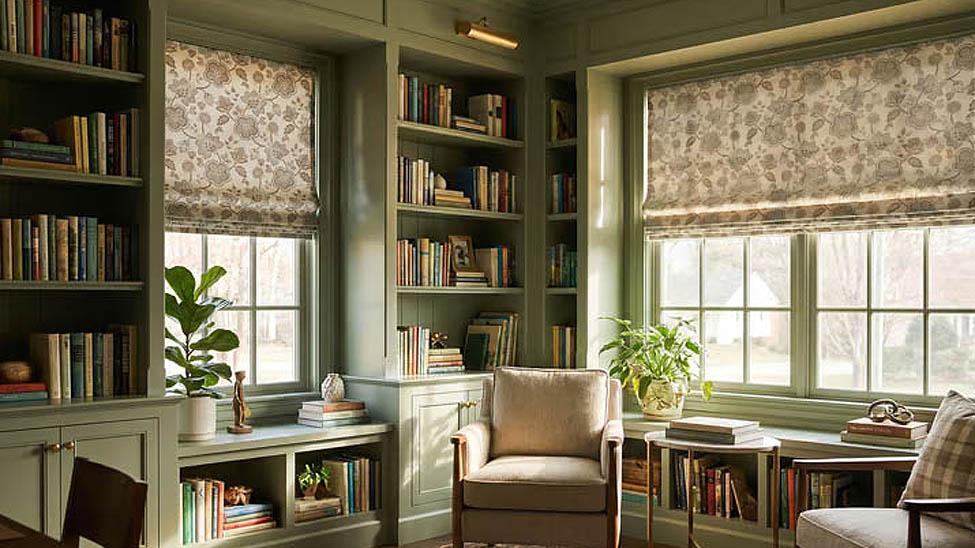
Fabric is the decision that quietly settles everything else about a roman shade. It sets how the folds stack, how much light gets through at three in the afternoon, how often you reach for a lint roller, and whether the shade still looks tailored in five years. Most guides hand you a list of materials and wish you luck.
The more useful way is to treat it as three linked decisions, made in order, so the right fabric for roman shades almost selects itself.
The three decisions that actually pick your fabric
Before you fall for a color, settle three things in this order. Get them right and the shortlist shrinks fast, because the "which material" question is really about weight, light, and upkeep.
How it folds. Weight and stiffness decide whether the pleats stack cleanly or sag into a droop. Most residential roman shade fabric sits between roughly 7 and 14 ounces per square yard. Too light and the folds go limp, too heavy and the fabric can look stiff.
How it handles light. A face fabric can soften, dim, or nearly block daylight, and the liner behind it does much of that work.
How much upkeep the room can tolerate. A quiet study and a steamy kitchen are not asking the same thing of a textile.
The best fabrics for roman shades, ranked by what they do well
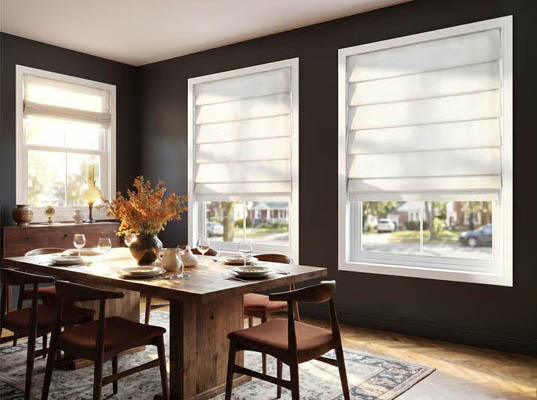
There is no single best fabric for roman shades, only the right match for your light, your room, and how tailored you want the folds to read.
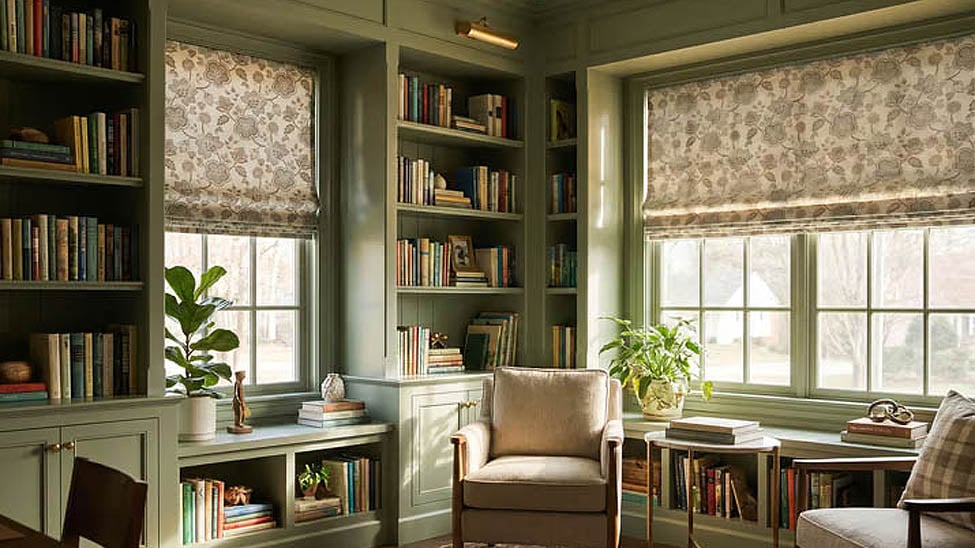
- Linen: The most popular roman shade fabric, for good reason. It is light, airy, and raises with almost no effort, and its faint natural slub gives folds a relaxed, lived-in elegance. The tradeoff is that pure linen creases and softens with use, which reads as charm to some and as untidy to others.
- Cotton: The all-rounder. A touch heavier than linen, it folds into crisp, uniform pleats and holds a clean line when lowered. It takes solids and prints equally well, the safe pick for most living rooms and bedrooms.
- Linen and cotton blends: Blends such as linen and cotton, linen and rayon, or linen and viscose keep the texture you want while adding durability and drape stability. If you love linen but not the wrinkles, this is the compromise worth paying for.
- Polyester and performance fabrics: The low-maintenance workhorse. These resist fading, shrug off humidity, and wipe clean, which is why they earn a place in kids' rooms, rentals, and high-traffic spaces. They can read flatter than natural fibers, so lean on texture in the weave.
- Silk and faux silk: Reserve real silk for formal, low-touch rooms. It is beautiful and drapes like nothing else, but it fades in direct sun and asks for care. Faux silk gives you most of the sheen with far fewer demands.
- Wool: A cozy, high-end choice that adds warmth and a soft hand. Like linen, it may stretch slightly over time, which is character rather than a flaw.
- Natural woven materials: Grasses, reeds, and bamboo bring texture and an organic, sustainable feel that suits warm and minimalist interiors alike.
Because every one of Blindster's custom roman shades is cut to your exact window, the fabric you fall for is the fabric you get, in the size you actually need.
Match the fabric to the light you are actually fighting
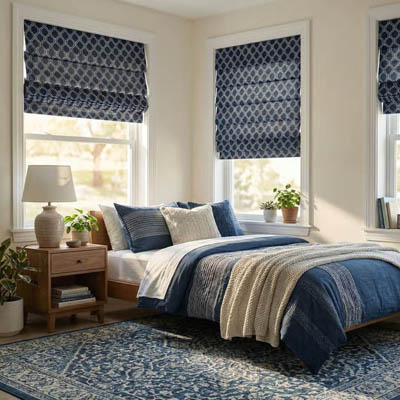
Opacity is where fabric choice meets real life, and where guides tend to over-promise. On a roman shade, the face fabric and the liner behind it together decide how much daylight comes through. Every Blindster roman shade comes standard with a light-filtering privacy liner, with a blackout liner available as an upgrade when you want more darkness.
- Sheer and light-filtering fabrics soften daylight and keep a room bright while giving daytime privacy. Best where you want glow, not glare.
- Room-darkening builds pair heavier fabric with a denser liner to cut most of the light. A sensible middle ground for bedrooms that do not need full blackout.
- Blackout liners block light through the fabric itself, the strongest option for nurseries and media rooms. They do not create a completely dark room, though. Indirect light still slips in around the edges of the shade, so an outside mount that overlaps the frame gets you closest to true darkness.
Let the room set the rules
The same fabric that looks perfect in a study can be the wrong call over a kitchen sink. Before you commit, let the room's daily reality narrow the field.
- Bedrooms and nurseries: light control first. A room-darkening or blackout build on cotton or a blend does the job without looking heavy.
- Living and dining rooms: how the fabric reads with light. Linen, cotton, and textured blends earn their keep.
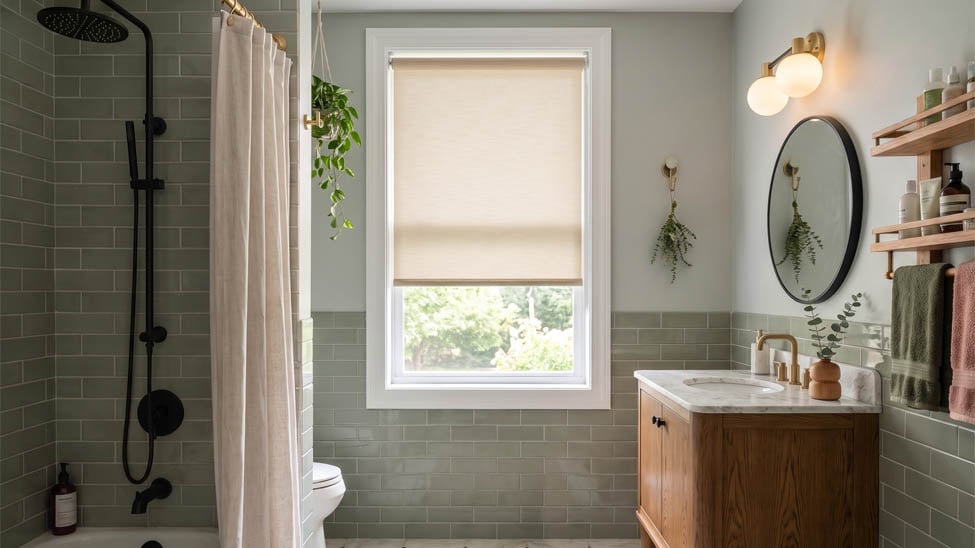
- Kitchens and bathrooms: moisture and cleaning. Polyester and performance fabrics handle humidity and wipe down easily, which natural fibers do not love.
- Kids' rooms and rentals: durability and a cordless lift, the safer choice around children and pets.
How fabric and fold style work together
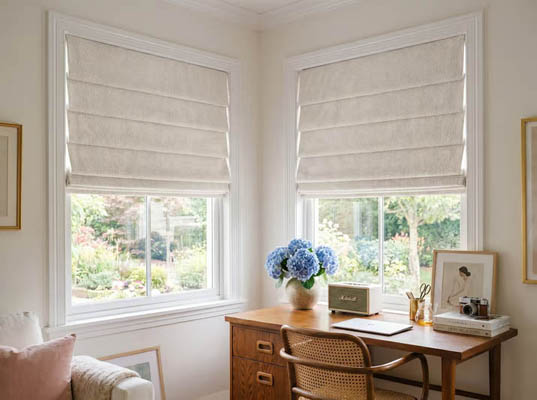
Fabric does not perform in isolation. The fold style changes how a given textile looks raised and lowered, so pick the two together to avoid a shade that fights its own material.
Choose a flat fold when the fabric is the star. Because the front carries no horizontal seams, a Premium Flat Fold Roman Shade lets large prints and bold patterns read as one uninterrupted design.
Choose a plain fold for structured, tailored rooms. A Premium Plain Fold Roman Shade hangs flat when lowered and stacks into clean, cascading folds, which flatters solids and small-scale textures.
Choose a soft fold when you want drapery softness. A Premium Soft Fold Roman Shade keeps gentle curves of fabric even when lowered, giving lighter linens and silks a relaxed, upholstered feel.
Looking for more options? The LEVOLOR Plain Fold Roman Shade delivers the same tailored fold across a wide range of fabrics and options.
Going wide or motorized? Heavier fabrics and large spans pull harder, so a medium-weight textile paired with a motorized lift keeps big shades operating smoothly.
Roman shade fabric questions, answered
A few specifics come up once the shortlist is down to two or three materials. Here are the quick answers.
Which fabric blocks the most sunlight in Roman shades?
No face fabric alone blacks out a room. The strongest light control comes from a heavier fabric paired with a blackout liner. Even then, indirect light enters around the edges, so an outside mount gets you closest to full darkness.
Do linen Roman shades wrinkle over time?
Yes. Pure linen relaxes and creases with use, which many people read as part of its charm. If you want the linen look without the softening, a linen and cotton or linen and rayon blend holds a crisper line.
Which Roman shade fabric is easiest to clean?
Polyester and performance fabrics. They resist moisture and fading and wipe down with a damp cloth, the low-maintenance pick for kitchens, baths, and kids' rooms. Natural fibers need gentler care.
Are thicker fabrics better for insulation?
Up to a point. A heavier fabric plus a liner traps a layer of air that slows heat transfer, and since windows account for 25 to 30 percent of home heating and cooling energy use, that layer helps. For serious insulation, cellular shades still lead.
Which fabric works best for high-traffic rooms?
Performance and polyester blends. They handle daily wear, sun, and cleaning better than delicate naturals, holding their look in busy rooms and rentals.
Do large patterns work on Roman shades?
Yes, if you match the fold to the print. A flat fold keeps a large pattern uninterrupted because there are no horizontal seams across the face, while heavily folded styles can hide parts of a big design when the shade is raised.
Try the fabric where it will hang
A textile that looks perfect on a lit screen can read completely differently in a north-facing bedroom at dusk. The cheapest insurance against a reorder is checking weight, drape, and opacity in the actual room. Browse the full range of custom roman shades and compare materials in the space they are meant for.
- Best Fabrics for Roman Shades: How to Choose the Right MaterialBlinds, Shades & ShuttersHow To
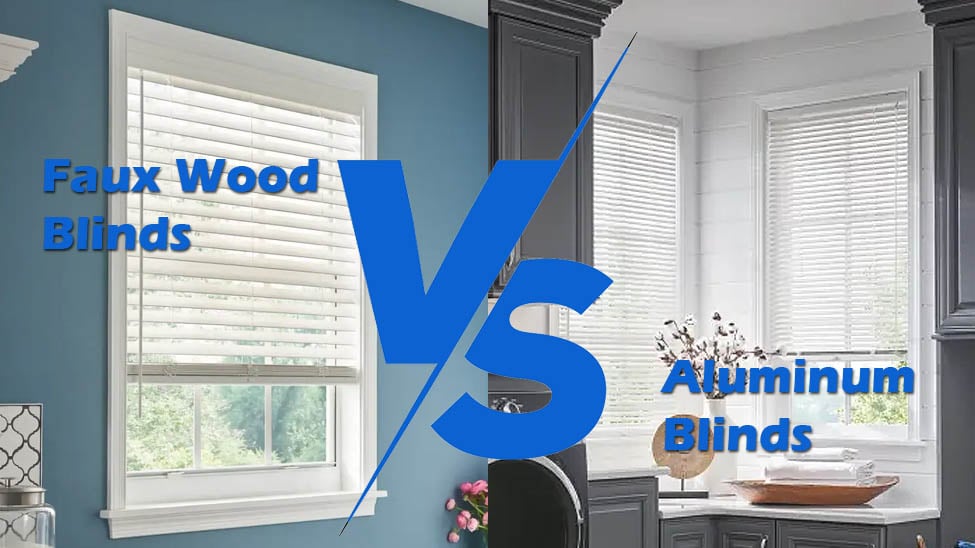
- Faux Wood vs Aluminum Blinds: Which is Better?Blinds, Shades & Shutters
- Best Roller Shades for Kitchens & BathroomsBlinds, Shades & Shutters
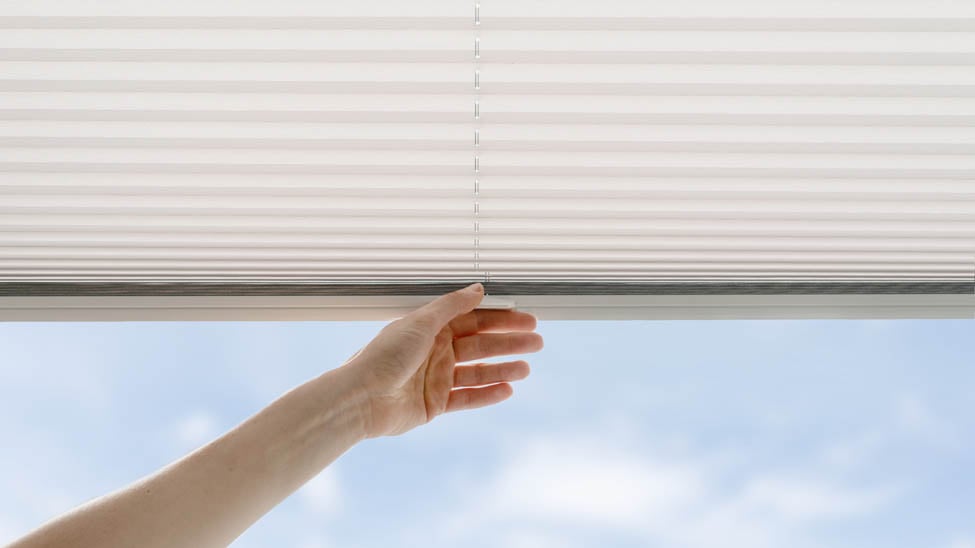
- Do Cordless Blinds Break Easily?Blinds, Shades & ShuttersCommon Questions
- Minimalist Window Treatment Ideas for Modern HomesBlinds, Shades & ShuttersDesign & Decor