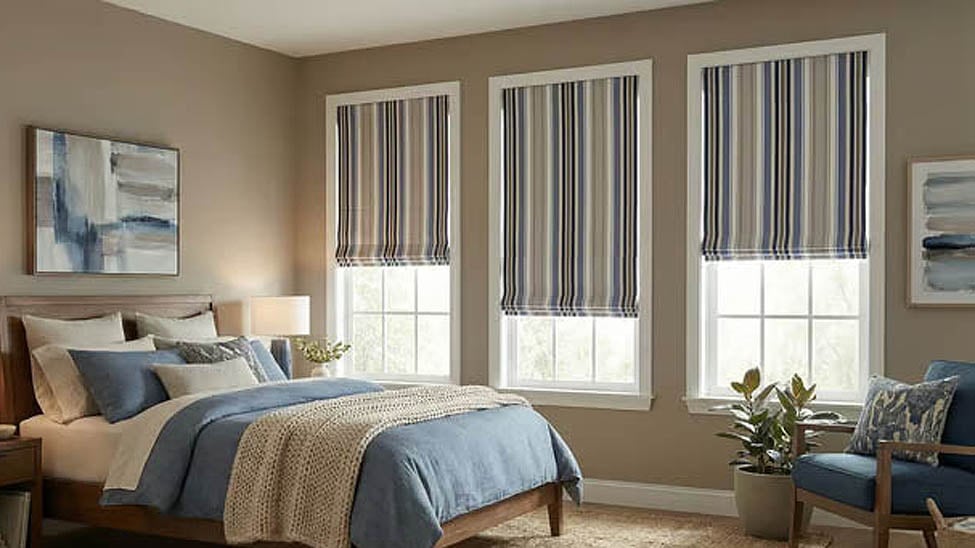
Minimalist Window Treatment Ideas for Modern Homes
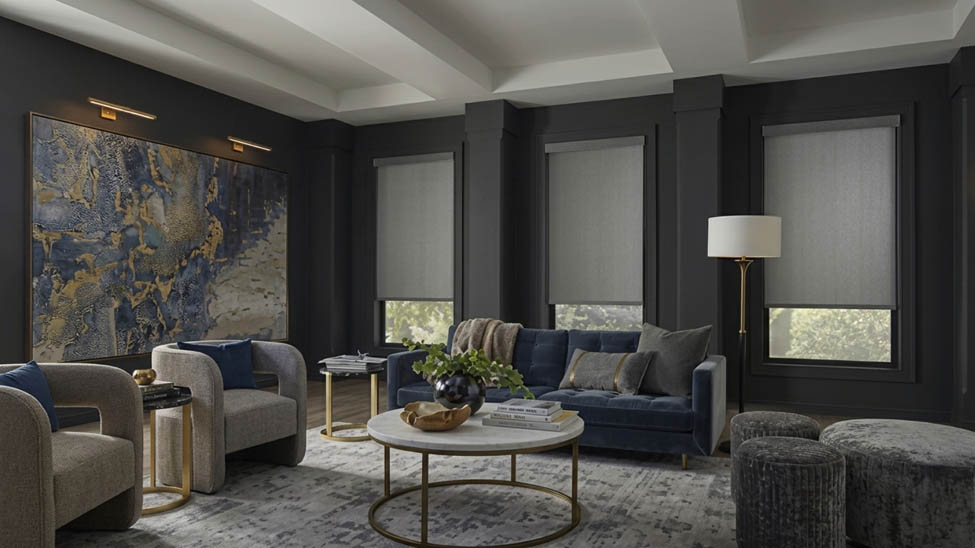
Minimalism is not about bare windows; it is about reduction: fewer lines, hidden hardware, a single clean layer, and colors that blend rather than announce themselves. Good minimalist window treatment ideas frame the light and the view as quietly as possible and let the room, not the window covering, do the talking. The best options share a look of calm restraint, and getting there is less about one product than about a handful of consistent choices.
Roller shades: The minimalist default
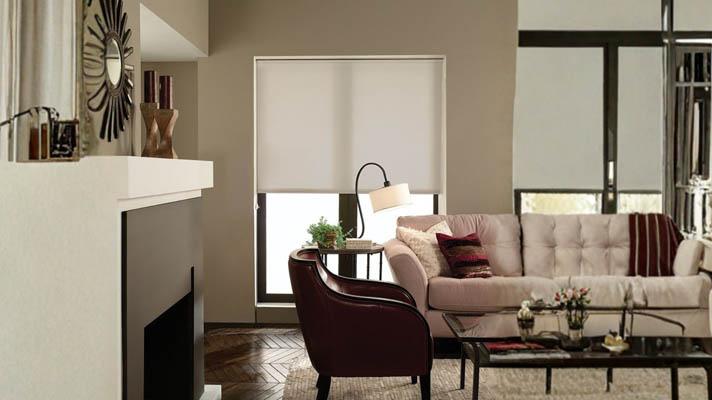
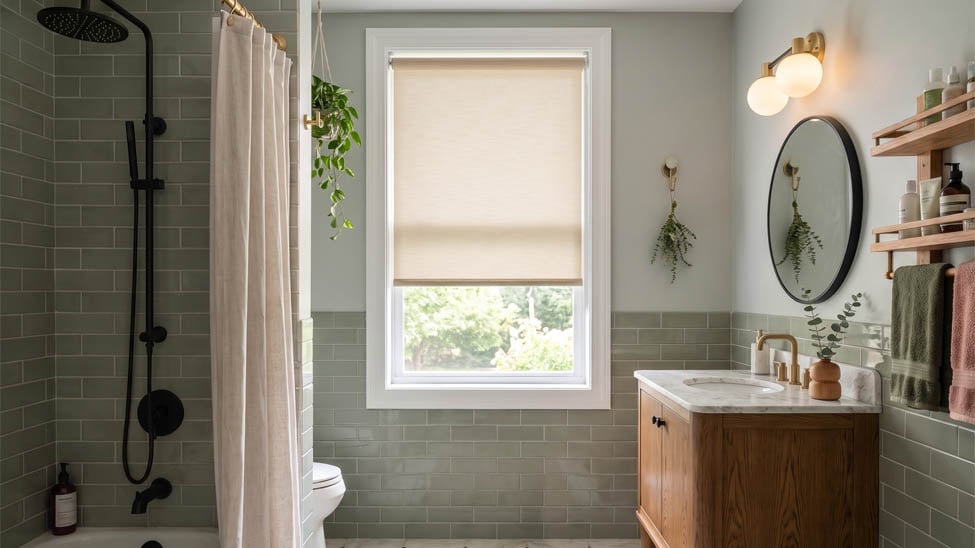
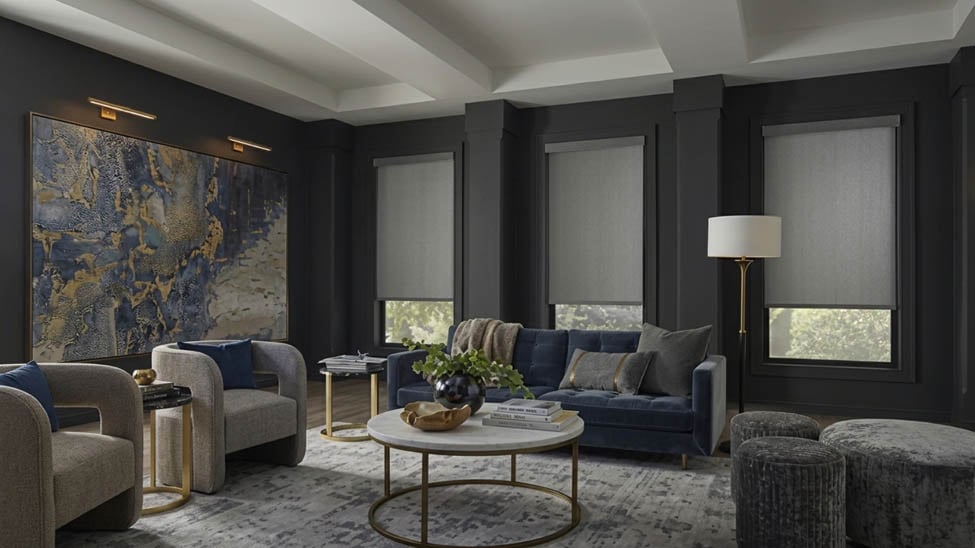
If minimalism has a signature window treatment, it is the roller shade. A single flat panel of fabric rolls onto a slim tube and all but disappears into the top of the window when raised, leaving nothing but glass and a clean line. A roller shade carries no folds, no slats, and no visual noise, which is exactly why it suits modern lofts, offices, and open-plan rooms. Because the fabric runs from sheer to blackout, a light-filtering roller shade gives you precise light control without layering anything on top of it.
Lose the cords
Nothing breaks a minimalist window faster than a dangling cord or a looped chain, which adds a busy element to an otherwise clean line. Going cord-free is one of the highest-impact moves you can make. A motorized roller shade removes the cord entirely and lets you raise or lower it by remote, keeping the window visually serene, and it has the side benefit of being safer around children and pets. Cordless lift does the same for a smaller budget. Either way, the goal is a window with no hardware competing for attention.
Clean-lined shades with a little texture
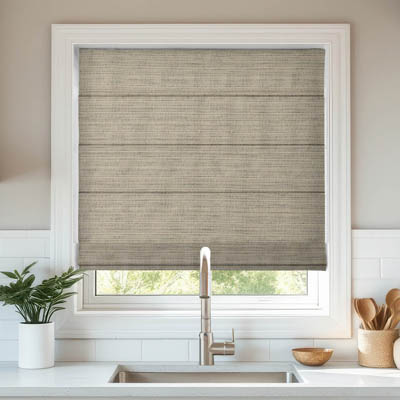
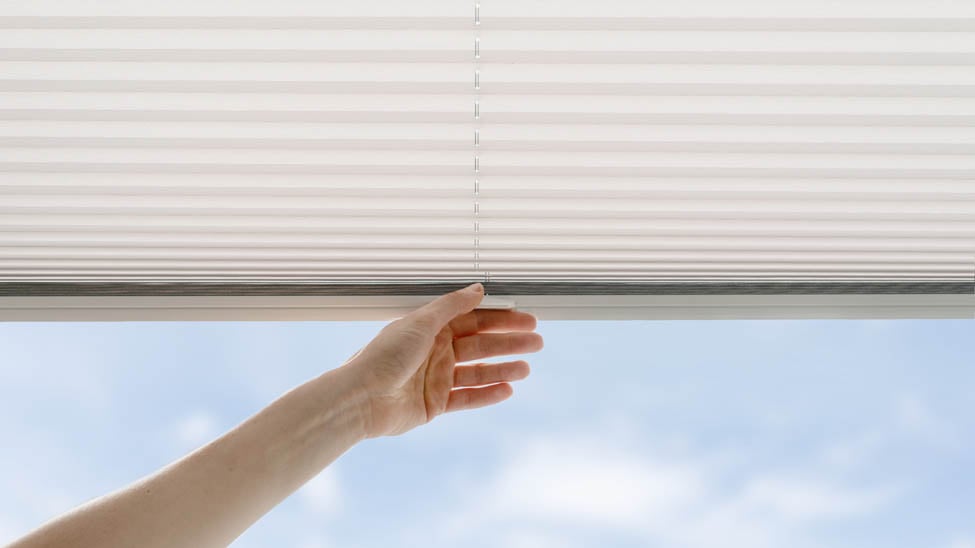
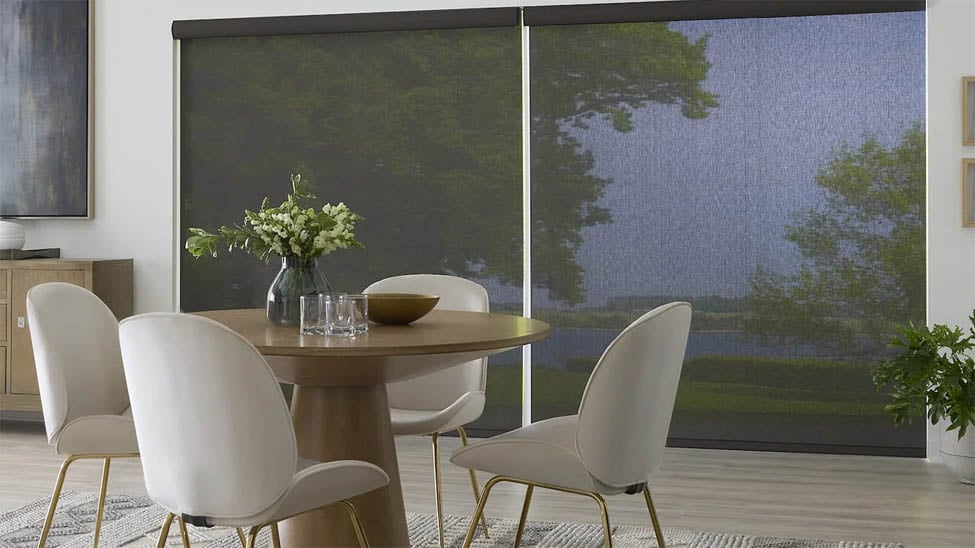
Minimalism does not have to mean cold. A flat-fold roman shade lies almost flush against the window and adds a quiet, tailored structure that a bare panel cannot, so a flat-fold roman shade reads minimalist while bringing softness to the room. A cellular shade is another clean-lined option, with a crisp contemporary profile and the practical bonus of insulation, and it mounts neatly inside the frame for a built-in look. For a sun-facing room that still wants restraint, a solar shade keeps the view and the clean lines while managing glare.
Neutral color and a seamless mount
Color is where a minimalist scheme holds together. Neutral tones like white, cream, beige, greige, and soft gray are the foundation, and the simplest effect comes from matching the shade closely to the wall or trim so it blends in rather than stands out. If you want the window to read as a deliberate line, pick a shade a step lighter or darker than the wall for gentle contrast. Muted pastels like soft sage or dusty blue can add a whisper of personality without breaking the calm. Mounting matters as much as color: an inside mount sits the shade snugly within the frame for that streamlined, architectural finish, and a precise custom fit keeps the edges tight and gap-free.
Layer sparingly, if at all
Minimalism and layering can coexist, but only with restraint. The clean version pairs one functional shade with one simple soft layer, such as a roller shade behind sheer panels, kept in matching or closely related neutral tones so the two read as one cohesive treatment rather than two competing ones. The mistake is stacking heavy drapery, valances, and trim until the window turns busy. If a room only needs light control and privacy, a single well-chosen shade is often the most minimalist answer of all.
Let the window disappear
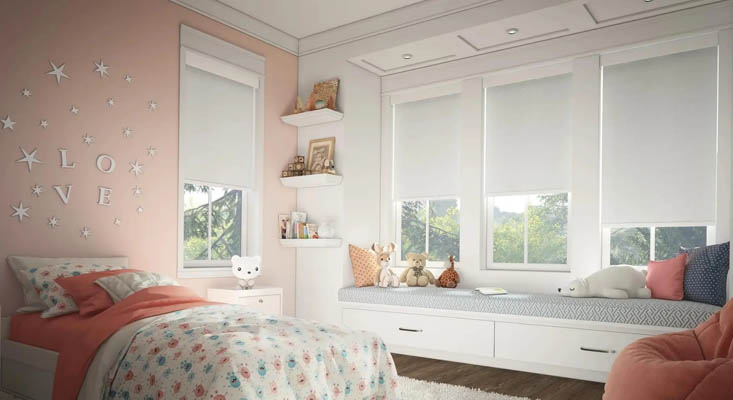
The through-line of every minimalist window is reduction: a clean single panel, no visible cords, neutral tones that blend, and a snug mount that keeps the lines tight. Start with a roller shade, go cordless, match the color to the room, and add a soft layer only if it earns its place. Browse roller shades and other clean-lined options and let the window quietly recede into the architecture.
FAQs
What are the best window treatments for Scandinavian interiors?
Cordless white roller shades and light, clean-lined cellular shades suit the Scandinavian emphasis on natural light and simple forms. Natural bamboo or woven wood shades in pale tones also fit, adding warmth without clutter.
Are roller shades or roman shades more minimalist?
Roller shades are the more minimalist of the two, since they have no folds and disappear almost completely when raised. Flat-fold roman shades are close behind and add a little tailored texture while still reading clean.
What colors work best for minimalist window treatments?
Neutrals lead: white, cream, beige, greige, and soft gray. Match the shade to the wall or trim to blend it in, or go a shade lighter or darker for subtle contrast. Muted pastels can add quiet personality.
Do minimalist blinds still provide full privacy?
Yes, when you choose the right fabric. A blackout or room-darkening roller or cellular shade gives full privacy in a clean, cord-free profile, while light-filtering fabrics trade some privacy for a brighter, softer room.
How do you layer minimalist window treatments without clutter?
Keep it to one functional shade plus one soft layer, like a roller shade behind sheer panels, in matching neutral tones. Avoid heavy drapery, valances, and trim, which pile on visual noise and break the clean look.
Should minimalist window treatments be cordless?
Ideally yes. Cords and looped chains add a busy element that works against clean lines. Cordless lift or a motorized shade keeps the window uncluttered, and it is safer for homes with children and pets.
- Best Roller Shades for Kitchens & BathroomsBlinds, Shades & Shutters
- Do Cordless Blinds Break Easily?Blinds, Shades & ShuttersCommon Questions
- Minimalist Window Treatment Ideas for Modern HomesBlinds, Shades & ShuttersDesign & Decor
- Best Window Treatments for Home Energy Efficiency (Beyond Cellular Shades)Blinds, Shades & ShuttersHome Advice
- Types of Roman Shade Styles ExplainedBlinds, Shades & Shutters