Best Window Treatments for Home Energy Efficiency (Beyond Cellular Shades)
Cellular shades get most of the attention in any conversation about energy efficiency, and they earn it for raw insulation. But they are not the only way to cut a heating or cooling bill, and they are not always the best fit for the problem in front of you.
The right energy-efficient window treatments depend on whether you are fighting heat escaping in winter, heat pouring in through summer glass, or drafts sneaking around an old window. Once you match the treatment to the mechanism, the field opens up well beyond honeycomb shades.
How a window treatment actually saves energy
A window covering saves energy in one of three ways, and knowing which one you need points you to the right product. It can insulate, trapping a layer of still air between the room and the glass to slow heat transfer. It can block solar heat gain, stopping or reflecting sunlight before it warms the room.
And it can seal, fitting tightly to the opening so air stops moving around the glass. Windows account for roughly 25 to 30 percent of a home's heating and cooling energy use, so any of these three can move the needle. Blindster's energy-efficient shades span all three approaches, which is why the best choice is rarely one-size-fits-all.
Where cellular shades still lead
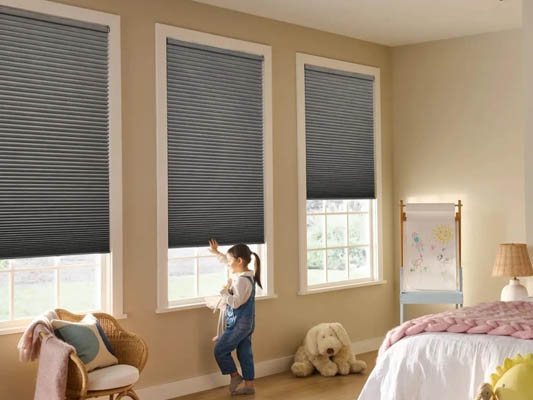
It is worth giving cellular shades their due before moving past them. Their honeycomb cells trap air in horizontal pockets, which is the most effective way an interior shade can slow heat transfer, and double-cell versions insulate better still. If your main problem is heat escaping through the glass in winter, a cellular shade remains the benchmark, and nothing else on this list beats it for pure insulation. The point of going beyond cellular is not that it falls short, but that different windows have different problems, and some of them call for a different tool.
Solar and exterior shades for stopping heat gain
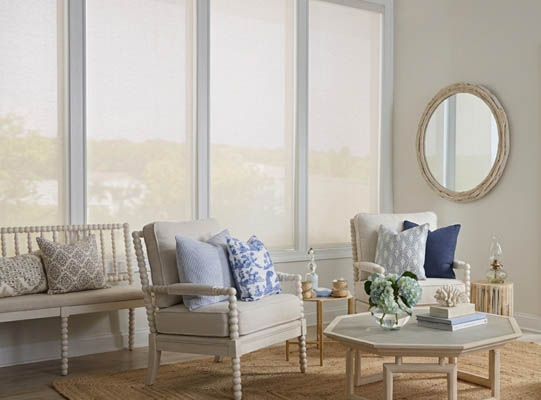
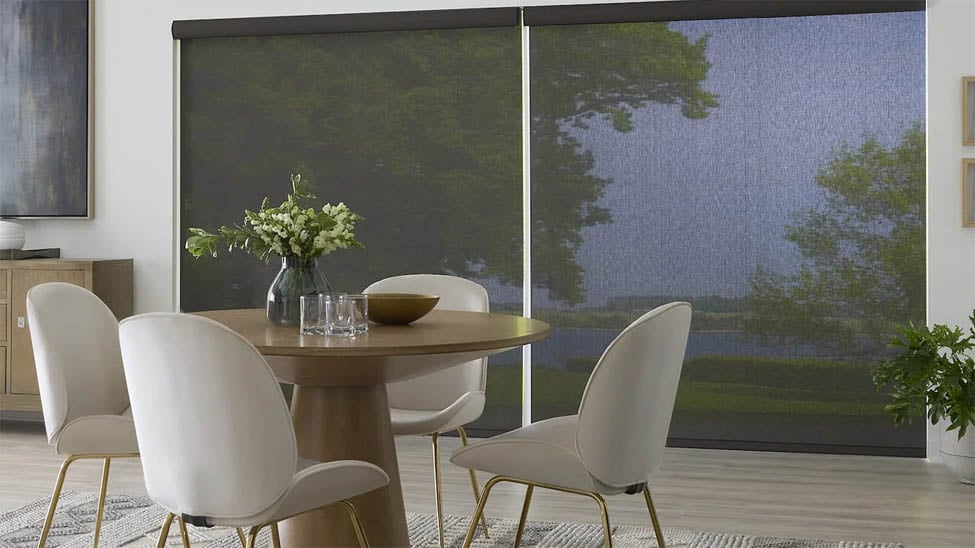
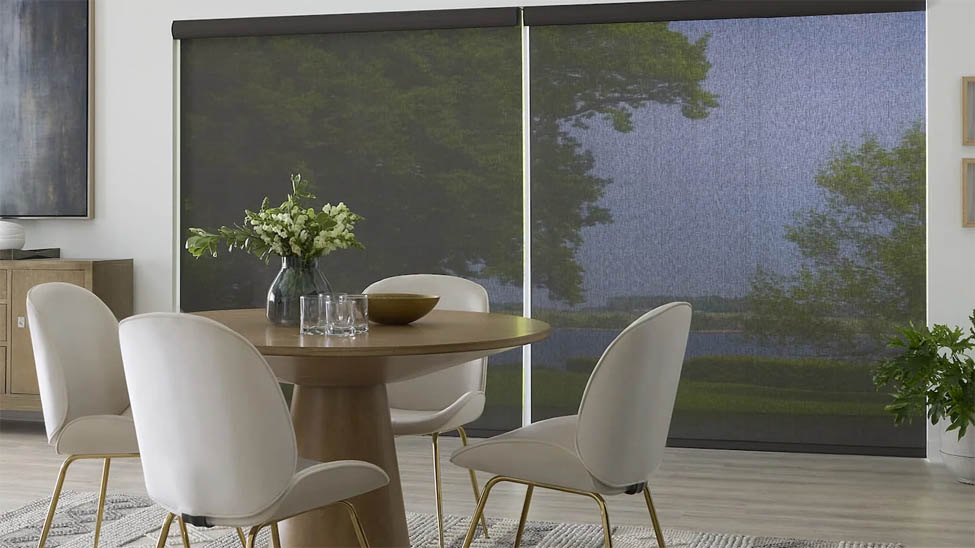
When the enemy is summer heat rather than winter cold, the goal flips from insulating to blocking the sun, and that is where solar shades shine. A solar shade uses a tightly woven fabric to intercept solar heat and UV at the glass while keeping your view, which eases the cooling load in sun-facing rooms without darkening them. For the most aggressive heat rejection, the strongest move is to stop the sun before it ever reaches the glass. A motorized exterior solar shade mounts outside the window and blocks solar heat at the source, which outperforms any interior treatment on a brutally hot exposure.
Blinds and roman shades that insulate
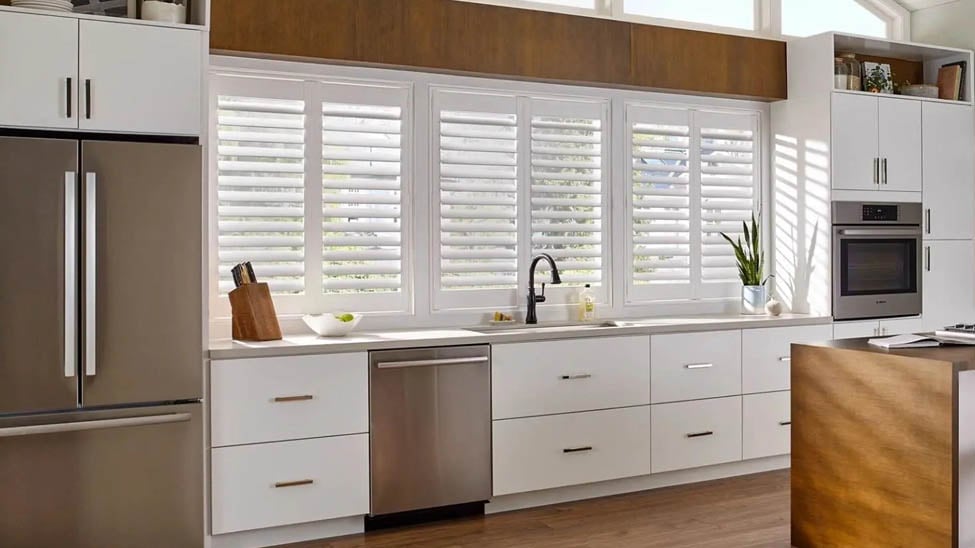
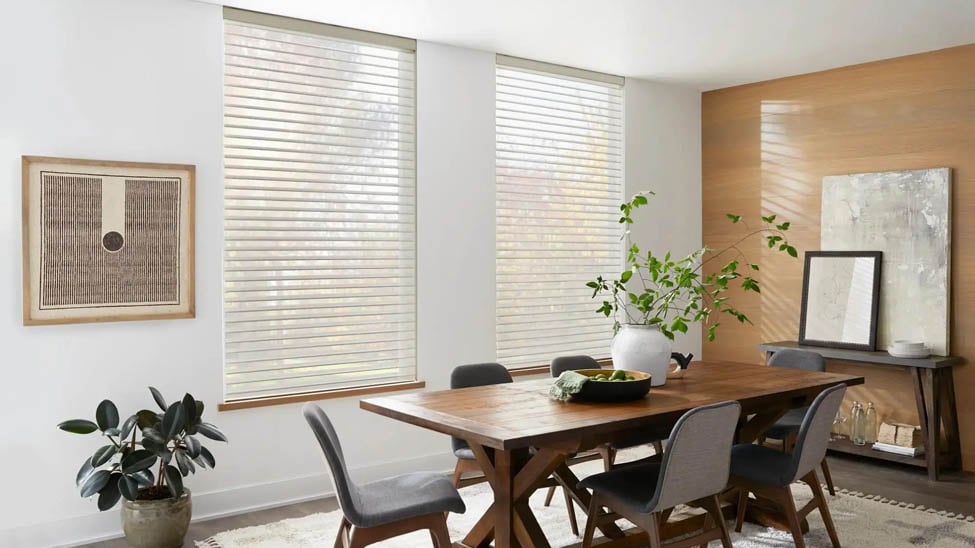
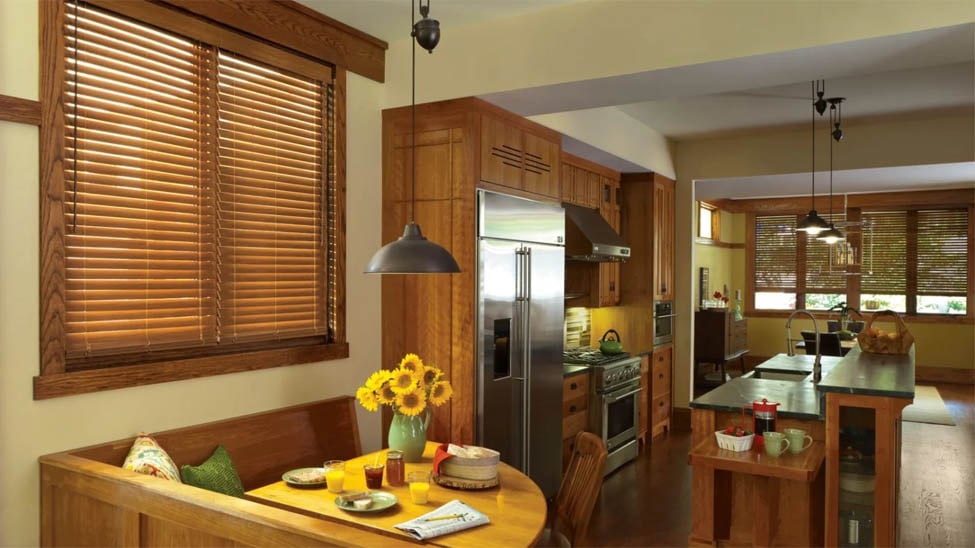
Not every energy-efficient window has to wear a shade. Wood is a natural insulator, so a wood blind adds a barrier at the glass and lets you tilt the slats to manage heat through the day, opening them to invite winter sun and closing them against summer glare. Faux wood works similarly with thicker, less conductive slats that also shrug off moisture.
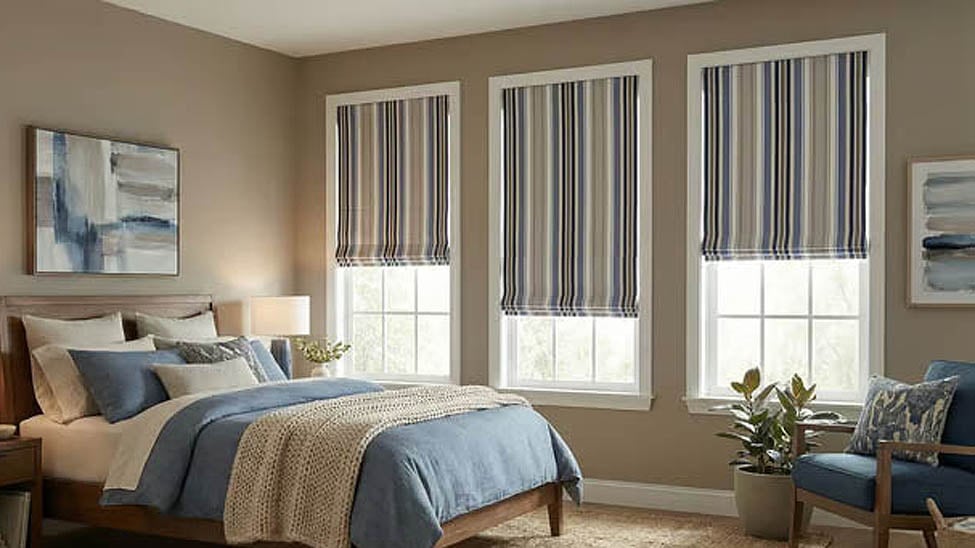
Slatted blinds do not seal as tightly as a fabric shade, so they insulate less than cellular, but they still block direct solar heat and add a layer the bare glass lacks. On the fabric side, a roman shade with a liner puts heavier material and a second layer at the window, and a blackout roller shade uses its dense, opaque fabric to cut solar heat gain in a clean, minimal profile.
Layering and timing for maximum savings
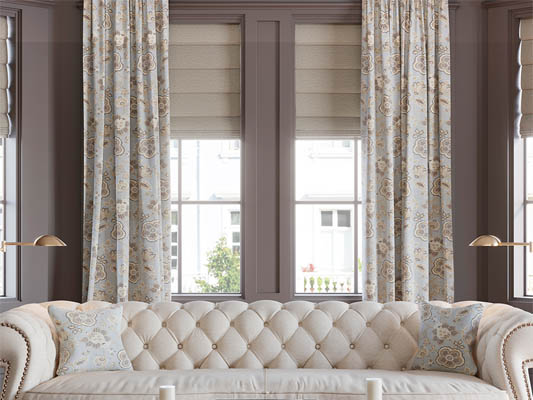
The single biggest gains rarely come from one treatment. Layering a functional insulating base, a cellular or solar shade, or an insulating blind, with a drapery panel over it adds a second barrier that cuts both heat loss and heat gain, especially in the rooms where comfort problems are worst. You supply the drapery over a Blindster shade, and the combination seals the window far better than either piece alone.
Timing matters just as much as hardware. In winter, open treatments on sunny days for free solar heat and close them at night to hold warmth in. In summer, close them during peak afternoon sun to keep rooms cooler. A motorized shade can run that routine on a schedule, so the savings happen whether or not you remember to adjust anything.
What about older, drafty windows
Drafty windows are the clearest case for the sealing approach, because the heat is not just radiating through the glass; it is leaking around the frame. Here the fix is a treatment that fits close and limits air movement at the opening. A tight custom fit with minimal side gaps helps, and an outside mount that overlaps the frame on all sides seals the edges better than an inside mount that leaves a gap. A snugly fitted cellular shade, or any insulating treatment layered with drapery, gives an old window the coverage it needs to stop being the coldest spot in the room.
Match the fix to the season and the window
Cellular shades deserve their reputation, but energy efficiency is not a single product; it is a match between the treatment and the problem. Insulate against winter heat loss, block summer heat gain with solar or exterior shades, seal drafty windows with a tight fit, and layer and time your treatments for the biggest combined savings. Browse the full range of energy-efficient shades and choose by the problem each window actually has.
FAQs
Which window treatments reduce heat loss the most?
Cellular shades lead, thanks to honeycomb cells that trap air and slow heat transfer, with double-cell versions insulating best. Layering a shade with drapery and sealing the edges with an outside mount pushes the savings further.
Do layered window treatments improve insulation?
Yes, noticeably. Pairing an insulating base like a cellular or solar shade with a drapery panel adds a second barrier that reduces both winter heat loss and summer heat gain, which is why layering delivers the biggest combined savings.
Can insulated window treatments lower energy bills year-round?
They can. A good insulating treatment slows heat escaping in winter and blocks solar heat gain in summer, easing the load on both your heating and cooling systems across the seasons rather than just one.
Are thermal curtains more effective than insulated blinds?
Not usually on their own. Loose curtain panels leak air at the edges, while a custom insulated shade fits tight to the opening and often matches or beats them. The best result comes from layering both, a sealed shade with drapery over it.
Which window treatments are best for older drafty windows?
Treatments that seal the opening. A snug custom fit, an outside mount that overlaps the frame, and a cellular or layered treatment all limit the air movement that makes old windows drafty, closing the gaps where heat actually escapes.
When should you open and close shades to save energy?
In winter, open them on sunny days for free solar heat and close them at night to hold warmth in. In summer, close them during peak afternoon sun to block heat gain. A motorized shade can automate the whole routine.
- Best Window Treatments for Home Energy Efficiency (Beyond Cellular Shades)Blinds, Shades & ShuttersHome Advice
- Types of Roman Shade Styles ExplainedBlinds, Shades & Shutters
- 7 Best Waterproof Blinds for Bathrooms & KitchenBlinds, Shades & Shutters
- How Long Do Blinds Last? Lifespan by MaterialBlinds, Shades & Shutters
- How to Choose the Right Faux Wood Blind ColorBlinds, Shades & ShuttersHow To