How Long Do Blinds Last? Lifespan by Material
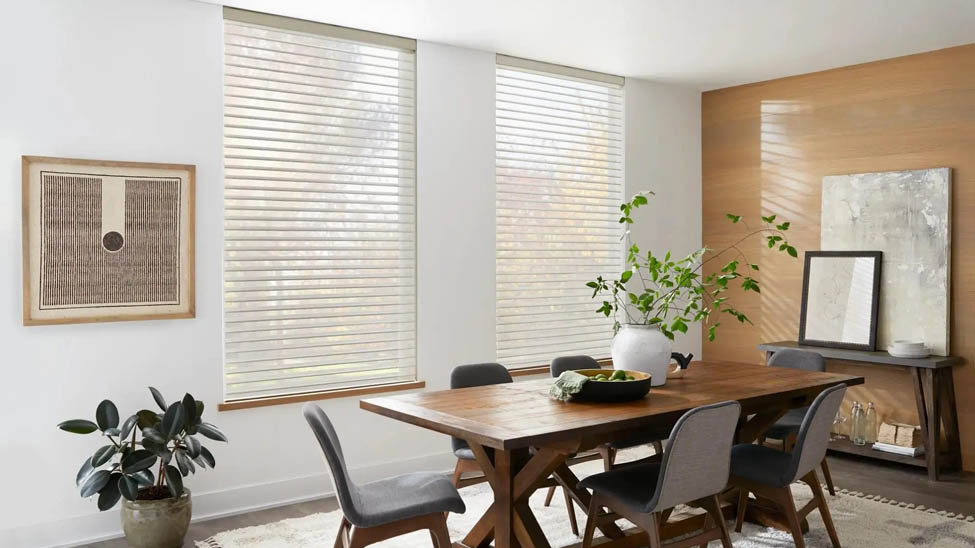
There is no single answer to how long blinds last, and anyone who gives you one flat number is guessing. A faux wood blind in a shaded hallway and a fabric shade in a west-facing sunroom can differ by a decade.
What actually sets the lifespan is the material you choose and the conditions it lives in, so the useful version of this question is: how long does your material last, in your room, with your habits?
How long blinds last, by material
Treat these as realistic industry ranges, not promises. The material sets the ceiling, and where you hang it decides how close you get.
- Faux wood and aluminum: the long haul. Made from PVC or metal, they resist moisture, warping, and daily knocks, and commonly last a decade or more with light care.
- Real wood: beautiful, with a caveat. Solid wood lasts many years in a dry, stable room, but humidity swings can warp and crack it, which shortens its life fast in a bathroom or kitchen.
- Roller shades: durable mechanism, fadeable fabric. The spring system holds up well, though the fabric may fade or wear before it does if it takes too much direct sun.
- Cellular and fabric shades: middle of the pack. Honeycomb and fabric shades typically run a handful of years, with the fabric showing wear before the lift fails.
- Vertical blinds: watch the track. The vanes last well if not treated roughly, but the carriers and track hardware are usually what need attention first.
The three things that actually shorten a blind's life
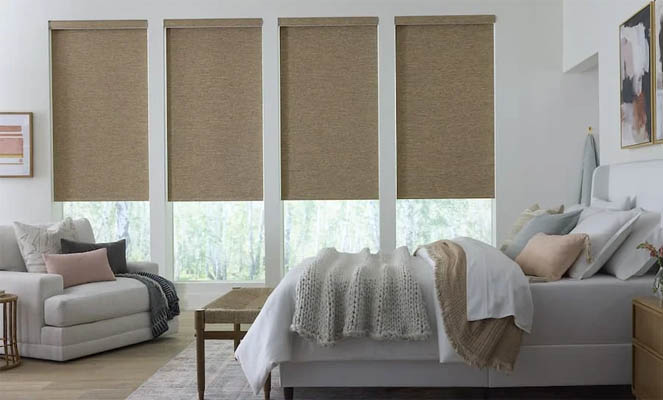
Material sets the range, and these three factors decide where in that range you land: all of them partly in your control. Sun and UV are the biggest agers of fabrics and finishes, since constant direct light fades color, weakens fibers, and can yellow or warp some materials over time. Moisture and humidity warp real wood and invite mildew on fabric, so in wet rooms a moisture-resistant material lasts far longer than one that absorbs water.
And build quality and fit quietly decide the rest, because thin slats, brittle tilt mechanisms, and fraying cords are the hallmarks of a blind built to a price, while a well-made blind cut to fit the window is not fighting its own frame every time you raise it.
Custom versus ready-made: Does it change the lifespan?
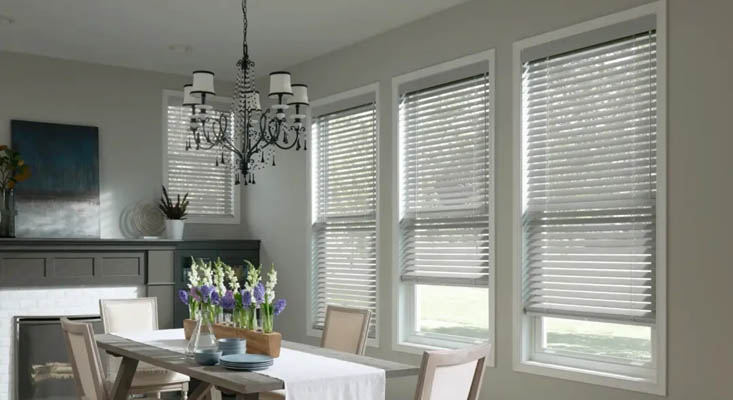
Fit matters more than most people expect. A ready-made blind trimmed to fake a fit puts uneven stress on the mechanism, while a shade built to the exact opening operates cleanly for longer. A custom faux wood blind is cut to your window, so the slats and lift are not carrying strain from a poor fit, and custom lines tend to use sturdier slats and mechanisms than the thin-stock versions sold to hit a low price. A fit guarantee is a lifespan feature in its own right, since Blindster remakes a shade for free if it does not fit, even after a measuring mistake, which means you start with a blind that actually suits the window. The honest caveat is that a cheap custom blind still ages faster than a quality one, so custom helps, but build quality is the real driver.
Signs it is time to replace, not repair
Blinds rarely fail all at once. They warn you first, and catching the signs early saves you from a shade that quits at the worst moment.
- Slats that are bent, cracked, yellowed, or permanently warped.
- A lift that sticks, slips, or will not hold position after a reset.
- Fabric that has faded unevenly, gone brittle, or started to fray.
- Older corded blinds with worn cords, which are worth replacing for safety alone.
- A roller shade or roman shade whose fabric looks tired even though the mechanism still works.
Choose a material that earns its keep
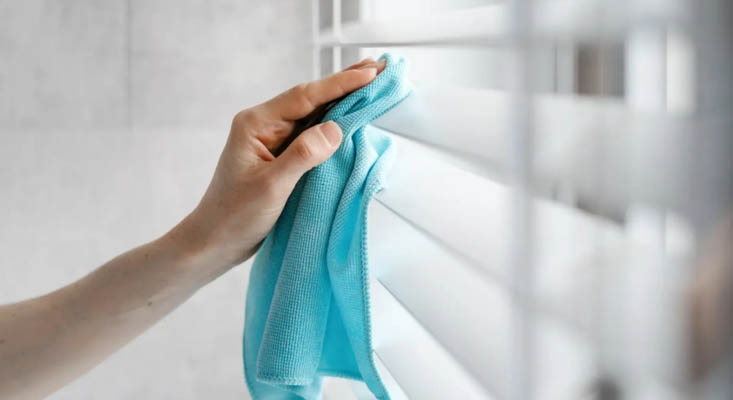
The blind that lasts is the one matched to its room: faux wood or aluminum where moisture and wear are constant, fade-resistant fabric where the sun is strong, and a quality build everywhere. Decide how hard the window works, then pick accordingly. Browse the range of custom window blinds and shades and choose a material built for how that window actually lives.
FAQs
What are the first signs that blinds need replacing?
Bent or discolored slats, a lift that no longer holds, and faded or fraying fabric. On older corded blinds, worn cords are reason enough to replace them for safety.
Which blind material lasts the longest?
Faux wood and aluminum. Their PVC and metal construction resists moisture, warping, and wear better than wood or fabric, which is why they commonly outlast other materials.
Does direct sunlight reduce the lifespan of blinds?
Yes, significantly for fabrics and finishes. UV fades color and weakens material over time, so sun-facing windows benefit from fade-resistant or moisture-resistant materials that hold up to the exposure.
Can regular maintenance extend the life of blinds?
Definitely. Routine dusting keeps grit out of the mechanism, gentle cleaning prevents buildup, and operating the blind correctly avoids strain. Simple care can add years to almost any material.
How long do custom blinds typically last compared to ready-made blinds?
A quality custom blind usually lasts longer, mainly because a precise fit avoids the stress a trimmed-down stock blind puts on its mechanism. Build quality still matters more than custom versus stock on its own.
Do cordless blinds last as long as corded ones?
Generally yes. Removing external cords eliminates a common failure point, so a well-made cordless blind often matches or beats a corded one. A cheap spring mechanism is the exception.
- 7 Best Waterproof Blinds for Bathrooms & KitchenBlinds, Shades & Shutters
- How Long Do Blinds Last? Lifespan by MaterialBlinds, Shades & Shutters
- How to Choose the Right Faux Wood Blind ColorBlinds, Shades & ShuttersHow To
- Best Blinds for Glare Control (Home Office & TV Rooms)Blinds, Shades & ShuttersHome Advice
- Smart Blinds: Alexa, Google Home & Smart Home CompatibilityBlinds, Shades & Shutters