Types of Roman Shade Styles Explained
Search "roman shade styles," and you get a glossary: flat, hobbled, relaxed, pleated, balloon, tulip, London. It reads like you need to memorize a catalog before you can buy a shade. You do not. Almost every one of those names is a variation on a much simpler set of choices, and one decision matters more than all the style labels combined. Sort that out first and the rest of the roman shade styles fall into place quickly.
The one style question that changes how you live with it
Before you pick a look, decide how the shade needs to work. This single split separates the styles that suit a window you actually operate from the ones that are mostly for show.
Functional folds. Flat, plain, and pleated styles raise and lower smoothly every day and can be motorized. These are what you want on windows you open and close, which is most of them.
Decorative folds. Relaxed, balloon, and tulip styles have to be hand-dressed each time they are raised, and they usually cannot be motorized. They look beautiful on a window that mostly stays put, and fussy anywhere else.
Get this right and you have already ruled out half the catalog. A busy kitchen window is not the place for a shade you have to fluff by hand.
The three fold families you will actually choose from
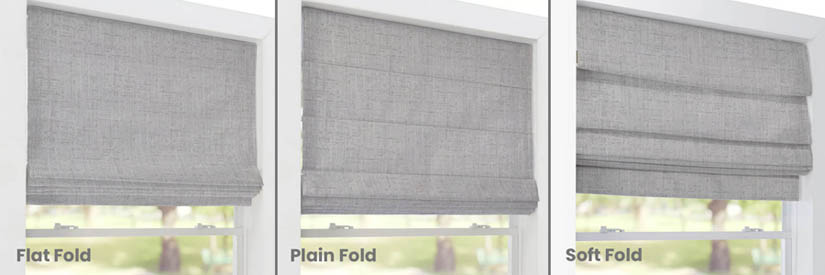
Strip away the marketing names and residential roman shade styles cluster into three fold families. Nearly every term you will read maps onto one of these, so this is the real menu.
Flat fold
A flat fold hangs as one smooth, uninterrupted panel when lowered and stacks into clean horizontal folds when raised. It reads modern and tailored, and because the front carries no seams, it is the style that shows off a bold print or a beautiful weave. A Premium Flat Fold Roman Shade is the pick when the fabric is the whole point.
Plain fold
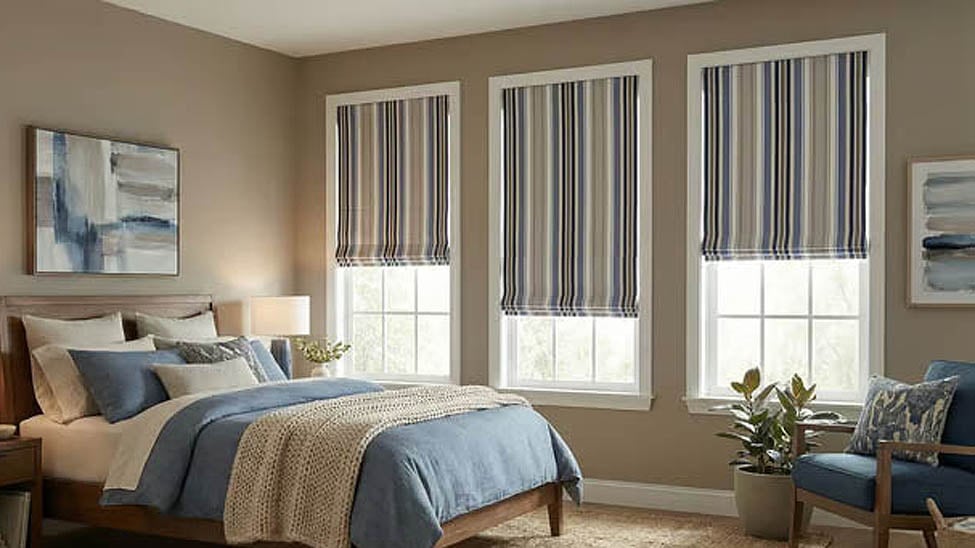
A plain fold also lies flat when lowered, but it forms structured, cascading folds as it rises. It is the classic, tailored look most people picture when they think roman shade, and it flatters solids and small textures. A Premium Plain Fold Roman Shade suits rooms that want a crisp, composed profile, and the LEVOLOR Plain Fold Roman Shade offers the same tailored fold with additional premium options.
Soft fold
A soft fold keeps gentle curves of fabric even when the shade is fully down, which is the billowy, drapery-like look people often call hobbled or relaxed. A Premium Soft Fold Roman Shade brings warmth and a softer edge to a room, and it pairs beautifully with lighter linens and silks.
How to match a style to the room
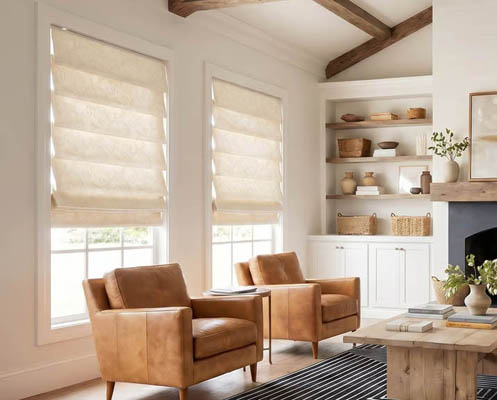
Fold family and room should agree with each other. The look that anchors a formal dining room can feel stiff in a sunroom, so let the space lead.
Modern and minimalist rooms: a flat fold keeps the line clean and lets a single fabric do the talking.
Formal and tailored rooms: a plain fold brings structure without fuss, which reads as considered rather than cold.
Cozy and traditional rooms: a soft fold adds the drape and volume that make a bedroom or sitting room feel finished.
Wide or hard-to-reach windows: any of the three works, but pairing a medium-weight fabric with a motorized lift keeps a large shade operating smoothly.
The practical details people forget
Style is not only about the look when the shade is down. A few details decide whether you love it a year later.
- Big patterns want a flat fold. Horizontal folds can hide parts of a large print when the shade is raised, so a seamless flat face keeps the design intact.
- Softer folds stack deeper. The extra fabric in a soft fold builds a thicker stack at the top and wants a bit more frame depth, so measure before you commit.
- More folds mean a little more light control. The added layers in a soft fold diffuse light slightly better than a flat panel, though the liner behind the fabric still does most of that work.
- Operation beats aesthetics on a working window. A gorgeous decorative style you never bother to raise is a worse choice than a plain fold you actually use.
Pick the fold that fits how you live
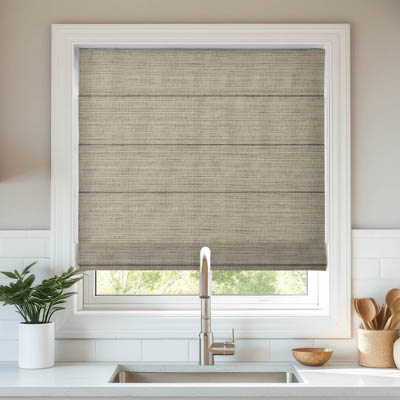
The prettiest shade is the one you still enjoy operating on an ordinary Tuesday. Decide whether the window needs a working shade or a decorative one, settle on flat, plain, or soft, then let the fabric follow. Browse the full range of custom roman shades and see how each fold reads in your space.
FAQs
Which Roman shade style looks most modern?
A flat fold. Its seamless, single-panel face is the cleanest, most contemporary of the roman shade styles, and it lets a modern fabric or pattern carry the room.
Do different Roman shade styles fold differently?
Yes, that is the whole distinction. A flat fold stacks in crisp horizontal folds, a plain fold cascades into structured folds, and a soft fold keeps gentle curves even when lowered.
Which Roman shade style is easiest to maintain?
A flat fold. Its smooth face collects less dust in the folds than deeper styles, and it raises and lowers without hand dressing, unlike decorative styles that need arranging each time.
Are relaxed Roman shades suitable for large windows?
They can look striking on a wide window, but relaxed styles need occasional hand shaping to hold their curve and usually cannot be motorized. For a large, frequently used window, a flat or plain fold is the more practical call.
Which style provides the cleanest appearance when raised?
A plain fold. It gathers into even, tailored folds that sit neatly at the top of the window, giving the most composed stack of the common styles.
Can Roman shades be motorized in any style?
Not any style. Functional folds like flat, plain, and soft folds motorize easily, while decorative styles like balloon folds that rely on hand dressing generally do not. If you want remote or app control, start with a functional fold.
- Best Window Treatments for Home Energy Efficiency (Beyond Cellular Shades)Blinds, Shades & ShuttersHome Advice
- Types of Roman Shade Styles ExplainedBlinds, Shades & Shutters
- 7 Best Waterproof Blinds for Bathrooms & KitchenBlinds, Shades & Shutters
- How Long Do Blinds Last? Lifespan by MaterialBlinds, Shades & Shutters
- How to Choose the Right Faux Wood Blind ColorBlinds, Shades & ShuttersHow To