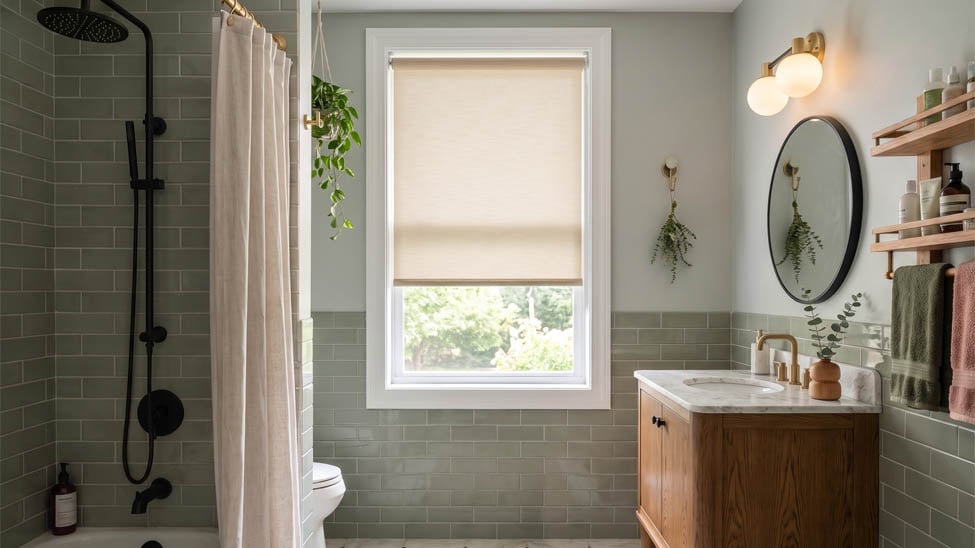
Best Window Treatments for Sunny Rooms
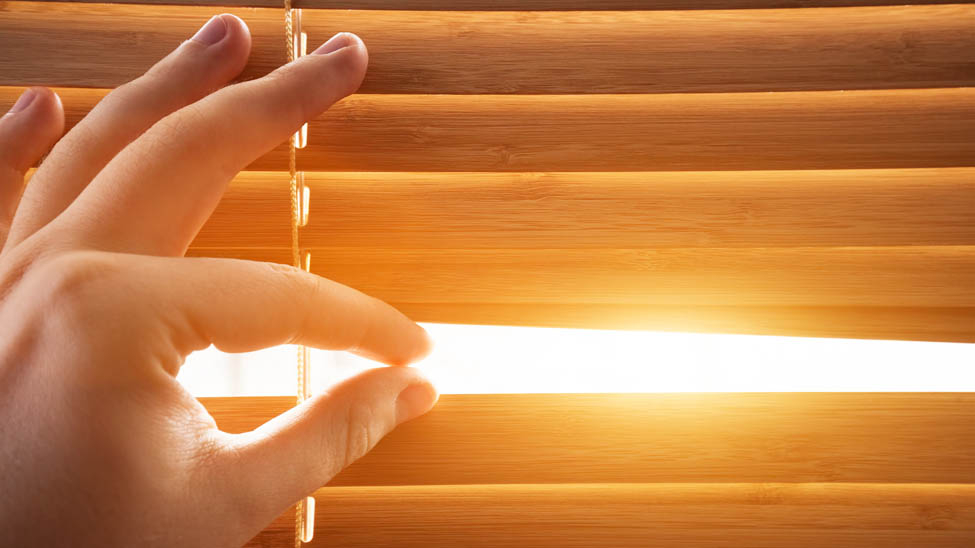
A sunny room is a gift right up until the afternoon, when the same light that drew you to the space turns into heat, glare, and slow fading of everything it touches. The best window treatments for sunny rooms have to solve all three of those problems at once, and the real trick is doing it without shutting out the daylight and view you wanted in the first place.
That rules out simply closing everything and sitting in the dark.
The three problems a sunny room creates
It helps to name what you are actually fighting, because one covering rarely handles all of it equally. First is heat, since windows drive a large share of a home's cooling load and account for roughly 25 to 30 percent of heating and cooling energy use. Second is glare, the harsh brightness that washes out screens and makes a room hard to relax in. Third is fading, the UV exposure that quietly bleaches floors, furniture, and art over months. The goal is a treatment that cuts heat, softens glare, and blocks UV while keeping the room bright and open.
Solar shades: the all-in-one fix
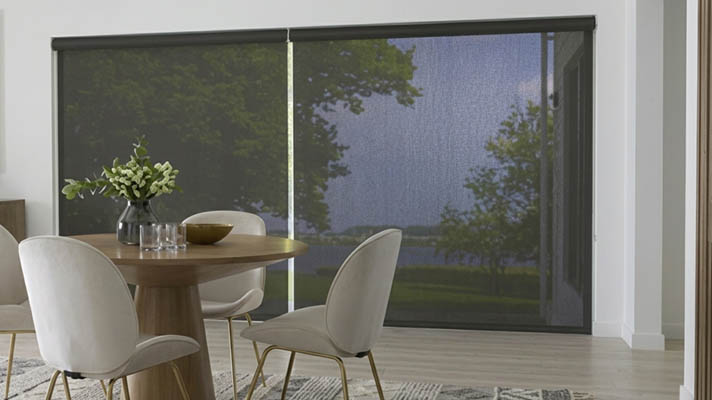
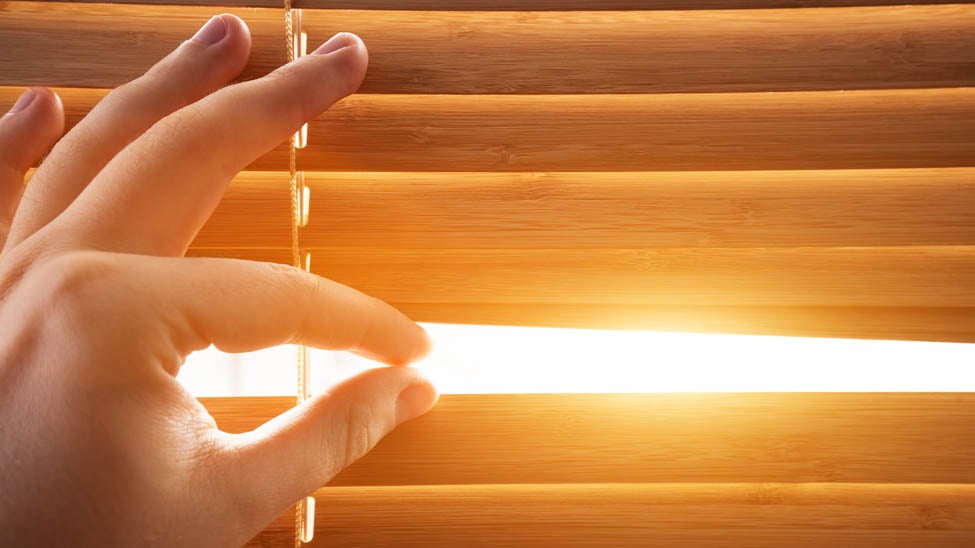
For most sunny rooms, solar shades are the closest thing to a single answer. They work like sunglasses for the window, using a uniquely woven fabric that intercepts the sun at the glass to cut heat and glare while preserving your view outside.
Solar shades are rated by openness factor, which lets you dial in the balance: a 5 percent fabric blocks around 95 percent of UV, a 10 percent fabric blocks about 90 percent while keeping a clearer view, and a lower openness cuts the most heat and glare. A motorized solar shade can even drop on a schedule ahead of the afternoon sun. One honest caveat: solar shades give daytime privacy only, and turn see-through at night once interior lights are on.
Cellular shades for the heat
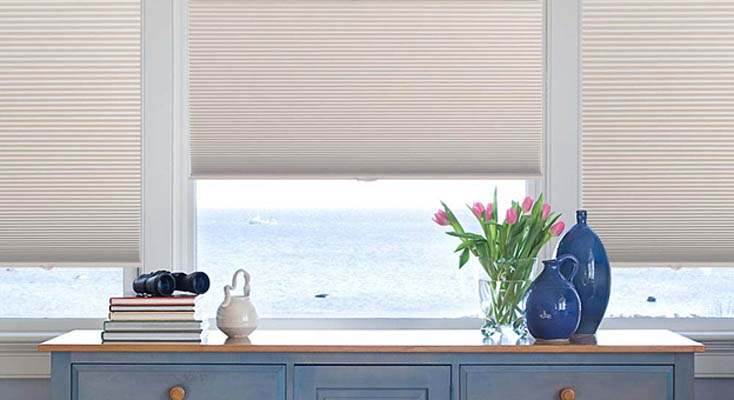
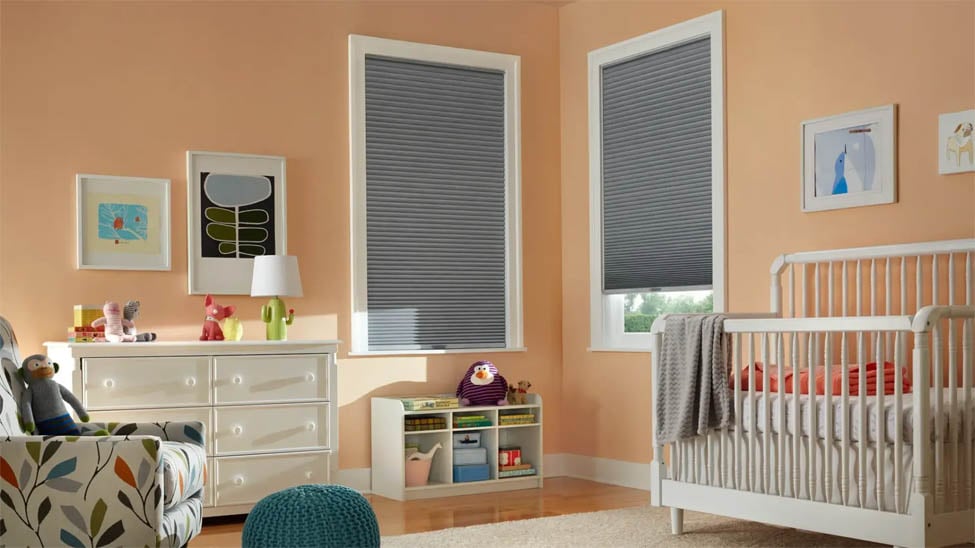
When heat is the bigger complaint, cellular shades are the specialist. Their honeycomb cells trap air to form an insulating barrier at the window, slowing the solar heat gain that makes a sunny room feel like a greenhouse in summer and helping hold warmth in winter. That makes a cellular shade a strong year-round choice for the sunniest rooms, and a top-down cellular shade lets you drop it from the top to keep the sun off seating while still pulling daylight in from above. Pairing an insulating cellular shade with a solar shade covers both the heat and the glare in a room that takes a beating all afternoon.
Protecting against fading
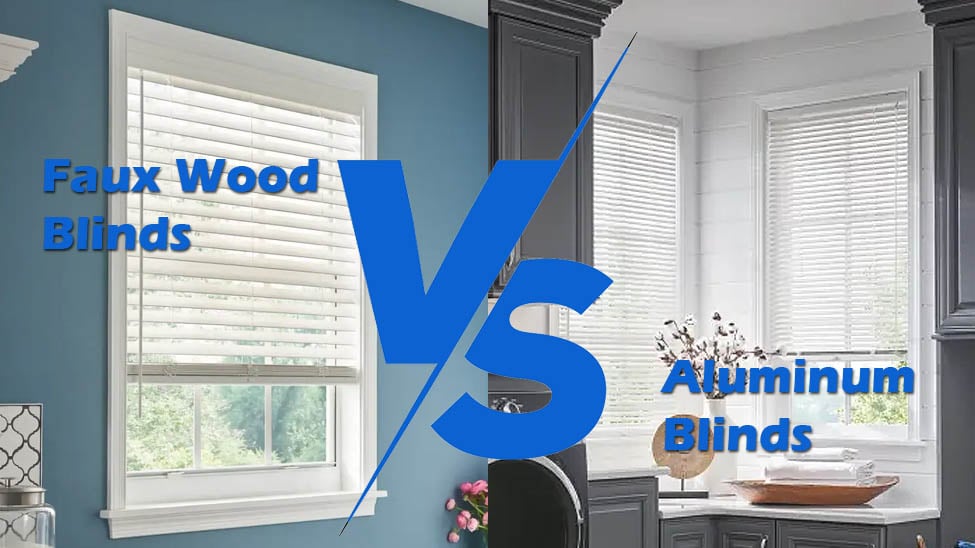
Fading is the slow damage that is easy to ignore until a rug or sofa has visibly bleached. Because solar shades block the majority of UV while barely dimming the room, they double as fade protection for the furnishings a bright room puts at risk. Material choice matters on the hard-covering side too. A faux wood blind resists the warping and discoloration that real wood suffers under constant sun, which makes it a durable pick for a sunroom or a south-facing wall. Lighter fabric colors also help, since they reflect more heat than dark ones absorb.
Flexibility for changing light
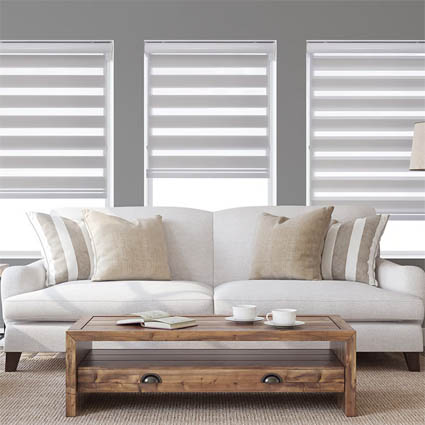
Because the sun moves, some rooms want a treatment that adjusts with it rather than one fixed setting. Zebra or dual shades pair alternating sheer and solid bands, so aligning the sheer bands gives you a filtered view and shifting the solid bands over them gives privacy, all without raising the shade. For a room used into the evening, the cleanest approach is layering: a solar or light-filtering roller shade as the functional base that handles heat and glare by day, with drapery over it for full privacy after dark.
Tame the sun without losing the light
A bright room does not have to be a hot, glaring, fading one, and it does not have to go dark to be comfortable. Reach for solar shades to handle heat, glare, and UV in one move while keeping the view, add cellular shades where heat is the main problem, and choose fade-resistant materials to protect what the sun would otherwise bleach. Browse solar shades and cellular options and match the fabric to how the room takes its sun.
FAQs
How do you block heat without blocking daylight?
Solar shades cut solar heat gain and glare while keeping the room bright and the view intact, and cellular shades insulate against heat through their honeycomb cells. Either option lets you tame the heat without darkening the space.
Do solar shades protect furniture from UV fading?
Yes. Solar shades block the majority of UV rays, often around 90 to 95 percent depending on openness, which slows the fading of floors, furniture, and art while still letting daylight and the view through.
How do you reduce glare in a bright room?
A solar shade or a light-filtering shade diffuses the harsh direct sun into softer light, cutting glare without going dark. A lower openness factor on a solar shade handles the worst glare while keeping some view.
Are dual shades good for sunny living rooms?
They are, because their sheer and solid bands let you tune light and privacy as the sun moves without raising the shade. That flexibility suits a living room where the glare changes through the day.
Which materials resist fading?
Solar screen fabrics are made to resist UV and hold up under constant sun, and faux wood resists the warping and discoloration that fade real wood. Lighter colors also fade less and reflect more heat than dark ones.
Do solar shades work at night in a sunny room?
Only for glare and heat, not privacy. After dark, with interior lights on, a solar shade becomes see-through from outside. For nighttime privacy, pair it with drapery or a light-filtering shade.
- Do You Need Blackout Curtains or Shades for a Nursery?Blinds, Shades & ShuttersCommon Questions
- Best Window Treatments for Sunny RoomsBlinds, Shades & Shutters
- Best Fabrics for Roman Shades: How to Choose the Right MaterialBlinds, Shades & ShuttersHow To
- Faux Wood vs Aluminum Blinds: Which is Better?Blinds, Shades & Shutters
- Best Roller Shades for Kitchens & BathroomsBlinds, Shades & Shutters