How Long Do Outdoor Bamboo Blinds Last?
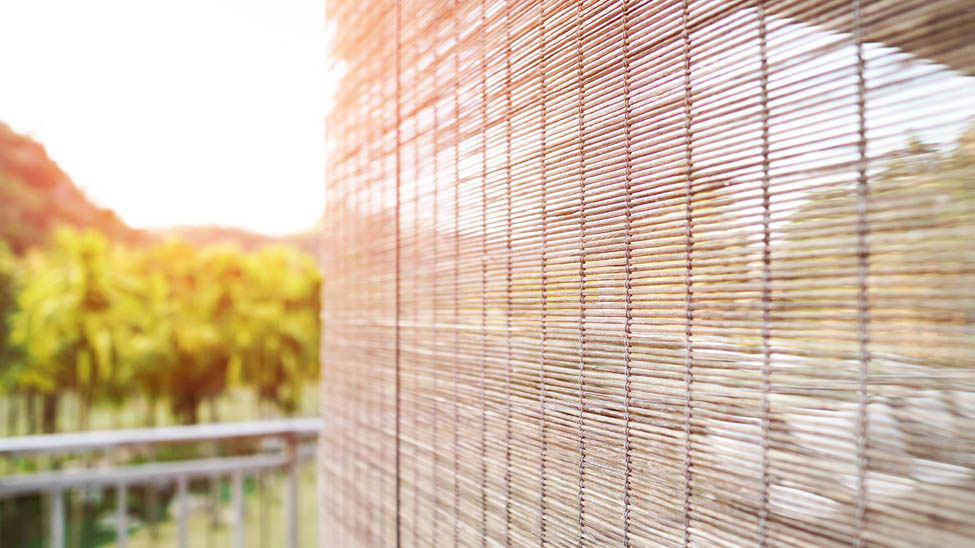
So you're thinking about bamboo blinds for your outdoor space. Smart choice—they look great, they're natural, and honestly, they just make a patio feel more... complete. But here's the thing everyone wants to know before dropping money on window treatments: how long will they actually last?
The short answer? Most outdoor bamboo blinds last several years, typically between 3-7 years with proper care, though individual results vary based on conditions. That range is pretty wide, right? That's because the lifespan depends on a bunch of factors—where you live, how much weather they face, and how well you take care of them.
What Affects How Long Bamboo Blinds Last Outdoors
The biggest factor is exposure. Bamboo blinds hanging on a covered porch in Oregon are going to have a different life than ones facing direct sun and rain in Arizona or Florida. Makes sense when you think about it.
UV rays break down the natural fibers over time. Rain, snow, humidity—all of those take their toll too. If your blinds get soaked regularly and don't have time to dry out, that's when you start seeing problems with mold or warping.
Wind matters more than people realize. Strong gusts can cause the blinds to bang against the wall or frame, which loosens the hardware and frays the edges. Not immediately, but over months and years? Yeah, it adds up.
The Quality of the Bamboo Makes a Difference
Not all bamboo is created equal. The thickness of the slats, how tightly they're woven, the quality of the cord—these things matter. Cheaper versions might look fine at first but start showing wear within a year or two.
Higher-quality bamboo shades use thicker reeds and better UV-resistant coatings. Some are treated with protective sealants that help repel moisture. If you're buying from a place like Blindster that specializes in custom window treatments, you're typically getting quality construction from retailers who focus on these products specifically.
The mounting hardware counts too. Stainless steel or rust-resistant materials will outlast standard metal hardware that corrodes in outdoor conditions.
Signs Your Bamboo Blinds Are Wearing Out
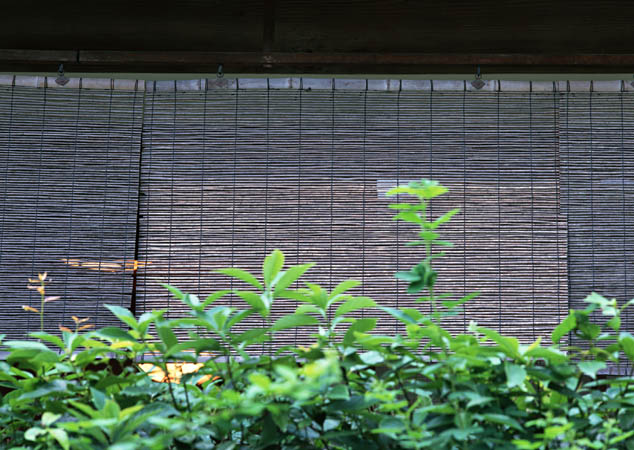
You'll notice the color fading first. That warm honey or espresso tone starts looking washed out and grayish. That's sun damage, and it's mostly cosmetic at first—the blinds still function fine.
Then you might see the edges fraying. Little pieces of bamboo breaking off. The cords getting brittle or snapping. Once you're at that point, you may have limited time left before replacement becomes necessary, depending on how bad it gets.
Mold or mildew is the other red flag. Small spots are manageable with cleaning, but if it keeps coming back or spreads, the bamboo has absorbed too much moisture. That weakens the structure.
Ways to Make Them Last Longer
Always check manufacturer care instructions first, but generally, regular cleaning helps a lot. Just hosing them down once a month removes pollen, dust, and salt buildup (if you're near the coast). Let them dry completely before rolling them back up—never store them damp.
Bringing them in during harsh weather extends their life significantly. If you know a major storm is coming, take five minutes to pull them down and store them inside. Same with winter if you live somewhere with heavy snow and ice.
Some homeowners apply UV-protective sprays designed for natural materials, though check compatibility with your specific product first. This can slow down sun damage when done correctly.
Check the hardware periodically. Tighten loose screws, replace corroded parts before they fail completely. Small fixes prevent bigger problems.
When Covered Patios Make a Difference
Bamboo blinds under a solid roof or deep overhang last noticeably longer—potentially many years beyond what you'd get with full exposure. The roof blocks most direct rain and reduces UV exposure by a good margin.
Even a partial covering helps. If your blinds only get morning sun instead of all-day exposure, that's less wear. Same with afternoon shade from trees or nearby buildings.
Comparing Outdoor Bamboo to Other Materials
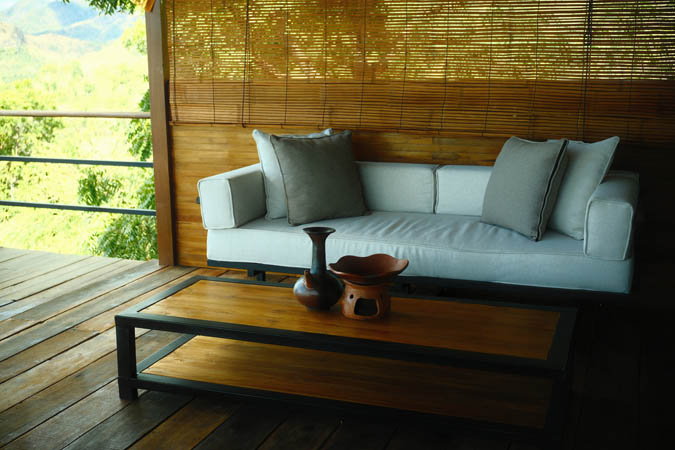
In many climates, bamboo holds up well compared to fabric-based outdoor shades. Fabric can fade faster and tear more easily in wind. Synthetic options may offer longer lifespans, though the exact duration depends on the specific materials and quality.
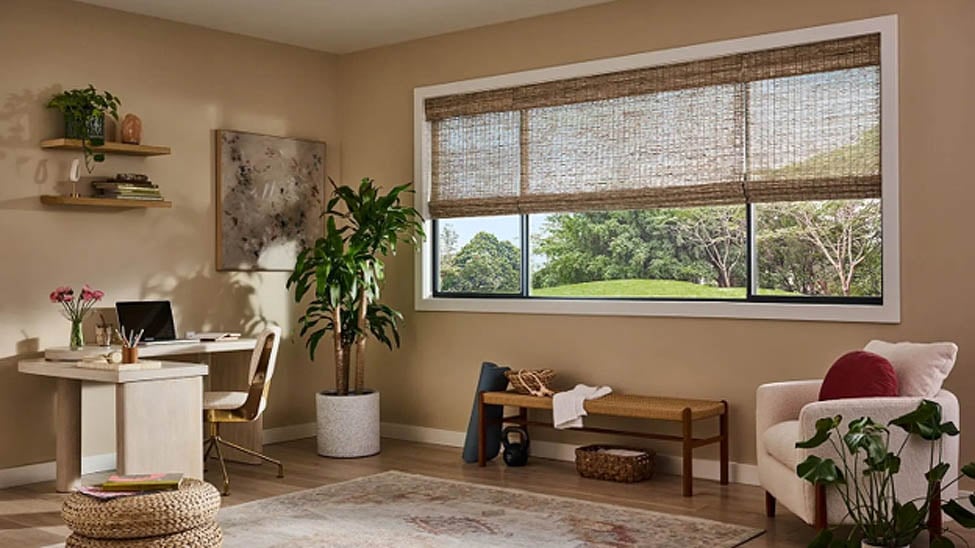
The trade-off is aesthetics. Bamboo has that organic look and feel that you just can't get with plastic or PVC. It filters light beautifully instead of blocking it completely. So yeah, you might replace them a bit sooner, but they look better doing their job.
Understanding Natural Material Limitations
Bamboo is wood. It expands and contracts with temperature and humidity changes. It dries out in intense heat and absorbs moisture in humid conditions. That's just how natural materials behave—there's no way around it.
Some people see this as a drawback, but honestly, it's part of the appeal. The blinds develop character over time. The color shifts slightly, the texture becomes more weathered. If you like that lived-in, natural look, aging bamboo blinds fit right in with outdoor decor.
The bamboo used in exterior shades from quality manufacturers is harvested and processed to be more stable than raw bamboo, but it's still organic material with organic material quirks.
Cost vs. Longevity: Is It Worth It?
Here's the math that matters. The annual cost breaks down reasonably when you factor in daily use—something you interact with regularly that provides privacy, shade, and looks good. Prices vary based on size, quality, and where you buy them.
Compare that to replacing cheaper versions every couple years. You end up spending more over time, plus dealing with the hassle of shopping and installing more frequently.
Installation Location Matters More Than You'd Think
South and west-facing installations get hammered by afternoon sun—expect shorter lifespans there. North and east-facing spots are gentler, especially if you get morning light but afternoon shade.
Pool areas and near hot tubs create extra humidity. Beach houses deal with salt air. Mountain locations have intense UV at higher elevations. All of these environmental factors shorten the timeline.
Maintenance Really Isn't That Hard
People overthink this. Clean them occasionally, keep them dry when possible, bring them in during brutal weather. That's basically it. You're not signing up for some intensive upkeep routine.
The biggest mistake is ignoring them completely until they're falling apart. A little attention throughout the year prevents premature replacement.
What About Warranties and Guarantees?
Many manufacturers offer limited warranties on their bamboo products, often covering defects but not normal wear from weather exposure. Check with your specific manufacturer for warranty details and what's actually included.
Quality retailers stand behind their products even beyond formal warranty periods. If something fails way earlier than it should, they'll often work with you on a solution.
The Bottom Line on Lifespan
Actual lifespan varies significantly based on climate, exposure, and maintenance—that's the reality. Closer to the shorter end if you're in harsh conditions with minimal protection and zero maintenance. Closer to the longer end if you're in a moderate climate with good coverage and you actually take care of them.
That might seem uncertain compared to some other outdoor products, but bamboo brings benefits those alternatives don't—natural beauty, light filtration, texture, warmth. For a lot of people, that's worth replacing them every few years.
Just go in with realistic expectations. Outdoor bamboo blinds are a semi-permanent solution, not a buy-it-once-and-forget-it product. Treat them reasonably well, and they'll serve you for several good years.
- The Best Dust-Resistant Blinds for Cleaner Homes & Less AllergiesBlinds, Shades & ShuttersHome Advice
- How Classic Value Faux Wood Blinds Compare to Real Wood and Faux Wood OptionsBlinds, Shades & Shutters
- Best Window Treatments for Living Rooms: Style, Light, and Privacy GuideBlinds, Shades & ShuttersDesign & Decor
- What Cell Size Do I Need? Cellular Shade Sizes ExplainedBlinds, Shades & Shutters
- How to Choose the Perfect Bamboo Shades for Your HomeBlinds, Shades & ShuttersHow To