Best Blinds for Mid-Century Modern Homes
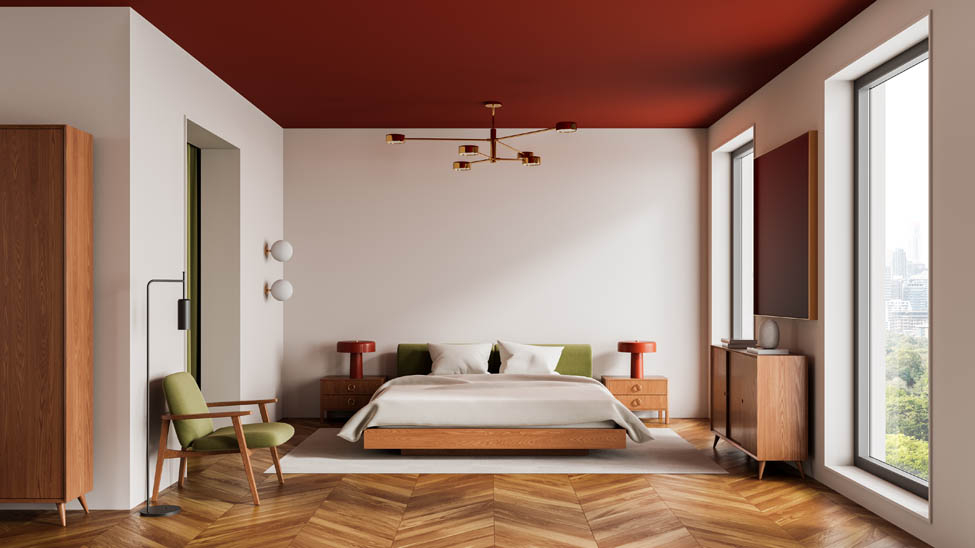
Mid-century modern design has this way of sticking around. It popped up in the 1950s and 60s, and somehow, decades later, people are still obsessed with it. There's something about the clean lines, the warm wood tones, and that whole "less is more" philosophy that just... works. But here's the thing. You can nail the furniture, get the perfect Eames chair replica, find an incredible credenza, and then completely mess it up with the wrong window treatments.
Window blinds might seem like an afterthought. They're functional, right? Just something to block the sun and keep your neighbors from seeing you eat cereal at 2 PM. But in a mid-century modern space, the wrong blinds can throw off the entire vibe. Too ornate, and it clashes. Too bland, and it looks like you just gave up.
So let's talk about what actually works.
What Makes Mid-Century Modern Design Tick?
Before picking out blinds, it helps to understand why mid-century modern looks the way it does. The designers of that era were reacting against all the fussy, overly decorated stuff that came before. They wanted furniture and interiors that were functional, affordable, and honest about their materials.
You'll notice a lot of organic shapes mixed with geometric forms. Think tapered legs on furniture, starburst clocks, and those iconic sunburst mirrors. Natural materials show up everywhere, especially wood, leather, and textiles with subtle textures. The color palette tends to lean warm and earthy, with pops of mustard yellow, avocado green, or burnt orange if you're feeling bold.
The windows in mid-century homes are often a big deal too. Architects from that period loved bringing the outdoors in, so you'll see large picture windows, floor-to-ceiling glass, and sliding doors connecting living spaces to patios or gardens. That means whatever window treatments you choose need to work with some pretty substantial glass real estate.
Why Blinds Work So Well in Mid-Century Modern Spaces
Here's where blinds really shine. Unlike heavy drapes or elaborate curtains, blinds have that stripped-down, functional quality that mid-century design celebrates. They do their job without demanding attention. You can control light precisely, adjust privacy as needed, and when they're open, they practically disappear.
The horizontal lines of traditional blinds also echo the low, linear silhouettes of mid-century furniture. Everything stays cohesive. There's a rhythm to it.
That said, not all blinds are created equal for this aesthetic. Some styles fit the vibe perfectly while others... not so much.
Wood Blinds: The Natural Choice
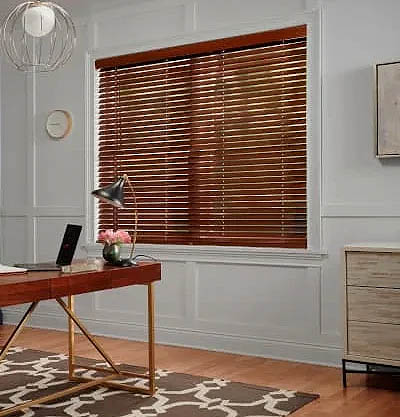
If you want to play it safe (in a good way), wood blinds are probably your best bet. They bring warmth, texture, and that organic element that mid-century design loves. The horizontal slats complement the linear nature of the furniture, and the natural grain adds visual interest without being distracting.
Blindster offers wood blinds made from kiln-dried basswood, which keeps them lightweight and durable. You can find them in a range of stains, from lighter tones to deeper finishes. For a mid-century modern space, something in the medium-warm range tends to work well. Think Honey Oak, Warm Oak, or Golden Oak. If you want something richer, Dark Walnut or Chestnut can pair nicely with teak furniture and those warm leather sofas that are so popular in this style.
The slat width matters too. Standard 2-inch slats have a classic feel, while 2.5-inch or wider slats can look a bit more contemporary and provide better views through the window. For a true mid-century vibe, the 2-inch option usually hits the right note.
One thing to keep in mind: real wood blinds don't love humidity. If you're outfitting a bathroom or kitchen, you might want to consider an alternative.
Faux Wood Blinds: Same Look, Less Maintenance
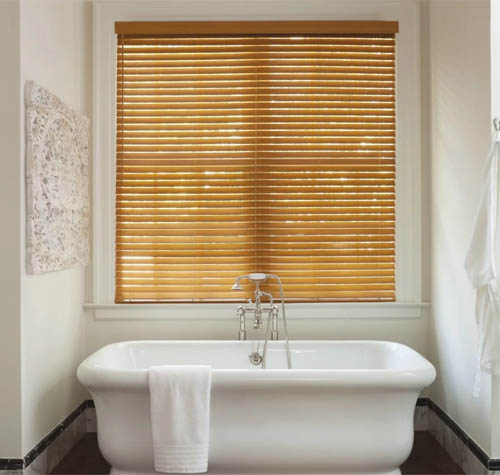
Speaking of alternatives. Faux wood blinds give you that same warm, natural appearance without the moisture sensitivity. They're made from materials that resist warping and discoloration, making them a solid pick for any room in the house.
For a mid-century modern home, faux wood blinds work particularly well in spaces where you want the aesthetic consistency of wood throughout, but need something more practical. The look is remarkably similar to real wood these days, and unless someone is really inspecting your windows up close, they won't notice the difference.
They're also a bit easier on the budget, which, let's be honest, matters when you're outfitting multiple windows. If you're unsure about colors, Blindster offers free samples so you can see the actual finishes before committing.
Roller Shades for That Streamlined Vibe
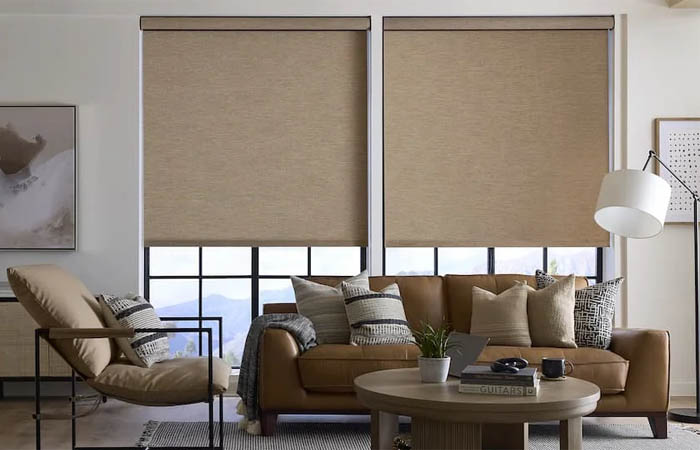
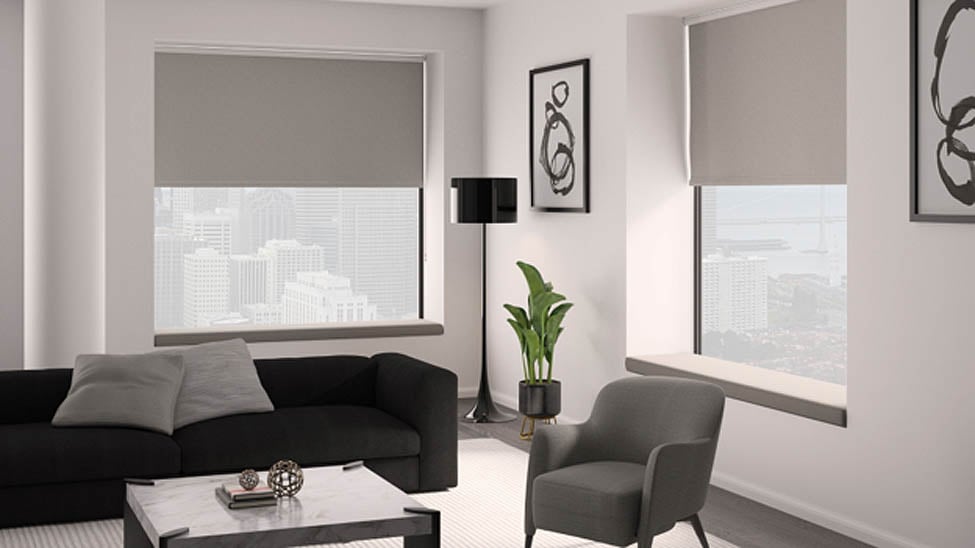
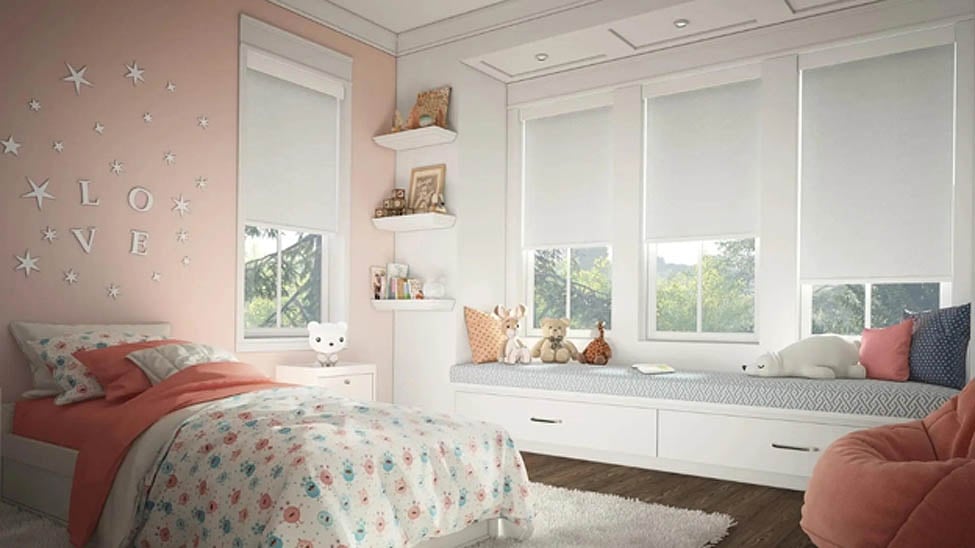
Roller shades are about as minimalist as window treatments get. They roll up neatly when you don't need them and lay flat against the window when you do. No fuss, no extra visual noise.
For a mid-century modern space, roller shades in a neutral fabric can look incredibly sleek. Think oatmeal, warm gray, or soft white. The simplicity lets your furniture and decor do the talking while still providing the light control you need.
The Deluxe Fabric Roller Shades have a subtle woven texture that gives them a soft, linen-like appearance while being durable and easy to clean. That textured quality adds just enough visual interest without competing with everything else in the room.
Solar shades are a particularly interesting option here. They're made with a unique woven fabric that filters sunlight while still allowing you to see outside, which aligns perfectly with that mid-century goal of blurring the line between indoor and outdoor spaces. If you have a great view or a backyard you spent way too much money landscaping, solar shades let you enjoy it while cutting down on glare and heat.
Cellular Shades: Form Meets Function
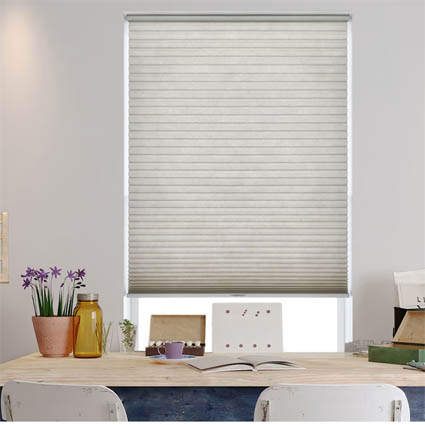
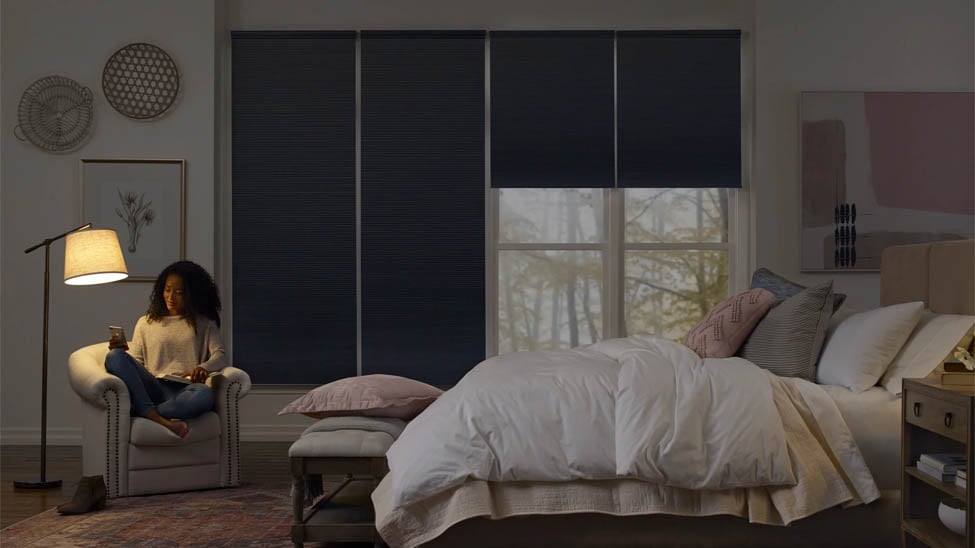
Cellular shades, sometimes called honeycomb shades, have this pleated structure that creates air pockets. Those pockets act as insulation, helping regulate temperature and potentially lowering your energy bills. The mid-century designers would have appreciated that kind of practical thinking.
Visually, cellular shades have a clean, geometric quality that can complement the angular shapes found in mid-century furniture and architecture. They stack neatly when raised and provide a uniform appearance when lowered.
For color, stick with the same warm neutrals that work throughout the mid-century palette. Crisp white can work in the right context, but warmer tones tend to feel more cohesive. Blindster has cellular shades in single-cell and double-cell options, with the double-cell providing more insulation if that's a priority.
The light-filtering versions are particularly nice for living spaces where you want soft, diffused natural light during the day.
Vertical Blinds for Larger Windows
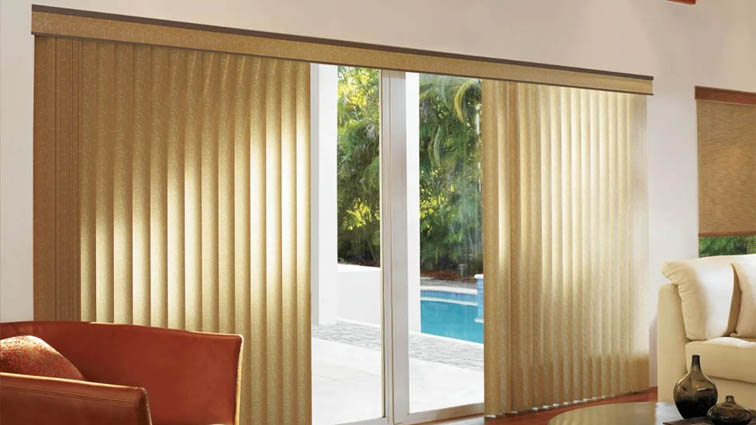
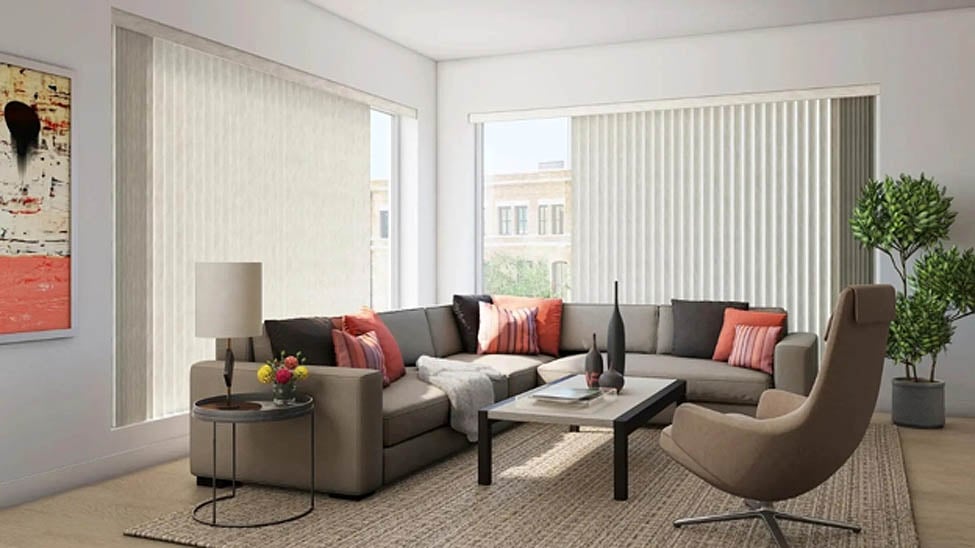
Those big, beautiful windows that mid-century architects loved? Vertical blinds handle them gracefully. They're especially practical for sliding glass doors, which show up in a lot of mid-century homes connecting living rooms to outdoor patios.
Vertical blinds get a bad rap because they're associated with dated office buildings and 90s apartments. But the right vertical blinds, in the right material and color, can look surprisingly sophisticated. Blindster offers fabric verticals in a range of colors and textures for a softer look. Faux wood verticals are another option if you want to maintain visual consistency with faux wood blinds elsewhere in the house. PVC verticals work well for high-traffic areas where durability is the priority.
The key is avoiding anything too shiny or cheap-looking. Quality matters here more than with smaller window treatments because vertical blinds cover a lot of visual space.
Cordless and Motorized Options
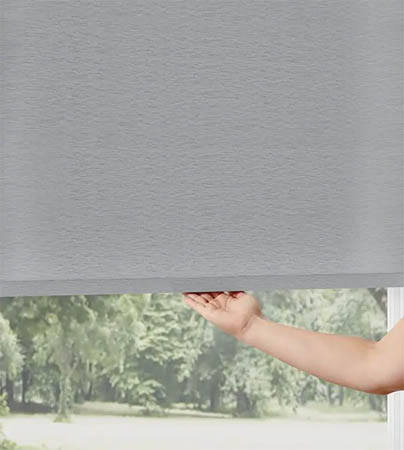
Here's something worth considering, especially if you have kids, pets, or just appreciate a clean look. Cordless blinds eliminate dangling cords entirely. You raise and lower them by pushing or pulling the bottom rail. Simple, safe, and you get that uncluttered aesthetic that mid-century design values.
Motorized options take it a step further. With a remote control, you can adjust your blinds without getting up from your Noguchi coffee table. It's practical for hard-to-reach windows and, let's be real, it feels pretty fancy. Blindster offers motorized versions across several product lines, and the rechargeable batteries last for months between charges.
Colors and Finishes That Work
Getting the color right is half the battle. Mid-century modern interiors tend to favor:
Warm wood tones like walnut, teak, oak, and pecan. These feel authentic to the era and complement vintage furniture.
Earthy neutrals such as cream, tan, warm gray, and soft brown. They provide a backdrop without competing for attention.
Bold accent colors including mustard yellow, olive green, burnt orange, and teal. These work best as pops, not as the primary blind color. Maybe in a small bathroom or a kid's room, but proceed with caution.
What to avoid? Cool grays, stark whites, and anything too contemporary or industrial. Black blinds can work in very specific contexts, but they often feel too harsh for the warm mid-century aesthetic.
What to Skip
Some window treatment styles just don't fit the mid-century vibe, no matter how hard you try.
Heavy drapes with elaborate patterns or tassels are a no. They're too formal, too fussy, and they block the connection between indoor and outdoor spaces that mid-century design values.
Overly ornate valances clash with the simplicity of the aesthetic. If you use a valance at all, keep it minimal.
Busy prints and bold patterns on window treatments compete with your furniture and decor. Mid-century modern already has plenty of visual interest happening. Your blinds should support, not distract.
Aluminum mini blinds in stark silver or white can look cold and office-like. They lack the warmth that defines this style.
Making the Right Call
Choosing blinds for a mid-century modern home comes down to a few principles. Favor natural materials or convincing alternatives. Stick with clean lines and simple mechanisms. Keep colors warm and grounded. And always consider how the blinds will interact with the rest of your space.
The good news is that mid-century modern is a pretty forgiving style when you understand its foundations. It's not about recreating a 1960s time capsule. It's about capturing that spirit of thoughtful, functional design that happens to look really, really good.
Whether you go with classic wood blinds, practical faux wood, streamlined roller shades, or energy-efficient cellular options, the right window treatments will tie your space together without demanding attention. And that's exactly what great design should do.
- Standard vs Reverse Roll Roller Shade: Differences & How to ChooseBlinds, Shades & Shutters
- When to Repair vs Replace Your Window TreatmentsBlinds, Shades & ShuttersCommon Questions
- Common Mistakes When Ordering Blackout Shades (and How to Avoid Them)Blinds, Shades & ShuttersCommon Questions
- Are Vertical Blinds Still in Style?Blinds, Shades & ShuttersDesign & Decor
- Are Plantation Shutters Still in Style in 2026?Blinds, Shades & ShuttersCommon Questions