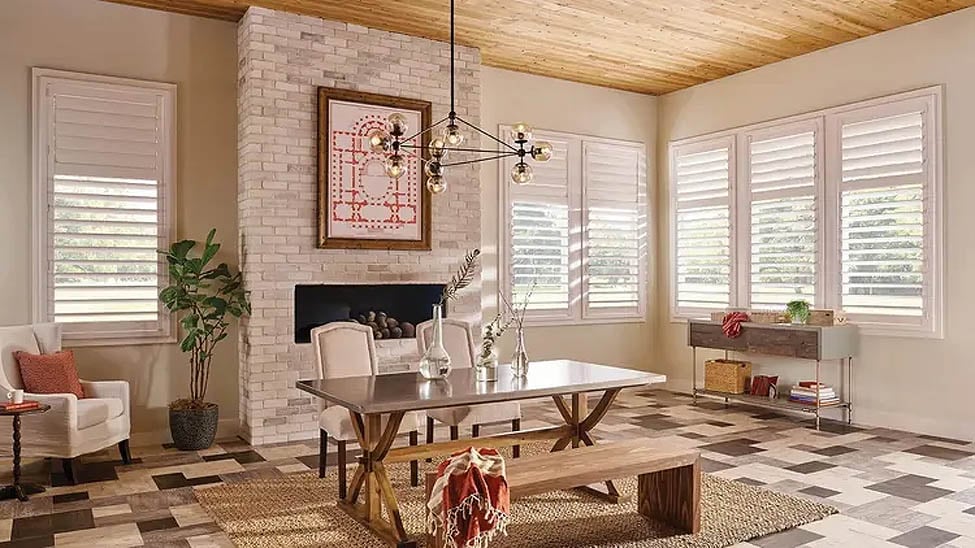
Save Money This Winter With Insulating/Energy-Efficient Shades
Winter hits different when you're the one paying the heating bill. That thermostat is creeping up, the furnace is running nonstop, and then the energy bill arrives, and you're doing mental math trying to figure out where all that money went. Sound familiar?
Here's the thing, though. A huge chunk of the heat your HVAC system works so hard to produce? It's literally escaping through your windows. We're talking somewhere around 25 to 30 percent of residential heating energy, according to the U.S. Department of Energy. That's not a small leak. That's a full-on energy drain happening right in plain sight.
The good news is you don't need to rip out your windows and install triple-pane glass to fix this. There's a much simpler solution sitting right there on your window frame, or at least there could be. Insulating shades. Energy-efficient window treatments. Whatever you want to call them, they work. And honestly, the difference they make might surprise you.
How Heat Escapes Through Your Windows

Okay, so quick science lesson, promise I'll keep it short. Windows are typically the weakest point in your home's thermal envelope. Even if you've got decent insulation in your walls and attic, those glass panes are doing their own thing.
Heat transfer happens in a few ways. Conduction is when heat moves through the glass itself because glass is a pretty good conductor. Radiation is the warmth from inside your home, literally radiating out through the window. And then there's convection, which is the air movement that happens when warm indoor air hits the cold glass, cools down, and sinks, creating drafts.
Single-pane windows are the worst offenders here, but even double-pane windows lose heat. And if your windows are older or the seals are starting to fail, you're looking at even more energy slipping away.
This is where window treatments come in. The right shades act as an extra barrier between your heated indoor air and that cold glass. They trap air, reduce convection currents, and slow down heat loss. It's not rocket science, but it is effective.
What Makes a Shade "Energy Efficient"
Not all window coverings are created equal when it comes to insulation. A thin decorative curtain might look nice, but it's not doing much for your heating bill. What you want is something with actual thermal properties.
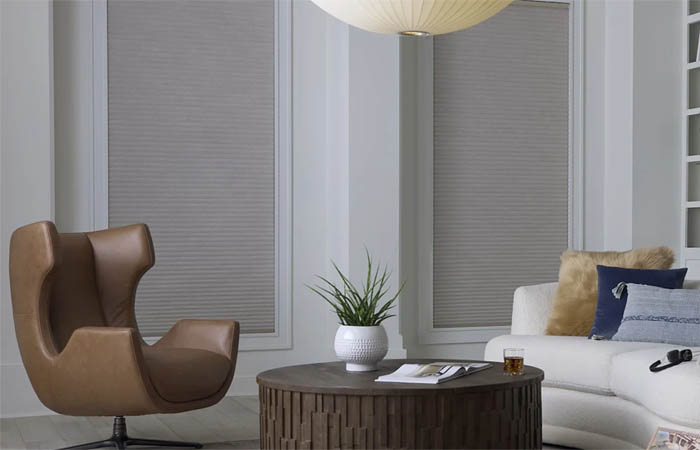
The gold standard here is cellular shades, also called honeycomb shades. The design is pretty genius, actually. These shades have a unique cell structure that traps air in pockets. That trapped air creates a buffer zone that slows heat transfer in both directions. In winter, it keeps warm air inside. In summer, it blocks hot air from getting in.
Single-cell shades work well for moderate climates, but if you live somewhere that gets genuinely cold, double-cell shades are worth considering. More cells means more air pockets, which means better insulation. The U.S. Department of Energy notes that tightly installed cellular shades can reduce heat loss through windows by up to 40 percent, which is a significant improvement over bare windows.
Roman shades with thermal lining are another solid option. The fabric layers add insulation, and when closed, they create a barrier against drafts. They're a bit more decorative than cellular shades, so if aesthetics matter to you, this might be the move.
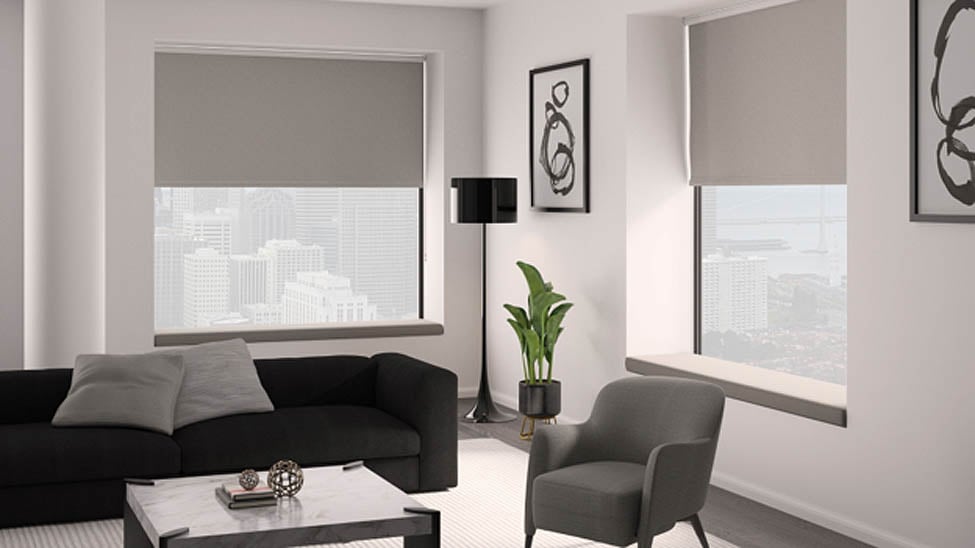
Solar shades can also contribute to energy efficiency, by helping to reduce temperature increases by blocking most of the heat-gaining UV rays during warmer months. The added bonus is that you can still see through the shades so you don't lose your view.
Why Proper Fit Matters More Than You Think
Here's where a lot of people go wrong. They buy energy-efficient shades, slap them up, and then wonder why they're still feeling drafts. The issue usually comes down to fit.
Off-the-shelf shades from big box stores come in standard sizes, and unless your windows happen to match those exact dimensions, you're going to have gaps. Gaps around the edges. Gaps at the bottom. Gaps where cold air sneaks in, and warm air sneaks out.
Custom-fitted shades solve this problem. When a shade is made to your window's specific measurements, it covers the entire opening properly. An inside mount that fits snugly within the window frame creates a tighter seal. An outside mount that extends beyond the frame can block drafts along the edges.
This is one of those areas where spending a little more upfront actually saves you money over time. The better the fit, the better the insulation, and the less your heating system has to work to keep up.
Choosing the Right Shades for Different Rooms
Not every room in your house needs the same treatment. Thinking about how you use each space helps you make smarter choices.
Living Rooms and Common Areas
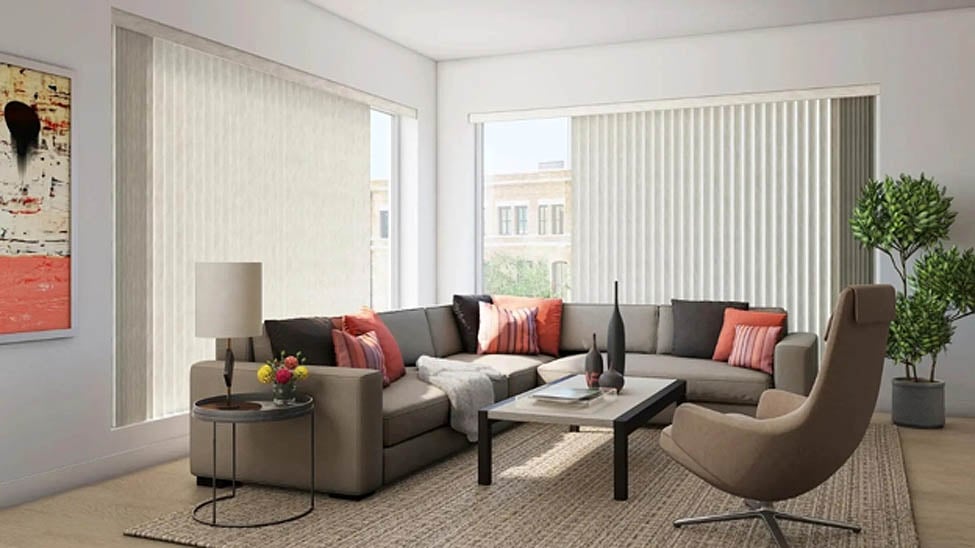
These are usually the rooms where you spend the most waking hours, so comfort matters. Cellular shades in a light-filtering opacity let natural light in during the day while still providing insulation. If your living room has large windows or sliding doors, Blindster's vertical blinds work well for easy access and light control. For added insulation, consider layering with heavier curtains that you can draw closed on really cold nights. Standard cellular shades can also work on wider windows; just make sure you're getting a custom fit to avoid gaps.
Bedrooms
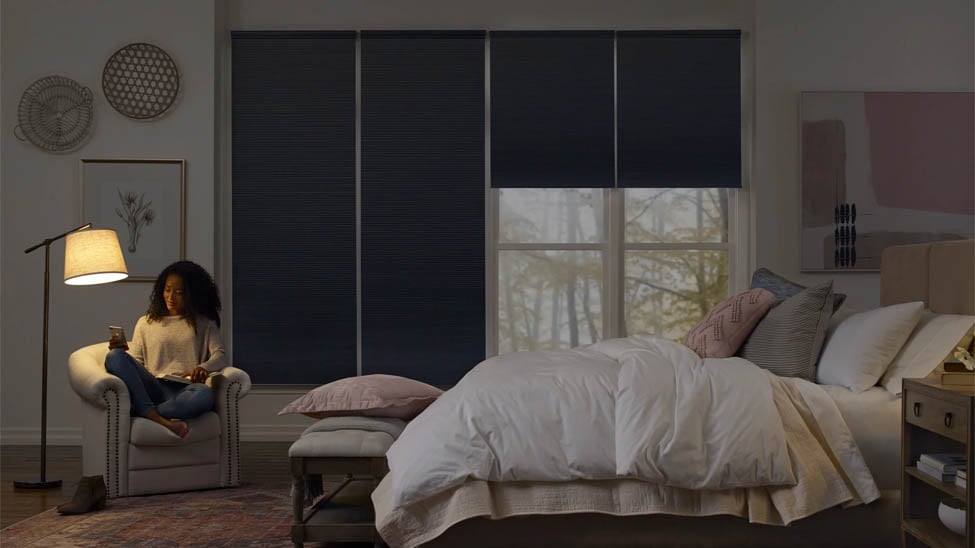
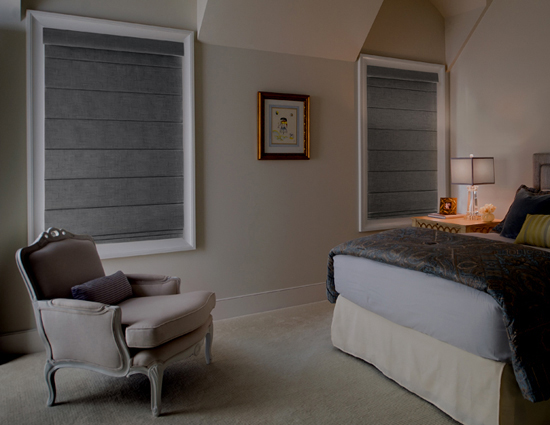
Bedrooms are interesting because you're typically only using them at night, which is also when temperatures drop the lowest. Blackout cellular shades are a great choice here. They block light for better sleep and provide maximum insulation when closed. Since you'll have them closed all night anyway, they're working overtime on energy savings.
Kitchens and Bathrooms
These rooms tend to have moisture issues, so you want window treatments that can handle humidity without warping or growing mold. Faux wood blinds and aluminum blinds are Blindster's go-to recommendations for bathrooms and kitchens. They hold up well in high-humidity environments and won't warp or deteriorate over time. While they don't insulate as effectively as cellular shades, the tradeoff is durability where it counts. For kitchens with windows farther from the sink or steam sources, cellular shades can still work, but err on the side of caution if moisture exposure is frequent.
Home Offices
If you're working from home, glare on your screen is annoying, and temperature fluctuations are distracting. Solar shades or light-filtering roller shades can cut glare while still letting in natural light. Pair them with heavier curtains you can close during the coldest parts of the day for added insulation.
The Cost-Benefit Breakdown
Let's talk numbers because that's really what this is about, right?
Energy-efficient window treatments aren't free. Custom cellular shades cost more than a basic set of blinds from the hardware store. But you have to look at the long game here.
The exact savings depend on your home, your climate, and your current windows. But here's a rough way to think about it. If a quarter of your heating energy is escaping through windows, and you can cut that loss by 30 to 40 percent with properly fitted cellular shades, you're chipping away at your bill every single month. Over a few winters, those savings add up. The DOE notes that tightly installed cellular shades can reduce window heat loss by up to 40 percent, which translates to roughly 10 percent in overall heating energy savings. Not life-changing on a single bill, maybe. But compounded over the years? That's real money staying in your pocket instead of floating out the window.
When you factor in that good shades also reduce cooling costs in summer, the payback period gets even shorter. Plus, there's the comfort factor, which is harder to quantify but definitely real. No more sitting on the couch wrapped in a blanket because there's a cold draft coming off the window.
Other Ways to Maximize Your Winter Savings
Shades alone won't fix everything, but they work even better when combined with a few other strategies.
Weatherstripping around windows and doors seals up gaps that let cold air infiltrate. It's cheap and relatively easy to install. If you can feel air coming in around your window frames, this should be on your to-do list.
Heavy curtains layered over shades create an additional barrier. This is especially useful for older windows or rooms that face north and don't get much sun exposure.
Keeping shades open during sunny winter days lets solar heat in, which is free warmth. Then close them as soon as the sun goes down to trap that heat inside. It takes a little attention but costs nothing.
If you're running ceiling fans, flip the switch so they spin clockwise at a low speed. This pushes warm air that rises to the ceiling back down into the room. Small thing, but it helps.
Where to Find Quality Insulating Shades
So you're convinced, great. Now, where do you actually get these things?
Blindster offers a solid selection of cellular shades with single and double-cell options, along with various opacities from light-filtering to blackout. The custom sizing means you're getting a proper fit for your specific windows, which, as we talked about, makes a real difference for insulation. They also carry Roman shades, roller shades, and other options if you want to explore different styles.
The ordering process is pretty straightforward. Measure your windows, which honestly takes like ten minutes once you get the hang of it, select your shade type and color, and they ship directly to you. Installation is DIY-friendly, so you don't need to hire anyone unless you really want to.
Making the Investment Count
Here's my honest take on this. Upgrading to energy-efficient shades isn't the most glamorous home improvement project. Nobody's posting their new cellular shades on social media the way they would a kitchen renovation or a bathroom remodel.
But in terms of return on investment? It's hard to beat. Lower energy bills, improved comfort, and a home that stays warmer without cranking the thermostat. Those are tangible benefits you'll notice every single day during the cold months.
And when you go with Blindster for your window treatments, you're getting quality products at prices that actually make sense. Custom sizing, good materials, and a company that's been doing this long enough to know what works.
Winter's going to come whether you're ready or not. Might as well be ready.
- Standard vs Reverse Roll Roller Shade: Differences & How to ChooseBlinds, Shades & Shutters
- When to Repair vs Replace Your Window TreatmentsBlinds, Shades & ShuttersCommon Questions
- Common Mistakes When Ordering Blackout Shades (and How to Avoid Them)Blinds, Shades & ShuttersCommon Questions
- Are Vertical Blinds Still in Style?Blinds, Shades & ShuttersDesign & Decor
- Are Plantation Shutters Still in Style in 2026?Blinds, Shades & ShuttersCommon Questions