Can Venetian Blinds Block Out Light Completely?
The short answer? Not really. Venetian blinds do a decent job managing light, but if you're hoping for pitch-black darkness, you'll probably be disappointed. Let me explain why—and what you can do about it.
How Venetian Blinds Handle Light Control
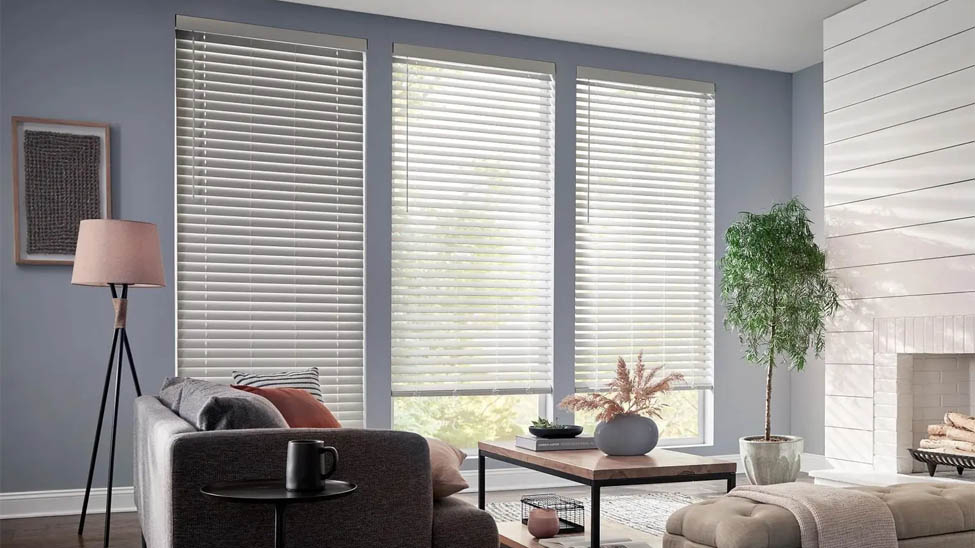
Venetian blinds work through adjustable horizontal slats that tilt open and closed. You twist the wand or pull a cord, the slats rotate, and you control how much light filters into the room. It's a clever system that's been around forever for good reason.
The slats themselves can be made from wood, faux wood, aluminum, or durable plastic. When you close them completely—tilting the slats so they overlap—you'd think that would block everything out. But here's where reality sets in.
Even when fully closed, those slats don't create a perfect seal. Think about it: each slat is separate, and they're designed to let air circulate between them. Light finds its way through the tiny gaps between slats, no matter how tightly you think they're closed. It's just physics, really.
The Light Gap Problem Nobody Warns You About
Here's what actually happens. You close your Venetian blinds at night, get into bed, and... there's still that annoying glow around the edges. Street lights, car headlights, even moonlight—it all sneaks in around the sides and bottom of the blinds.
The mounting style makes a difference too. Inside-mounted blinds sit within your window frame, leaving gaps on all four sides. Outside-mounted blinds cover more area, but light can still creep around the sides of the blind, creating a subtle halo of light.
And those little holes where the lift cords thread through? Yeah, light comes through those too. It's not a lot, but if you're sensitive to light when you sleep (or you work night shifts and need daytime darkness), it matters.
Why True Blackout Needs Different Window Treatments
If you really need total light blocking, Venetian blinds just aren't the right tool. The good news? Better options exist that actually deliver on complete darkness.
Room-darkening or blackout roller shades do a much better job because they're made from solid fabric that doesn't have gaps between slats. They cover the window as one continuous piece, which means fewer places for light to sneak through.
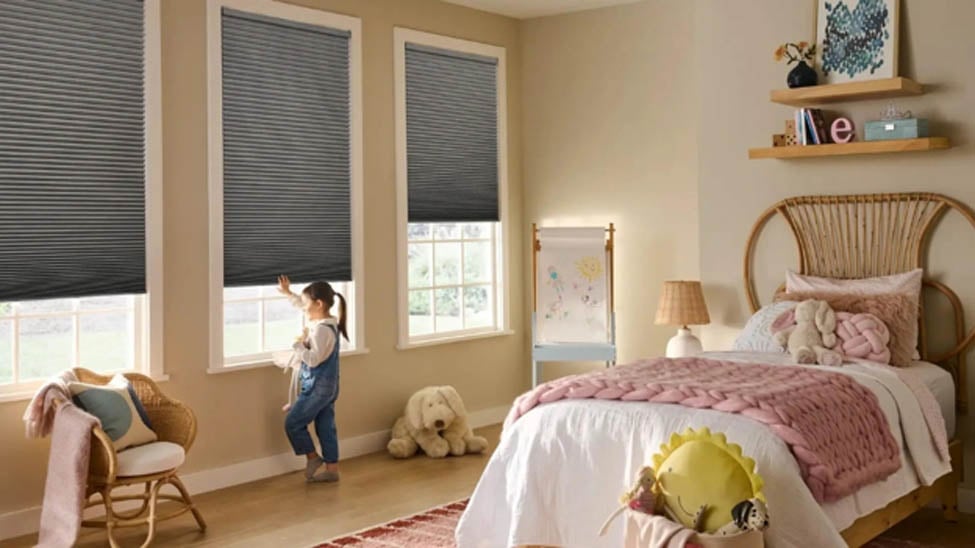
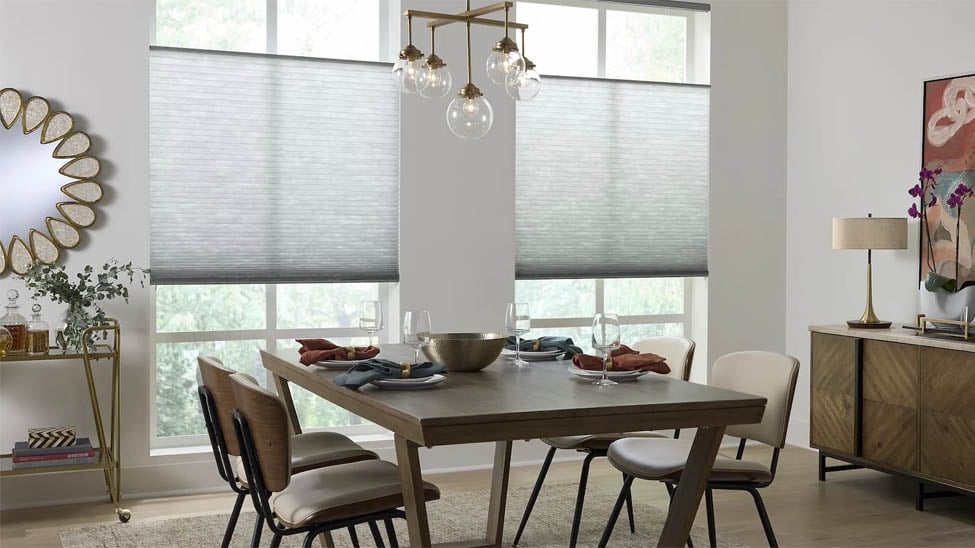
Cellular shades are another strong contender. The honeycomb structure gives you a crisp pleated look with your choice of color on the outside, and blackout versions have an interior lining that blocks light very effectively. Bonus: they're energy-efficient too, which is nice if you care about utility bills.
For bedrooms where darkness is non-negotiable, blackout roller shades, cellular shades, and roman shades all work beautifully. You get functionality during the day and total darkness at night—without the light leaks that come with slatted blinds. And a pair of curtain panels can also cover the "halo" of light around the edges of the shades for absolute light blocking
Blindster offers many blackout options that actually deliver on the promise of blocking light. Their cellular shades come in blackout fabrics, and their roller shades have true room-darkening capabilities—not just marketing speak. And if you're not sure which option fits your needs, their customer service team can walk you through the differences. That's helpful when you're trying to figure out what works for your specific windows.
When Venetian Blinds Are Good Enough
Look, not everyone needs complete darkness. If you just want to reduce glare, control privacy, and manage sunlight during the day, Venetian blinds work perfectly fine. They're practical, affordable, and they last a long time with basic maintenance.
Wood blinds and faux wood blinds both provide excellent light control for normal daytime use. You can adjust them throughout the day as the sun moves, which gives you flexibility that solid shades can't match.
They're also better than blackout shades if you want to see outside while maintaining some privacy. Close them partially, and you get filtered light plus a view. Blackout shades are all-or-nothing—either they're up or they're down.
For living rooms, kitchens, dining rooms, and home offices, Venetian blinds hit the sweet spot between function and style. The slats give you precise control over light direction and intensity, which matters more than total darkness in these spaces.
The best part? Installing them yourself is straightforward. Blindster designs their window treatments with DIYers in mind, so you don't need professional installation to get a clean, custom fit. You measure, you order, they ship it to your door, and you install it. Plus, they back everything with a 60-day satisfaction guarantee, so if it's not working for you, you're covered.
Choosing the Right Solution for Your Space
Can Venetian blinds block out light completely? No. They reduce light significantly when closed, but gaps between slats and around the edges let light through. If you need true blackout conditions for sleep, shift work, or a home theater, you'll want to choose a different window treatment altogether.
But for everyday light control, privacy, and versatility? Venetian blinds are hard to beat. They do what they're designed to do—give you adjustable, precise control over natural light in your home. Just don't expect them to create a pitch-black cave, because that's not what they're built for.
If total darkness is your goal, check out blackout roller shades or cellular shades instead. If flexible light control is what you need, Venetian blinds are still one of the smartest choices you can make. And if you're still not sure which direction to go, Blindster's team can help you figure it out—they've been helping DIYers make these decisions since 2010, so they know what questions to ask.
- Woven Wood vs Bamboo Shades: What's the Difference?Blinds, Shades & ShuttersCommon Questions
- Zebra Shades Buying Guide: How They Work, Benefits, and Best RoomsBlinds, Shades & Shutters
- Child-Safe Window Treatments: The Complete Parent's GuideBlinds, Shades & ShuttersCommon QuestionsHome Advice
- Dining Room Window Treatments: Light, Privacy & Style GuideBlinds, Shades & ShuttersDesign & Decor
- Statement Window Shades IdeasBlinds, Shades & ShuttersDesign & Decor