The Perfect Cozy Shades for Your Reading Nook
A reading nook is one of those spaces that either works or doesn't. You've got the chair (or the window seat, if you're lucky), the throw blanket, and maybe a side table for your coffee. But if the light's all wrong, none of it matters. Finding cozy shades for your reading nook can make the difference between a spot you actually use and one that just looks good on Pinterest.
The thing about reading nooks is that they tend to be near windows. That's kind of the point. Natural light is great for reading during the day, but it can also cause glare, make you squint, and fade your book covers over time if you're not careful. So the window treatment you choose has to do a few things at once: control the light, look good, and not make the space feel like a sterile office.
What Makes a Shade "Cozy" Anyway?
It's a fair question. Cozy is one of those words that gets thrown around a lot, but when you're talking about window shades, it usually comes down to texture, warmth, and softness. Hard aluminum mini blinds? Not cozy. A soft Roman shade in a linen fabric? Very cozy.
You're also looking at how the shade interacts with light. Shades that completely block out the sun can make a space feel closed off, which isn't always what you want for a reading nook. On the other hand, something too sheer might not give you enough control when the afternoon sun is blasting through. There's a balance.
And then there's the visual weight of the thing. A chunky shade with a lot of hardware can overwhelm a small nook. Something with clean lines, or something with a natural texture, tends to feel more inviting.
Roman Shades: The Classic Choice
If you want your reading nook to feel like it belongs in an interior design magazine, Roman shades are a solid bet. They're fabric shades that fold up into neat horizontal pleats when raised, and they lie flat when lowered. The look is timeless, a little bit elegant, and works in both traditional and modern spaces.
Roman shades come in a huge range of fabrics and colors, so you can go soft and neutral or bold and patterned depending on your style. For a reading nook, something in a natural linen or cotton tends to feel right. It adds texture without being too busy.
One thing to keep in mind: Roman shades in light-filtering fabrics will soften the sunlight coming through, which is usually ideal for reading. You get brightness without the harsh glare. If your nook faces west and gets hit with intense late-afternoon sun, you might want to consider a room darkening option instead.
Cellular Shades: Soft and Functional
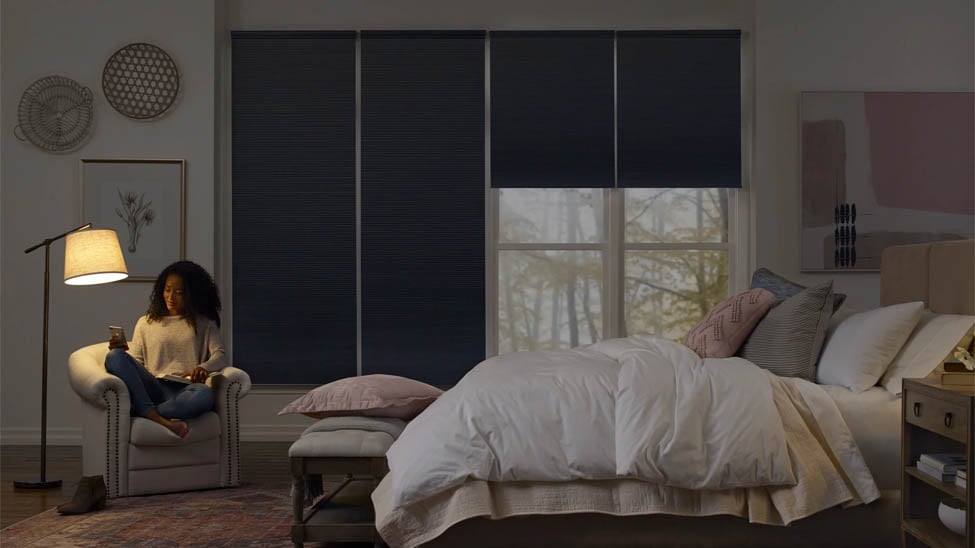
Cellular shades (sometimes called honeycomb shades) have a distinctive look with their pleated, honeycomb-shaped cells. They're soft, they stack neatly when raised, and they come in a variety of opacity levels.
For a reading nook, cellular shades in a light-filtering fabric work well. They diffuse sunlight evenly across the space, which reduces eye strain and makes it easier to read for longer periods. The fabric itself has a soft, almost pillowy look that adds to the cozy factor.
If you go with a cordless option, you also get a cleaner look. No dangling cords to deal with, which is nice in a small space where every detail matters. Blindster offers cordless upgrades on most of its cellular shade options, which is worth considering.
Woven Wood and Bamboo Shades: For That Natural Vibe
There's something about natural materials that just feels cozy. Woven wood shades and bamboo shades bring texture, warmth, and an organic quality that's hard to replicate with synthetic fabrics.
These shades are typically made from natural materials like bamboo and other grasses or reeds, woven together in patterns that range from tight and uniform to loose and textured. The result is a shade that filters light in interesting ways, casting soft, dappled shadows that feel relaxed and inviting.
They're particularly good for reading nooks that lean into a bohemian, coastal, or nature-inspired aesthetic. But honestly, they work in a lot of spaces. A bamboo shade in a modern minimalist room can add just enough warmth to keep things from feeling cold.
One heads up: woven wood shades typically allow more light through than fabric shades, even when fully lowered. If you need more light control, some woven wood shades can be ordered with a privacy or blackout liner option. It's worth checking if that's available for the specific shade you're considering.
Sheer Shades: Light and Airy
Sheer shades are interesting. They use horizontal fabric vanes suspended between two layers of sheer fabric, which lets you control light by tilting the vanes open or closed. When the vanes are open, you get a soft, diffused glow. When they're closed, you get more privacy and light blockage.
The effect is elegant and a little bit dreamy, which can be perfect for a reading nook where you want soft light and a relaxed atmosphere. They're not the right choice if you need total blackout capability, but for daytime reading, they're great.
The look is more formal than, say, bamboo shades, so they work best in spaces with a more polished aesthetic. Think of a reading nook in a living room or a bedroom with classic decor.
Roller Shades: Clean and Simple
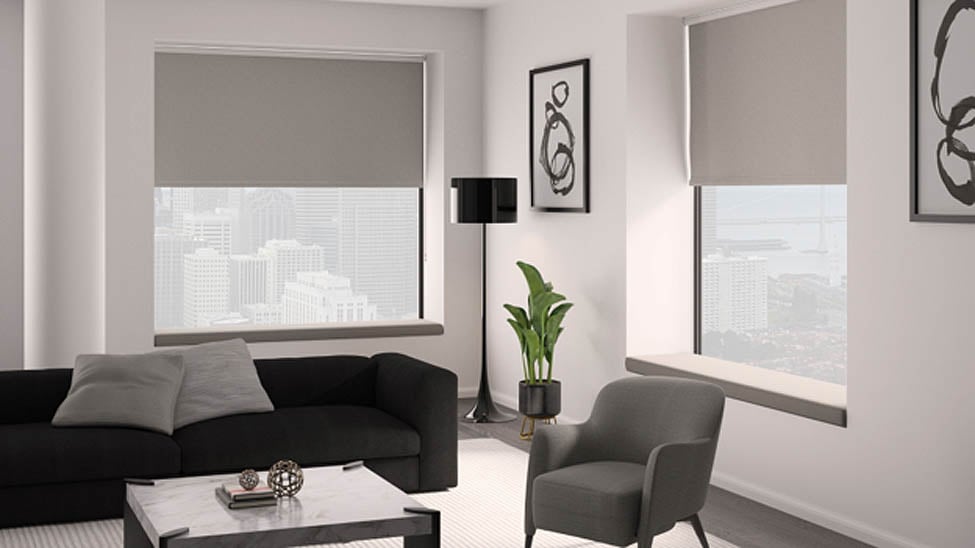
If your reading nook has a more modern or minimalist vibe, roller shades might be the move. They're simple, clean-lined, and come in a wide range of fabrics from sheer to blackout.
Roller shades don't have the same soft, textured look as Roman or cellular shades, but that's kind of the point. They're meant to be understated. In a small space like a reading nook, that simplicity can feel cozy in its own way. Less visual clutter, more focus on the books and the chair.
For reading purposes, a light filtering roller shade in a neutral color works well. It keeps the light gentle and even without making the space feel dark.
The Top-Down/Bottom-Up Option
Here's something worth considering, regardless of which shade style you pick: the top-down/bottom-up feature. This lets you lower the shade from the top while keeping the bottom raised, or any combination in between.
For a reading nook, this is pretty useful. You can let natural light in from the top of the window while keeping the lower portion covered for privacy. It's a nice way to get the best of both worlds, especially if your nook is on a ground floor or faces a neighbor's house.
Picking the Right Light Level
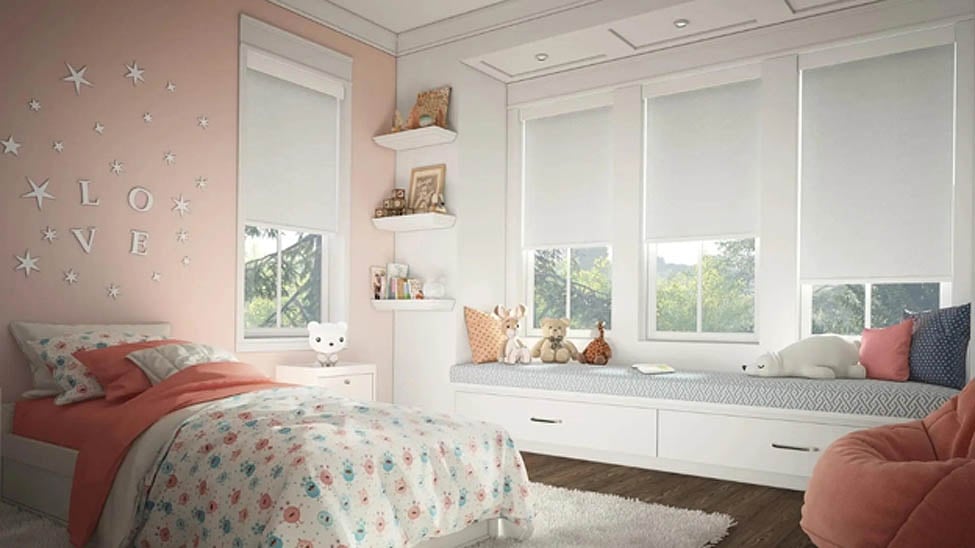
Most shades come in a few different opacity levels: sheer, light filtering, room darkening, and blackout. For reading, light filtering is usually the sweet spot. It softens and diffuses natural light without making the space too dark.
That said, if you like to read at night and your nook is in a room where you'd also want to block outside light (streetlights, car headlights, that sort of thing), a room darkening or blackout shade might make more sense. It depends on how and when you use the space.
Making It Feel Like Yours
A reading nook is personal. That's the whole point. The shade you choose should reflect how you want the space to feel. Warm and rustic? Go with bamboo or woven wood. Elegant and classic? Roman shades. Soft and modern? Cellular or roller.
And don't overthink it too much. Get some free samples, hold them up to your window, and see what feels right. Blindster offers free swatches on most products, so you can test colors and textures before committing.
The goal is a nook that makes you want to curl up with a book. The right shades help make that happen.
- Standard vs Reverse Roll Roller Shade: Differences & How to ChooseBlinds, Shades & Shutters
- When to Repair vs Replace Your Window TreatmentsBlinds, Shades & ShuttersCommon Questions
- Common Mistakes When Ordering Blackout Shades (and How to Avoid Them)Blinds, Shades & ShuttersCommon Questions
- Are Vertical Blinds Still in Style?Blinds, Shades & ShuttersDesign & Decor
- Are Plantation Shutters Still in Style in 2026?Blinds, Shades & ShuttersCommon Questions