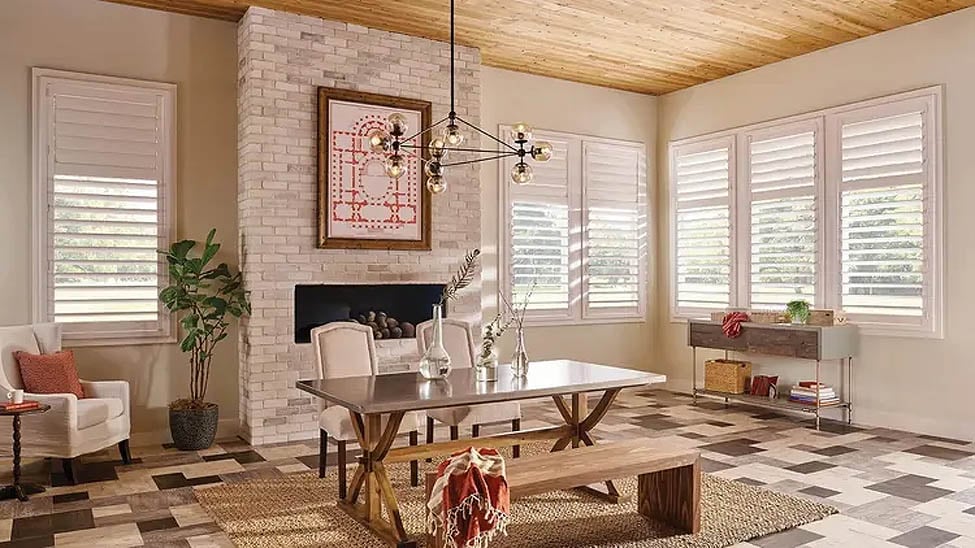
The Fastest Way to Change a Room's Look? Start With the Windows
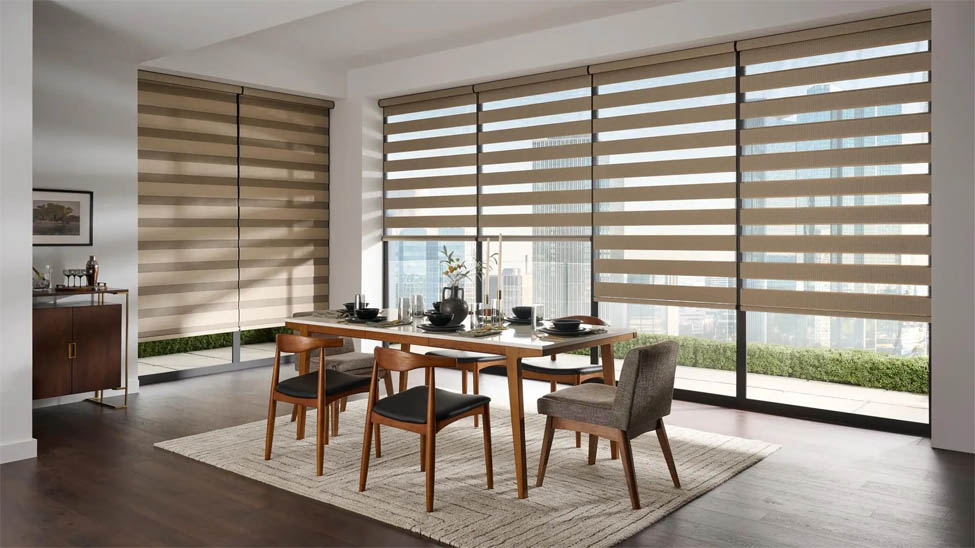
Most people reach for paint when they want to refresh a space. Paint works, but it's also a weekend commitment: moving furniture, taping trim, waiting for coats to dry, then realizing you hate the color after the second coat. Window treatments pull off something similar in a fraction of the time, and most homeowners underestimate how much they're doing to a room when they get that choice right.
Windows are typically the largest uninterrupted surface in a space outside of the walls themselves. What covers them, or doesn't, shapes how the room looks, how it feels, and how much light it holds. Swap out dated horizontal blinds for a clean roller shade, and the room reads differently. Replace heavy drapes with a light-filtering cellular shade, and a dim bedroom becomes noticeably brighter without touching a light switch.
Why Windows Carry More Visual Weight Than You Think
A bare window draws the eye. So does a treatment that doesn't fit the space, whether it's the wrong color, the wrong style, or the wrong length. Most people treat window coverings as an afterthought, something to sort out after the furniture is in and the walls are painted. That's backwards.
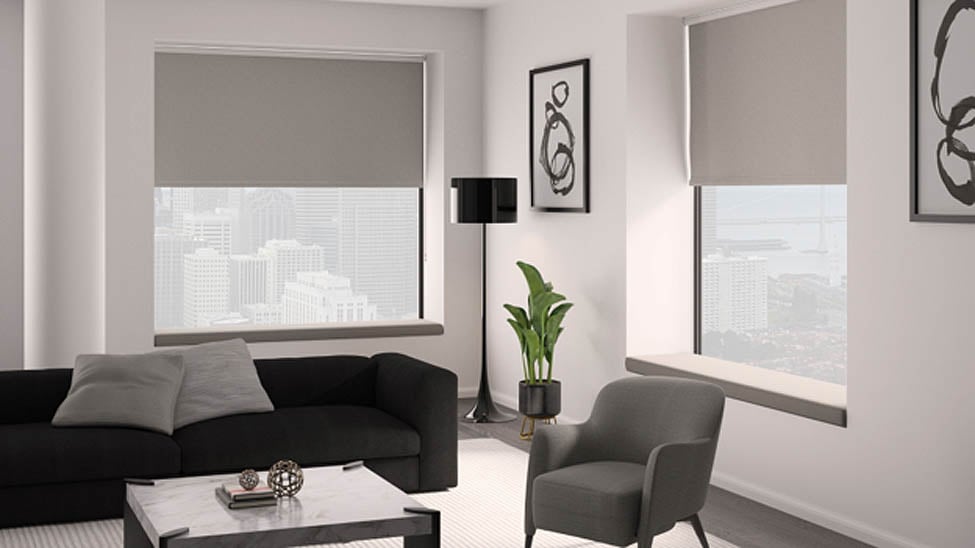
Window treatments interact with every other design choice in the room. A roman shade in a warm linen fabric will pull warmth from wood furniture and make a neutral wall feel intentional. Crisp white roller shades in a space with cool gray tones reinforce the palette without demanding attention. The treatment doesn't need to be the star. It just needs to be in conversation with everything else.
Scale matters too. Floor-length panels hung close to the ceiling make a room feel taller. Treatments mounted just above the window frame can make the window itself look smaller. For most rooms, mounting higher and wider than the actual window opening gives the space more presence, and it's one of the simplest adjustments a homeowner can make without hiring anyone.
Light Changes Everything
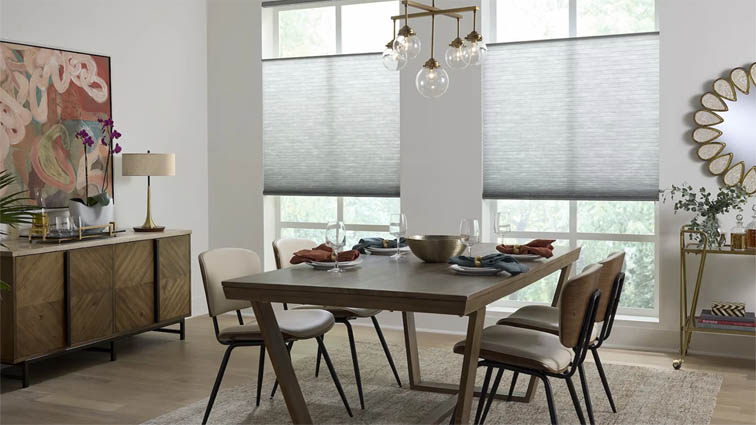
The single biggest variable in how a room looks is light, and window treatments are what control it. A south-facing living room in the afternoon can feel washed out and harsh without some filtering. Solar shades in that same room pull the glare out while keeping the outdoor view intact.
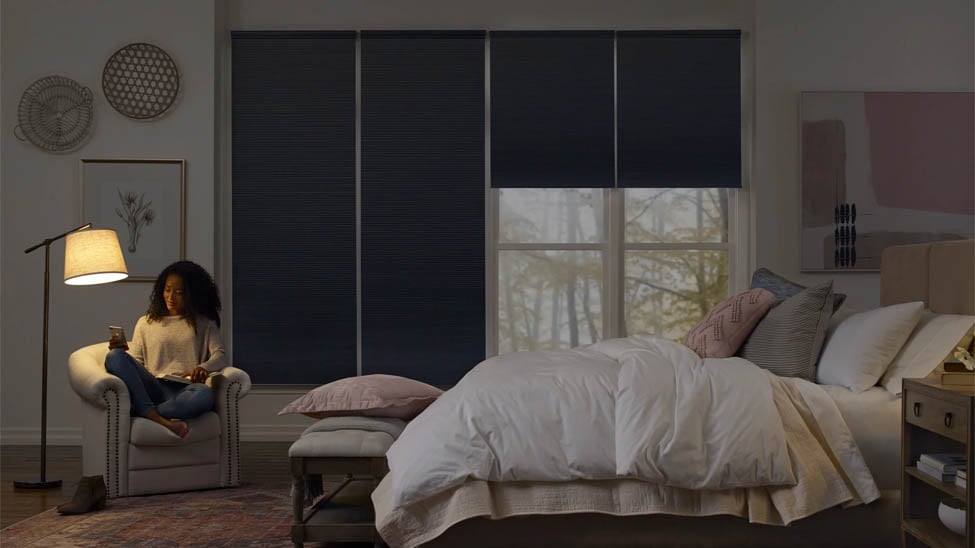
A bedroom that needs to block light for sleep calls for something different entirely: blackout roller shades or blackout cellular shades. Light filtering sits between full blackout and fully transparent, and it's the middle ground most living spaces need. It softens the quality of light, reduces glare, and keeps a room from feeling either cave-like or overexposed.
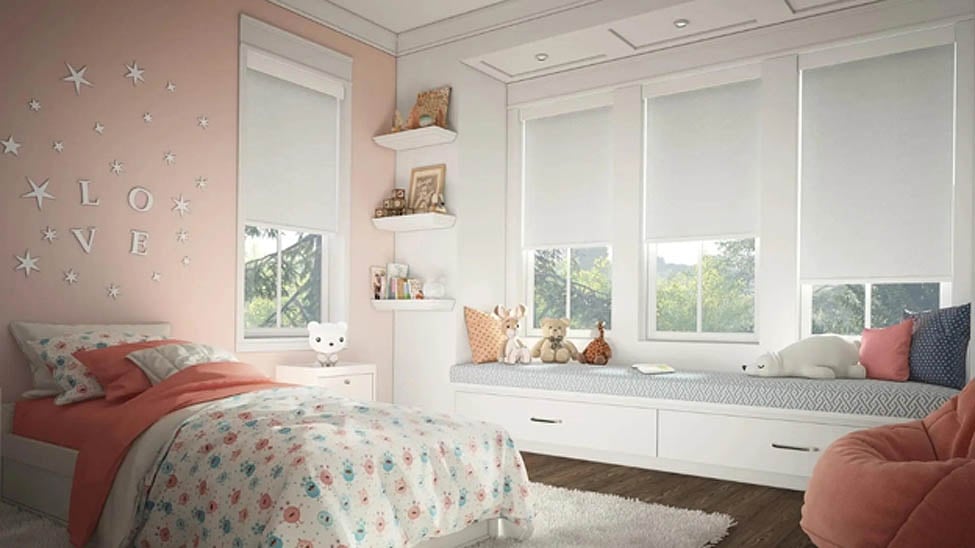
Sheer shades are worth considering in dining rooms and spaces where you want daylight without harsh directional sun cutting across a table. They diffuse direct sunlight while still letting the room breathe. Getting light control right is less about aesthetics and more about how the space gets used day to day. A home office needs glare control more than privacy. A nursery prioritizes blackout over style. Start with the function, then layer in the look.
Matching the Treatment to the Room
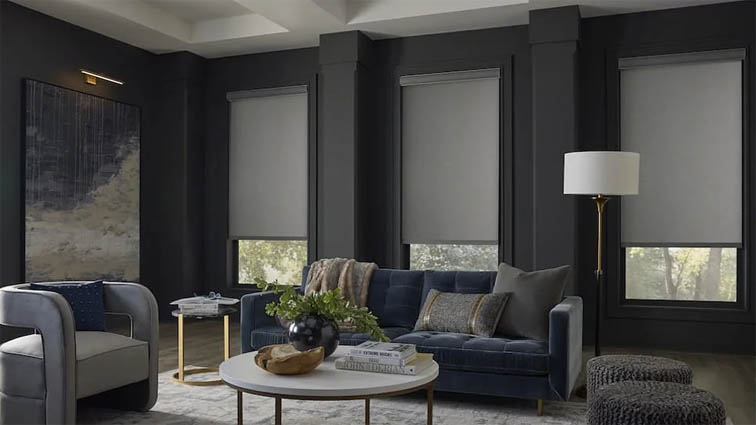
Not every window treatment belongs in every room. Some of it is practical, some of it is stylistic, and often it's both.
Faux wood blinds hold up well in kitchens and bathrooms where humidity is a factor. Real wood warps over time in those environments, so faux wood composite is the more durable call. The visual difference is minimal, especially from across a room.
Roman shades suit dining rooms and bedrooms where you want something softer than a blind but more structured than a curtain. They stack flat when raised and sit cleanly against the window when lowered, which gives them a tailored look that fits both traditional and modern spaces.
Roller shades are among the most versatile options available. They come in a range of opacities, from light-filtering to full blackout, and they suit almost any room. Clean lines, minimal hardware, easy to operate. Motorized versions are worth the upgrade in hard-to-reach windows or rooms where consistent light control matters without manual adjustments every day.
Cellular shades, sometimes called honeycomb shades, add insulation on top of light control. The honeycomb structure traps air, which reduces heat transfer through the window. For rooms with large windows or older glass, that's a real functional benefit, not just a feature on a spec sheet.
Color and Material: Where People Overthink It
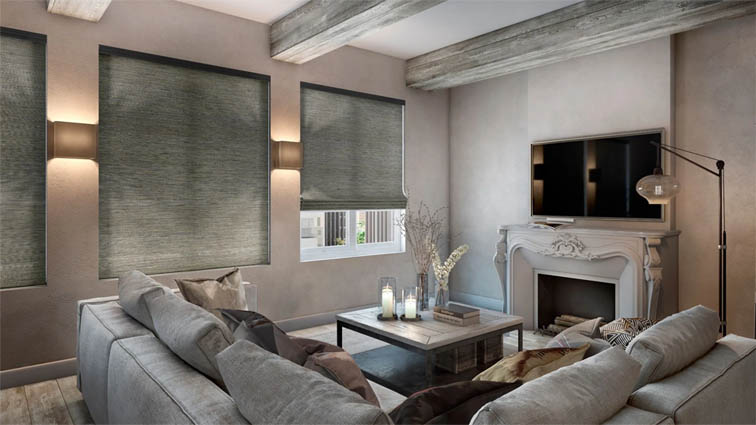
The treatment doesn't need to match the wall, but it shouldn't fight it either. Neutral tones, whites, grays, and warm linens hold in most spaces because they don't compete with furniture or art. For a bolder statement, deeper tones and textured fabrics like bamboo shades can carry that weight.
Texture is underused. A flat white roller shade and a woven bamboo shade can sit in the same window opening and produce completely different results. Bamboo adds warmth and a natural quality that reads well in spaces with wood furniture, plants, or earthy palettes. In rooms with a lot of pattern already, a clean flat shade keeps the visual noise down.
Hardware finish is a small detail that lands harder than people expect. Matching brackets and headrails to other metals in the space, whether that's chrome, brushed nickel, or matte black, ties the treatment into the room rather than making it look like a separate decision.
DIY Installation vs. Hiring It Out
Professional measuring and installation for window treatments can add $75 to $150 per window on top of the product cost, and that number climbs fast in a house with a lot of windows. Most blinds and shades aren't difficult to install, though. The tools are basic: a drill, a level, a tape measure. Blindster provides clear measuring guides and installation instructions that walk through the process without assuming any prior experience.
Measuring is where mistakes happen most often. Inside mount sits within the window frame for a cleaner, more built-in look. Outside mount covers the frame entirely and can make a window appear larger, which helps in smaller rooms or spaces with narrow window openings. Confirm which approach suits the space before ordering, and measure twice before ordering anything.
Cordless and motorized options add some complexity, but nothing that puts installation out of reach for a capable homeowner. Most systems include clear instructions, and the time commitment for a single window typically runs 10 to 20 minutes.
Where to Start
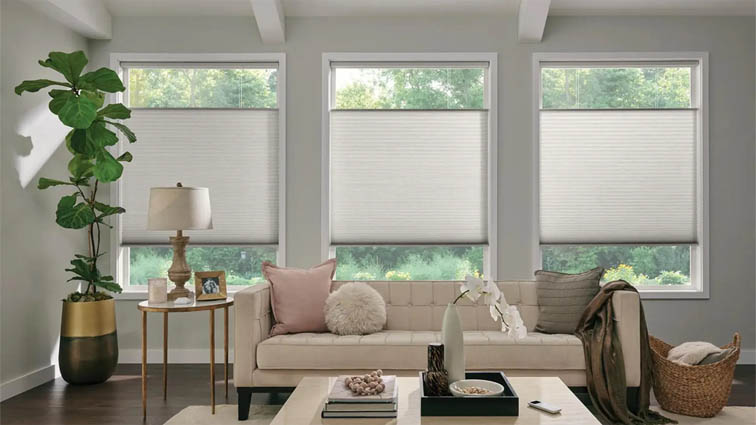
Pick one room. Not the whole house, one room where the current treatments are dated, wrong for the space, or simply not working. Look at what's missing: more light, less glare, better privacy, a cleaner look. That answer narrows the product options fast.
Match the treatment to that function, confirm the color and material fit what's already in the room, and go from there. No designer required.
Windows aren't a finishing touch. They're a starting point.
- Standard vs Reverse Roll Roller Shade: Differences & How to ChooseBlinds, Shades & Shutters
- When to Repair vs Replace Your Window TreatmentsBlinds, Shades & ShuttersCommon Questions
- Common Mistakes When Ordering Blackout Shades (and How to Avoid Them)Blinds, Shades & ShuttersCommon Questions
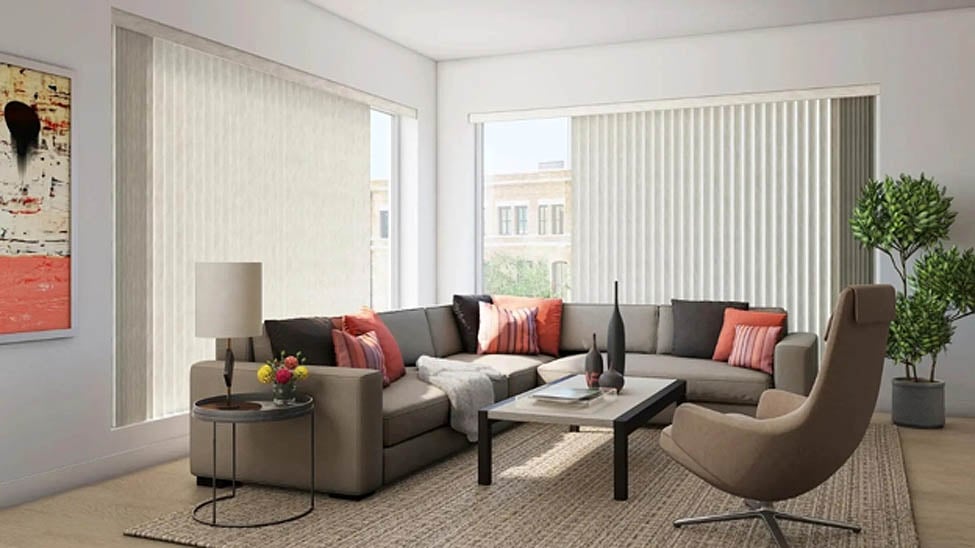
- Are Vertical Blinds Still in Style?Blinds, Shades & ShuttersDesign & Decor
- Are Plantation Shutters Still in Style in 2026?Blinds, Shades & ShuttersCommon Questions