Statement Window Shades Ideas
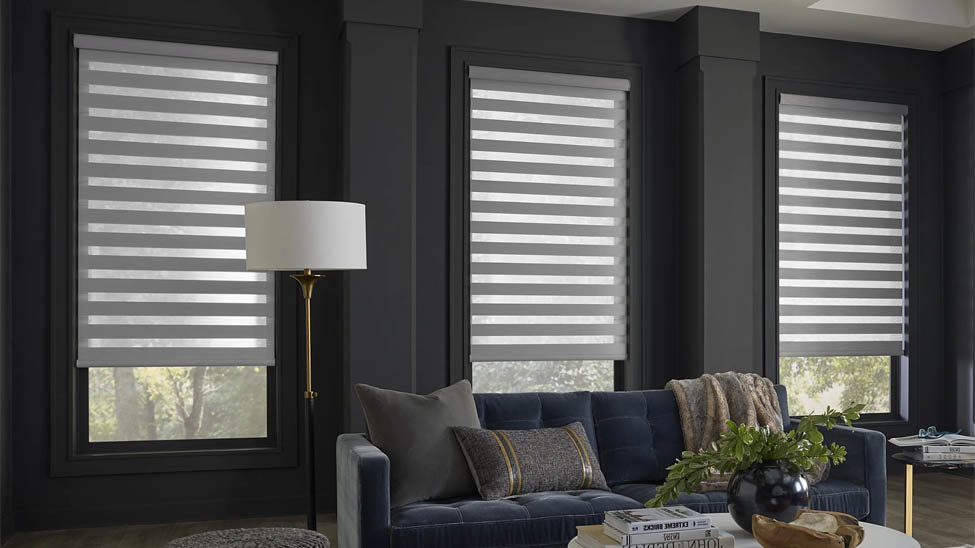
Most window shades do one job: cover the glass. They filter light, block views from outside, and check a box. Statement shades do that too, but they also pull a room together in a way that furniture and paint alone can't replicate.
A window is a lot of real estate on your wall. If you want something cleaner and more tailored than floor-to-ceiling drapes, yet still visually interesting, the right shade can carry that weight without overwhelming the space. The key is knowing which shade types are built for that role and which are better suited to disappearing into the background.
Roman Shades: The Most Versatile Statement Piece
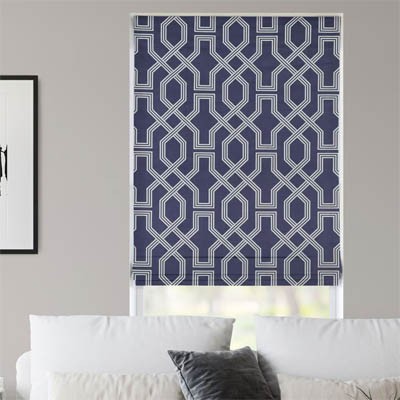
If one shade type earns the "statement" label more than any other, it's the Roman shade. The fold pattern, flat or relaxed, creates visual texture even in a neutral fabric. Go with a bold print or a rich solid, and the window becomes something you notice when you walk into the room.
Fabric choice matters more here than with any other shade type. A linen Roman in ivory reads as calm and organic. A geometric pattern in navy and white reads as intentional and modern. The same window, completely different room energy. That's why Roman shades turn up so often in living rooms, dining rooms, and primary bedrooms where the design moment counts.
One practical note: Roman shades work best as inside mounts on windows with clean, visible trim, or as outside mounts when you want to extend the apparent height of the window. The fabric stacks into distinct folds when raised, so the top of the window stays visible, and the view stays intact during the day. If you're ordering custom, measuring carefully pays off here more than with most shade styles.
Zebra Shades: Bold by Design
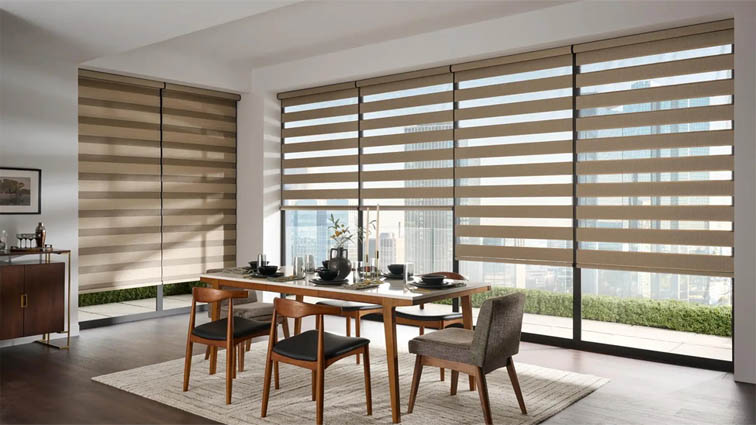
Zebra shades, sometimes called dual shades or banded shades, have a specific look: alternating sheer and solid fabric bands that shift when you raise or lower the shade. Align the bands one way, and you get filtered light; shift them, and the room goes darker. The striped pattern is always visible, which makes them design-forward from the moment you install them.
They work particularly well in modern and transitional interiors where clean lines and graphic patterns are already part of the aesthetic. A white-on-white zebra shade in a bright, minimal room reads as textural rather than stark. A darker colorway in charcoal or mocha adds depth without blocking light entirely.
These aren't a "blend into the background" shade. If you want something that disappears, cellular shades are the better call. If you want the window to be part of the room's design story, zebra shades earn that role.
Bamboo Shades: Natural Texture as a Statement
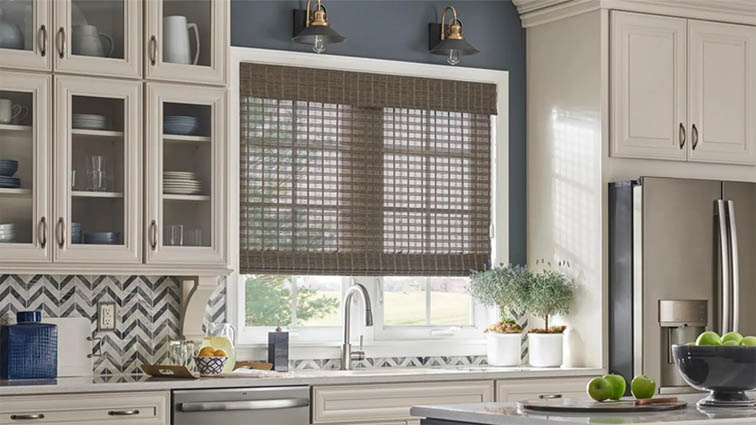
There's a reason woven bamboo shades show up in so many warm, organic interiors. The material itself is the statement. Light comes through the weave in a dappled, uneven pattern that no synthetic shade can replicate, and at night, with interior lighting on, the texture becomes even more pronounced against the wall.
They're not blackout shades. Light filtration varies depending on weave density, and most bamboo shades will let in some light even when fully lowered. That's part of the tradeoff. If privacy at night is a priority, layering them with curtains is a common approach, or you can look for styles that include a liner. In rooms where the goal is warmth and texture over total light control, though, they're genuinely hard to compete with.
Bamboo shades tend to look best where natural light is plentiful: sunrooms, reading nooks, kitchens with good window exposure, and spaces where wood furniture or natural stone finishes are already doing design work.
Sheer Shades: Soft and Architectural at the Same Time
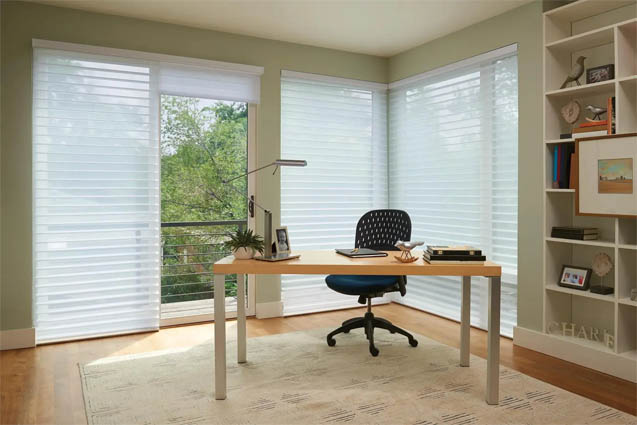
Sheer shades occupy a specific design space that roller shades and Roman shades don't. The layered construction, with a sheer front panel and fabric vanes, diffuses incoming light in a way that feels almost sculptural when the sun hits it at an angle. Privacy depends on the opacity of the vanes, but even in a lighter configuration, direct views into the room are softened during the day.
For rooms that get a lot of natural light, where you want to keep the brightness without harsh glare, sheer shades do something heavier treatments can't. The light stays; the harshness goes. In east or west-facing rooms with strong morning or afternoon sun, that difference is noticeable.
From a design standpoint, sheer shades add an elegance and softness that pure roller shades lack. Not the right choice for every room, but in spaces where you want refinement without heaviness, they're worth a serious look.
Roller Shades: Simple, Bold, Underrated
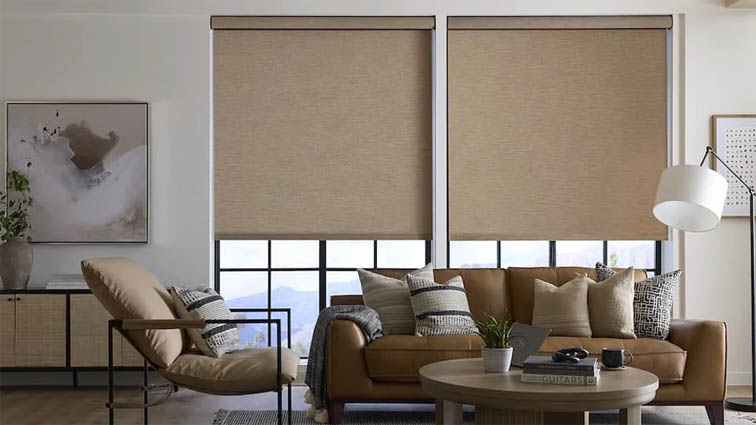
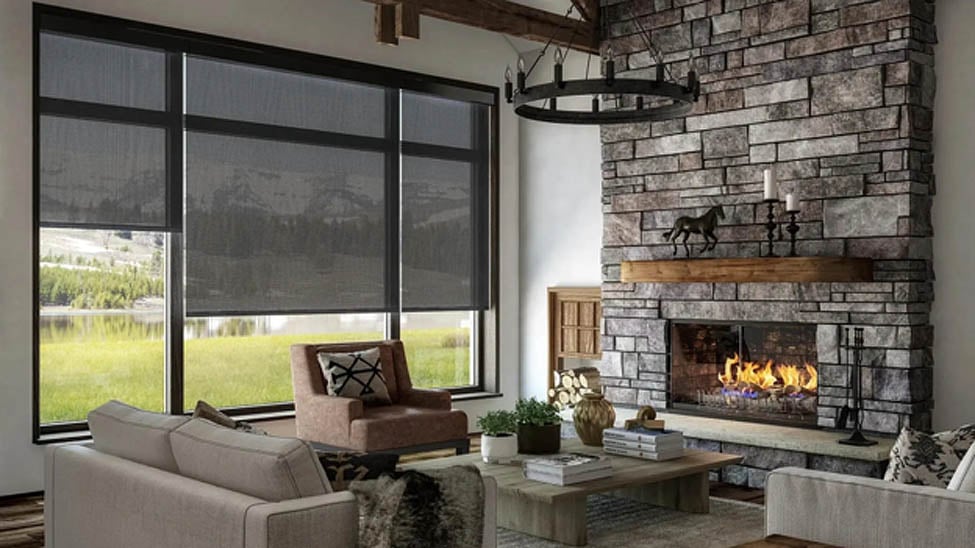
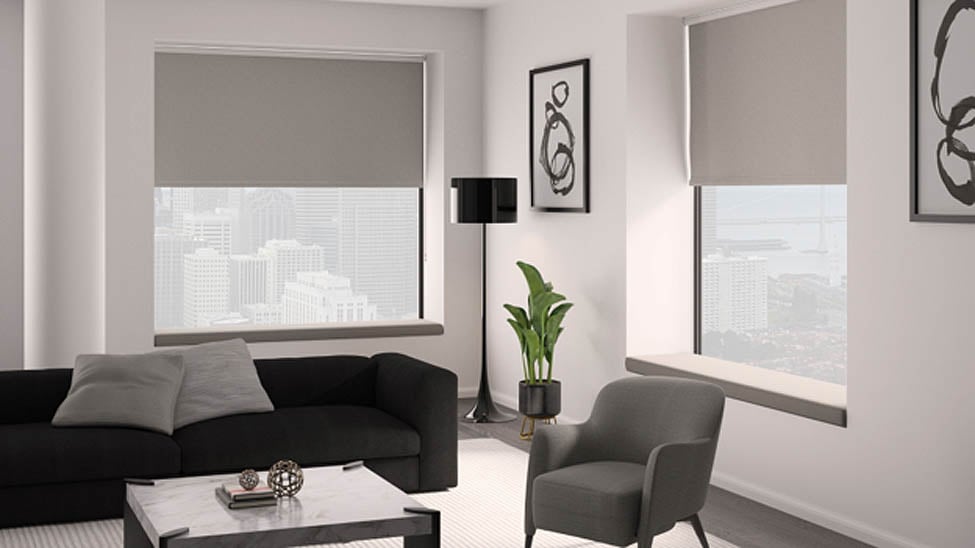
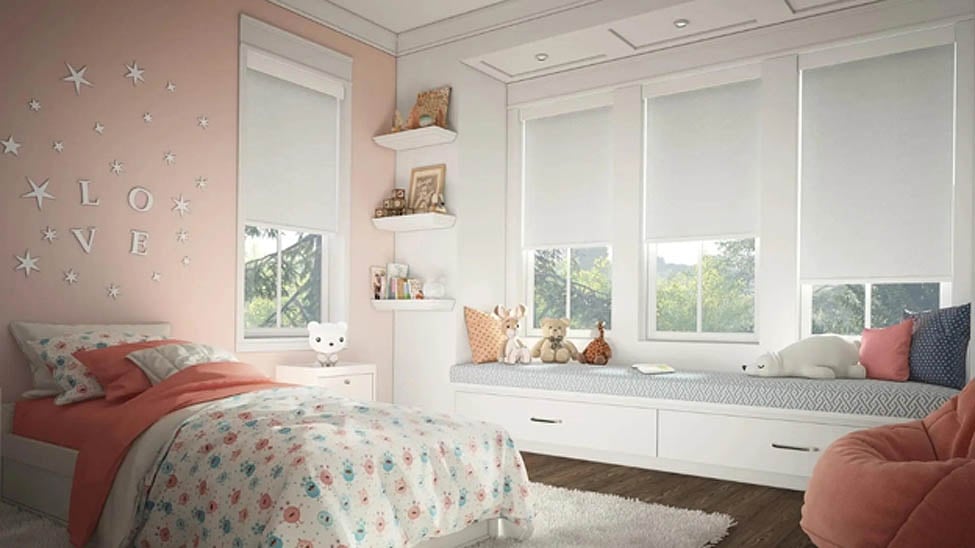
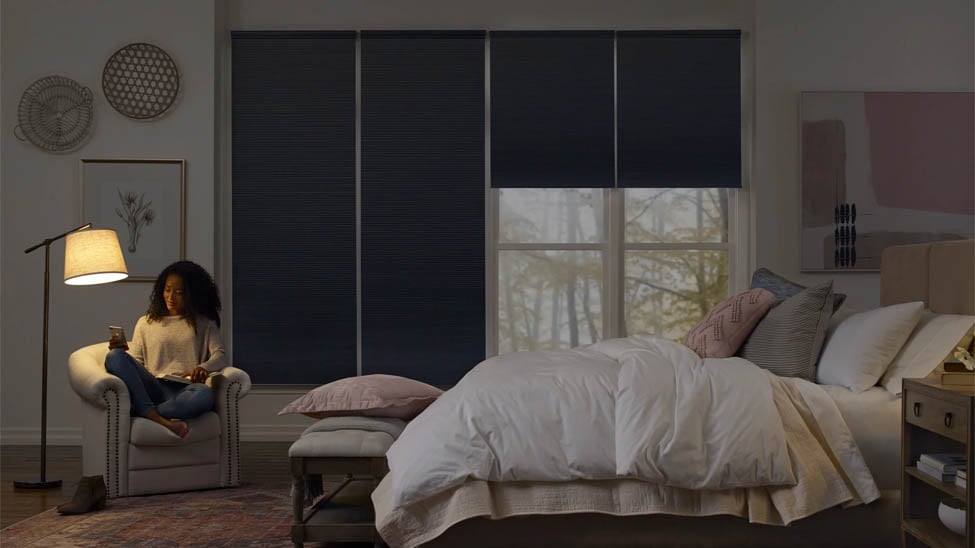
A roller shade sounds like the plain option. It doesn't have to be. A solid blackout roller in deep forest green or slate blue, sized to cover the full window frame and hung close to the ceiling in a bedroom, is a genuinely striking element. The simplicity is the point.
Patterned roller shades push this further. A geometric print or a large-scale botanical pattern turns a functional window covering into something you'd expect to see in a well-designed boutique hotel room. Scale matters here: a small pattern on a large window gets lost; a bold, larger-scale print holds up at distance and reads the way it's supposed to.
Roller shades also work well in layered setups. A solar shade during the day for light control, paired with a blackout roller for night privacy, is a practical approach in bedrooms and home offices. Two shades on one window sounds like a lot, but if both are well-chosen, the combination looks intentional rather than cluttered.
How to Choose the Right Statement Shade
The shade category is only half the decision. Color, pattern, and scale are where statements get made or missed.
Start with the room's existing palette. A shade doesn't need to match the walls or furniture exactly, but it should belong to the same color family or provide deliberate contrast. A warm-toned room with wood furniture and earthy textiles will accept a bamboo or linen Roman shade without friction. That same room with a bright white roller shade may feel disconnected.
Scale matters as much as color. A bold geometric pattern on a small window in a busy room creates visual noise. In a clean room with large windows, that same pattern has room to breathe and read the way it should. When in doubt, order a fabric sample before committing to a full window.
Custom sizing is worth the extra step. A shade that fits the window precisely reads as finished and intentional in a way that a standard size trimmed to an approximate fit usually doesn't. Ordering by the inch, the way Blindster structures its custom sizing, makes a noticeable difference in how the final result looks against the window frame, whether you go inside or outside mount.
Mounting Position and Proportion
Where a shade sits on the wall affects the statement it makes as much as the shade itself. Mounting higher than the window frame and extending the width a few inches beyond the frame visually enlarges the window. For rooms with average ceiling heights or smaller windows, this is often the right call.
Inside mounts show off the window trim and tend to look more architectural and precise. Outside mounts give the shade more visual presence on the wall and can make a room feel taller. Neither approach is universally correct, but knowing the effect of each lets you make the choice intentionally rather than by default.
On the installation side, most shade styles, Roman, roller, zebra, and bamboo, are straightforward to hang with basic tools. The process typically runs 20 to 45 minutes per window, depending on the style and your window situation. Professional installation markups can run $75 to $150 per window or more on top of product costs. For a room with four or five windows, that's a meaningful amount of money to keep in your pocket by doing it yourself.
- Best Blinds For Windows That Get Direct Sunlight: UV Protection And Glare ControlBlinds, Shades & Shutters
- Standard vs Reverse Roll Roller Shade: Differences & How to ChooseBlinds, Shades & Shutters
- When to Repair vs Replace Your Window TreatmentsBlinds, Shades & ShuttersCommon Questions
- Common Mistakes When Ordering Blackout Shades (and How to Avoid Them)Blinds, Shades & ShuttersCommon Questions
- Are Vertical Blinds Still in Style?Blinds, Shades & ShuttersDesign & Decor