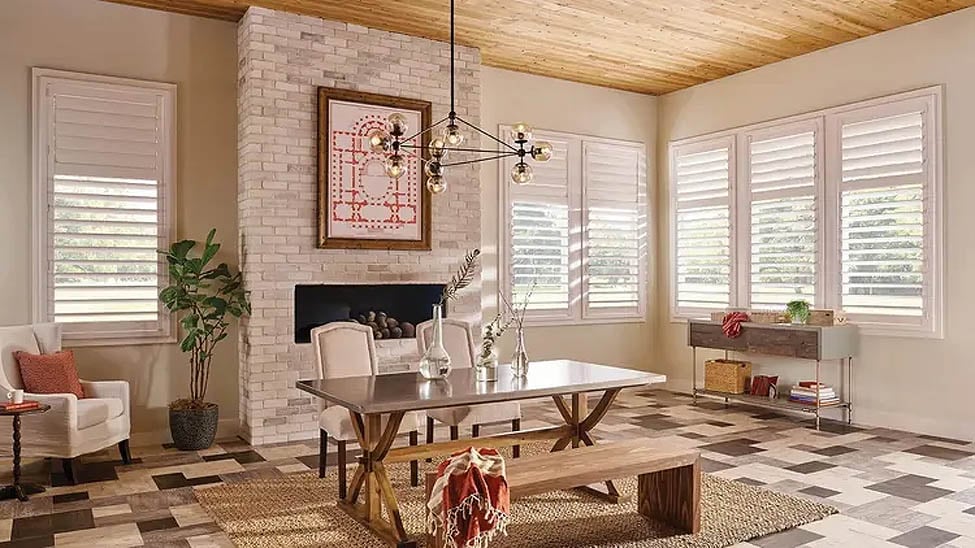
Window Treatments for Daylight Savings
Twice a year, you lose an hour or gain one back, and suddenly your bedroom is flooded with light at 6 a.m., or your living room feels like a cave by 5 p.m. The time change messes with more than your sleep schedule. It changes how light moves through your home, and if your window treatments aren't set up to handle it, you'll feel it.
This isn't just about adjusting your alarm clock. Sunlight hits your windows at different times, glare shows up during work calls when it didn't before, and you're either waking up to blazing sunshine or total darkness. Some rooms handle it fine. Others become unlivable for a few weeks until you adjust.
Here's how to use window treatments to take control of the light instead of letting it control you.
Why the Time Change Hits Different Rooms Differently
Not every window in your house reacts the same way to Daylight Savings. East-facing bedrooms get the worst of spring's early sunrise. Those extended summer evenings turn west-facing living rooms into hotboxes. North-facing rooms lose what little natural light they have when fall rolls around.
Whatever light issues you already had get magnified. Borderline too-bright bedrooms in the morning become unbearable after spring forward. Dim home offices in the late afternoon get worse when falling back.
You can't change which direction your windows face. You can change how much light gets through.
Blackout Options for Sleep-Sensitive Rooms
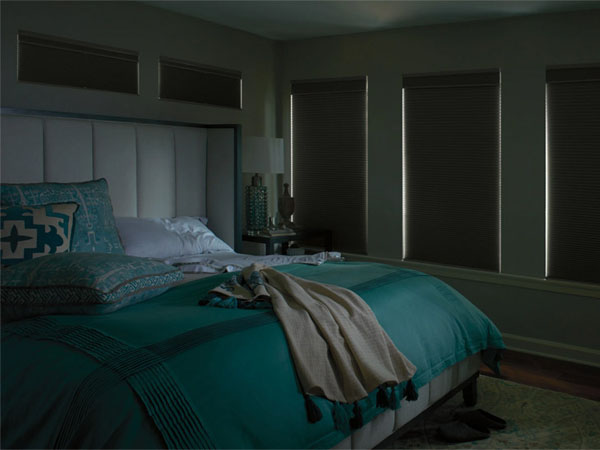
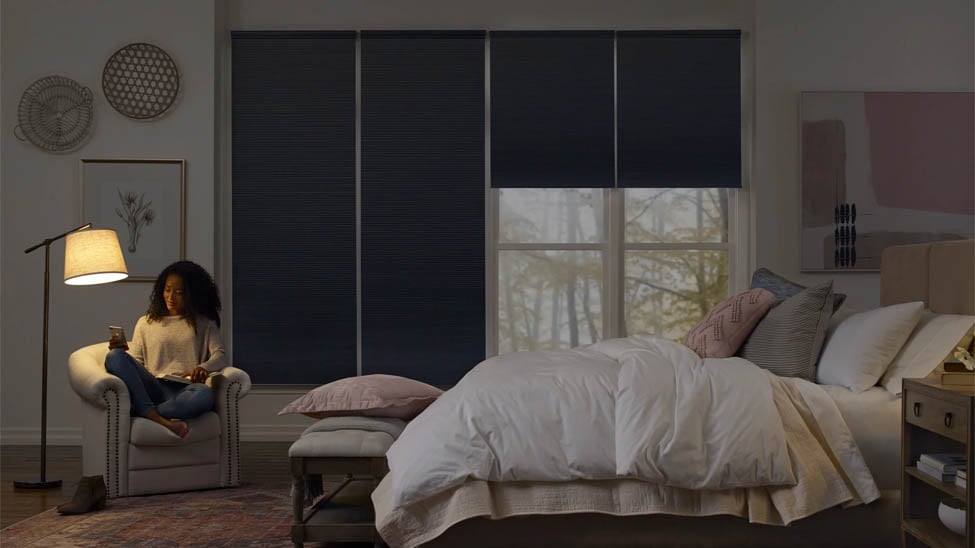
Spring forward is brutal if you're not a morning person. Extra evening sunlight sounds nice until sunrise blasts through your bedroom window an hour earlier than your body is ready for.
Blackout cellular shades are designed to block nearly all incoming light. The honeycomb structure traps air and prevents rays from penetrating, so you're not waking up to a glowing room at 5:30 a.m. Roller shades with blackout fabric do the same thing, but with a cleaner look if you don't want the textured appearance of cellular.
Cordless options make these easier to operate when you're half-asleep. No cords to fumble with, just lift or lower. Motorized blackout shades let you program them to close at a set time, so you're not even thinking about it.
Total coverage is key. Light leaking in around the edges means you're not getting the blackout effect. Measure carefully and choose inside mount installation when possible.
Light Filtering for Rooms You Actually Use During the Day
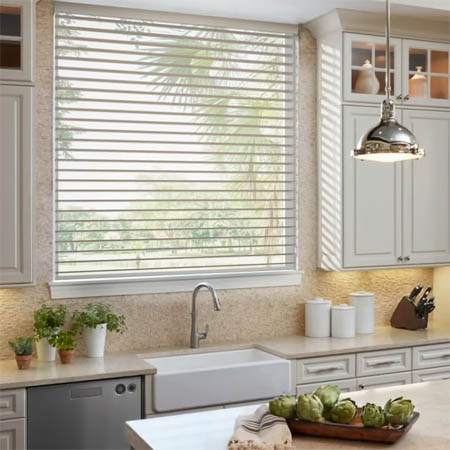
Bedrooms need blackout. Living rooms, kitchens, and home offices need something different. You want natural light during the day, but not so much that you're squinting at your laptop or dealing with screen glare during Zoom calls.
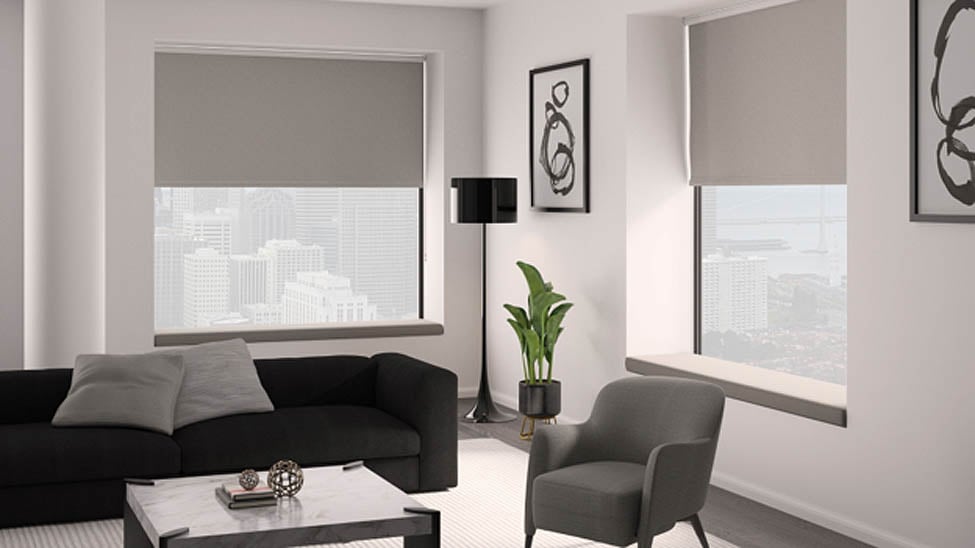
Solar shades filter light without eliminating it. They cut glare and UV rays but still let you see outside, which matters if you have a view worth keeping. The openness factor determines how much light gets through. A 3% openness blocks more than a 10% openness, but you lose some visibility.
Sheer shades give you a similar effect but with a softer look. They diffuse light instead of blocking it outright, so rooms stay bright without feeling harsh. West-facing windows that turn into spotlights during late afternoon get balanced out with these.
Zebra dual shades let you adjust on the fly. The alternating sheer and solid fabric bands align or overlap depending on how much light you want at any given moment. That flexibility matters when Daylight Savings shifts your afternoon light patterns by an hour, and you're trying to figure out what works.
Layering for Flexibility
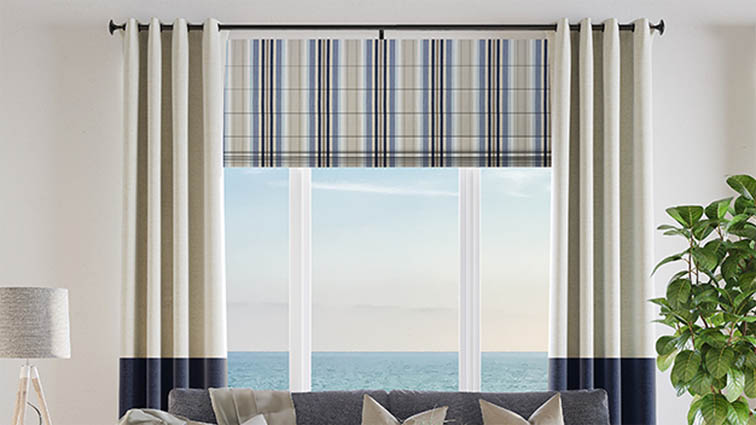
One treatment doesn't always cut it, especially in rooms where your light needs change throughout the day. Layering a sheer shade with a blackout roller shade gives you options. Sheer during the day for soft natural light, blackout at night or during those too-bright mornings after the springtime change.
You don't need to operate both every time. Most days, one or the other does the job. But when the time shift throws off your routine, having both means you're not stuck with a single solution that only works part of the time.
Layering also helps in rooms where you want privacy without losing all your light. Sheer shades keep people from seeing in during the day. Add blackout for nighttime or early mornings.
Energy Efficiency Matters More Than You Think
Daylight Savings happens right around the seasonal shifts when your heating or cooling bill starts climbing. Spring forward means longer, hotter afternoons. Fall back means colder mornings and evenings with less natural warmth.
Cellular shades insulate windows by trapping air in those honeycomb pockets. That helps in both directions. During spring and summer, they reduce heat gain from all that extra afternoon sunshine. During fall and winter, they keep warm air from escaping through your windows when it gets dark at 5 p.m.
Solar shades block UV rays and heat without eliminating light completely, so you're not running your AC as hard during those extended sunny evenings after the springtime change. The energy savings aren't dramatic on a daily basis, but they add up when you're dealing with a full season of shifted sunlight patterns.
Heating or cooling a room with lots of windows? The right window treatment makes a measurable difference. Not life-changing, but enough that you'll notice it on your utility bill.
Rooms That Need Different Treatments After the Time Change
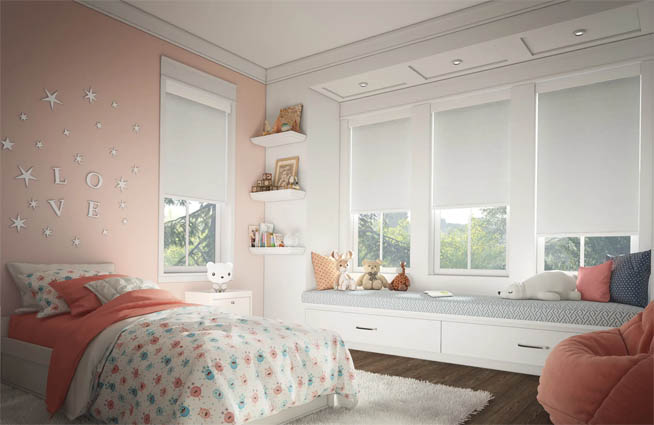
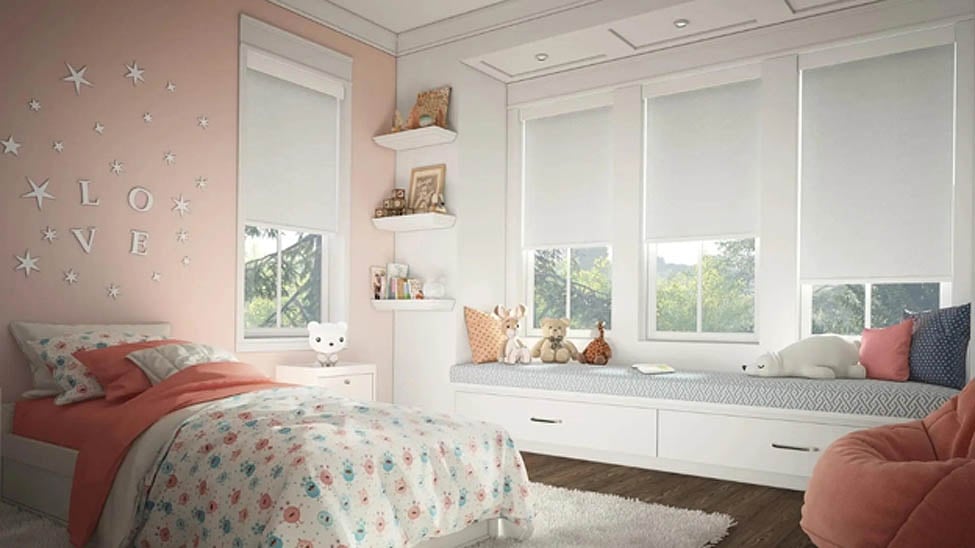
Kids' rooms are tough because they don't adjust to time changes as quickly as adults. Blackout shades help keep their sleep schedules consistent when sunrise suddenly happens an hour earlier, or sunset comes an hour earlier. You can't control when they wake up, but you can control how much light is in their room at bedtime.
Home offices need glare control more than anything. If you're on video calls during late afternoon and the time change just shifted golden hour to the middle of your workday, solar shades or light-filtering roller shades keep your screen visible without making the room feel dim.
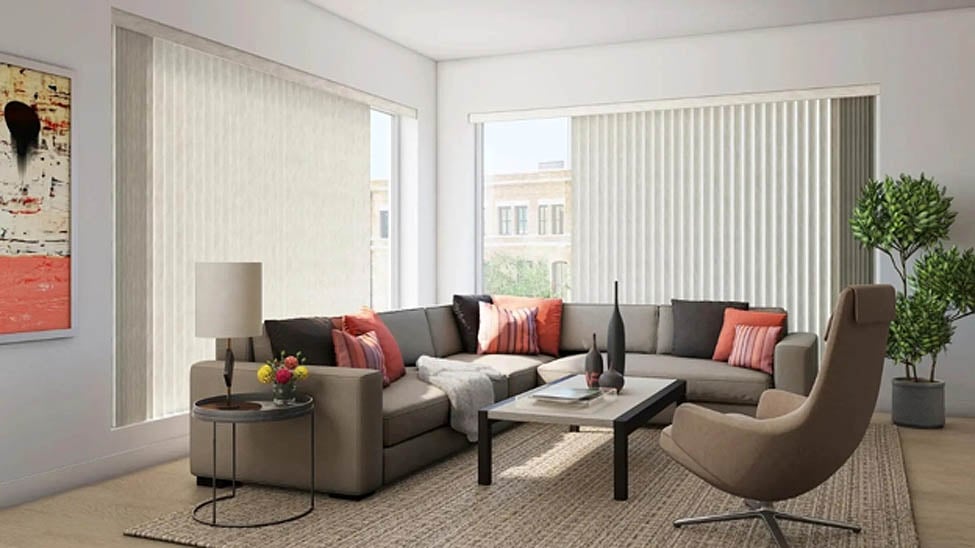
Living rooms and dining areas benefit from treatments that adjust easily. You want natural light when you're in there during the day, but you don't need it streaming through during dinner or movie time. Cordless or motorized options make adjustments effortless.
DIY Installation Keeps Costs Down
Professional measuring and installation adds $100-300 per window on top of the product cost, and that's before any consultation fees. Outfitting multiple rooms to handle Daylight Savings better? That markup adds up fast.
Most window treatments are designed for DIY installation if you measure correctly and follow the instructions. Inside mount requires precise measurements but gives you a cleaner look. Outside mount is more forgiving if your window frame isn't perfectly square.
Even cordless and motorized options are simple to install for most people. Plan for 30-45 minutes per window if you're doing it yourself. Measure twice, order and mount once.
Companies like Blindster provide detailed measuring and installation guides, so you're not guessing. Custom sizing by the inch means you're not stuck with standard sizes that don't quite fit your windows.
What Works Best Depends on Your Biggest Problem
If the springtime change is wrecking your sleep, blackout cellular or roller shades in the bedroom solve that. If fall's early darkness is making your living room feel like a dungeon by dinnertime, you need treatments that maximize whatever natural light you do have, not block it.
Glare from extended evening sun? Solar shades or sheers. Heat gain from longer afternoons? Cellular shades for insulation or solar shades to block UV. Privacy without losing light? Sheer or light-filtering options.
Daylight Savings happens whether you're ready or not. The right window treatments mean you're controlling the light instead of letting it control you.
- Standard vs Reverse Roll Roller Shade: Differences & How to ChooseBlinds, Shades & Shutters
- When to Repair vs Replace Your Window TreatmentsBlinds, Shades & ShuttersCommon Questions
- Common Mistakes When Ordering Blackout Shades (and How to Avoid Them)Blinds, Shades & ShuttersCommon Questions
- Are Vertical Blinds Still in Style?Blinds, Shades & ShuttersDesign & Decor
- Are Plantation Shutters Still in Style in 2026?Blinds, Shades & ShuttersCommon Questions