How to Insulate Your Home for Winter With Window Treatments
Why Windows Are a Problem in Cold Weather

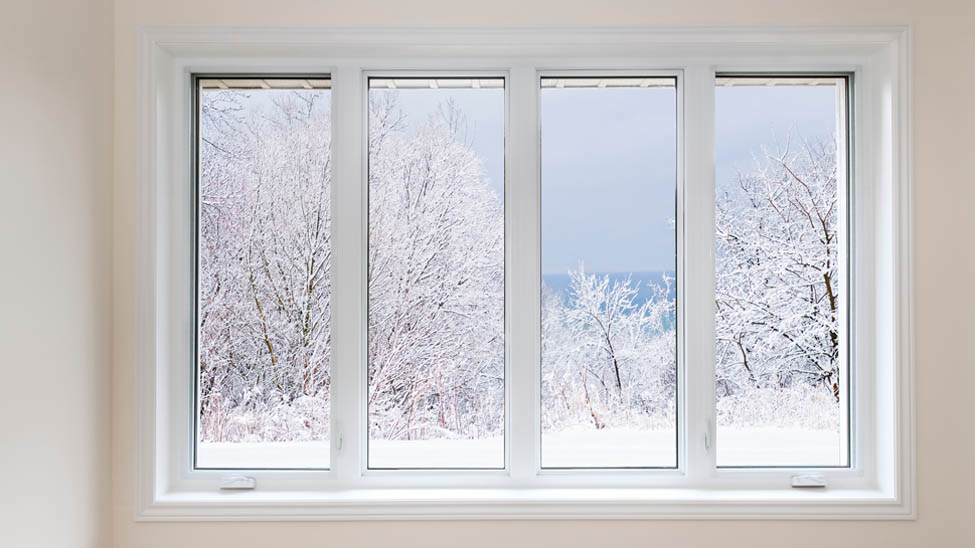
Glass conducts temperature pretty efficiently. When it's freezing outside, your window glass gets cold, and that cold radiates into your room. Put your hand near a window on a cold day and you'll feel it immediately. That chill isn't necessarily a draft. It's the cold surface of the glass pulling heat away from your skin through radiation.
Then there are actual drafts. Cold air sneaks through gaps in the frame, around the sash, through worn weatherstripping, or anywhere the seal has broken down over time. Most people's first instinct is to crank the thermostat. But you're just throwing money at a problem that keeps leaking out through your windows.
Cellular Shades Are the MVP Here
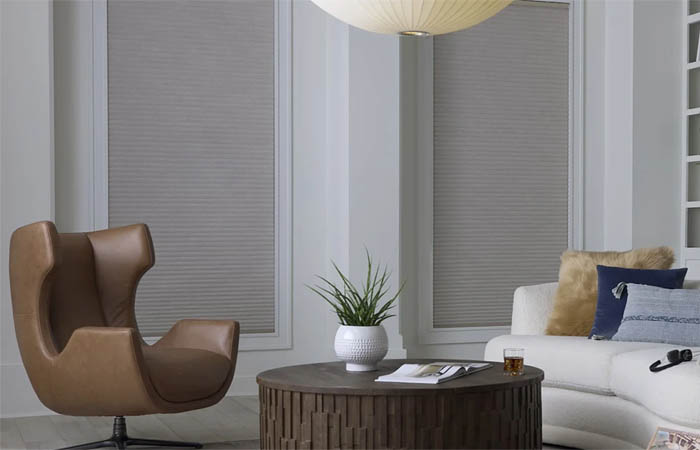
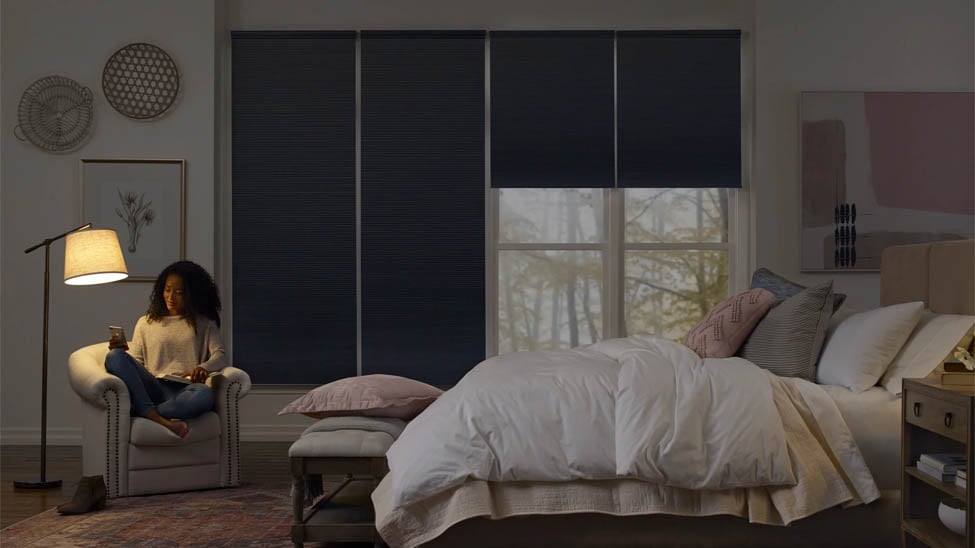
If you want the most effective window treatment for keeping heat in during winter, cellular shades (sometimes called honeycomb shades) are the answer. The design features pockets of air that create a barrier between your window and your room. Air is a lousy conductor of heat, so those little pockets act like insulation.
According to the U.S. Department of Energy, tightly installed cellular shades can reduce heat loss through windows by 40 percent or more. That translates to roughly 10 percent savings on heating energy. Not bad for something you were probably going to buy anyway for privacy and light control.
Single-cell shades work fine for most situations. Double-cell shades have two layers of pockets stacked on top of each other, which provides even more of a buffer. They're worth considering if you live somewhere with brutal winters or if you have older single-pane windows.
Blindster carries both single-cell and double-cell options in light-filtering or blackout fabrics. The blackout versions use slightly denser materials, which can add a small amount of extra insulating value on top of the cellular design.
One thing to consider: natural light is free heat. On sunny winter days, letting light stream through south-facing windows can warm your room passively. So you might want light filtering shades on windows that get good sun exposure, raising them during the day and lowering them at night for maximum insulation.
Roman Shades and Roller Shades Work Too
Cellular shades get the most attention for insulation, but they're not your only option.
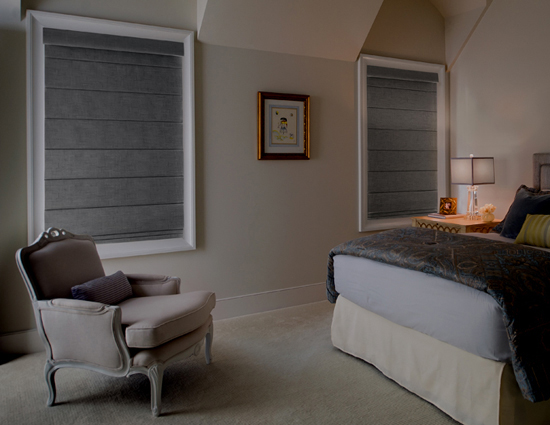
Roman shades are made from fabric that folds into pleats when raised. That fabric layer adds a decent amount of insulation on its own, especially with heavier materials. Some Roman shades come with thermal lining for an extra boost. If you have a classic decor style and the honeycomb aesthetic doesn't fit, Roman shades give you insulating performance with a more traditional look.
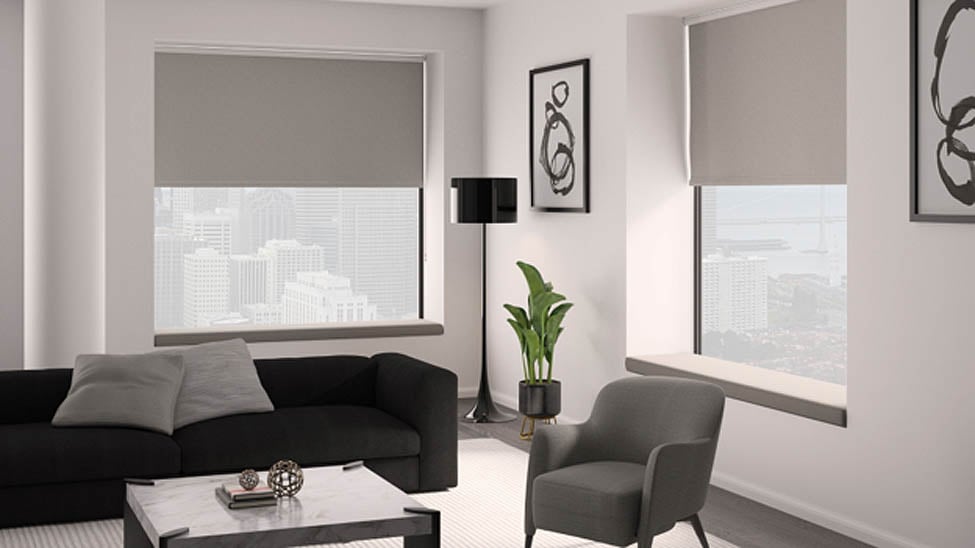
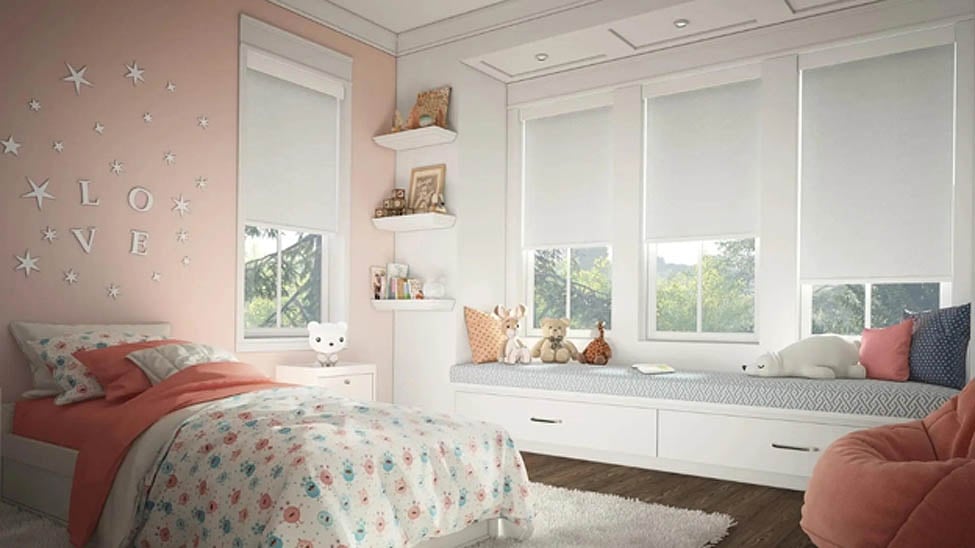
Roller shades are simpler in construction. They won't perform quite as well as cellular shades because there's no air-trapping honeycomb design, but a heavier fabric option still creates a barrier between you and the cold glass. Thicker fabrics marketed as room darkening or blackout provide a more substantial barrier than sheer materials.
Solar shades are a special case. They're designed to block UV rays and reduce glare while still letting you see outside. Great for summer, but for winter insulation, they're not ideal. The woven construction that lets you see through the shade also lets air pass through more easily.
What About Blinds?
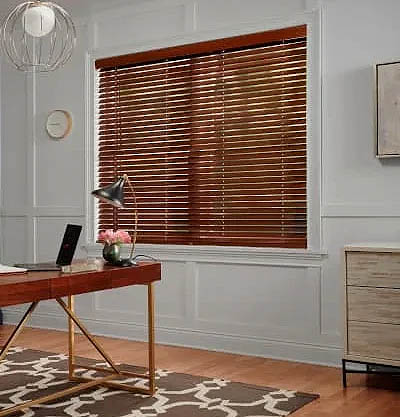
Blinds aren't typically the first recommendation for insulation because they have gaps between the slats. Even when closed, there's space for air to move through.
That said, they still help more than having nothing at all. Wood blinds and faux wood blinds create a physical barrier and reduce the amount of cold air that circulates directly into the room. While wood blinds are a more natural insulator, faux wood blinds are actually a better choice for windows that get a lot of condensation in winter since they won't warp from the moisture like real wood can.
If you're set on blinds for aesthetic reasons, they work best when paired with curtains or drapes. The blinds handle light control and privacy during the day, and the curtains add the insulating layer you need when temperatures drop.
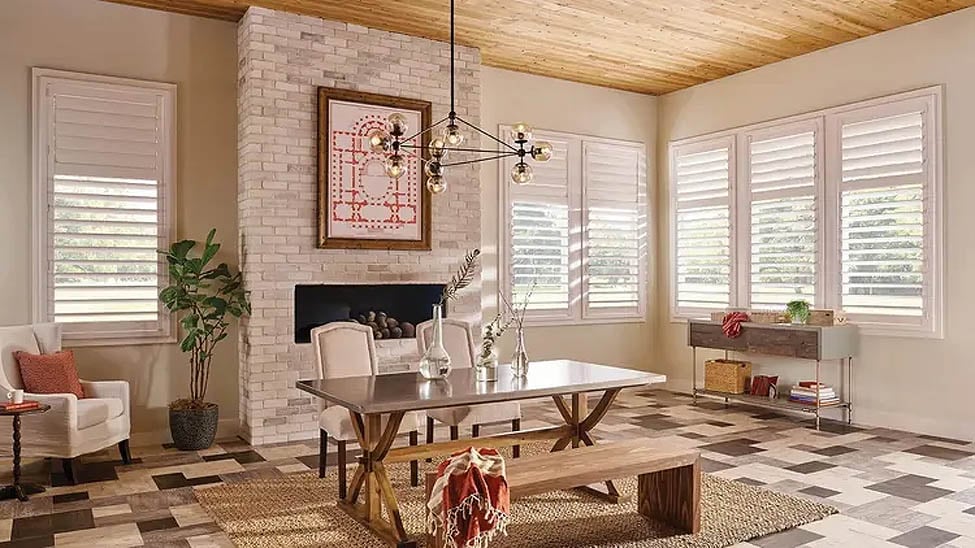
Plantation shutters also perform reasonably well. When the louvers are closed, they create a barrier similar to blinds but with less gap between the slats. Faux wood shutters have an advantage over real wood when it comes to both insulation and resistance to temperature-related warping.
Don't Forget About Fit
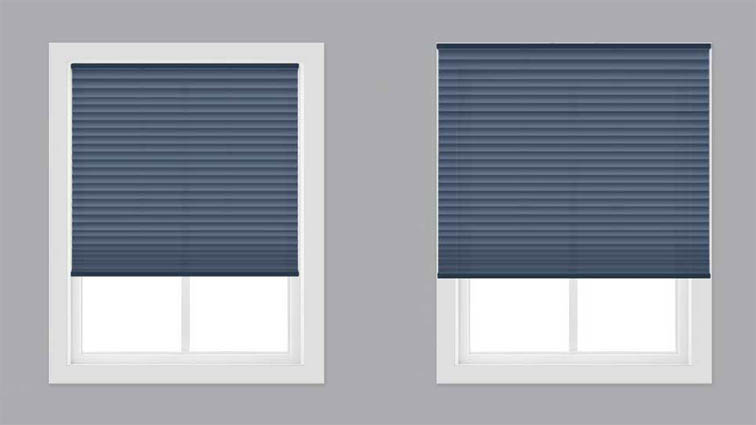
Here's the thing people overlook: how your window treatments are mounted matters as much as what you choose.
An inside mount looks clean and showcases nice window trim. But for insulation purposes, an outside mount is usually better. When you mount outside the frame, the window treatment covers more area. It blocks drafts that might sneak around the edges and reduces the amount of cold air circulating between the window and the room.
If insulation is your main goal, go wider and taller than the window opening itself. A few extra inches on each side makes a real difference.
For cellular shades specifically, side tracks are available that hold the edges close to the wall or frame. The DOE notes that cellular shades operating on side tracks are most effective at increasing the R-value of windows. If you're investing in cellular shades primarily for winter insulation, side tracks are worth considering.
The Layering Strategy
Some folks get the best results by layering window treatments. A cellular shade close to the glass handles the heavy lifting on insulation. Then a set of heavier curtains on top adds another layer of protection.
The curtains create an additional air pocket between themselves and the shade, adding more insulating value. They also cover any gaps around the edges of the shade, reducing drafts.
It's not always necessary, but if you have a particularly cold room or windows that face north, layering is worth trying. North-facing windows are often the coldest in the house because they never get direct sunlight.
Quick Room Considerations
Living rooms with large or multiple windows benefit from cellular shades. If you have a wall of windows, motorized options let you raise and lower them all at once.
Bedrooms do well with blackout cellular shades for insulation plus darkness for better sleep.
Kitchens and bathrooms need moisture-resistant options. Faux wood blinds or moisture-resistant roller shades are solid choices here.
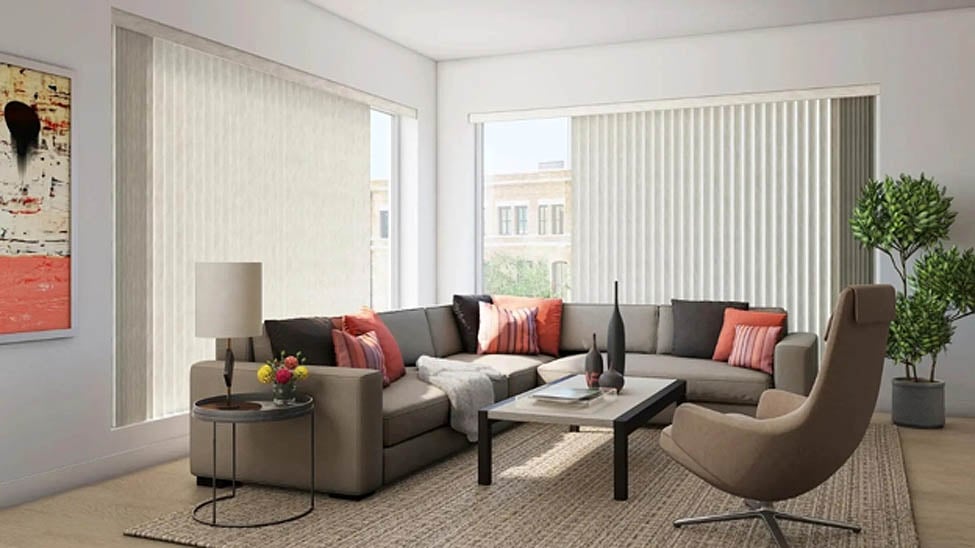
Sliding glass doors lose a lot of heat. Vertical blinds are common but not great for insulation. Cellular shades sized to fit sliding doors perform better.
Putting It All Together
Cellular shades are your best bet for insulation. The DOE says they can reduce heat loss through windows by 40 percent or more when tightly installed. Double-cell shades outperform single-cell. Roman shades and heavier roller shades are solid alternatives. Blinds help but work better with a curtain layer. Shutters offer moderate insulation with a classic look.
Mount outside the frame when possible. Consider side tracks for cellular shades. Layer window treatments for especially cold rooms. And use them strategically throughout the day, opening on sunny days to let free solar heat in and closing at night.
Your windows don't have to be a liability once the temperature drops. The right window treatments can make a room noticeably warmer without touching your thermostat.
- Standard vs Reverse Roll Roller Shade: Differences & How to ChooseBlinds, Shades & Shutters
- When to Repair vs Replace Your Window TreatmentsBlinds, Shades & ShuttersCommon Questions
- Common Mistakes When Ordering Blackout Shades (and How to Avoid Them)Blinds, Shades & ShuttersCommon Questions
- Are Vertical Blinds Still in Style?Blinds, Shades & ShuttersDesign & Decor
- Are Plantation Shutters Still in Style in 2026?Blinds, Shades & ShuttersCommon Questions