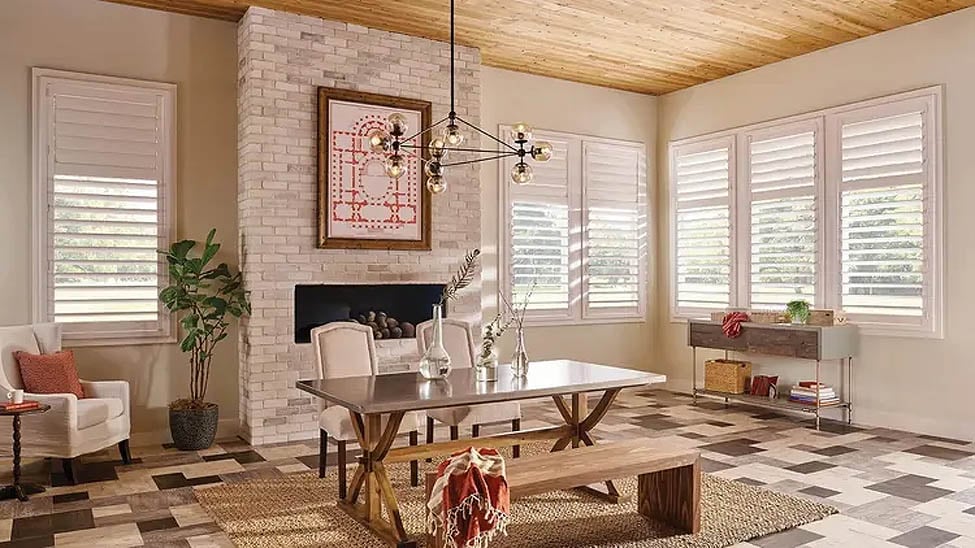
Best Window Treatments for Summer or Spring
When the weather warms up, your windows become either your best asset or your biggest liability. The right window treatments can keep your home comfortable without cranking the AC to arctic levels, while the wrong ones turn your living room into a greenhouse.
Here's what works when you want to keep heat out, let the good light in, and maybe even save some money on your energy bill.
Solar Shades: The Heat Blocker
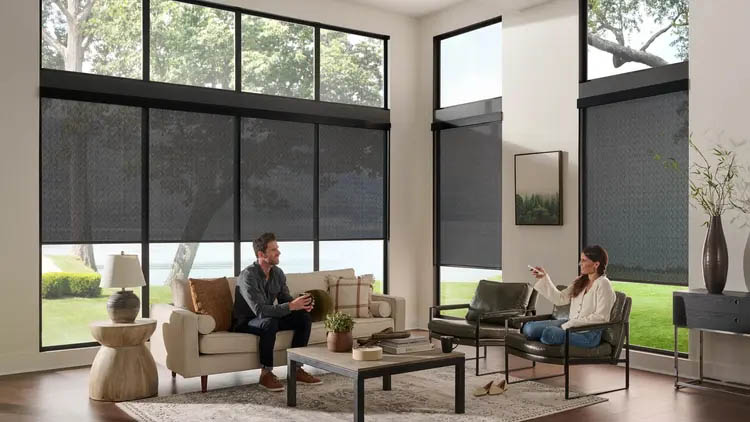
Solar shades are designed to do one thing better than anything else: deflect heat and UV rays while maintaining your view.
Manufacturers weave the fabric with varying degrees of openness, measured in percentages. A 1% openness means a tighter weave and more UV protection. A 10% openness lets more brightness through but still cuts glare and warmth. You can see through them during the day, but people outside can't see in (at night with lights on, that reverses).
Privacy after dark requires layering with something else. But if your goal is keeping a south-facing room from turning into a sauna while still being able to see your yard, solar shades are hard to beat.
Most DIYers can handle installation without much trouble. The shade rolls up into a cassette or exposed roller, and mounting brackets attach to either the window frame or the wall above it. Measuring is critical, though. Order too narrow, and you get gaps that let sunlight pour through. Custom sizing by the eighth of an inch solves that problem.
Cellular Shades: Insulation That Works Both Ways
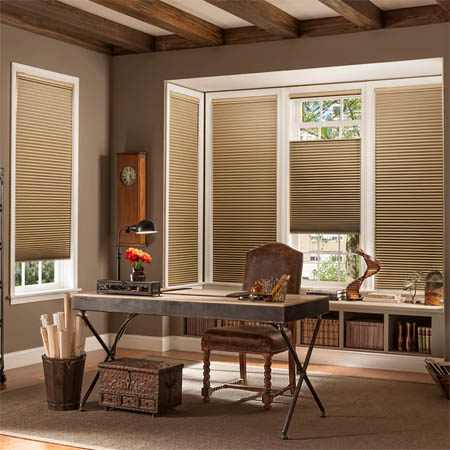
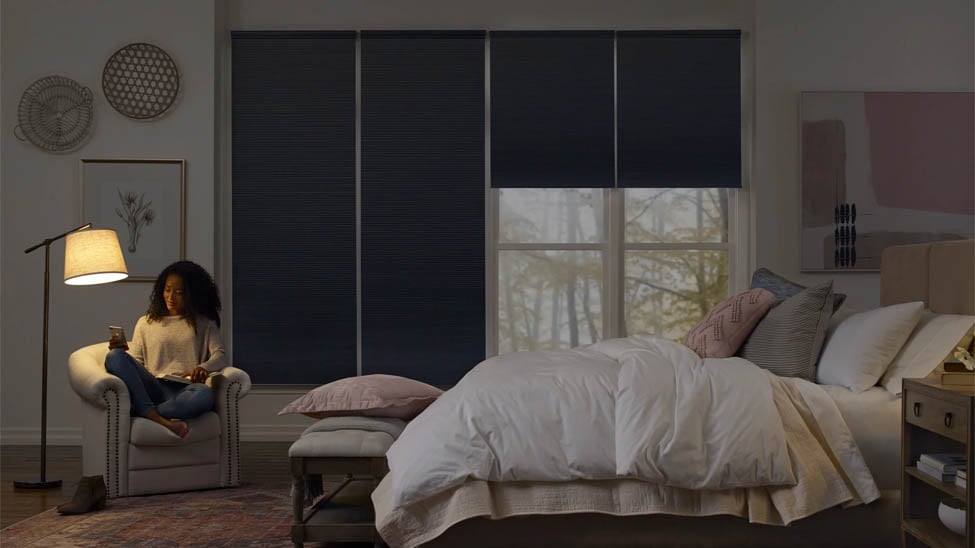
Cellular shades (sometimes called honeycomb shades) trap air in their pockets, which creates an insulating barrier between your window and your room.
People think of insulation as a winter thing, but it works in summer too. Those air pockets keep warmth from transferring through the glass into your home. Blackout cellular shades go further by stopping both thermal transfer and sunlight, which is ideal for bedrooms or media rooms.
Single-cell shades are thinner and less insulating but still effective. Double-cell shades have two layers of pockets and provide better temperature control. For spring and summer, a single cell is usually enough unless you're dealing with intense sun exposure.
Cordless versions look cleaner and are safer if you have kids or pets, but the operation is different from pull-cord models. You lift or lower the shade by hand, and the tension mechanism holds it in place. Corded versions use a looped cord pull system. Neither is complicated, but knowing which type you're ordering matters for installation and daily use.
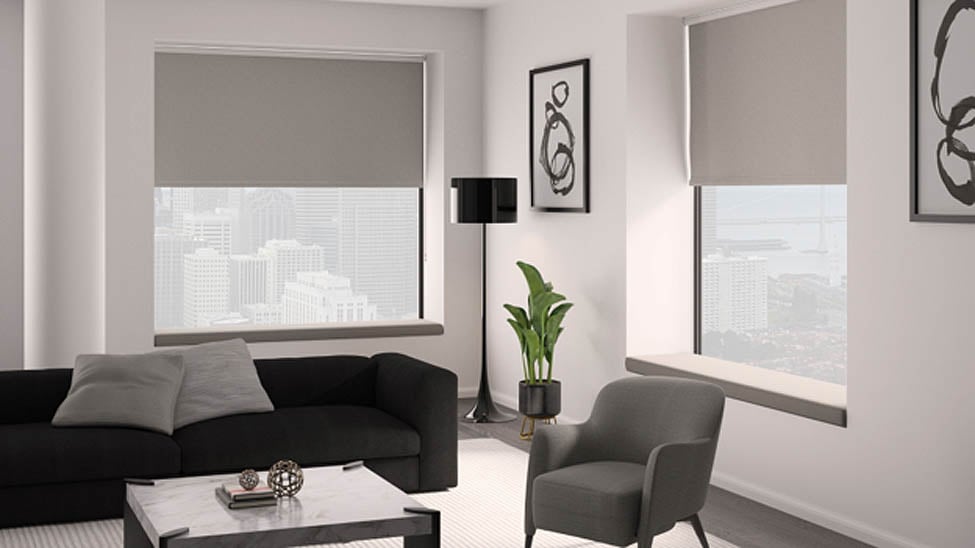
Roller Shades: Simple and Effective
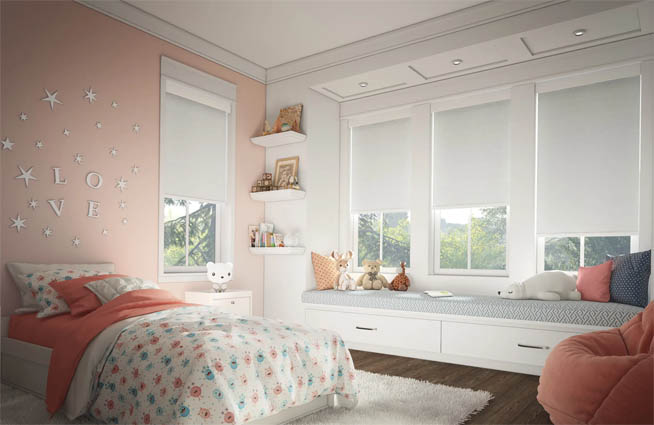
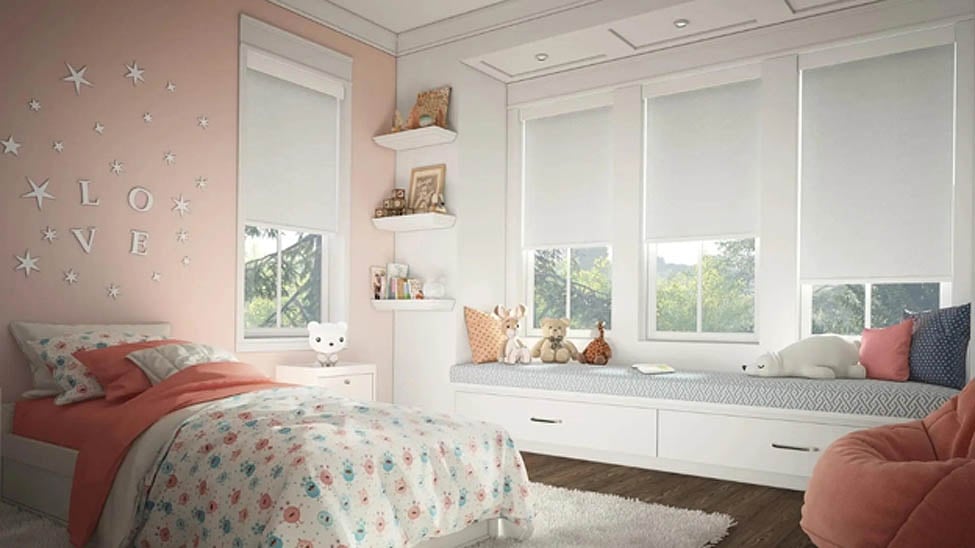
Roller shades are exactly what they sound like. Fabric that rolls up and down on a tube.
Light-filtering or blackout options define how they perform. Light-filtering softens harsh sunlight without stopping it completely. Blackout prevents both brightness and heat more aggressively. Fabric choice matters here more than the mechanism.
For spring and summer, lighter colors reflect warmth better than dark colors. A white or cream blackout roller shade will keep a room cooler than a charcoal one, even if both stop the same amount of sunlight.
Mounting options are inside or outside the window frame. Inside mount sits within the frame for a cleaner look, but requires accurate measurements. Outside mount covers the entire window and then some, which can help with gaps where brightness sneaks in, but looks bulkier.
If you're ordering custom roller shades from companies like Blindster, you can get them sized to the exact eighth of an inch for width and length. That precision matters especially for inside mounts, where even a quarter inch off can cause problems.
Sheer Shades: Light Without the Heat
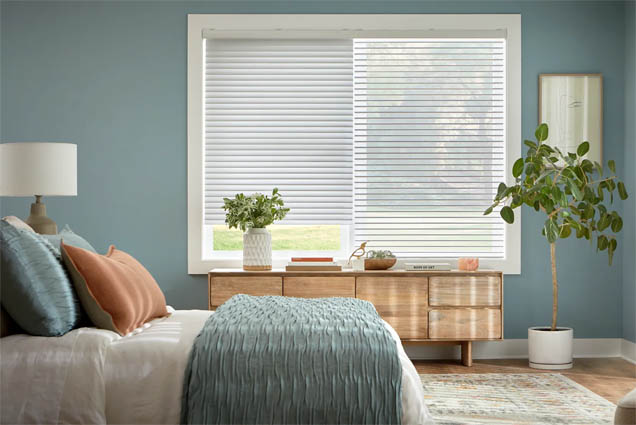
Sheer shades look delicate but pack more function than their appearance suggests.
Fabric vanes suspend between two sheer panels. When the vanes are open, you get diffused natural brightness and a view out. When closed, you get privacy and control without going completely dark.
Even when the vanes are open, the sheer panels filter UV rays, which protects your furniture and floors from sun damage while keeping the room bright. That's useful in spring when you want natural illumination but don't want fading on your couch.
Don't expect these to stop heat as aggressively as solar shades or blackout cellular shades, but consider them a solid middle ground if you care more about aesthetics and natural brightness than maximum temperature control.
Bamboo Shades: The Natural Option
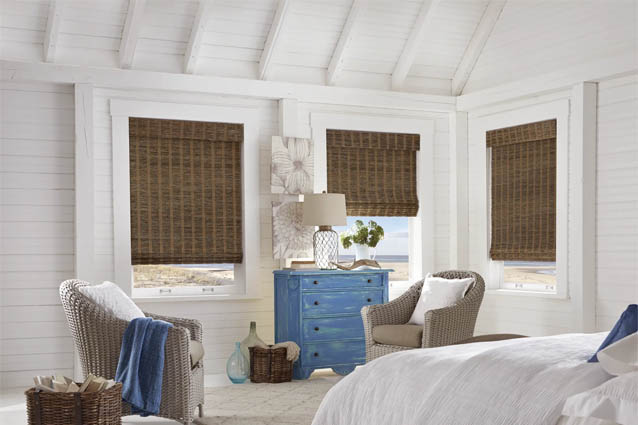
Woven from natural materials like bamboo, jute, or grasses, these shades filter sunlight naturally and create a warm glow instead of harsh glare.
Weave tightness varies. Tighter weaves stop more brightness and warmth. Looser weaves let more through, but still soften it.
Bamboo shades work well in covered porches, sunrooms, or anywhere you want a casual, natural look. Privacy requires a liner unless you get a tight weave, which reduces some of the natural illumination benefits but gives you options for different times of day.
One thing to know: bamboo shades can be heavier than fabric shades, which affects how smoothly the roll-up mechanism operates. If you're installing them yourself, make sure your mounting brackets are secure enough to handle the weight.
What About Blinds?
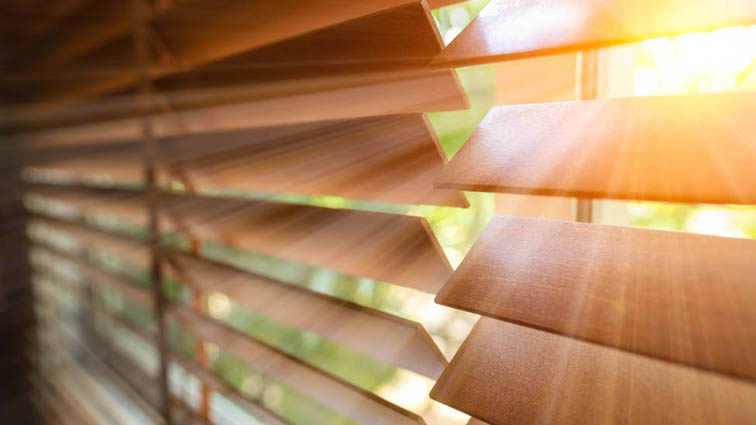
Blinds can work for spring and summer, but shades typically outperform them for temperature control.
Faux wood blinds and wood blinds have slats that tilt to control brightness, but even when fully closed, small gaps exist where warmth and sunlight sneak through. Aluminum mini blinds are lighter and cheaper, but have the same gap issue.
If you already have blinds and you're happy with them, angling the slats to deflect direct sun helps. Tilting them so the top edge faces the room and the bottom edge faces the window reflects rays back outside instead of into your space.
But if you're buying new treatments specifically for keeping your home cool, shades give you better performance.
Layering for Flexibility
Some people layer window treatments to get the best of both options.
A light-filtering roller shade during the day, then blackout cellular shades at night. Or solar shades for daytime use and roman shades for privacy and a softer look with extra heat blocking. Layering adds cost and complexity, but it gives you more control over brightness and temperature throughout the day.
If you go this route, plan your mounting depth. Two sets of treatments need space. Inside-mount shades can stack inside the window frame if there's enough depth. Outside-mount treatments need wall space above the window.
The DIY Cost Factor
Professional window treatment installation typically adds a significant expense on top of the product cost itself. Measuring fees, installation markup, the whole thing.
Custom-sized treatments designed for DIY installation cut out that middleman expense. You measure your own windows (detailed instructions are usually provided), order the exact dimensions you need, and install them yourself with basic tools.
For a whole house, that difference can be substantial. Spring cleaning your budget makes as much sense as spring cleaning your house.
Measuring Matters More Than You Think
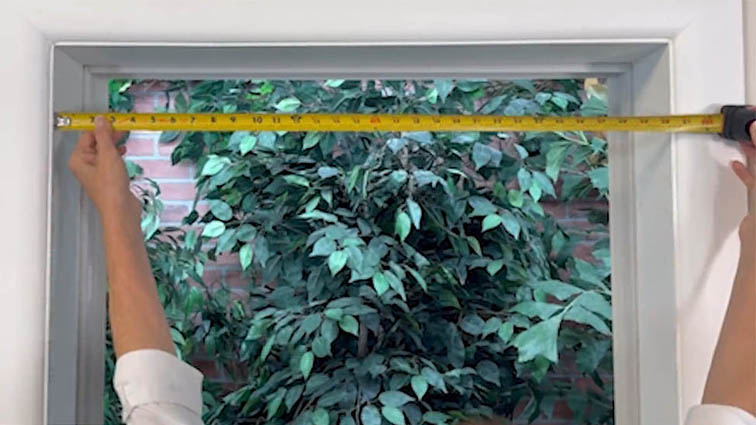
Custom window treatments only work if you measure correctly. Always use a steel measuring tape and measure to the nearest 1/8", rounding down if necessary.
For inside mount, you need the width and height of the window opening at three points each (top, middle, bottom for width; left, center, right for height). Use the smallest measurement to ensure the shade fits. For outside mount, measure where you want the treatment to sit, accounting for overlap on all sides.
A quarter inch mistake on an inside mount means your shade won't fit. Double-checking your measurements before ordering saves you from having to reorder or force something into a space it wasn't made for.
Blindster provides detailed measuring guides with diagrams to make it easy. Following them exactly matters more than general handyman skills.
Spring and Summer Priorities
Your priorities shift depending on the season and the room.
South-facing windows get the most sun, so installing treatments that stop heat transfer matters most there. West-facing windows get afternoon warmth, which can be brutal in summer. East-facing windows get morning sun, which is usually less intense but still worth managing. North-facing windows get the least direct exposure.
If you're only treating some windows, start with the ones that make your space uncomfortable. One well-placed solar shade on a problem window does more for your comfort than light-filtering treatments on every window in the house.
The best window treatment for spring or summer depends on whether you're fighting heat, managing brightness, or trying to do both without losing your view. Solar shades and cellular shades handle temperature control. Roller shades and sheer shades balance illumination and privacy. Bamboo shades split the difference with style.
Pick based on the problem you're solving, not what looks good in a showroom. Your AC bill will thank you.
- Standard vs Reverse Roll Roller Shade: Differences & How to ChooseBlinds, Shades & Shutters
- When to Repair vs Replace Your Window TreatmentsBlinds, Shades & ShuttersCommon Questions
- Common Mistakes When Ordering Blackout Shades (and How to Avoid Them)Blinds, Shades & ShuttersCommon Questions
- Are Vertical Blinds Still in Style?Blinds, Shades & ShuttersDesign & Decor
- Are Plantation Shutters Still in Style in 2026?Blinds, Shades & ShuttersCommon Questions