French Door Window Coverings: Ideas for Privacy, Light, and Design
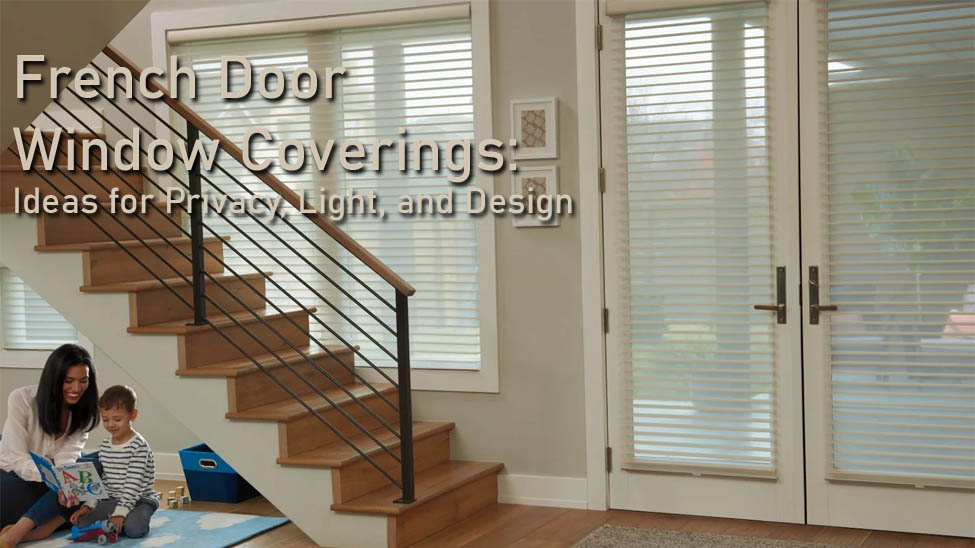
French doors bring a room to life with natural light and a sense of openness, but they also create a real challenge when it comes to privacy, light control, and keeping the space looking intentional rather than cluttered. The glass panels that make them beautiful are the same reason you need window treatments that can keep up, coverings that sit close to the door, move with it without catching or dragging, and still look like they belong in the room.
Choosing the right french door window coverings comes down to understanding which styles are built for doors that swing, slide, or stay still, and which ones will solve the specific problem your room is asking you to fix.
Which Window Treatments Work Best on French Doors
Not every window treatment that looks great on a standard window translates well to a french door. Doors open and close, handles get in the way, and anything that hangs too far from the glass swings and catches every time someone walks through. The best french door window treatments sit flush against the glass or mount tightly within the door frame so they stay put when the door moves.
Roller Shades for a Clean, Modern Profile
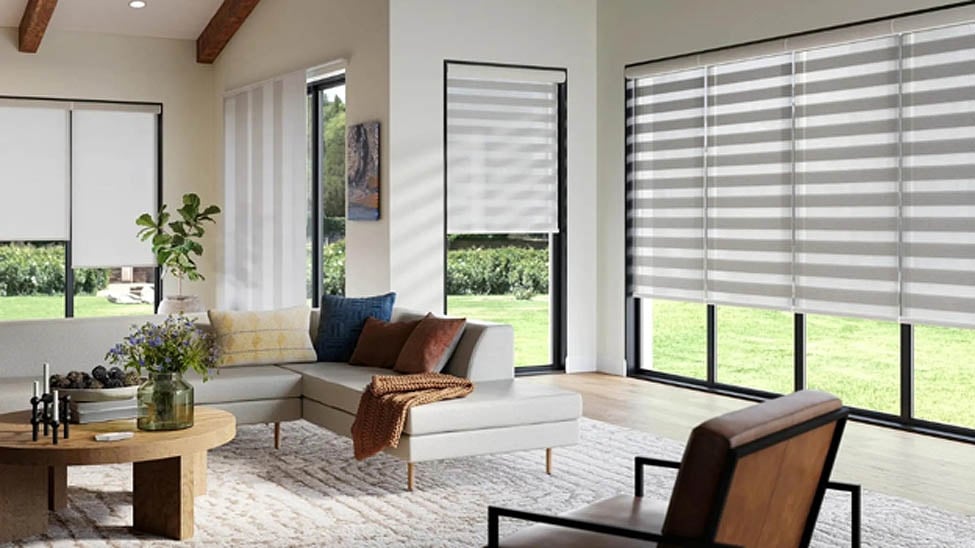
Roller shades are one of the most popular choices for french doors because they sit flat against the glass and take up almost no depth. A single panel of fabric rolls up neatly at the top when you want full light, and drops down smoothly when you want privacy. For french doors, look for shades with hold-down brackets at the bottom rail, which keep the shade from swinging when the door opens and closes. Light-filtering roller shades soften the glare while preserving the view, and blackout roller shades are ideal if your french doors face a bedroom or media room.
Cellular Shades for Privacy and Insulation
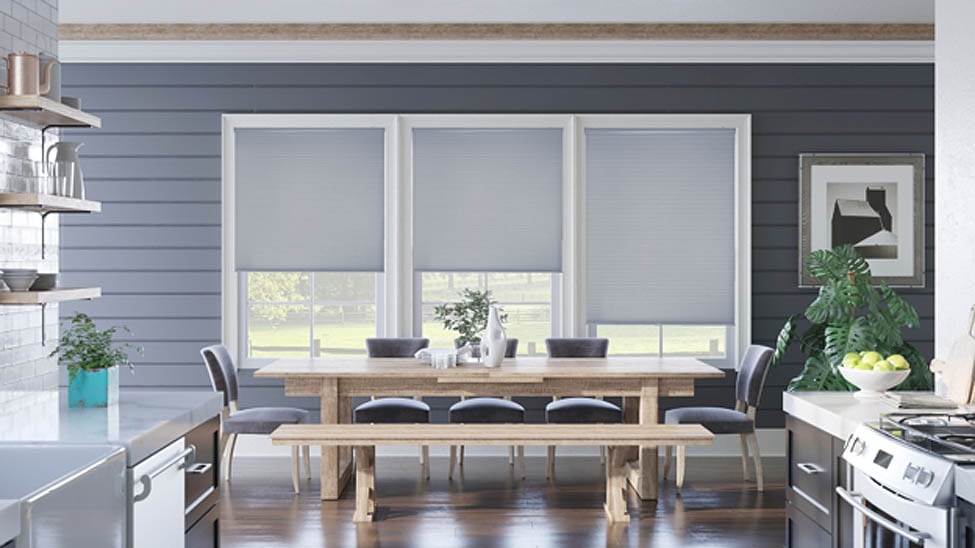
Cellular shades bring two benefits that matter on french doors: real privacy and genuine insulation. The honeycomb structure traps air between your glass and the room, which helps regulate temperature in spaces where large glass panels let heat in during summer and cold in during winter. Top-down, bottom-up cellular shades are a particularly smart choice for french doors because you can lower the top half for light while keeping the bottom raised for privacy, or adjust both halves independently depending on the time of day. Cordless operation keeps the look clean and avoids tangling with door handles.
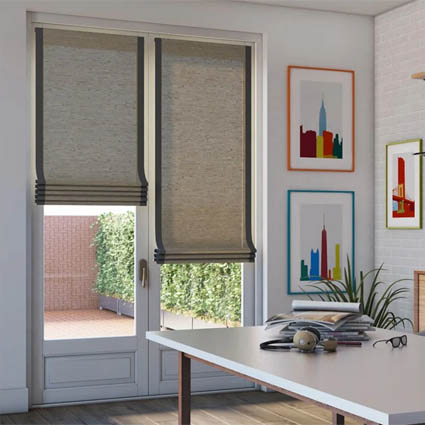
Roman Shades for Refined Warmth
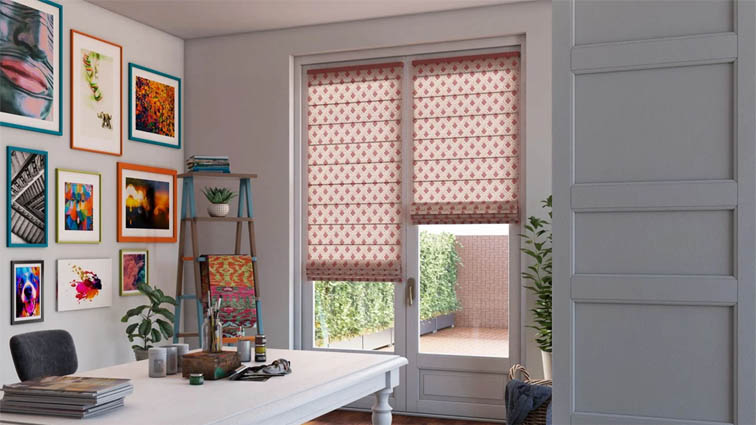
Roman shades bring a soft, layered look that adds warmth and texture to french doors, especially in more traditional or transitional spaces. The fabric folds neatly as the shade is raised, creating a tailored appearance that curtains rarely achieve on doors. Choose a flat fold for a streamlined fit or a soft fold for a more relaxed drape. Motorized versions make adjustment effortless, which is convenient when your doors are in constant use. Roman shades come in a wide range of fabrics from crisp linens to structured weaves, so you can match almost any room.
Faux Wood and Wood Blinds for Adjustable Control
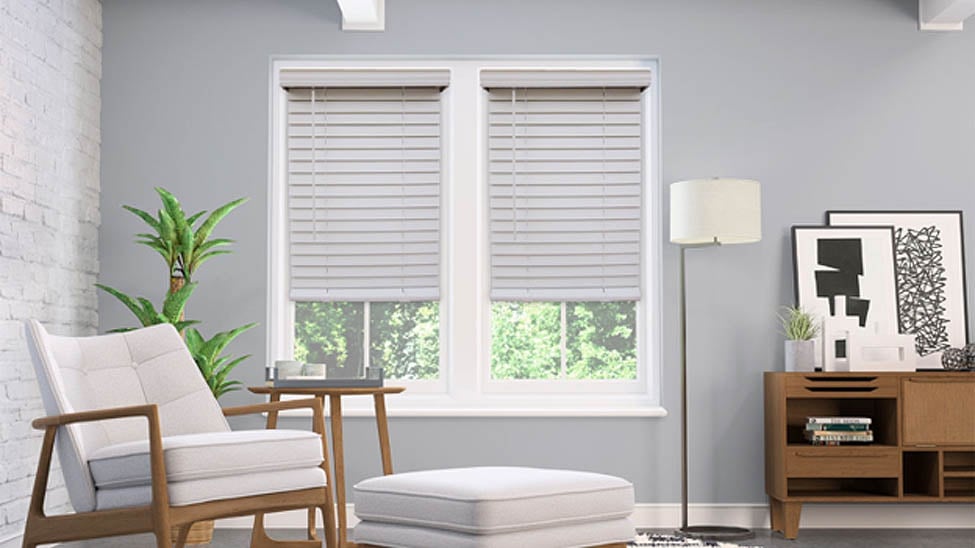
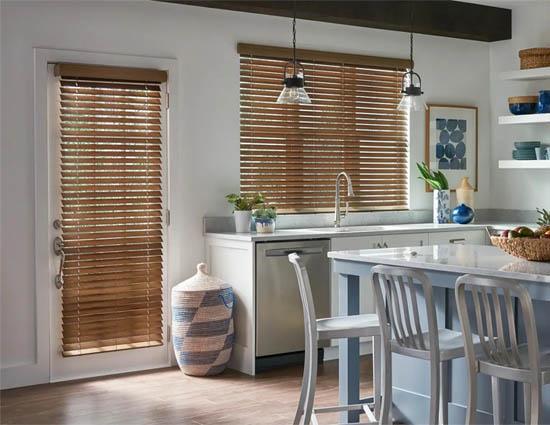
Faux wood blinds are a practical and classic option for french doors. You can tilt the slats to fine-tune exactly how much light enters the room, close them completely for privacy, or raise them fully to show off the glass. Faux wood resists moisture and warping, which makes it a strong choice for doors near kitchens or patios where humidity fluctuates. For a richer, more traditional aesthetic, wood blinds offer the same adjustable light control with a natural warmth that pairs well with hardwood floors and classic interiors. Hold down brackets or door brackets are recommended to hold the bottom rail in place to help prevent swaying.
Bamboo Shades for a Natural, Textured Look
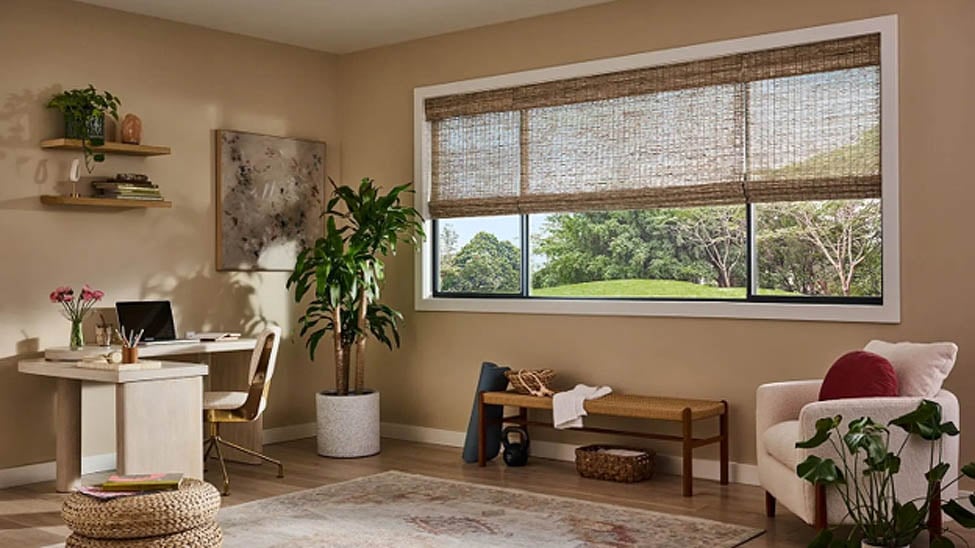
Bamboo shades pair beautifully with french doors, especially in rooms with neutral tones, earthy decor, or a relaxed coastal feel. The organic texture of woven wood creates visual warmth without heaviness, and the natural filtering effect softens light without blocking it entirely. Bamboo shades are available in finishes ranging from natural blonde to deeper stains, so you can match the mood of almost any space while keeping the look grounded and natural.
Plantation Shutters for Lasting Elegance
Plantation shutters offer a timeless, architectural quality that works especially well on french doors in formal living rooms, entryways, and dining areas. The wide louvers tilt for precise light control and privacy, and because shutters mount directly to the door frame, they move with the door and never swing free. Shutters also provide excellent insulation and are among the most durable window treatments you can install on a door. Choose faux wood for moisture resistance or real wood for a traditional finish.
Privacy Without Blocking Light
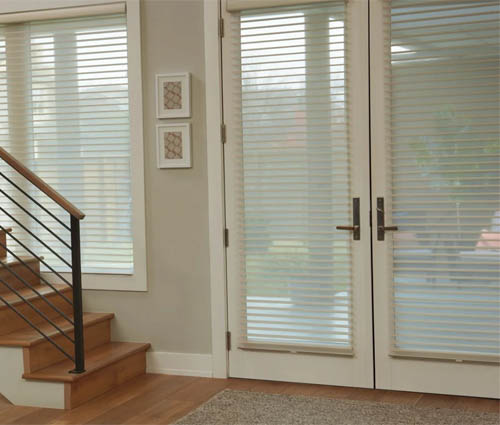
If your french doors face a neighbor, a street, or a busy outdoor area, privacy is likely the first concern. Sheer shades and light-filtering cellular shades both let natural light pass through while obscuring the view from outside, which solves the problem without making the room feel dark. Top-down bottom-up shades give you even more flexibility because you can cover just the lower half of the door for privacy while leaving the top half open for light and sky views.
Finding the Right Fit for Doors That Move
Every french door window treatment at Blindster is custom-made to your exact measurements, which matters more on doors than almost anywhere else. A shade that is even slightly too wide will catch on the frame or handle every time the door swings. You can order up to ten free samples to see and feel materials in your own space before committing, and the Fit or Free Guarantee means if something does not fit, even if you measured incorrectly, we will remake it at no charge.
Frequently Asked Questions
What type of blinds do you put on French doors?
Faux wood blinds are one of the most popular choices because they sit close to the glass, offer full light and privacy control through tiltable slats, and resist warping from temperature changes near exterior doors. Cellular shades and roller shades are also excellent options depending on whether insulation or a sleek profile matters most to you.
What is the best window covering for a French door?
The best option depends on your priority. Cellular shades are ideal if you want insulation and privacy. Roller shades work well if you prefer a modern, low-profile look. Roman shades add warmth and texture for traditional spaces. All three sit flush against the glass and move cleanly with the door.
What is the alternative to vertical blinds for French doors?
Roller shades, cellular shades, and Roman shades are all popular alternatives that offer a cleaner, more contemporary look than vertical blinds. Each sits flat against the glass panel and operates without the swinging vanes that make vertical blinds catch on door handles and furniture.
What can you put on a French door for privacy?
Light-filtering cellular shades and sheer shades both obscure the view from outside while still allowing natural light through. Top-down, bottom-up shades give you the most flexibility because you can cover just the lower portion of the door for privacy while leaving the upper half open for light.
Do you put blinds or curtains on French doors?
Blinds and shades tend to work better than curtains on french doors because they mount flush against the glass and do not catch or drag when the door opens and closes. Curtains can work on french doors that stay mostly stationary, but for doors in regular use, a close-fitting shade or blind is the more practical and polished choice.
- The Best Dust-Resistant Blinds for Cleaner Homes & Less AllergiesBlinds, Shades & ShuttersHome Advice
- How Classic Value Faux Wood Blinds Compare to Real Wood and Faux Wood OptionsBlinds, Shades & Shutters
- Best Window Treatments for Living Rooms: Style, Light, and Privacy GuideBlinds, Shades & ShuttersDesign & Decor
- What Cell Size Do I Need? Cellular Shade Sizes ExplainedBlinds, Shades & Shutters
- How to Choose the Perfect Bamboo Shades for Your HomeBlinds, Shades & ShuttersHow To