The Best Dust-Resistant Blinds for Cleaner Homes & Less Allergies
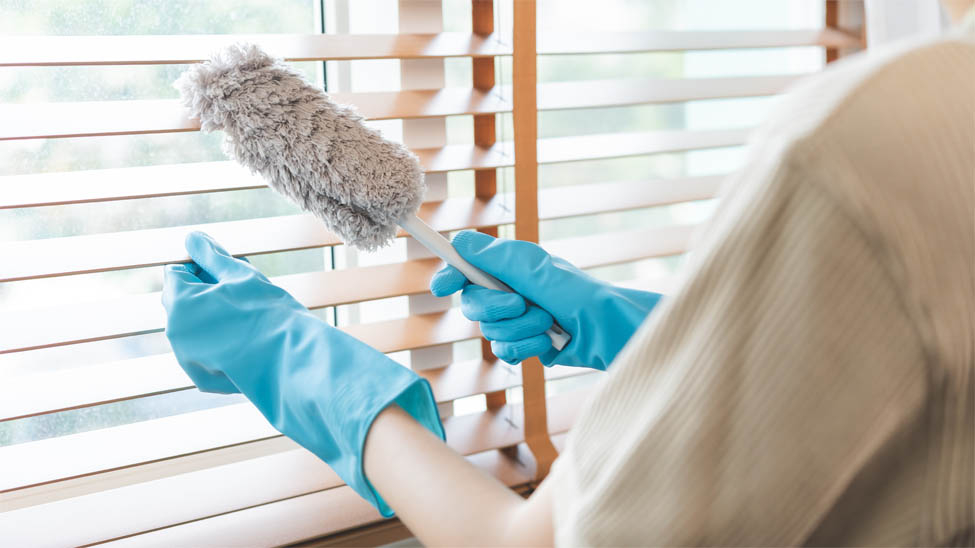
Every home collects dust. It drifts in through open windows, rises from foot traffic, and settles on the surfaces you cleaned just yesterday. For anyone living with seasonal allergies or simply wanting a space that feels lighter and more cared for, the materials you surround yourself with matter more than you might think.
Window treatments sit at the intersection of light, airflow, and design. They also happen to be one of the most overlooked places where dust, pollen, and pet dander quietly gather. Certain blinds and shades, though, are built with smooth surfaces and streamlined silhouettes that resist dust rather than collect it, making your home both easier to maintain and more comfortable to breathe in.
The Quiet Connection Between Dust and Your Windows
Dust is not a single substance. It is a blend of skin cells, pollen, fabric fibers, pet dander, and microscopic particles that float through your home and settle wherever they find a resting place. Window treatments are especially prone to buildup because they sit near airflow from windows, doors, and vents.
The type of window covering you choose determines how much dust accumulates and how easily you can remove it. Deep folds, textured weaves, and tightly spaced horizontal slats create more surface area for particles to cling to. Smooth, flat, or vertical designs give dust far fewer places to hide.
What Makes a Blind Dust-Resistant
A dust-resistant blind has three qualities working together. Its surface is smooth and non-porous, so particles rest on top rather than embedding into fibers. Its design reduces horizontal ledges where dust can collect. And it cleans quickly with a soft cloth or light vacuuming, which means you are more likely to maintain it regularly.
The Best Dust-Resistant Blinds by Style
Not every window covering handles dust the same way. Material, shape, and construction all affect how much dust gathers and how much effort it takes to keep your blinds looking fresh. Here are the styles that perform best for cleaner homes and fewer allergy triggers.
Roller Shades
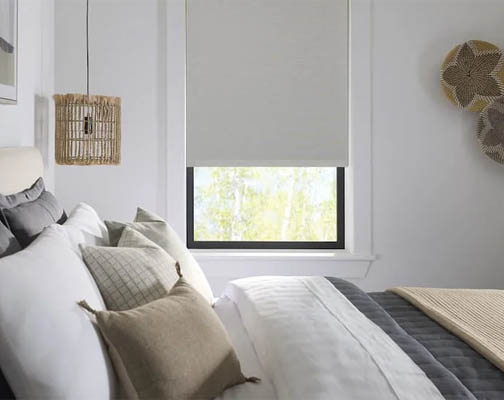
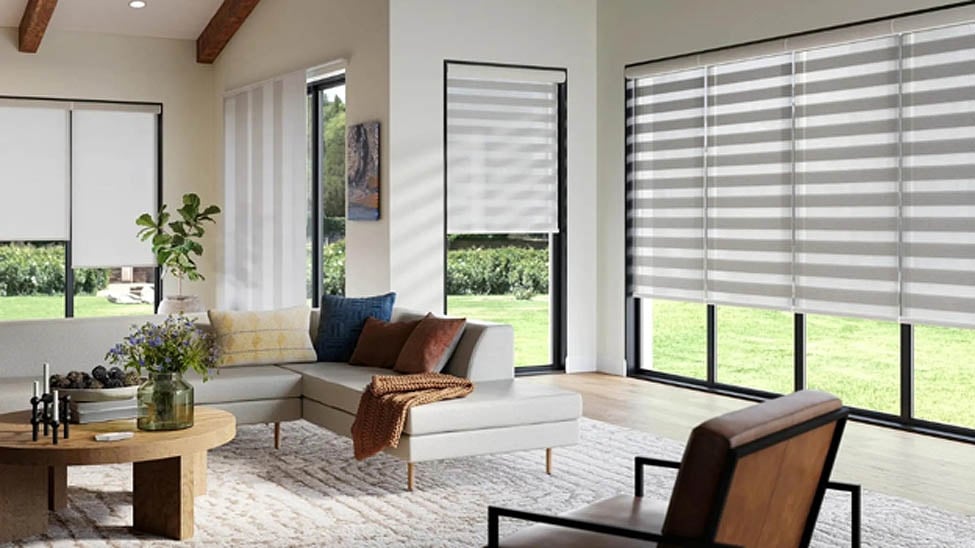
Roller shades are one of the most naturally dust-resistant options you can choose. A single, continuous piece of fabric rolls around a tube at the top of your window, leaving no slats, folds, or crevices where dust can settle.
When fully raised, roller shades tuck away neatly and expose nothing to airborne particles. When lowered, their flat profile makes wiping them down with a damp cloth a task that takes less than a minute. For anyone looking for blinds for allergies, roller shades are one of the cleanest and most low-maintenance choices available. Blindster's collection includes light filtering, room darkening, and blackout fabrics, so you can match each room's privacy and light needs.
Faux Wood Blinds
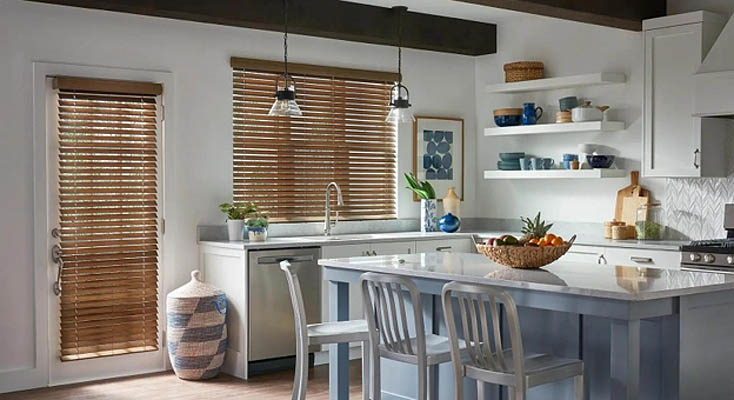
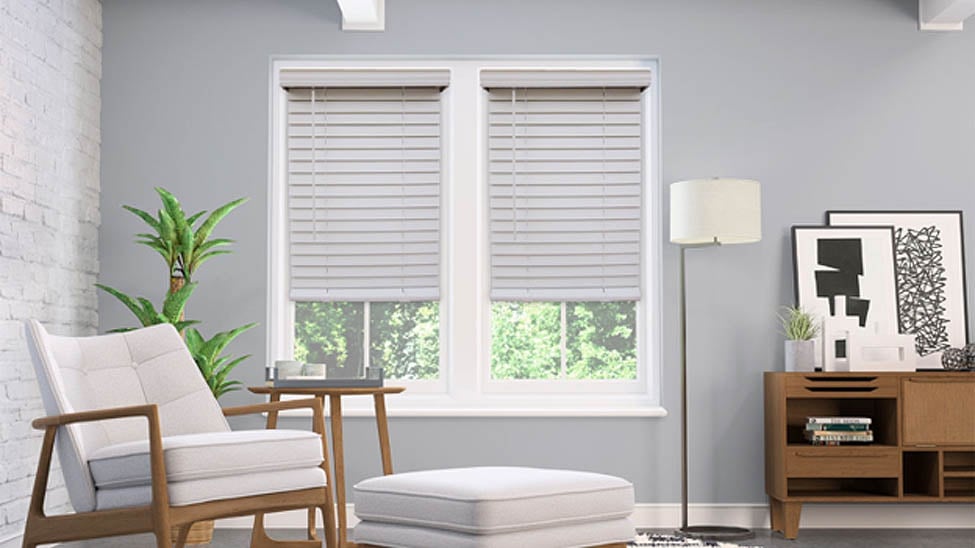
Faux wood blinds deliver the warmth of real wood with a sealed, non-porous surface that naturally repels dust and moisture. Unlike genuine wood, which has open grain patterns where particles can settle or may need special cleaners for stubborn buildup, faux wood slats are smooth and easy to wipe clean with a damp cloth and mild soap.
Their moisture resistance also makes them a thoughtful choice for kitchens and bathrooms, where humidity can cause dust to become sticky and harder to remove. Blindster's guide on how to care for faux wood blinds covers the process step by step. With stain and solid color finishes available, faux wood brings a refined, classic feel to any room while being one of the easiest to clean blinds in the collection.
Cellular Shades
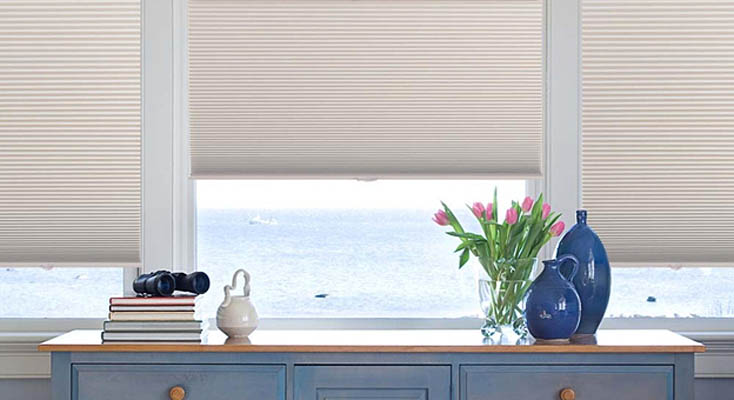
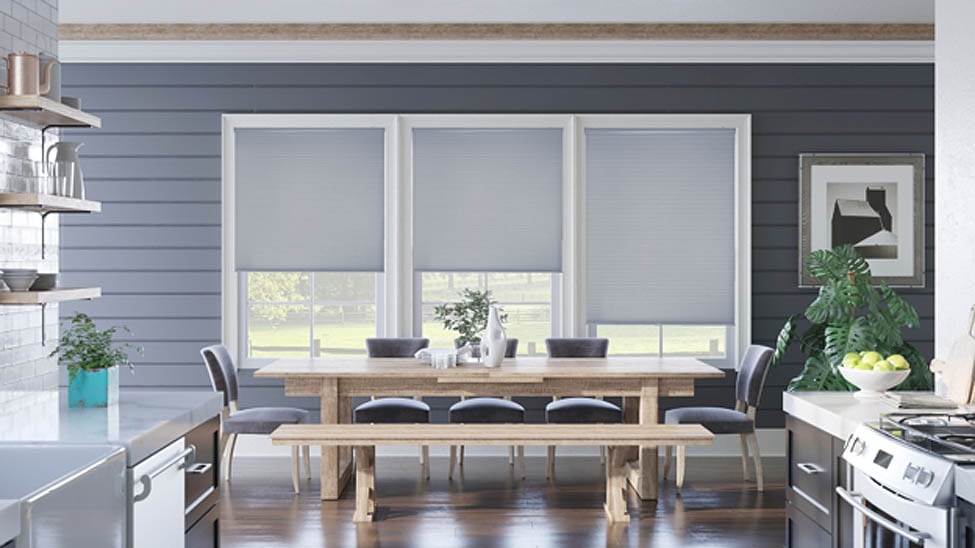
Cellular shades, sometimes called honeycomb shades, take a different approach to dust management. Their distinctive pleated cells create air pockets that provide insulation, and the fabric's smooth surface resists dust accumulation on the exterior.
Unlike treatments with heavy, open-weave fabrics, cellular shades keep a streamlined profile that is simple to maintain with a feather duster or a vacuum's soft brush attachment on a low setting. Beyond dust resistance, those same air pockets create a thermal barrier that helps regulate indoor temperature, making cellular shades a thoughtful two-in-one investment.
Vertical Blinds

Gravity does most of the work with vertical blinds. Because their vanes hang straight down rather than lying flat, dust naturally slides off instead of settling on horizontal surfaces. This vertical orientation makes them one of the more inherently dust-free styles for large windows and sliding glass doors.
A damp cloth or a quick pass with a vacuum brush attachment keeps each vane looking fresh. Blindster's vertical blinds come in PVC, fabric, and faux wood materials, giving you flexibility in both finish and function. They also release less dust into the air when adjusted compared to horizontal slat designs, which helps keep allergen levels lower for allergy sufferers during daily use.
Solar Shades

Solar shades are a type of roller shade built with a woven fabric that filters UV rays, reduces glare, and still lets you see outside. Like standard roller shades, their flat, vertical surface gives dust very little to cling to, making them a naturally dust-resistant option for sun-facing rooms.
Because solar shades roll up when not in use, they spend less time exposed to airborne particles. Their tight weave resists dust penetration better than open or textured fabrics, making them ideal for home offices and living rooms where both light quality and air quality matter.
Keeping Dust Away Between Cleanings
Choosing dust-resistant blinds is the first step toward a home that feels fresher. A quick dusting every week or two with a microfiber cloth or feather duster prevents buildup before it becomes noticeable. For a more thorough clean, a barely damp cloth and mild soap work well on faux wood, roller, and vertical surfaces.
Blindster's complete guide on how to clean blinds and shades covers care tips for every material and style. Pair regular cleaning with good indoor air habits, like keeping humidity between 30 and 50 percent, and your window treatments will stay cleaner for much longer.
The Kind of Home That Feels Right
The best dust-resistant blinds do more than reduce allergens. They simplify the quiet, ongoing work of keeping a home that feels beautiful and welcoming, a space where the light falls just so, and the air feels a little lighter.
Whether you start with roller shades in the bedroom, faux wood blinds in the kitchen, or cellular shades across a whole floor, Blindster makes it easy to see and feel the materials before you commit. Order up to 10 free samples shipped within one business day, so the colors and textures arrive at your door. Every order is custom-made to your exact window measurements and backed by the Fit or Free Guarantee, so the fit is always right.
Frequently Asked Questions
What blinds are best for dust allergies?
Roller shades and faux wood blinds tend to perform best for dust allergies. Their smooth, non-porous surfaces do not trap allergens the way textured fabrics do, and they wipe clean in seconds with a damp cloth.
Are there blinds that don't get dusty?
No window treatment is completely immune to dust, but some collect far less than others. Roller shades, faux wood blinds, and vertical blinds all have designs that minimize dust accumulation and make removal quick.
What type of blinds are the easiest to keep clean?
Roller shades are the easiest to keep clean because they have a single, flat surface with no slats or folds. A quick wipe from top to bottom removes most dust in under a minute per window.
Do cellular shades collect dust?
Cellular shades collect less dust than heavy fabric treatments like curtains or Roman shades with deep folds. Their smooth exterior can be maintained with a feather duster or a vacuum's soft brush attachment on a low setting.
How often should I clean my blinds to reduce allergens?
A light dusting every one to two weeks prevents meaningful buildup on most dust-resistant blinds. A more thorough wipe-down once a month keeps allergen levels low and your window treatments looking fresh.
Can the right blinds help with pet allergies?
Yes. Dust-resistant blinds with smooth, non-porous surfaces do not trap pet dander the way woven fabrics and heavy curtains do. Roller shades, faux wood blinds, and cellular shades are strong choices for pet-friendly homes.
- The Best Dust-Resistant Blinds for Cleaner Homes & Less AllergiesBlinds, Shades & ShuttersHome Advice
- How Classic Value Faux Wood Blinds Compare to Real Wood and Faux Wood OptionsBlinds, Shades & Shutters
- Best Window Treatments for Living Rooms: Style, Light, and Privacy GuideBlinds, Shades & ShuttersDesign & Decor
- What Cell Size Do I Need? Cellular Shade Sizes ExplainedBlinds, Shades & Shutters
- How to Choose the Perfect Bamboo Shades for Your HomeBlinds, Shades & ShuttersHow To