What Cell Size Do I Need? Cellular Shade Sizes Explained
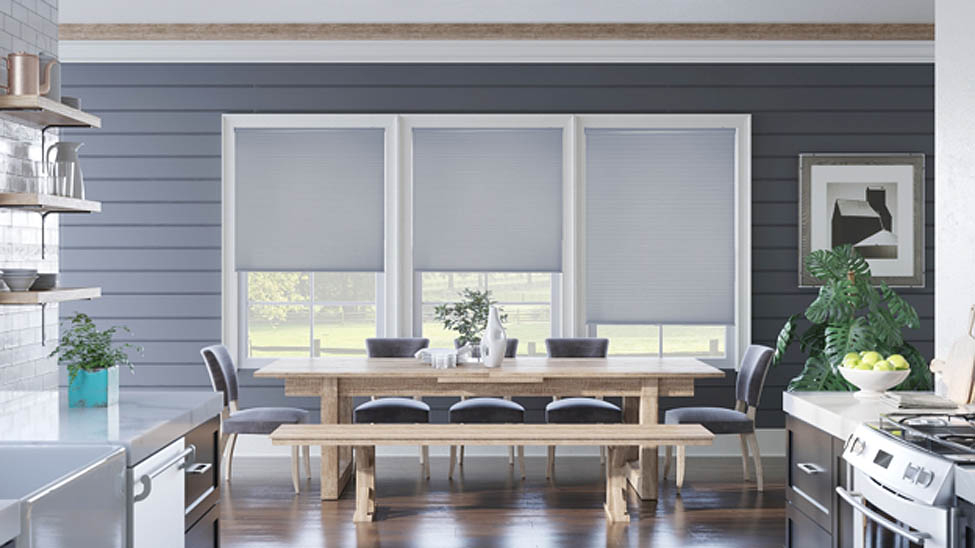
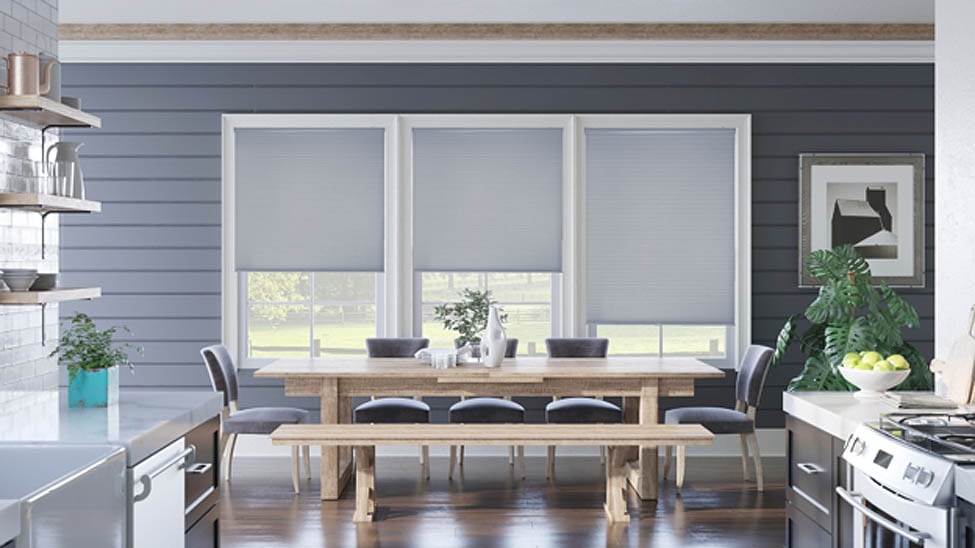
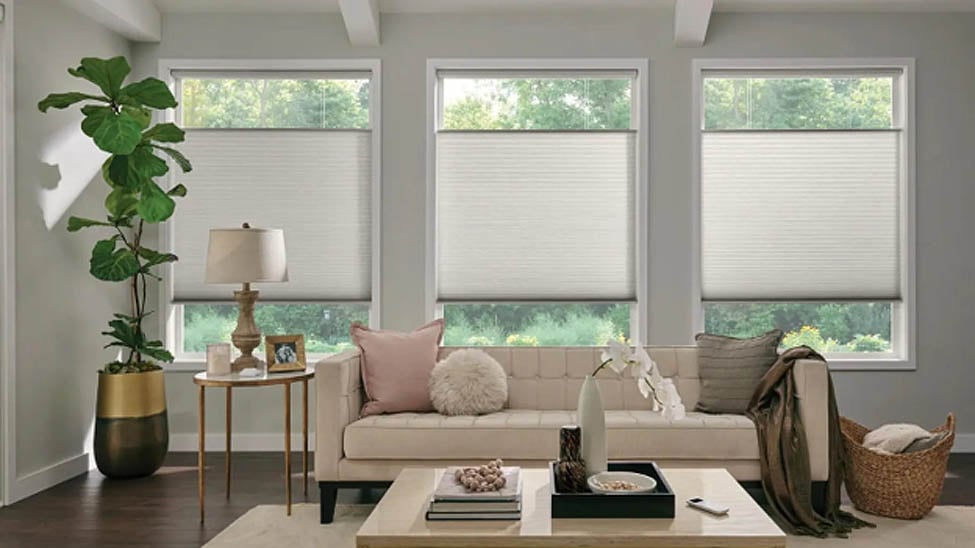
Cellular shades are one of the most purposeful window treatments you can choose. Their honeycomb-shaped cells trap air between your window and your room, creating a layer of insulation that keeps your home warmer in winter and cooler in summer. But not all cells are the same size, and that difference affects more than just energy savings.
Cell size is the measurement of each individual pleat on the front of the shade, typically ranging from 3/8 inch to 3/4 inch. Choosing the right one comes down to your window size, the look you want, and how much insulation matters in each room.
Why Cell Size Matters More Than You Think
The cell size of a cellular shade determines how it looks, how it insulates, and how well it fits the proportions of your window. A shade with small cells on a large picture window can appear busy and crowded. A shade with large cells on a narrow bathroom window can look oversized and out of place.
Getting the proportion right creates a clean, intentional look that feels considered rather than generic. Cell size also affects how the shade stacks when raised, how much air it traps for insulation, and how much light it filters.
Cellular Shade Sizes at a Glance
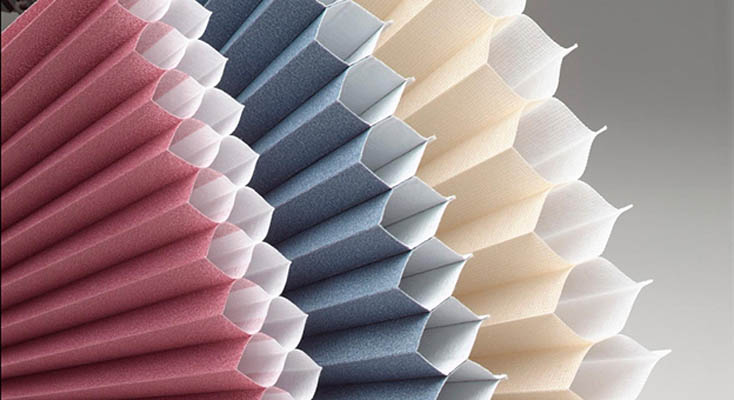
Blindster's cellular shades come in a range of cell sizes, each suited to different windows and different needs. Here is how the three main categories compare.
Small Cells: 3/8 Inch
Small cellular shades have a 3/8 inch cell measurement, making them the most compact option available. Their narrower pleats create a fine, delicate texture on the shade's surface, and they fit well within shallower window openings that may not have enough depth for larger cells.
Small cells work especially well in bathrooms and other compact spaces. The cells trap air inside the fabric pockets, providing insulation even in rooms with frequent temperature swings. If your home has several small windows, shades in this size keep the look proportional without feeling crowded. Blindster's cordless light filtering single cellular shades are a popular choice for these kinds of spaces.
Mid-Size Cells: 1/2 Inch and 9/16 Inch
Mid-size cells are the most versatile and widely chosen cellular shade size. The difference between 1/2 inch and 9/16 inch is only a few hundredths of an inch, so the two are often grouped. Both offer a balanced look that suits most standard windows without appearing too busy or too bold.
This size range provides strong insulation while maintaining a clean profile. Mid-size cellular shades are the sweet spot for bedrooms, living rooms, and home offices where energy efficiency and appearance both matter. Blindster's Deluxe Light Filtering Double Cellular Shades feature 9/16 inch pleats with two side-by-side columns of honeycomb cells, delivering the highest insulation value in the light filtering category.
Large Cells: 3/4 Inch
Large cellular shades use a 3/4 inch cell measurement, and they are designed with bigger windows in mind. The wider pleats look well proportioned on picture windows, wide casements, and other openings where smaller cells would create too many visual rows.
Large cell fabric is also lighter per square foot than smaller sizes, which means a shade spanning a wide opening can support itself without sagging. If you want a clean, modern look on a large window with fewer pleat lines, 3/4 inch cells are the right choice. For rooms that need both large-scale coverage and strong light control, Blindster's Deluxe Blackout Single Cellular Shades pair the insulation of a double cell construction with blackout performance.
Single Cell or Double Cell: What Changes with the Layers
Cell size and cell count are two separate decisions. A single cell shade has one column of honeycomb pockets. A double cell shade has two columns stacked side by side, creating an additional layer of trapped air.
Single-cell shades tend to feature larger pleats, which look especially clean on bigger windows. Double cell shades use slightly smaller pleats (typically 9/16 inch) to accommodate the extra layer, but they offer noticeably better insulation and sound absorption. For a more detailed comparison, Blindster's guide on single cell vs double cell shades covers how each performs across different rooms.
You do not have to choose one type for every window in your home. Many homeowners use double cell shades in bedrooms and sun-facing rooms where temperature control matters most, and single cell shades in living areas or kitchens where lighter insulation is plenty.
How to Match Cell Size to Your Window
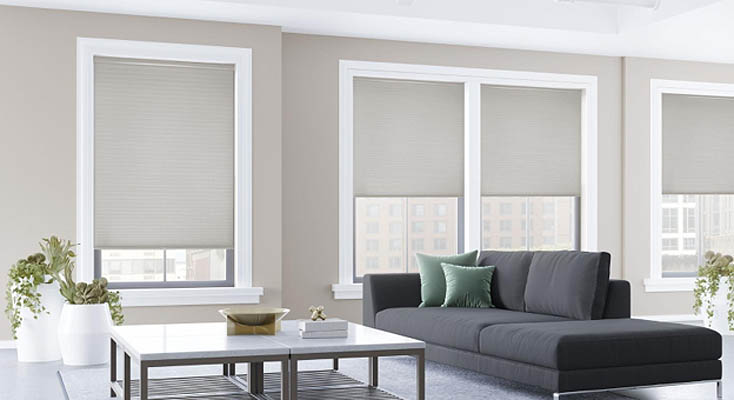
Choosing the right cellular shade size is simpler than it seems. Start with your window's width and work outward from there.
For small windows (under 24 inches wide or tall), 3/8 inch cells maintain a proportional look without adding visual clutter. For standard windows (24 to 48 inches), mid-size cells in the 1/2 inch to 9/16 inch range are the most balanced choice and account for the majority of cellular shade orders. For large or wide windows (over 48 inches), 3/4 inch cells keep the shade looking clean and reduce the total number of pleat lines. Personal preference also plays a role, as the above are simply general guidelines.
If insulation and energy efficiency are high priorities, consider pairing your chosen cell size with a double cell construction like Blindster's Cordless Blackout Single Cellular Shades for single cell blackout coverage, or the double cell options for maximum thermal performance. And if you want the flexibility to shift between light filtering and blackout throughout the day, Blindster's Day/Night Cellular Shades combine both fabrics in a single shade with independent operation.
Finding the Cell That Fits the Room
Cellular shade sizes are a small detail with an outsized effect on how your windows look and how your home feels. The right cell size keeps the proportions clean, the insulation strong, and the overall design intentional. Small cells suit compact spaces, mid-size cells work beautifully in most rooms, and large cells bring a quieter visual rhythm to both medium and larger windows.
Every Blindster cellular shade is custom-made to your exact measurements and backed by the Fit or Free Guarantee. If you want to see how the fabric, color, and cell texture look in your own light before ordering, you can request up to 10 free samples shipped within one business day. It is the kind of quiet, thoughtful step that turns a window treatment into something you are genuinely glad you chose.
Frequently Asked Questions
How do I choose the right cell size for cellular shades?
Match cell size to window size. Use 3/8 inch cells for small windows, 1/2 inch to 9/16 inch for standard windows, and 3/4 inch for medium to large windows. The goal is a proportional look that suits the scale of each opening.
Is 9/16 inch or 3/4 inch better for cellular shades?
It depends on your window. For small and standard-sized windows, 9/16 inch cells offer a balanced look with good insulation. For medium to large openings, 3/4 inch cells create a cleaner appearance with fewer pleat lines and slightly better installation.
What is the difference between 1/2 inch and 9/16 inch cellular shades?
The difference is only a few hundredths of an inch, and both fall into the mid-size category. They perform similarly for insulation and appearance, and the choice often comes down to which products and fabrics are available in each measurement. Double cell shades have better insulation than single cell shades.
Do larger cells insulate better than smaller ones?
Large single cell shades do insulate slightly better than small 3/8" cells. Insulation also depends more on whether the shade is single-cell or double-cell. Double cell shades trap more air in two layers, providing better thermal performance regardless of pleat size.
What cell size works best for bathrooms?
Small cells of 3/8 inch or under are ideal for bathroom windows. They fit well in narrower openings and handle the humidity and temperature changes common in these spaces without issue.
Can I use different cell sizes in different rooms?
Yes. Many homeowners choose different cellular shade sizes for different rooms based on window size and design intent. As long as you keep the color and fabric consistent, mixing cell sizes across a home looks intentional and cohesive.
- What Cell Size Do I Need? Cellular Shade Sizes ExplainedBlinds, Shades & Shutters
- How to Choose the Perfect Bamboo Shades for Your HomeBlinds, Shades & ShuttersHow To
- What Is a Window Treatment? Types, Uses & How to ChooseBlinds, Shades & ShuttersCommon Questions
- How to Choose the Right Window Covering for Every Room: A Decision GuideBlinds, Shades & ShuttersHow To
- Corded Vs Cordless Blinds: Which Is The Best Option For Your Home?Blinds, Shades & ShuttersCommon Questions