Do Blackout Blinds Keep Heat Out? The Facts Explored
You're standing in your living room on a sweltering afternoon, feeling the heat pour through your windows. The AC is running overtime. Your electric bill is probably going to be horrifying. So you start wondering—would blackout blinds help?
The short answer? Yes, but maybe not in the way you think.
What Blackout Blinds Actually Do
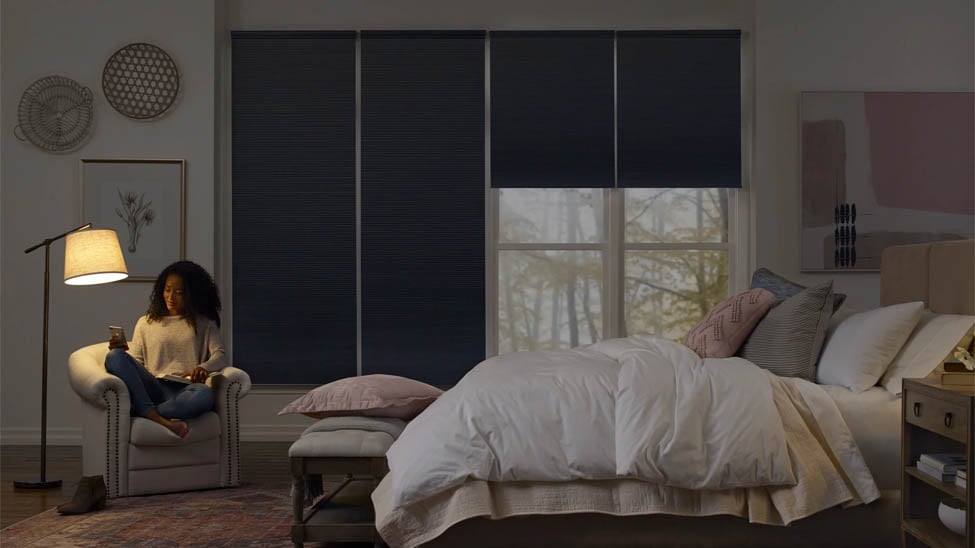
Blackout blinds are designed to block light. That's their main job. They keep your bedroom dark at noon or help you sleep past sunrise on weekends. But here's the thing—blocking light means blocking sun, and blocking sun means blocking heat.
Sort of.
The fabric in blackout window treatments is typically thicker and more densely woven than regular blinds. Many have a coating on the back—usually white or reflective—that bounces light away. That same coating reflects heat before it enters your space.
Think of it like wearing a white shirt versus a black shirt on a hot day. The white one reflects sunlight while the dark one absorbs it. Your blackout blinds work similarly, though the mechanism is a bit more complex than that.
The Science Behind Heat and Windows
Windows are basically giant thermal conductors. Heat moves through glass easily, which is why rooms with big windows get so warm during summer. Direct sunlight contains infrared radiation—that's what makes things hot when the sun hits them.
Regular blinds might filter some light, but they don't stop much heat transfer. The sunlight hits the blind, the blind gets warm, and then... well, it just radiates that warmth into your room anyway.
Blackout blinds change this equation. They intercept the light before it penetrates deep into your space. The opaque material acts as a barrier between the sun and the interior space of your home, helping to reflect that heat or holding it in the window space rather than heating up your furniture, floors, and air.
Room-Darkening vs. Blackout: There's a Difference
Not all "blackout" products are created equal, which is annoying but worth knowing.
Room-darkening blinds reduce light significantly. They'll make your room dimmer, block most sunlight, and provide decent heat reduction. But they're not completely opaque.
True blackout blinds eliminate nearly all light. That means they're also blocking more heat transfer. If heat control matters to you—and it probably does if you're reading this—you want the real deal, not just room-darkening.
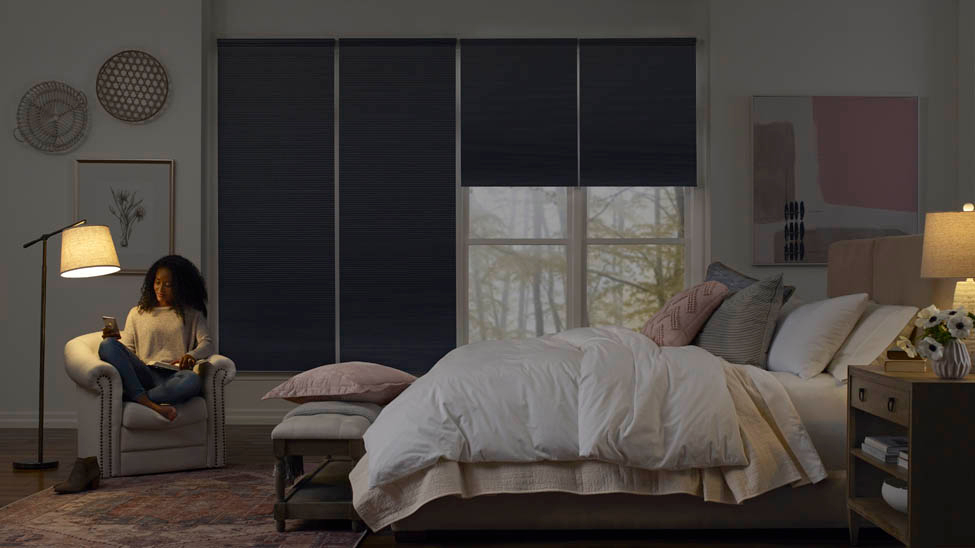
Cellular shades with blackout fabric are particularly effective. The honeycomb structure traps air, creating an insulating layer between the window and your room. That trapped air acts as a thermal barrier, which helps with both heat and cold.
How Much Heat Do They Actually Block?
Here's where things get specific—and also a bit variable. Well-fitted blackout window coverings can make a noticeable difference in heat reduction. The actual amount depends heavily on your specific situation.
Your mileage will vary. South-facing windows benefit more than north-facing ones. Large picture windows need more coverage than small bathroom windows. If you have old, single-pane windows, the blinds work harder but are fighting an uphill battle.
Blackout roller shades with side channels—those are the tracks that seal the edges—are designed to perform better than center-mounted options because they eliminate light and heat leakage around the sides.
The performance you get really comes down to window type, climate, installation quality, and how much direct sun exposure hits your windows throughout the day.
Do They Keep Cold Out Too?
Since we're talking thermal control... yes, blackout blinds can help with cold weather too. The same properties that reflect summer heat also provide winter insulation. The thick fabric and opaque layers create a buffer between frigid window glass and your warm interior.
Double-cell blackout cellular shades are particularly good at this. Two layers of fabric with air pockets make them function similar to adding an extra insulating layer to your windows.
Installation Matters More Than You'd Think
You can have the best blackout blinds in the world, but if they don't fit properly, you're losing efficiency. Gaps around the edges let light and heat sneak through. A good custom-fitted inside mount—where the blind sits inside the window frame—looks clean and provides a good seal within the window casing. An outside mount covers the entire window and some of the surrounding wall, but may hang slightly off the wall, leading to thermal leakage.
Some people use both approaches. Install the blackout blind as an inside mount, then layer it with something else for aesthetics. That's overkill for most situations, but if you live somewhere brutally hot, it's worth considering.
Other Window Treatments That Help With Heat
Blackout blinds aren't your only option for thermal control. Solar shades are specifically engineered to block heat and UV rays while maintaining your view outside. They're see-through but filter a huge percentage of solar energy.
Bamboo shades provide natural insulation and work surprisingly well in hot climates. The organic material doesn't conduct heat as readily as synthetic fabrics.
Cellular shades—mentioned earlier—come in light-filtering options too if you want daytime brightness with heat control. The honeycomb design does most of the thermal work regardless of opacity level.
Cost Savings: Do They Actually Lower Your Electric Bill?
This is the question everyone wants answered, right? The honest answer is: probably, but the amount varies quite a bit.
If your blackout blinds are helping keep heat out, your air conditioner doesn't have to work as hard. Less AC usage means lower electric bills. The actual savings depend on your climate, how much you typically run your cooling system, your window sizes, and whether you're dealing with direct sunlight most of the day.
Over time, quality blackout window treatments can potentially pay for themselves through energy savings. The bigger benefit might just be comfort though—staying cool without blasting the AC constantly improves quality of life, which is harder to put a price tag on.
Choosing the Right Blackout Blinds for Heat Control
Look for products with reflective or light-colored backing. White, silver, or aluminized coatings work best. Dark-colored backs might look nice but they absorb more heat than they reflect. For example, most cellular shades are white on the street side of the shade, regardless of the color of the front of the shade. This helps reduce heat gain and provide a neutral appearance to the street for compliance with HOA regulations.
Some manufacturers provide thermal ratings or R-values that measure insulation effectiveness. Not all products list these specifications, but when they do, higher numbers indicate better insulating properties.
Fit matters. Measure carefully or go with a company that offers accurate custom sizing. Blindster specializes in custom-fit window coverings that help ensure you're getting maximum coverage and thermal efficiency for your specific windows.
The Bottom Line on Heat and Blackout Blinds
Do blackout blinds keep heat out? Yes. Are they a complete solution? Not really. They're one tool in your arsenal against summer heat and high energy bills. Combine them with good insulation, efficient AC, and maybe some outdoor shading, and you'll notice a real difference. Installing outdoor blinds on patios, porches, or other exterior-facing spaces can further reduce solar heat before it reaches your windows, helping improve indoor comfort and energy efficiency.
They're especially effective if you have harsh afternoon sun beating on west-facing windows or morning glare on east-facing ones. The investment is relatively modest compared to replacing windows or upgrading HVAC systems.
If you're dealing with serious heat issues, blackout cellular shades are probably your best bet. The combination of light-blocking fabric and insulating air pockets offers comprehensive thermal protection available in window coverings.
Your windows don't have to be thermal weak points. With the right blinds, properly installed, you can reduce heat transfer and create a more comfortable home without running your air conditioner constantly. Results will vary based on your specific situation, but the fundamental physics of blocking solar heat gain remains solid regardless of where you live.
Frequently Asked Questions
What are the disadvantages of blackout blinds for controlling heat?
Blackout blinds only reduce the heat that enters through blocked light, so gaps around the edges or an ill-fitting installation let heat and light sneak through anyway. They also fully block outside light and views, which isn't ideal for rooms where daytime brightness still matters.
Does the color of blackout blinds affect how much heat they block?
Yes, blinds with a white or reflective backing generally perform better against heat, since that coating bounces sunlight away before it enters the room rather than absorbing it. Darker fabrics tend to absorb more heat, which can reduce the benefit even with a blackout weave. Many blackout fabrics have a white backing and can be any color on the front to complement your decor.
Are cellular shades better than blackout blinds for keeping heat out?
Cellular, or honeycomb, shades trap air inside their pockets, creating an extra thermal barrier that works for both heat and cold. Blackout blinds work mainly by blocking light, so a cellular shade with a blackout lining combines both mechanisms for stronger temperature control.
Why might my room still feel hot even with blackout blinds installed?
How much heat blackout blinds block depends on your window's orientation, sun exposure, and how tightly the blinds fit the frame. South- and west-facing windows with strong direct sun need a tighter fit and a reflective-backed fabric to see the full benefit, since gaps around the edges let heat continue to enter.
Do blackout blinds only help in summer, or do they work in winter too?
Blackout blinds help in both seasons. In summer, the reflective backing bounces heat away before it enters, and in winter, the same fabric adds a layer of insulation that helps keep warmth inside. Honeycomb or cellular versions offer the strongest year-round benefit because of the trapped air layer.
- Best Blinds For Windows That Get Direct Sunlight: UV Protection And Glare ControlBlinds, Shades & Shutters
- Standard vs Reverse Roll Roller Shade: Differences & How to ChooseBlinds, Shades & Shutters
- When to Repair vs Replace Your Window TreatmentsBlinds, Shades & ShuttersCommon Questions
- Common Mistakes When Ordering Blackout Shades (and How to Avoid Them)Blinds, Shades & ShuttersCommon Questions
- Are Vertical Blinds Still in Style?Blinds, Shades & ShuttersDesign & Decor