How to Decide on Style vs Functionality for Your Window Coverings
Choosing window coverings sounds simple enough until you're standing in your living room, staring at a bare window, trying to figure out what you actually want. Do you go with something that looks incredible but might not block enough light? Or do you prioritize function and hope it doesn't make your room look like a dentist's office?
The style vs functionality debate is real, and most people get stuck somewhere in the middle of it. The good news is you don't always have to pick one over the other. But you do need to know what matters most for each room, and that requires a bit of thinking before you start shopping.
What Does "Functionality" Even Mean for Window Treatments?
Functionality gets thrown around a lot, but it can mean different things depending on who you ask. For window coverings, it usually comes down to a few key factors: light control, privacy, durability, and ease of use.
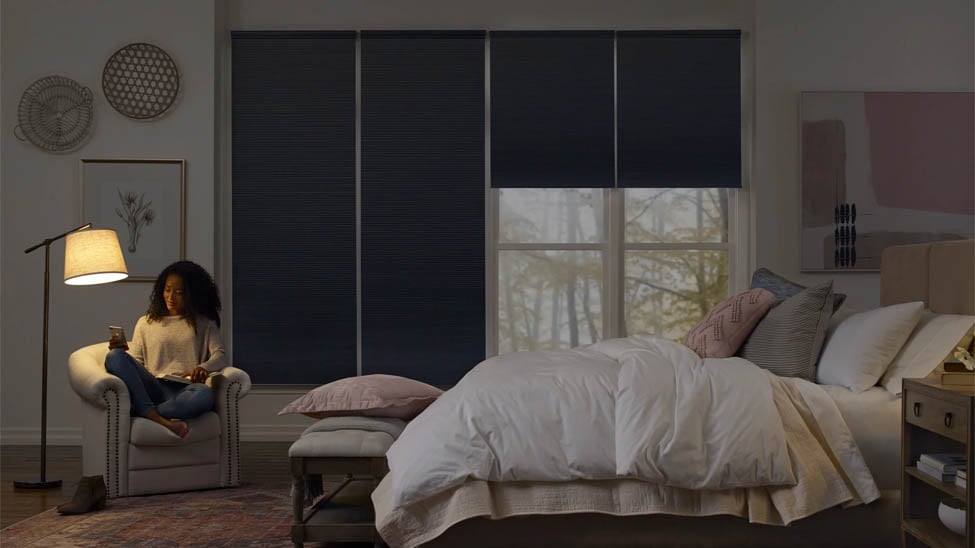
Light control is probably the big one. Some rooms need total darkness (bedrooms, media rooms), while others just need glare reduction so you can actually see your laptop screen. Privacy matters too, especially for street-facing windows or bathrooms. And then there's the practical stuff like whether you want cordless operation for child safety or motorized shades because you've got fifteen windows and no patience.
Durability is another piece of this. A kitchen window above the sink deals with moisture and grease. A south-facing living room window gets blasted with sunlight all afternoon. The window coverings you choose need to hold up to whatever that specific environment throws at them.
Style Is More Than Just "Looking Nice"
Here's the thing about style: it's not purely aesthetic. The right window treatment can make a room feel bigger, cozier, more modern, or more traditional. It affects how light moves through the space and how the room feels at different times of day.
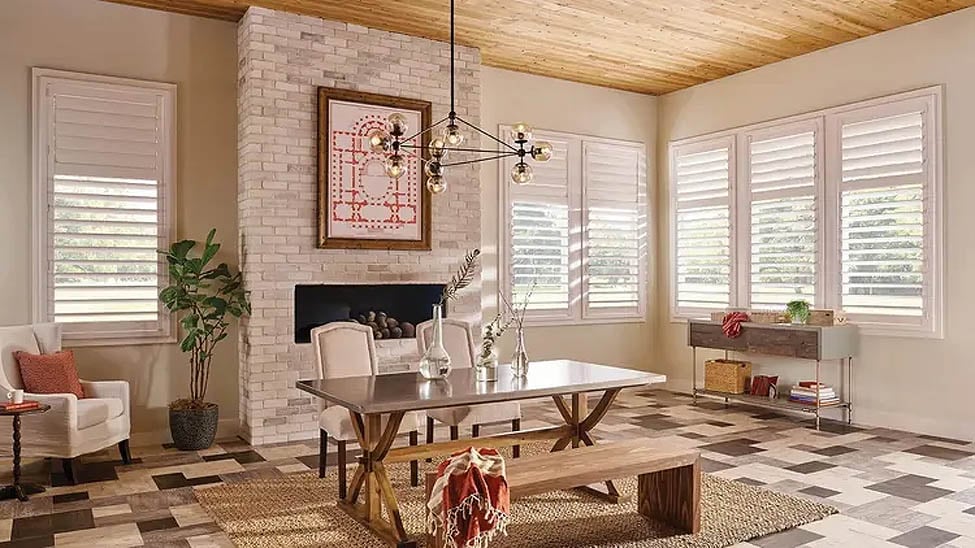
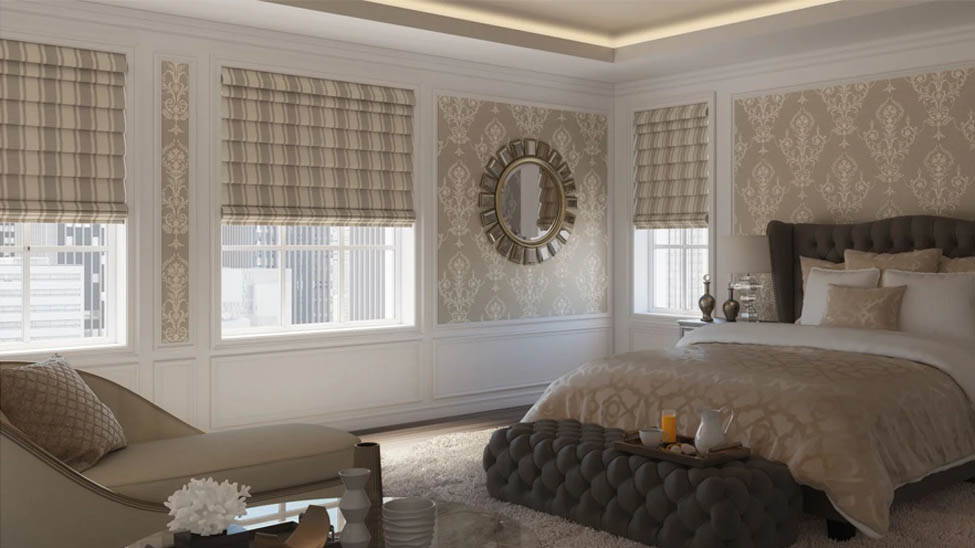
Roman shades, for example, add texture and softness that blinds just can't replicate. They fold up into these elegant pleats that give a room a finished, pulled-together look. Plantation shutters have that timeless architectural quality that actually adds value to your home. And zebra dual shades have a contemporary edge that works well in minimalist spaces.
So when you're thinking about style, you're really thinking about the overall vibe of the room. What do you want it to feel like? That question matters just as much as what color you want on the walls.
Room by Room: Where Function Wins
Some rooms tilt heavily toward functionality, and that's fine. Trying to force style into a space where it doesn't belong can backfire.
Bathrooms are the obvious example. You need moisture resistance and privacy above all else. Faux wood blinds handle humidity without warping, and they clean up easily. Could you put something fancier in there? Sure. But you might regret it when the material starts deteriorating six months later.
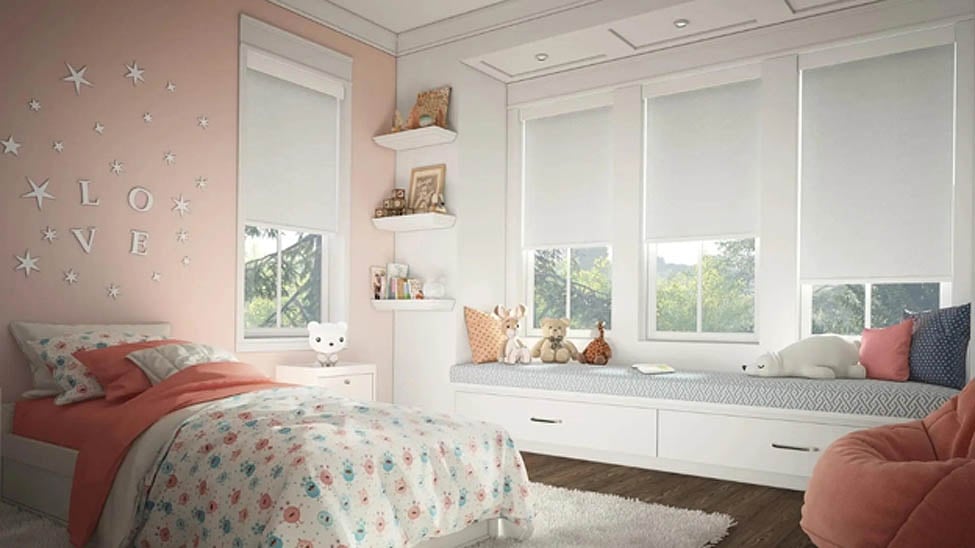
Kids' rooms and nurseries prioritize safety and light blocking. Cordless cellular shades with blackout fabric check both boxes. They're clean-looking enough, but the real point is function: keeping cords away from little hands and making naptime actually possible.
Home offices need glare control. Solar shades reduce screen glare while still letting you see outside, which matters if you're spending eight hours a day in that room. Looking out at trees instead of a blank shade makes a difference for your sanity.
Room by Room: Where Style Can Lead
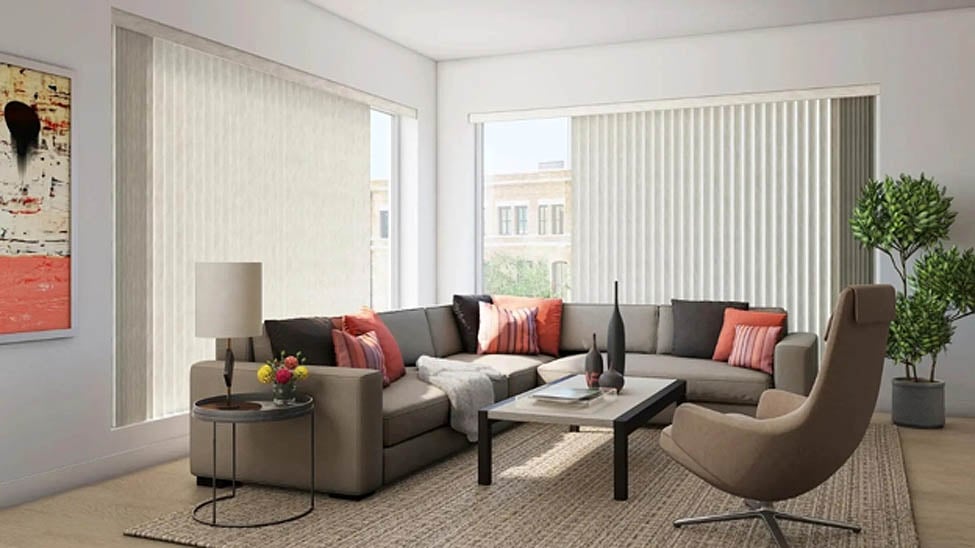
Other spaces give you more room to play. Living rooms and dining rooms are where most people want to make a statement, and window treatments carry a lot of visual weight in these areas.
This is where Roman shades or sheer shades really shine. They soften the light beautifully and add a layer of sophistication. Bamboo shades bring in natural texture that complements certain aesthetics, like coastal or bohemian styles, without trying too hard.
Formal dining rooms can handle something more dramatic. Floor-length drapes layered over roller shades give you flexibility (sheers for daytime, blackout for movie night) while looking intentional and designed.
And then there's the living room, which often has the largest windows in the house. This is your chance to go big. Plantation shutters from Blindster, for instance, make an architectural statement while still giving you precise light control. They're the rare option that genuinely delivers on both style and function without compromise.
Finding the Middle Ground
Most window covering decisions land somewhere between pure function and pure style. The trick is figuring out your non-negotiables first, then finding options that meet those requirements while still looking good.
Start with a quick mental checklist for each window. Does this room need blackout capability? Does the window face the street? Is there moisture or humidity to worry about? Will kids or pets interact with it? Once you answer those questions, you've narrowed down your options considerably.
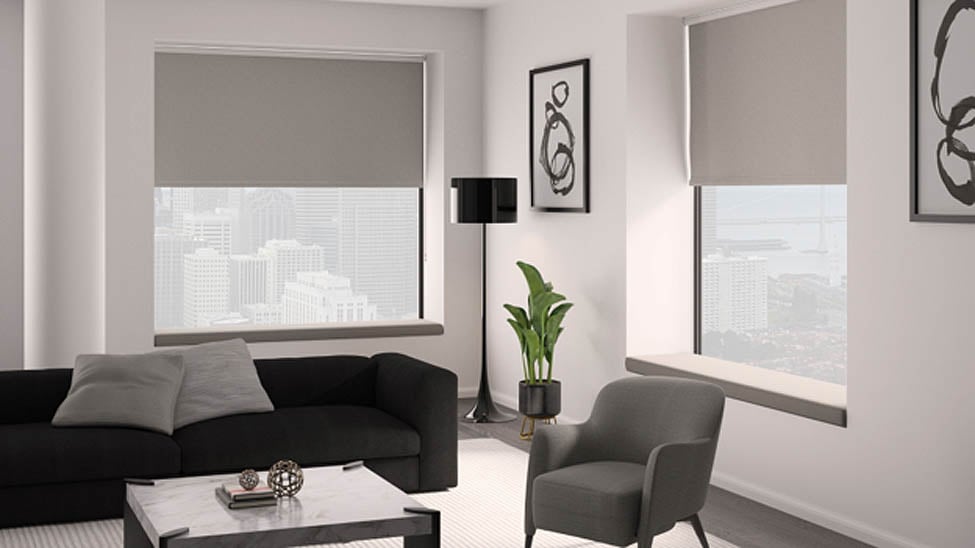
From there, style becomes a matter of choosing within your functional category. If you need blackout capability, you can get it in cellular shades (clean and modern), roller shades (minimal and sleek), or Roman shades (soft and traditional). Same function, different aesthetics.
Material Matters More Than You Think
The material of your window coverings affects both style and function, so it's worth paying attention to.
Wood blinds have warmth and richness that faux wood can't fully replicate. But faux wood handles humidity and holds up better over time in certain conditions. If you want the wood look in a bathroom, faux wood is the smarter play.
Fabric shades like Roman and roller shades come in hundreds of textures and patterns. A nubby linen-look fabric reads completely differently than a smooth, solid one, even in the same color. These details matter when you're trying to nail a specific aesthetic.
Aluminum mini blinds are functional workhorses. They're affordable, durable, and easy to clean. They're not going to win any design awards, but sometimes that's not the point. Utility closets, garages, rental properties: there's a time and place for straightforward solutions.
Don't Forget About the Long Game
Window coverings aren't something most people replace every few years. You're going to live with this decision for a while, so think beyond what's trendy right now.
Neutral tones and classic styles tend to age better than bold patterns or very of-the-moment looks. That doesn't mean you have to play it safe, but it's worth considering how you'll feel about your choice in five or ten years.
Quality matters here too. Cheap window treatments show their age fast. Fading, warping, mechanisms that stop working smoothly. Spending a bit more upfront for something well-made usually pays off over time.
Bringing It All Together
The style vs functionality question isn't really an either/or situation. It's more about understanding what each room needs and then finding window coverings that deliver on those needs without sacrificing aesthetics.
Some rooms demand function first. Others give you freedom to prioritize looks. Most fall somewhere in between. And honestly, the market has gotten good enough that you can usually find something that handles both reasonably well.
Take your time with the decision. Order samples so you can see how materials and colors look in your actual space with your actual lighting. Measure carefully (or twice, as the old saying goes). And don't overthink it to the point of paralysis. Window coverings should make your home more comfortable and more beautiful. If they do both, you've made the right call.
- Standard vs Reverse Roll Roller Shade: Differences & How to ChooseBlinds, Shades & Shutters
- When to Repair vs Replace Your Window TreatmentsBlinds, Shades & ShuttersCommon Questions
- Common Mistakes When Ordering Blackout Shades (and How to Avoid Them)Blinds, Shades & ShuttersCommon Questions
- Are Vertical Blinds Still in Style?Blinds, Shades & ShuttersDesign & Decor
- Are Plantation Shutters Still in Style in 2026?Blinds, Shades & ShuttersCommon Questions