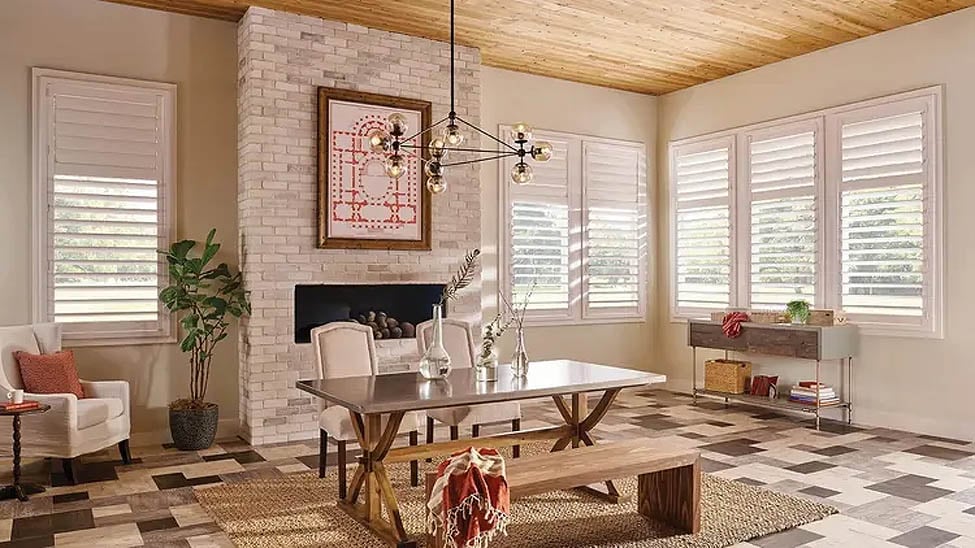
How to Get the Layered, Lived-in Aesthetic With the Right Window Shades
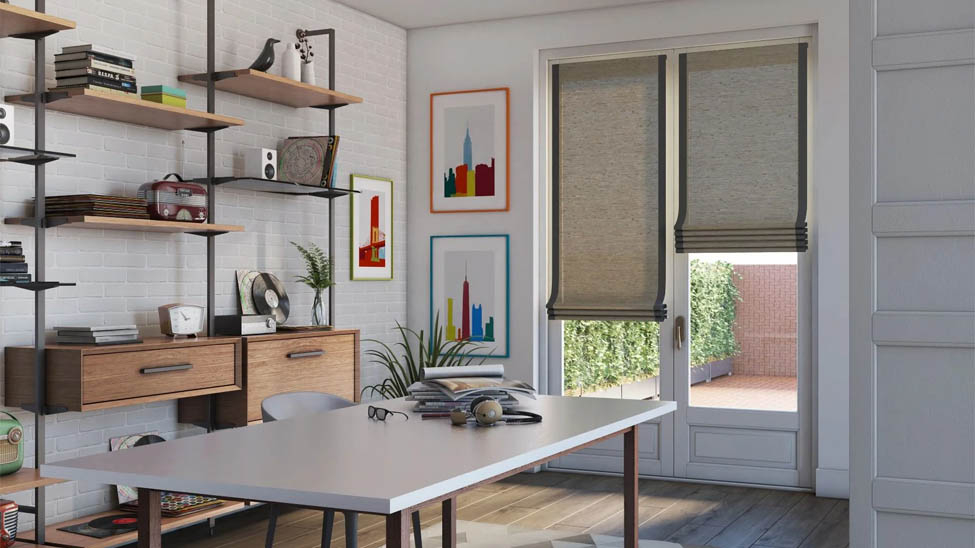
There's a reason the layered, lived-in aesthetic keeps showing up on design blogs and social media feeds. It looks like someone actually lives there. Not staged, not stiff, just comfortable. And while most people focus on throw pillows and vintage rugs when chasing this vibe, window shades play a bigger role than you'd think.
The right shades add texture, soften the light, and tie a room together without screaming "I tried really hard here." That's the whole point of lived-in design. It should feel effortless, even when it's not.
What Makes a Space Feel "Lived-in" Anyway?
The lived-in look is basically the opposite of a showroom. It's layered textures, mixed materials, and things that feel collected over time rather than bought all at once from the same store. Think linen next to leather, a handwoven basket sitting on a sleek console, or curtains that puddle just slightly on the floor.
Window treatments contribute to this more than most people realize. Bare windows feel unfinished. Harsh blinds can make a room feel cold or overly utilitarian. But the right shades? They add softness and visual weight without taking over.
Textures That Do the Heavy Lifting
Texture is everything with this aesthetic. You want materials that have some character to them, something that catches the light differently depending on the time of day.
Woven wood shades (sometimes called bamboo shades) are a go-to for this exact reason. The natural fibers create subtle variation in color and texture, and they bring an organic warmth that's hard to replicate with synthetic materials. They're not trying to be perfect, and that's what makes them work.
Roman shades are another solid option, especially in linen or linen-look fabrics. The way they fold when raised adds dimension to the window, and the soft drape when lowered keeps things from feeling too rigid. Plus, linen has that slightly rumpled quality that fits right into the whole "I didn't try too hard" thing.
Light Filtering vs Blackout: Pick Your Vibe
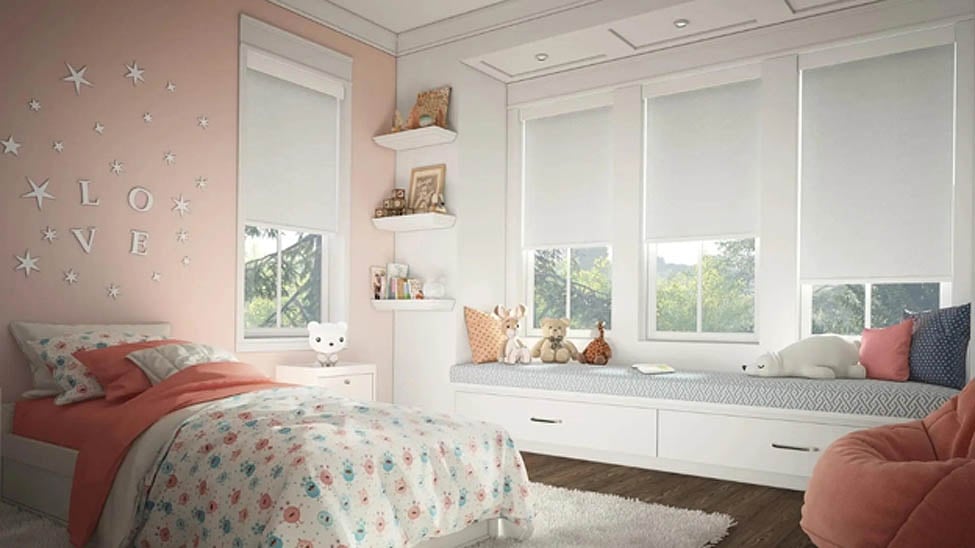
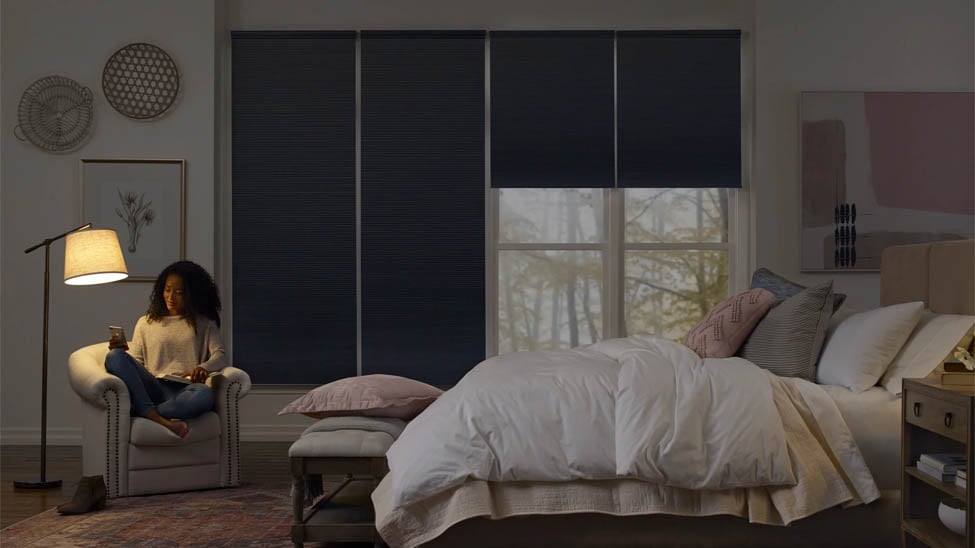
Here's where people sometimes overthink it. Yes, blackout shades are great for bedrooms. But for living spaces where you're going for that layered, relaxed feel, light filtering options tend to work better.
Light filtering shades let natural light diffuse through the room instead of blocking it entirely. The effect is softer, warmer, and way more inviting. Sheer shades do this particularly well. They've got this gauzy quality that makes afternoon light feel almost dreamy. And when you're trying to create a space that feels cozy and lived-in, harsh shadows aren't really your friend.
That said, you don't have to sacrifice function. Cellular shades come in light filtering options that still offer privacy, and they have a clean, understated look that layers well with other textiles in the room.
Color Choices That Actually Work
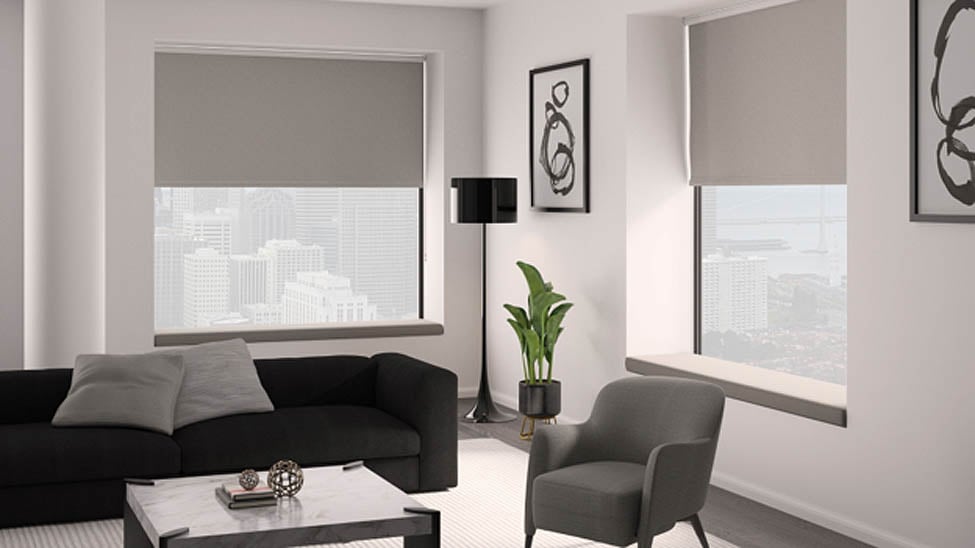
The instinct with lived-in design is usually to go neutral. And that's not wrong. Warm whites, soft tans, greiges, and natural wood tones all play nicely with this aesthetic. They let the textures do the talking instead of competing for attention.
But here's the thing: you don't have to be boring about it. A muted terracotta Roman shade or a bamboo shade with subtle green undertones can add depth without feeling out of place. The key is sticking with colors that feel like they could exist in nature. Nothing too saturated or plasticky.
If you're layering shades with curtains (more on that in a second), keeping the shades neutral gives you more flexibility with the drapes. You can go bolder there if you want, or keep everything tonal for a more cohesive look.
Layering Shades With Curtains
This is where you can really lean into the aesthetic. Layering window treatments adds visual interest and makes a room feel more finished, more intentional.
The classic combo is a functional shade paired with decorative curtains. The shade handles the practical stuff like privacy and light control, while the curtains frame the window and add softness. Linen curtains over woven wood shades? That's basically the lived-in look in a nutshell.
You don't have to go heavy with the curtains either. Something lightweight that moves with a breeze works just as well, sometimes better. The goal is to create depth, not bulk.
One thing to keep in mind: if you're layering, make sure there's enough visual contrast between the shade and the curtains. Similar textures in slightly different tones work well. Two completely different materials (like bamboo shades with velvet drapes) can also look amazing if you commit to it.
Rooms Where This Works Best
Honestly? This aesthetic translates to pretty much any room. But some spaces are natural fits.
Living rooms are obvious. You want them to feel welcoming and relaxed, and layered window treatments help with that. Bedrooms work too, especially if you go with a light filtering shade layered under heavier curtains for flexibility between daytime softness and nighttime darkness.
Dining rooms are underrated for this look. A nice set of Roman shades in a warm neutral can make the space feel less formal without going too casual. And if you've got a breakfast nook or eat-in kitchen, woven wood shades add just enough texture to make the area feel intentional.
Home offices have jumped on this trend too. Staring at a screen all day is easier when your surroundings feel comfortable rather than sterile.
A Few Things to Avoid
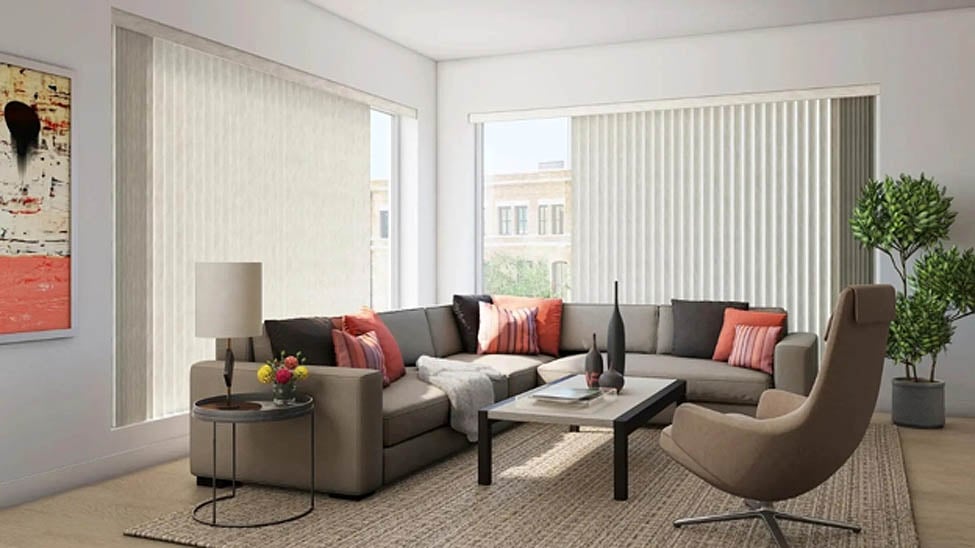
Not everything works with the lived-in aesthetic. Vertical blinds, for instance, tend to feel more office-y than cozy. Aluminum mini blinds can skew utilitarian unless you're going for an industrial vibe specifically.
Super shiny or glossy finishes also tend to clash with this look. The whole point is warmth and texture, so anything that reads as too sleek or modern might feel out of place. That doesn't mean you can't mix in some modern elements, but the window treatments themselves should lean softer.
And while matchy-matchy isn't the goal, avoid going so eclectic that nothing ties together. Lived-in should feel curated, not chaotic.
Putting It All Together
Getting the layered, lived-in aesthetic right is less about following strict rules and more about trusting your instincts. If something feels too stiff or too perfect, it probably is. If a room feels warm and inviting when you walk in, you're on the right track.
Window shades are one piece of the puzzle, but they're an important one. They set the tone for how light enters the space, add texture to your walls, and can either support or undermine the vibe you're going for. Blindster carries a solid range of options that fit this aesthetic, from woven wood and bamboo shades to soft Roman shades and light-filtering cellulars.
Start with the function you need, then choose the material and texture that feels right. Layer if you want to. And don't stress about making it perfect. That's kind of the whole point.
- Standard vs Reverse Roll Roller Shade: Differences & How to ChooseBlinds, Shades & Shutters
- When to Repair vs Replace Your Window TreatmentsBlinds, Shades & ShuttersCommon Questions
- Common Mistakes When Ordering Blackout Shades (and How to Avoid Them)Blinds, Shades & ShuttersCommon Questions
- Are Vertical Blinds Still in Style?Blinds, Shades & ShuttersDesign & Decor
- Are Plantation Shutters Still in Style in 2026?Blinds, Shades & ShuttersCommon Questions