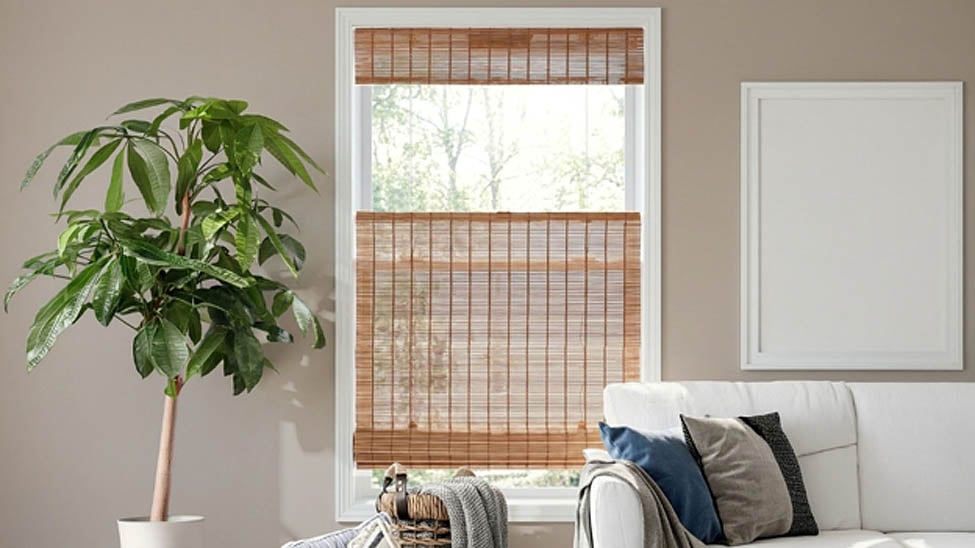
How to Put Blinds Down: Expert Tips for Smooth Operation
Getting your blinds down should be easy. But if you've ever struggled with tangled cords or blinds that just won't cooperate, you know that sometimes it's not that simple. Whether you're working with Venetian, roller, or Roman blinds, knowing the right way to lower them can help preserve their lifespan and keep them in great condition.
Here's a quick guide on how to put your blinds down effortlessly, with some expert tips along the way.
Understanding Your Blinds Mechanism
Before you get into the nitty-gritty of lowering your blinds, it's essential to know what type of blinds you have. Venetian blinds, roller blinds, Roman blinds—they all work a little differently. For the most part, though, they share a few things in common: a cord, a wand, cordless mechanism, or a motorized system to control their movement.
Older Venetian blinds typically rely on cords for both the tilting of the slats and the lowering or raising of the entire blind, and newer ones have a cordless lift mechanism. Roller blinds, on the other hand, are usually operated with a chain or spring mechanism. And for those who've upgraded to motorized blinds, it's as simple as pressing a button (if only life were always this easy, right?).
Step-by-Step Guide for Lowering Your Blinds
Let's break it down by type. Here's how to easily lower your blinds based on the kind you have.
1. Venetian Blinds (with cords)
- Step 1: Start by ensuring that the slats are in the correct position. If they're not, grab the tilt wand (or cord) and adjust them to the desired angle.
- Step 2: Next, grab the lift cord - it's usually the one located on the right side, but your blind may be different. Gently pull it toward the center of the blinds to disengage the lock. This will allow you to lower the blinds.
- Step 3: Slowly lower the blinds by letting the cord pull upwards into the blind while maintaining a slight angle. This prevents the blinds from jamming or getting caught.
- Step 4: Once the blinds are at your desired height, hold the cord firmly and hold it out sideways away from the blind to reengage the cordlock and secure the blinds in place.
2. Roller Blinds
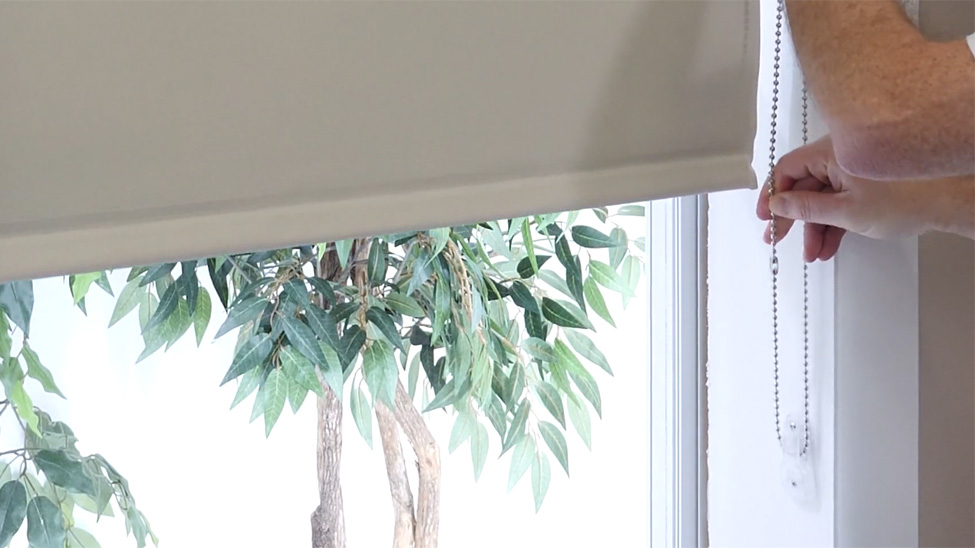
- Step 1: If your roller blinds have a loop style chain, gently pull one side downward, ensuring it's the side of the loop that will lower the shade (otherwise try the other side of the loop). Be careful not to yank it too hard—let it move down gradually.
- Step 2: For spring-operated roller blinds, pull the blind down gently, and it should stop at the correct length. You may need to give the shade a slight but sharp tug to engage the spring roller again to keep it in place.
- Step 3: Adjust to your preference. Roller blinds are pretty straightforward, so once you get the hang of it, it should be smooth sailing.
3. Roman Blinds
- Step 1: For Roman blinds, you'll likely be working with cords. Make sure the cords are free of tangles.
- Step 2: Pull the cords gently parallel to the shade toward the middle of the window to disengage the cordlock. Let the cord pull up into the shade while maintaining control to lower the shade. The fabric should unfold fold neatly as the blind lowers, giving it that signature pleated look.
- Step 3: Once the blinds are lowered to the right height, pull the cord to the opposite side to reengage the cord lock to keep the shade in place. If you shade has cords but no cordlock mechanism, you will need to tie the cords off or secure them to a cleat to maintain the position.
Avoiding Common Mistakes
Ah, mistakes. We all make them, especially when we're in a rush. Here are a few common errors people make when lowering blinds and how to avoid them.
1. Yanking the Cords
It's tempting, especially when you're in a hurry, but yanking on the cords won't get you anywhere good. It can damage the mechanism or cause the blinds to malfunction. Patience is key here—gently pull on the cords and allow the blinds to lower smoothly.
2. Overloading the Mechanism
Sometimes we forget that the blinds can only handle so much. If you've got heavy curtains or blinds that are too long for the window frame, the mechanism can get strained. Make sure your blinds are well-fitted for your window to avoid unnecessary strain on the system.
3. Not Fully Disengaging the Cordlock Mechanism
The cordlock is a simple mechanism, designed to hold the cords and in turn the blinds in place. When the cordlock is fully disengaged, the cords should move freely through it. To do so, the cords should be pulled at an angle (about 45 degrees) while keeping the cords close to the blind. This will properly release the cordlock and prevent unnecessary wear on the cord, extending the life of your blinds.
4. Forgetting to Lock the Blinds
After lowering your blinds, don't forget to secure them in place. If you forget, the blinds could crash down and potentially damage the blinds or your window frame.
Regular Maintenance for Smooth Operation
Want your blinds to last as long as possible? Regular maintenance is a must. Here are a few easy things you can do to keep everything running smoothly:
- Dust your blinds regularly. Dust buildup can cause the blinds to stick or make the operation less smooth. A quick wipe with a cloth or using a duster can help.
- Check for loose cords. Over time, cords can loosen, which can affect how well your blinds function. Tighten them up as needed.
- Lubricate the mechanism. For blinds with more complex systems (like roller or motorized blinds), occasional lubrication can prevent the system from getting stiff or noisy. Check the operating instructions for your blind for proper procedures before doing this type of maintenance.
Blindster's Range of Blinds for Every Home
If you're looking for blinds that are easy to lower and maintain, look no further than Blindster. Their selection includes everything from motorized blinds that can be lowered at the push of a button, to sleek roller blinds that work effortlessly. With a variety of customizable options, you can get blinds that fit both your windows and your lifestyle.
Troubleshooting Tips
Even with all these tips, blinds can sometimes act up. Here's a quick list of things to check if your blinds are giving you trouble:
- Are the cords tangled? Gently untangle the cords and make sure everything is aligned.
- Are the slats misaligned? If you're dealing with Venetian blinds, ensure that the slats are properly aligned before pulling them down. If they're not, they might get stuck.
- Is the mechanism stiff? Try lubricating it with a small amount of silicone spray. This will make the operation smoother.
In Conclusion
Lowering your blinds should be a quick and easy process. Just remember to be gentle with the cords or wands, keep your blinds clean and well-maintained, and avoid common mistakes. Whether you're dealing with Venetian, roller, or Roman blinds, getting the hang of it will make your life much easier—and your room look that much more stylish.
Need help choosing blinds that suit your needs? Blindster offers a wide variety of custom blinds that are easy to operate and look great in any home. From sleek roller blinds to durable faux wood options, we've got you covered.
And remember, with the right technique and a little care, your blinds will be a breeze to manage. Happy lowering!
- Woven Wood vs Bamboo Shades: What's the Difference?Blinds, Shades & ShuttersCommon Questions
- Zebra Shades Buying Guide: How They Work, Benefits, and Best RoomsBlinds, Shades & Shutters
- Child-Safe Window Treatments: The Complete Parent's GuideBlinds, Shades & ShuttersCommon QuestionsHome Advice
- Dining Room Window Treatments: Light, Privacy & Style GuideBlinds, Shades & ShuttersDesign & Decor
- Statement Window Shades IdeasBlinds, Shades & ShuttersDesign & Decor