How the Right Window Coverings Change an Entire Room
Most people don't think much about their windows until something feels off. Maybe the living room looks washed out in the afternoon. Maybe the bedroom never feels quite dark enough. Or maybe you've just been staring at the same bent mini blinds from the previous owner for way too long.
Window coverings tend to fly under the radar, but they quietly shape how a room looks and feels more than almost anything else. Swap them out, and suddenly the whole space shifts.
Light Does Most of the Heavy Lifting
Here's the thing about natural light: it's great until it isn't. A sun-drenched kitchen sounds lovely in theory, but when you're squinting at your laptop screen at 2 PM or watching your hardwood floors slowly fade, the romance wears off.
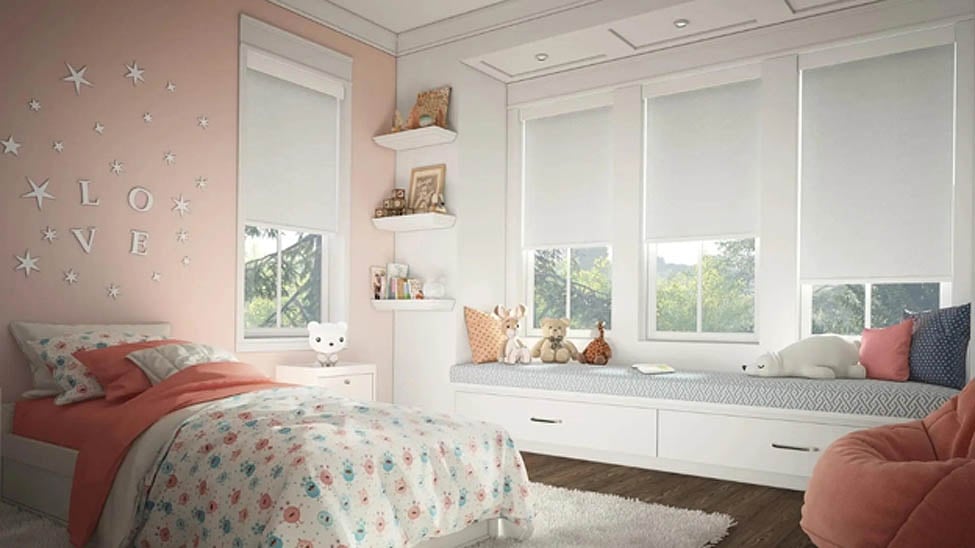
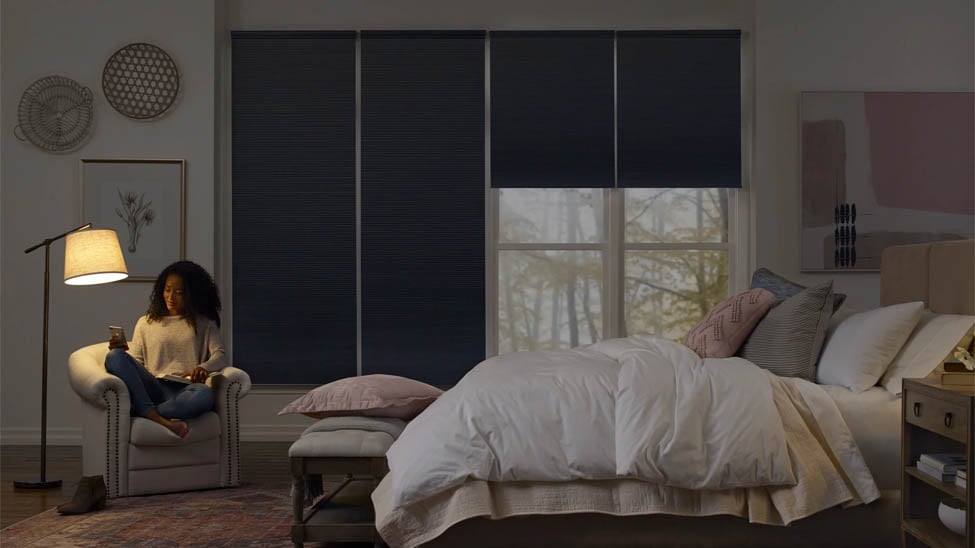
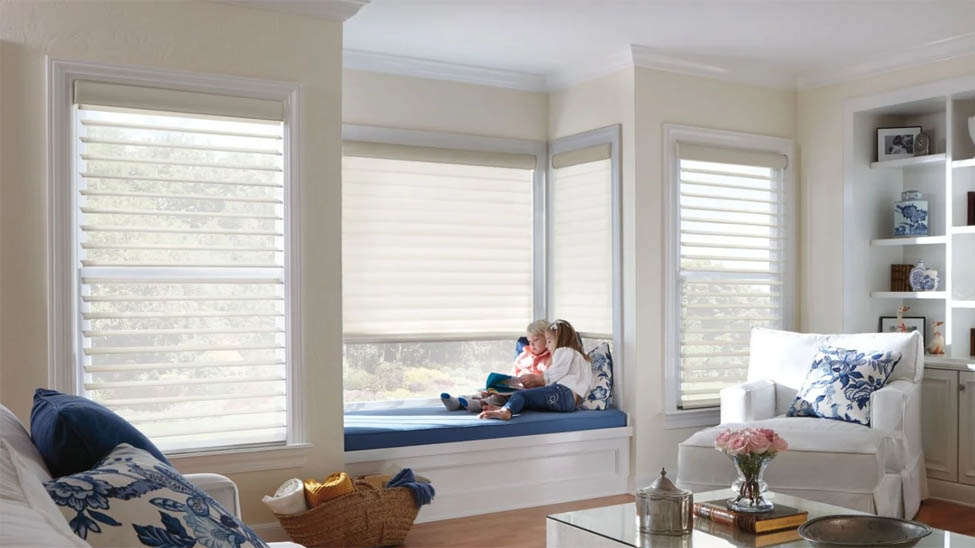
The right window treatments give you control over that. Sheer shades let light filter through softly, spreading it around the room without the harsh glare. Solar shades cut down on brightness while still letting you see outside. And if you need a room that is actually dark (hello, night shift workers and parents of toddlers), blackout cellular shades or room-darkening roller shades do the job.
It's not about blocking light entirely. It's about deciding how much you want, and when.
Privacy Without Feeling Like You Live in a Cave
Street-facing windows are tricky. You want natural light during the day, but you also don't want your neighbors watching you eat cereal in your pajamas.
Top-down/bottom-up shades are kind of perfect for this. You can lower the top portion to let light in while keeping the bottom closed for privacy. It's a simple concept, but it makes a real difference in how livable a room feels.
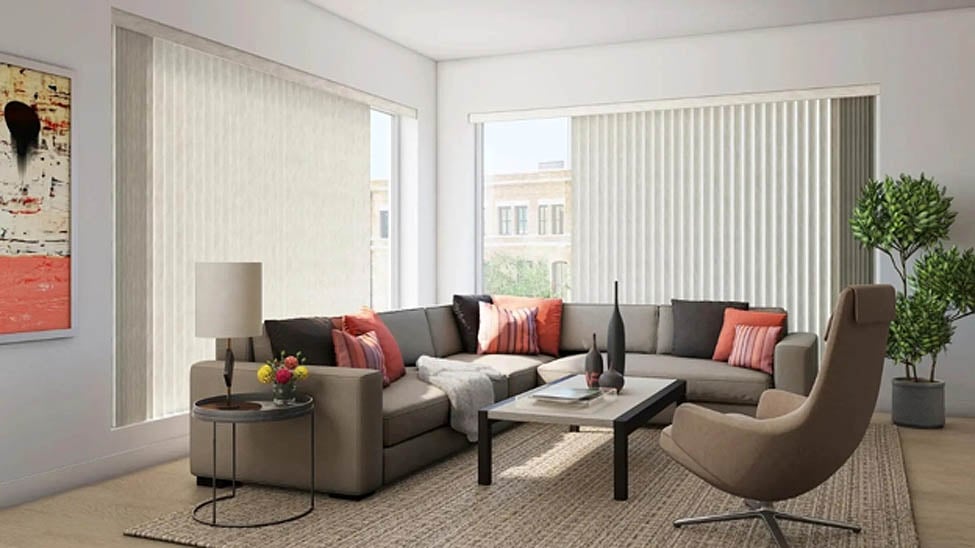
Blinds work well here, too. Faux wood blinds and wood blinds let you tilt the slats to control sightlines without completely shutting out the daylight. Vertical blinds are suitable for sliding glass doors, where you need quick access but still want some barrier between you and the outside world.
The Aesthetic Impact Is Real
Window coverings take up a lot of visual real estate. Think about it: windows are often the largest feature on a wall, and whatever you put on them becomes part of the room's overall look, whether you planned it that way or not.
Roman shades bring texture and softness to a space. They have this tailored, put-together vibe that works in living rooms, dining rooms, bedrooms, pretty much anywhere you want the room to feel a little more polished.
Bamboo shades go the opposite direction, adding an organic, relaxed quality. They're great for spaces where you want things to feel casual and airy.
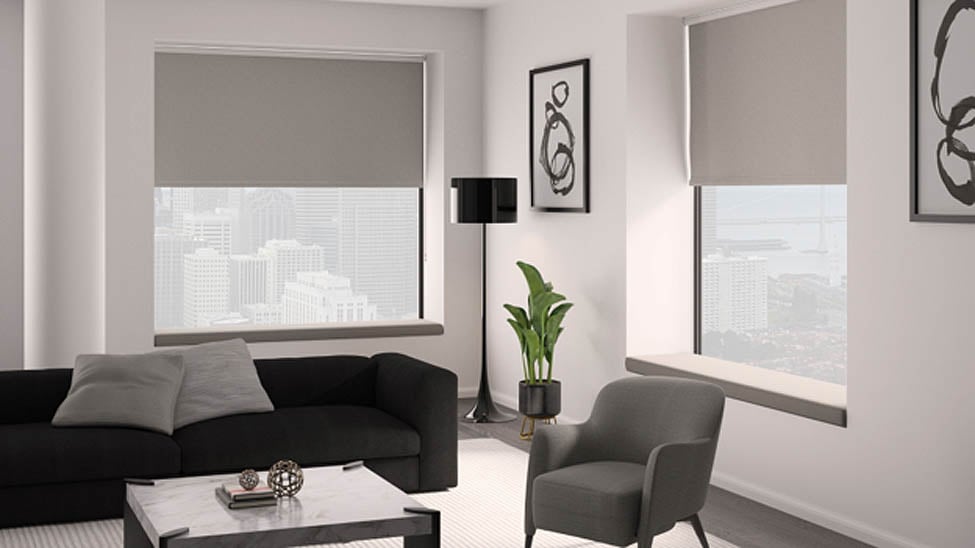
And then there's the clean, modern look of roller shades or zebra dual shades. These tend to disappear into the background when you want them to, but they also come in bold colors and patterns if you'd rather make a statement.
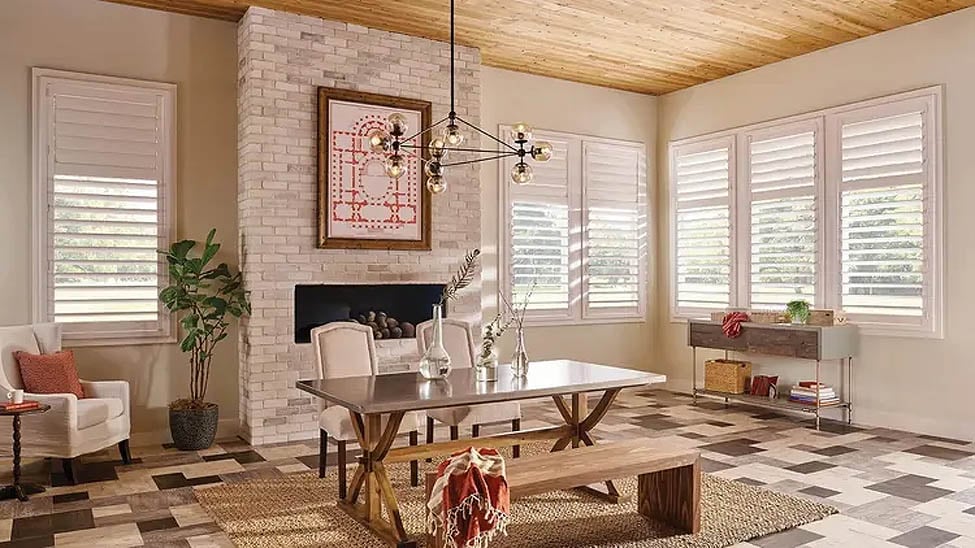
Plantation shutters are in their own category. They read as architectural, almost like they're part of the house itself. If you're going for a classic or upscale look, shutters deliver that instantly.
Small Rooms Feel Bigger (or Cozier)
The scale and style of your window treatments affect how large a room feels. Mounting blinds or shades higher than the window frame, closer to the ceiling, tricks the eye into reading the room as taller. It's a small detail that designers use all the time.
On the flip side, heavier window coverings like layered Roman shades or rich wood blinds can make a large room feel more intimate. Sometimes a big open space needs something to ground it, and the windows are a good place to start.
Dated Window Treatments Date the Whole Room
You know those yellowed vertical blinds that come standard in every rental apartment? Or the dusty floral valances still hanging in your parents' guest room? Window treatments age, and when they do, they drag the rest of the room down with them.
Updating them is one of the fastest ways to make a space feel current. You don't need to repaint, buy new furniture, or rip out flooring. Just swap the window coverings. It sounds almost too simple, but it works.
Blindster makes this part easier than you'd expect. You measure, you order online, and you install it yourself. No waiting around for a sales rep to show up at your house with a binder full of fabric swatches. No markups from a decorator. Just pick what you want and put it up.
Matching Function to the Room
Different rooms have different demands, and the best window coverings account for that.
Bedrooms usually need solid light blocking. Cellular shades with blackout fabric or roller shades in a room-darkening material handle this well. Some people layer them with curtains for extra coverage.
Living rooms tend to be more about flexibility. You might want full sun in the morning but softer light in the afternoon. Sheer shades, zebra shades, or blinds with adjustable slats give you that range.
Bathrooms and kitchens need moisture resistance. Faux wood blinds hold up where real wood would warp. The same goes for aluminum blinds and certain plantation shutters designed for humid environments.
Home offices are all about glare control. Solar shades are popular here because they reduce screen glare without making you feel like you're working in a bunker.
It's Not Just Decoration
Window coverings do actual work. They manage light, create privacy, and affect how comfortable a room is to spend time in. But they also happen to be one of the easiest things to change when a room isn't clicking.
So if something about your space feels off, look at the windows. Chances are, that's where the fix is.
- Standard vs Reverse Roll Roller Shade: Differences & How to ChooseBlinds, Shades & Shutters
- When to Repair vs Replace Your Window TreatmentsBlinds, Shades & ShuttersCommon Questions
- Common Mistakes When Ordering Blackout Shades (and How to Avoid Them)Blinds, Shades & ShuttersCommon Questions
- Are Vertical Blinds Still in Style?Blinds, Shades & ShuttersDesign & Decor
- Are Plantation Shutters Still in Style in 2026?Blinds, Shades & ShuttersCommon Questions