The Best Way to Clean Blinds and Shades (Without Ruining Them)

Window blinds and shades collect dust faster than almost any other surface in your home. Pollen, pet dander, cooking residue, and everyday particles settle into slats, folds, and fabric panels week after week, and the longer you wait, the harder it gets. The good news is that cleaning your window treatments does not require specialty tools or a full afternoon. It does require knowing which method matches which material, because the best way to clean window blinds made from faux wood is very different from the right approach for a Roman shade or a woven bamboo panel.
How to Clean Your Blinds by Material
The biggest mistake most people make is reaching for the same damp cloth for every window. Different materials need different care, and what works on vinyl slats can warp wood or waterlog a cellular shade.
Faux Wood and Vinyl Blinds
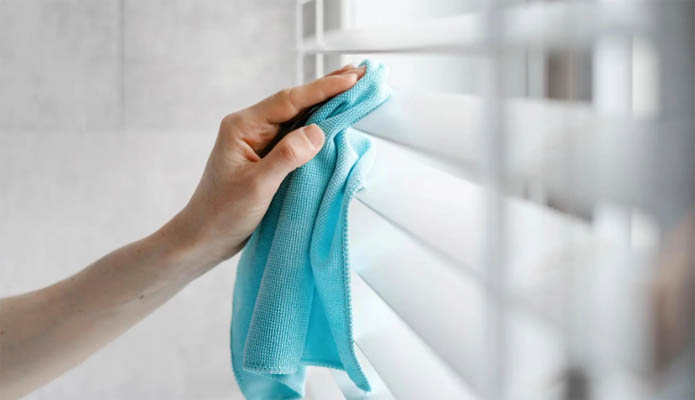
Faux wood blinds are the easiest window treatments to keep clean because they resist moisture and wipe down in minutes. For routine dusting, use a microfiber cloth or vacuum with a brush attachment on the lowest suction setting. Close the slats, work from top to bottom, then reverse and repeat. Do this every time you vacuum your floors, and dust never becomes a project.
For deeper cleaning, add three drops of dish detergent to a bucket of warm water. Dunk your cloth, wring until barely damp, and wipe each slat from center to end, then back to center and out the other side. For heavy stains, add a tablespoon of baking soda to the soapy water. Open the slats and let them air dry fully before closing.
Real Wood Blinds
Treat wood blinds the way you would furniture. Lower the blind fully, tilt the slats nearly closed, and dust with a dry microfiber cloth from top to bottom. Reverse the slats and repeat. Never spray water or cleaners directly on wood, because moisture causes swelling and warping over time. For a polish, put a soft sock on your hand, lightly mist it with wood polish, and wipe each slat individually. Let them dry completely before closing.
Aluminum and Mini Blinds
Aluminum mini blinds are durable and water-resistant, but their narrow slats collect dust quickly. Close the slats and vacuum with a brush attachment from top to bottom, then flip and repeat.
For heavily soiled blinds, the bathtub method works well. Remove the blinds, fill your tub with warm water and a few drops of dish soap, and soak for about fifteen minutes. Wipe each slat with a soft sponge, paying extra attention to the edges. Rinse thoroughly, lay on towels to dry completely, and rehang. Be cautious not to get water into the headrail or the bottom rail.
Vertical Blinds
Vertical blinds move side to side rather than up and down, so hold each vane steady at the base with one hand while you vacuum with a brush attachment from top to bottom using the other. For vinyl vanes, wipe with a damp cloth and mild soapy water. For fabric vanes, stick to vacuuming and spot-clean only with a barely damp cloth tested in a hidden area first. Be careful not to pull down too hard on the vanes as this may cause the vane to break where it connects t the headrail.
How to Clean Fabric Shades
Fabric window treatments need gentler handling than hard-surface blinds. Water, harsh scrubbing, and high heat can damage the material, fade colors, or cause the fabric to lose its shape. Prevention helps more than anything here, so vacuum regularly with a brush attachment on the lowest setting.
Cellular and Pleated Shades
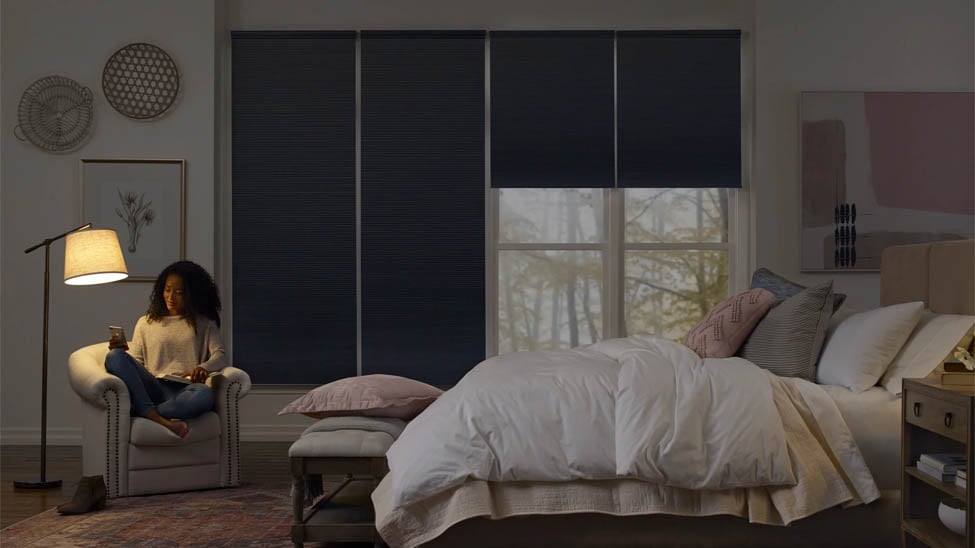
Cellular shades have honeycomb pockets that trap dust inside the cells. Vacuum from the top down on low suction. For dust caught deep inside the honeycomb, a hairdryer on a cool setting can blow debris out without getting the fabric wet. For spots, dab gently with a cloth barely dampened in warm water with a drop of mild soap, tested on a hidden area first. Never submerge cellular shades in water.
Roman Shades
Vacuum roman shades regularly, increasing frequency in dry, dusty climates. Spray with a fabric freshener between deep cleanings. For stains, act immediately with upholstery cleaner or carpet cleaning foam tested on a hidden spot first.
Roller and Solar Shades
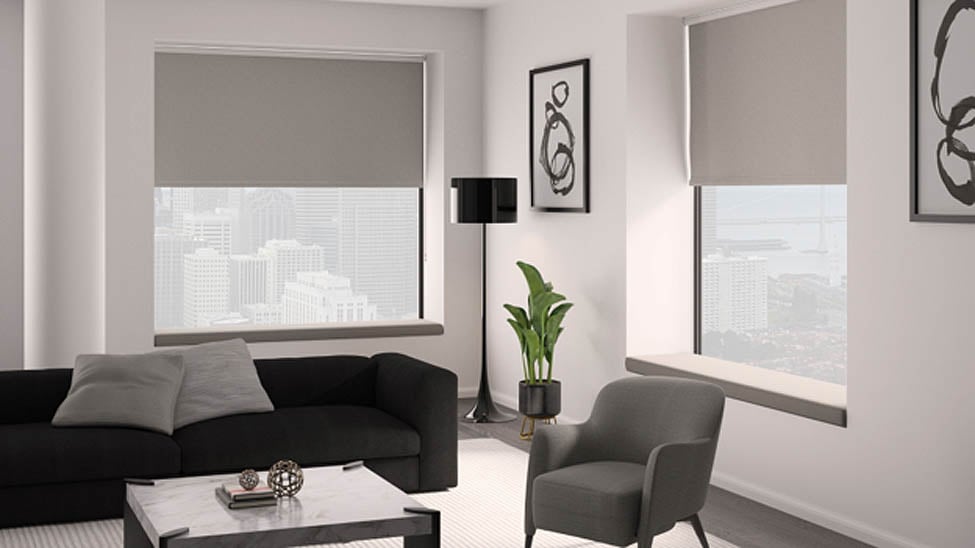
Extend roller shades or solar shades fully, then dust with a vacuum brush attachment or dry microfiber cloth in gentle downward strokes. Repeat on the back side. Vinyl roller shades can be spot-cleaned with a lightly dampened cloth and soapy water. Non-polyster fabric-based roller shades should stay dry unless the manufacturer says otherwise. Solar shades are woven mesh that resists dust buildup naturally, but can be cleaned with either a vacuum brush attachment or damp cloth when needed. Always leave damp shades down to dry fully before raising.
What to Wash Blinds With and How to Do It Fast
For most non-fabric blinds, warm water with a few drops of dish soap is all you need. It cuts through grease without leaving residue and is safe for faux wood, vinyl, and aluminum. For stubborn kitchen grease, add baking soda or a splash of white vinegar. Always wring your cloth until barely damp.
The fastest way to clean blinds while they are still hanging is to make it part of your vacuuming routine. Close the slats, wipe from top to bottom, reverse, and repeat. Two to three minutes per window, once every week or two, keeps dust from ever building up. For extra speed, wrap a microfiber cloth around a ruler or kitchen tongs to clean both sides of each slat at the same time.
The Window Treatments That Stay Cleaner Longest
The real secret is choosing materials that resist dust in the first place. Smooth surfaces like faux wood and vinyl wipe clean in seconds compared to textured fabrics. If you are looking for low-maintenance options, roller shades and faux wood blinds require the least upkeep of any window treatment. You can order up to ten free samples to feel the materials in your own home, and the Fit or Free Guarantee means your custom window treatments will fit your windows perfectly.
Frequently Asked Questions
What is the best thing to wash blinds with?
Warm water with a few drops of mild dish soap is the safest and most effective solution for most non-fabric blinds. It works on faux wood, vinyl, and aluminum without leaving residue. Avoid bleach or harsh chemical cleaners, as they can discolor the materials over time.
How do you clean blinds while they are still hanging?
Close the slats on one side and wipe from top to bottom with a microfiber cloth, then reverse the slats and repeat. For a faster method, wrap a cloth around a ruler or kitchen tongs to clean both sides at once. Most faux wood blinds and vinyl blinds can be fully cleaned this way without removing them.
What is the quickest and easiest way to clean blinds?
Make it part of your regular vacuuming routine. Slip on the brush attachment, close the slats, and sweep from top to bottom, then reverse and repeat. Two to three minutes per window, once every week or two, prevents dust from ever becoming a bigger project.
What is the most simple and efficient way to clean window blinds?
Vacuum first to remove loose dust, then follow up with a barely damp microfiber cloth for remaining spots. This two-step method works on everything from cellular shades to aluminum mini blinds and keeps your window treatments looking fresh with minimal effort.
How can I clean my fabric blinds?
Vacuum fabric blinds regularly with a brush attachment on the lowest suction setting. For spots, dab with a clean cloth barely dampened in warm water and a drop of mild soap, and test a hidden area first. For cellular shades, a hairdryer on a cool setting blows dust out of the honeycomb cells without getting the fabric wet.
How to clean stains on blinds?
Act quickly, because fresh stains are always easier to remove. For hard-surface blinds, wipe with a damp cloth and dish soap. For fabric shades like Roman shades, blot immediately, then try upholstery cleaner on a hidden area first. For stubborn grease on vinyl or faux wood, add baking soda to soapy water.
- Standard vs Reverse Roll Roller Shade: Differences & How to ChooseBlinds, Shades & Shutters
- When to Repair vs Replace Your Window TreatmentsBlinds, Shades & ShuttersCommon Questions
- Common Mistakes When Ordering Blackout Shades (and How to Avoid Them)Blinds, Shades & ShuttersCommon Questions
- Are Vertical Blinds Still in Style?Blinds, Shades & ShuttersDesign & Decor
- Are Plantation Shutters Still in Style in 2026?Blinds, Shades & ShuttersCommon Questions