When to Repair vs Replace Your Window Treatments
Window treatments work quietly for years, filtering light, protecting privacy, and shaping the way a room feels. But like anything in a well-loved home, they eventually show signs of wear. A slat bends. A fabric fades unevenly. A lift mechanism that once moved smoothly starts to resist.
The question that follows is always the same: is this worth fixing, or is it time for something new? The answer depends on what is wrong, how many things are wrong at once, and whether a repair will actually restore the treatment to the standard your home deserves. Sometimes a five-minute fix is all it takes. Other times, the most thoughtful choice is a fresh start.
When a Quick Repair Is All You Need
Not every issue means your window treatments have reached the end of their life. Some problems are small, isolated, and easy to fix without replacing the entire shade or blind. The key is that the rest of the treatment still looks and functions well.
A Single Broken or Bent Slat
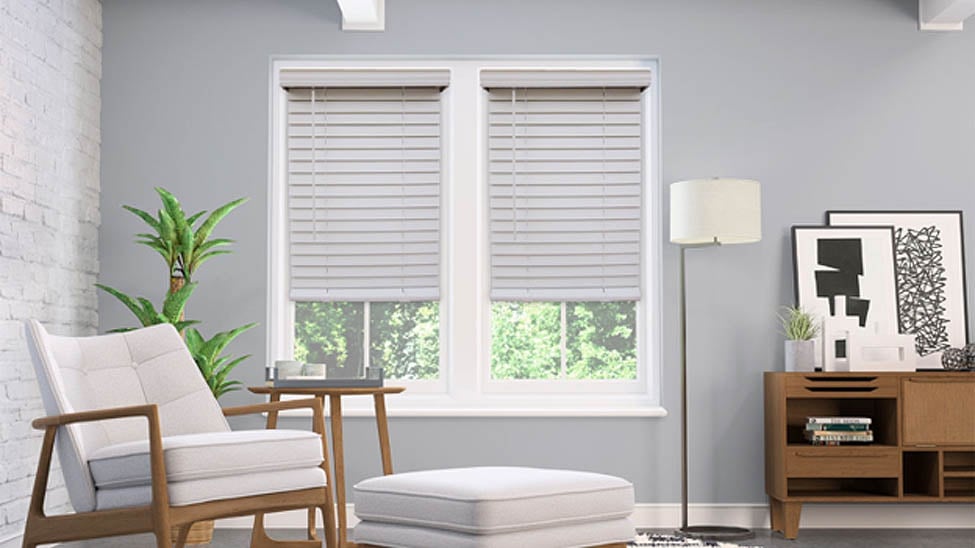
One damaged slat on an otherwise healthy set of blinds is one that may not be a deal breaker. Depending on how your blind is constructed, you may be able to just slide the broken slat out of the blind and insert a replacement slat. Swapping one out takes just a few minutes. If the remaining slats are straight, the color is consistent, and the lift mechanism works smoothly, a single slat replacement is a perfectly reasonable fix.
A Loose Bracket or Mounting Hardware
A shade that has come away from one bracket or feels slightly unsteady is usually a five-minute job with a screwdriver. Loose mounting hardware does not mean the treatment itself is failing. Tighten or replace the bracket, and the shade should sit flush and operate normally again.
Light Surface Dust or Grime
Dust buildup does not cause damage. It is maintenance. Regular cleaning extends the life of your window treatments significantly, and most materials respond well to a soft cloth, a feather duster, or a vacuum's brush attachment. Blindster's guide on how to clean blinds and shades walks through the process for every material type, and Blindster's guide on caring for faux wood blinds covers the specifics for that category.
Signs That Point Toward Replacement
When the issue goes beyond a single part or a quick cleaning, repair stops being cost-effective and starts delaying the inevitable. These are the signs that your window treatments are ready to be replaced rather than patched.
Fading or Discoloration That Cleaning Cannot Fix
UV damage is permanent. Once the sun has bleached one side of a shade or yellowed a set of blinds unevenly, no amount of cleaning brings the original color back. Faded window treatments make a freshly painted room look tired, and the contrast only grows more obvious over time. Replacing with new roller shades or faux wood blinds in a current color can transform the entire feel of a space in a single afternoon.
Warped, Bent, or Twisted Frames
Aluminum and vinyl blinds are especially prone to warping in high-heat windows, particularly those facing west that absorb afternoon sun for years. A single warped slat can sometimes be swapped, but a frame that has twisted or bowed affects how the blind hangs, closes, and seals against the window. Once the structure itself is compromised, replacement is the only path to a treatment that sits and operates the way it should.
Frayed Cords or Outdated Lift Systems
Frayed cords are both a performance issue and a safety concern, especially in homes with young children or pets. Cords that have worn through once will wear through again, and re-cording an aging treatment only delays the same failure. Modern window treatments have moved beyond traditional pull cords entirely. Blindster's overview of the shift to cordless window coverings explains why the industry now designs around cordless lift systems that are safer, cleaner looking, and easier to use.
Multiple Problems at Once
Fading, a sluggish lift mechanism, and a cracked slat appearing together are signs that the product has reached the end of its useful life. Fixing one issue does not stop the others from progressing. When problems stack up, replacing the entire treatment with a single, well-chosen upgrade is both more cost-effective and more satisfying than chasing repairs one at a time.
What You Gain When You Replace Instead of Patch
A repaired shade with uneven lift still frustrates every morning. A patched blind with mismatched color still looks off in a freshly decorated room. When the goal is a window treatment that fits, functions, and feels right, custom replacement is the answer.
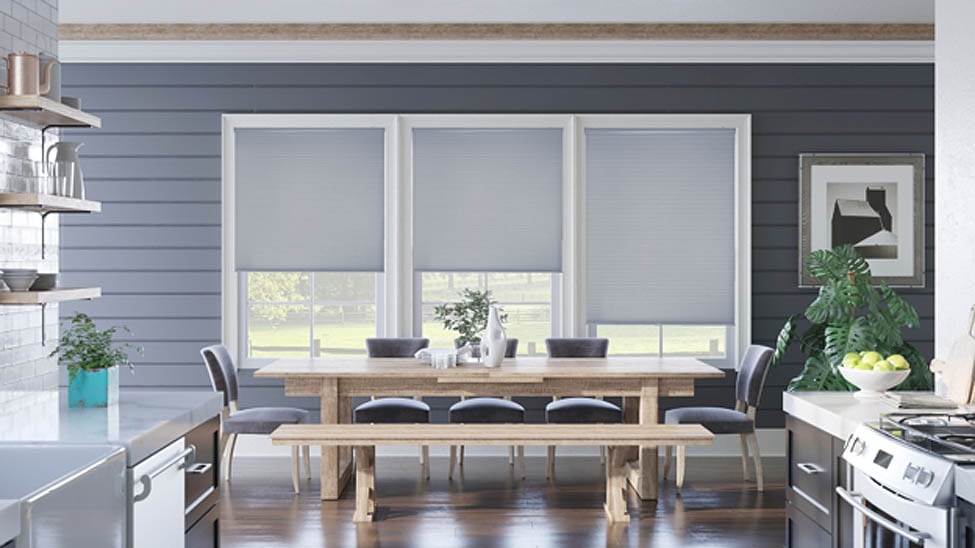
Today's window treatments offer features that simply did not exist a decade ago. Cordless and motorized lift systems eliminate dangling cords. Energy-efficient cellular shades trap air between your window and your room to help regulate temperature year-round. Blackout and light-filtering fabrics give you precise control over how much daylight enters each space. And because every Blindster order is custom-made to your exact window measurements, the fit is precise from the start.
Replacing older treatments also means your home benefits from the latest safety standards. As of 2024, all new window treatments sold in the U.S. must comply with updated cord safety regulations, which means every product on Blindster.com is designed with child and pet safety built in.
A Home Worth Getting Right
The decision to repair or replace your window treatments comes down to one question: Will the fix restore the treatment to a standard that makes you proud of the room it lives in? If the answer is yes, repair and move on. If the answer is no, or if the answer is "maybe, for now," replacement is the more honest and more rewarding path.
Blindster makes starting fresh simple. Every order is custom-built to your measurements, backed by the Fit or Free Guarantee, and ships with free delivery. If you want to see and touch the materials before committing, you can order up to 10 free samples shipped within one business day. It is the kind of careful beginning that leads to a result you will not want to change for a very long time.
Frequently Asked Questions
How long do window treatments usually last?
Most window treatments last between 7 and 10 years, depending on the material, how much sun they receive, and how often they are operated. Faux wood and cellular shades tend to fall on the longer end of that range with proper care.
Is it worth repairing blinds?
It depends on the scope of the issue. A single broken slat or a loose bracket is worth fixing. But if multiple parts are failing, the color has faded, or the lift mechanism is unreliable, replacing the treatment is usually more cost-effective.
What window treatments are considered outdated?
Treatments with exposed pull cords, thin aluminum mini blinds from past decades, and heavily faded fabric shades are the most common signs of an outdated setup. Modern cordless and motorized options offer a cleaner look and improved safety.
Can I replace just one blind in a room?
Yes, but color matching can be difficult if the remaining treatments have faded over time. If the difference is noticeable, replacing the full set ensures a consistent, cohesive appearance across the room.
Do new window treatments improve energy efficiency?
Yes. Cellular shades in particular are designed to trap air and insulate your windows, which can reduce heating and cooling costs. Even roller shades and faux wood blinds offer better thermal performance than older, worn-out treatments.
How do I know if my window treatments are a safety hazard?
If your blinds or shades have exposed, dangling lift cords, they may pose a strangulation risk to young children and pets. Replacing them with cordless or motorized options eliminates this concern.
- The Best Dust-Resistant Blinds for Cleaner Homes & Less AllergiesBlinds, Shades & ShuttersHome Advice
- How Classic Value Faux Wood Blinds Compare to Real Wood and Faux Wood OptionsBlinds, Shades & Shutters
- Best Window Treatments for Living Rooms: Style, Light, and Privacy GuideBlinds, Shades & ShuttersDesign & Decor
- What Cell Size Do I Need? Cellular Shade Sizes ExplainedBlinds, Shades & Shutters
- How to Choose the Perfect Bamboo Shades for Your HomeBlinds, Shades & ShuttersHow To