Standard vs Reverse Roll Roller Shade: Differences & How to Choose
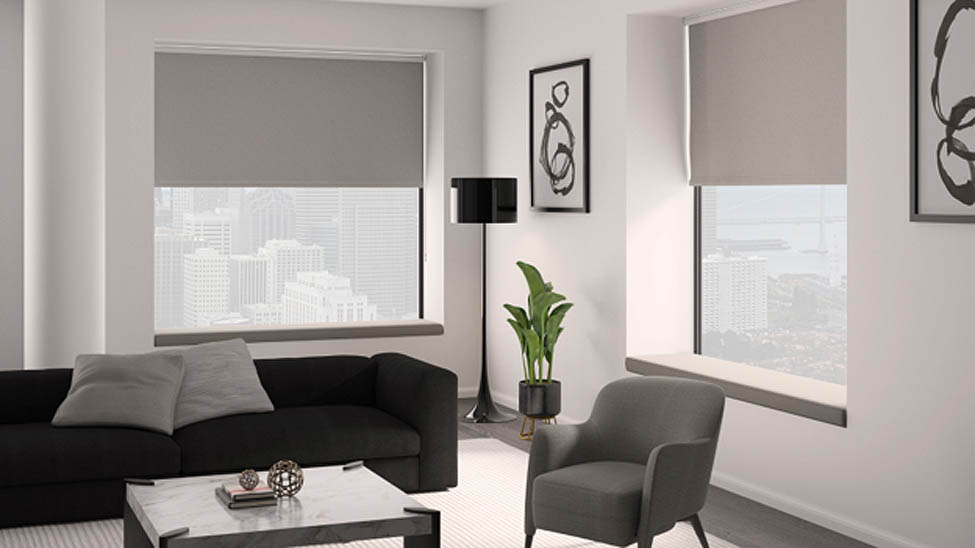
Roller shades are beautifully simple. A single piece of fabric wraps around a tube, rolls up when you want the view, and rolls down when you want privacy. But there is one small decision built into that simplicity that quietly shapes how your shade looks, how much light it lets in, and how cleanly it sits against the window.
That decision is roll direction. Every roller shade either rolls with the fabric falling off the back of the tube (standard roll) or off the front (reverse roll). Understanding the difference before you order ensures the final result feels exactly right.
What Roll Direction Actually Means
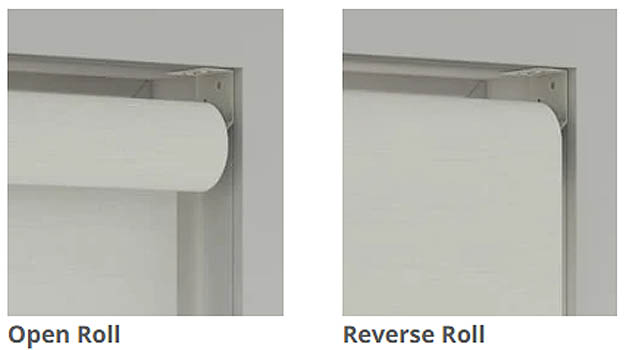
Roll direction refers to which side of the roller tube the fabric drops from when your shade is lowered. It sounds minor, but it changes both the visual profile of the shade and how tightly it sits against the window glass.
Standard Roll
A standard roll roller shade has the fabric rolling off the back of the tube, closest to the window. This positions the material right up against the glass when fully lowered, creating a tight, built-in look with minimal space between the shade and the frame.
The standard roll is the most common configuration and the default for most roller shades. It keeps the roller tube slightly more visible from the room side, but the fabric sits closer to the glass, which matters for light control.
Reverse Roll
A reverse roll roller shade has the fabric rolling off the front of the tube, away from the window. The decorative face of the fabric cascades toward you, and the roller tube is hidden behind the shade rather than sitting in front of it.
Reverse roll creates more space between the fabric and the glass, which helps the shade clear window handles, casement cranks, or protruding locks. It gives the shade a different visual character, with the fabric appearing to float in front of the window rather than hugging it.
How Roll Direction Changes the Way Light Enters
One of the most meaningful differences between standard and reverse roll is light control, especially in rooms where blocking outside light matters most.
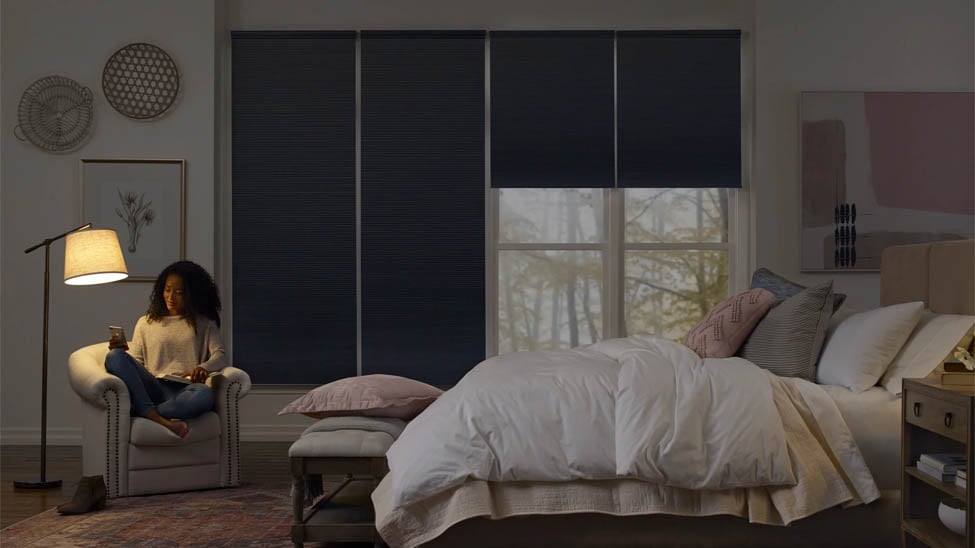
With a standard roll, the fabric sits closer to the glass. That tighter fit reduces the gap where light can wrap around the edges. For anyone choosing blackout roller shades for a bedroom or media room, the standard roll generally performs better because it minimizes the soft glow of light that can appear along the sides.
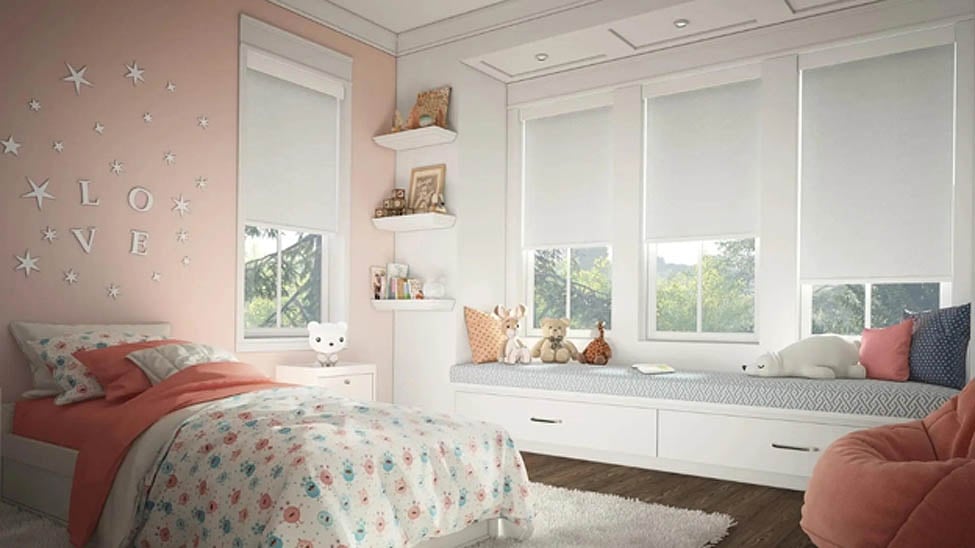
With a reverse roll, the fabric hangs slightly farther from the glass, creating a wider gap at the top and sides. This is less ideal for blackout performance but perfectly suited for light-filtering roller shades in kitchens, living rooms, or spaces where soft, diffused daylight is the goal rather than total darkness.
When Mount Type and Roll Direction Work Together
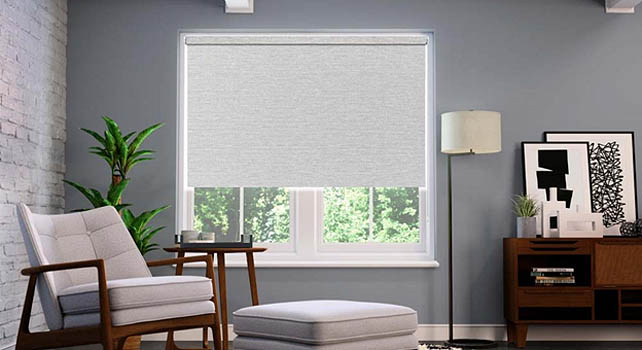
Your mounting method and roll direction are connected decisions. The combination you choose affects both appearance and function, so it helps to consider them at the same time.
Inside Mount with Standard Roll
This is the most popular pairing. Inside mount roller shades sit within the window frame for a clean, recessed look, and standard roll keeps the fabric close to the glass for the tightest possible fit. If your window has enough depth and no obstructions, this combination delivers the most polished result.
For bedrooms, an inside-mounted room darkening roller shade on a standard roll balances light control with a streamlined appearance. Blindster's guide on inside vs outside mount covers how to decide which method works best for your windows.
Outside Mount with Reverse Roll
If your window has casement cranks, protruding locks, or shallow frames without enough depth for an inside mount, an outside mount with reverse roll is often the better path. The fabric projects forward past the obstruction, and the outside mount ensures the shade covers the entire frame for improved light control.
This pairing also works well for making a smaller window appear larger, since the shade extends past the frame and covers additional wall space on either side.
Which Roll Direction Looks Better in the Room
Appearance is where personal preference takes center stage. Both roll directions look refined, but they create subtly different impressions in a space.
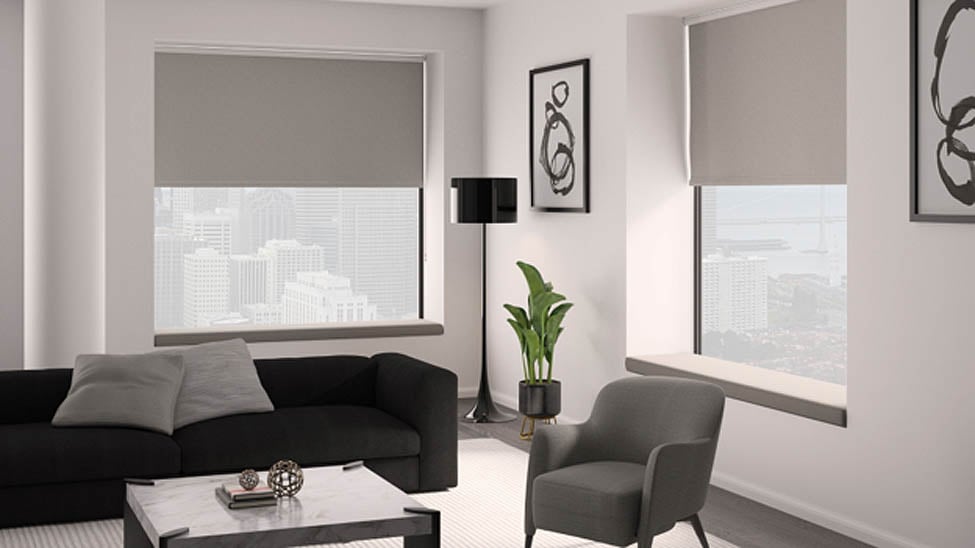
Standard roll creates a minimal, architectural look that suits modern interiors. Adding a cassette valance conceals the tube entirely and gives the shade a more finished profile, an option available on Blindster's Premium Blackout Roller Shades and other select styles.
Reverse roll hides the tube from the room side by draping the fabric in front of it, creating a single, uninterrupted surface. This can be especially appealing with textured or patterned materials. On blackout shades, reverse roll also keeps the white backing hidden behind the fabric, which many homeowners prefer.
For a fuller look at roller shade features and design options, the rundown on roller shades is a useful reference.
The Detail That Ties It All Together
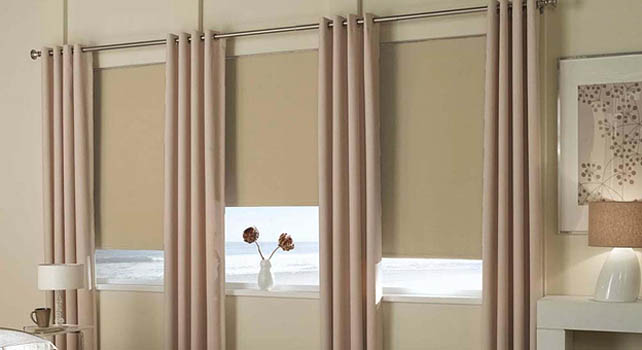
Roll direction is one of those decisions that separates a shade that simply covers a window from one that feels considered and complete. Standard roll suits anyone who wants the fabric tight against the glass with the most light blocked. Reverse roll suits anyone who needs clearance, wants the tube hidden, or prefers the decorative face of the fabric front and center.
Neither choice is wrong. The right one depends on your windows, your mount, and the atmosphere you are building in each room. Blindster makes this decision easy to get right because every order is custom-built to your exact measurements and backed by the Fit or Free Guarantee. If you want to see and feel a fabric before committing, order up to 10 free samples shipped within one business day, so the material arrives at your door and you can see it in your own light.
Frequently Asked Questions
Does roll direction affect the price of roller shades?
No. Roll direction is a no-cost customization option, not an upgrade. The cost of the shade is determined by fabric type, size, and features like motorization or a cassette valance, not which direction the fabric rolls.
Can I switch roll direction after ordering?
Roll direction is set during manufacturing and cannot be changed once your custom shade is made. Choosing the right option before placing your order is important, and Blindster's team can help if you are unsure.
Which roll direction is better for blackout shades?
Standard roll is generally better for blackout performance because it positions the fabric closer to the glass, reducing the gap where light can enter around the edges. Reverse roll still works with blackout fabric, but allows slightly more light around the sides.
Do I need a cassette valance with a reverse roll shade?
Not necessarily. The reverse roll already hides the roller tube behind the fabric. A cassette valance adds extra polish by covering the tube completely, but it is more commonly paired with a standard roll to conceal the visible tube and brackets. Some roller shades cannot be made with reverse roll and a cassette valance together.
Can I mix standard and reverse roll in the same room?
Yes. Mixing roll directions can solve practical issues, like using reverse roll on a window with a crank handle and standard roll on a neighboring window without one, while keeping the same fabric and color for a consistent look.
Does reverse roll work with motorized roller shades?
Yes. Both standard and reverse roll are compatible with motorized lift systems. Motorized shades raise and lower with a remote control regardless of roll direction, so you can choose the roll that fits your window and still enjoy hands-free operation.
- Standard vs Reverse Roll Roller Shade: Differences & How to ChooseBlinds, Shades & Shutters
- When to Repair vs Replace Your Window TreatmentsBlinds, Shades & ShuttersCommon Questions
- Common Mistakes When Ordering Blackout Shades (and How to Avoid Them)Blinds, Shades & ShuttersCommon Questions
- Are Vertical Blinds Still in Style?Blinds, Shades & ShuttersDesign & Decor
- Are Plantation Shutters Still in Style in 2026?Blinds, Shades & ShuttersCommon Questions