Common Mistakes When Ordering Blackout Shades (and How to Avoid Them)
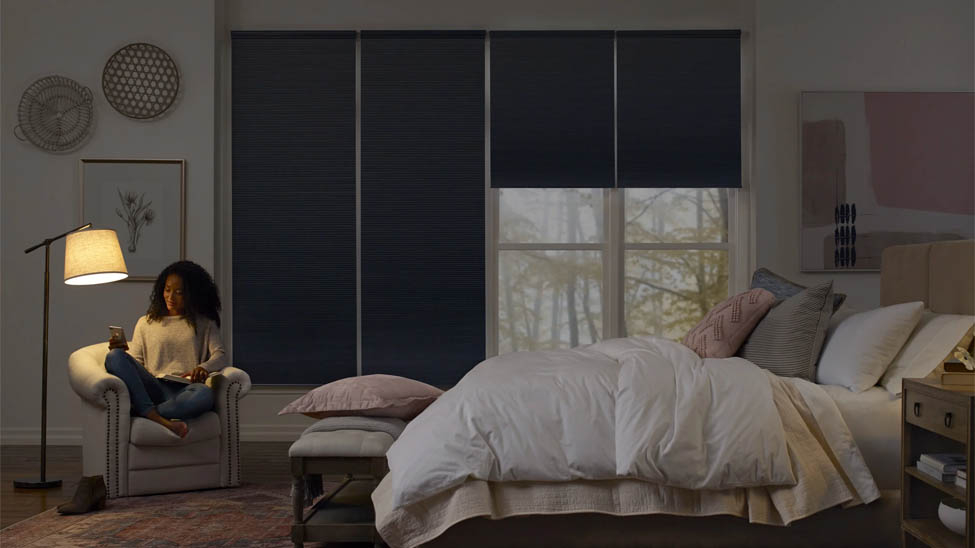
Blackout shades are one of the most purposeful window treatments you can add to a home. They transform bedrooms into darker, quieter spaces for sleep, make nurseries more restful during daytime naps, and give media rooms the darkness they need to function. But the performance of a blackout shade depends entirely on how well it is ordered, measured, and mounted.
Most of the frustration homeowners feel after installing blackout shades comes not from the product itself, but from a handful of avoidable mistakes made during the ordering process. Understanding these mistakes before you begin means the shade that arrives will do exactly what you need it to do.
Confusing Room Darkening with True Blackout
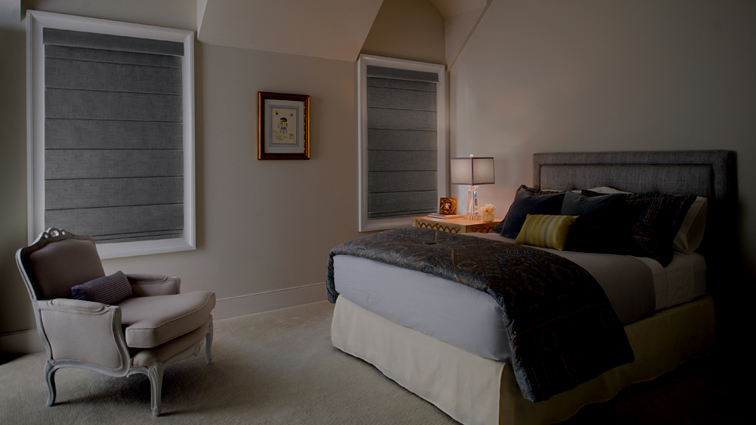
This is the most common mistake, and it happens because the two terms sound similar but describe very different levels of light control. Room darkening shades reduce light significantly, but they still allow a very soft glow to pass through the fabric. Blackout shades use fully opaque material that prevents light from passing through the fabric itself.
If your goal is to create meaningful darkness for sleep, naps, or screen viewing, you need to confirm that the product you are ordering uses actual blackout fabric, not just a room-darkening weave. Blindster's guide on room darkening vs blackout shades explains the difference clearly and shows what to look for in a product listing.
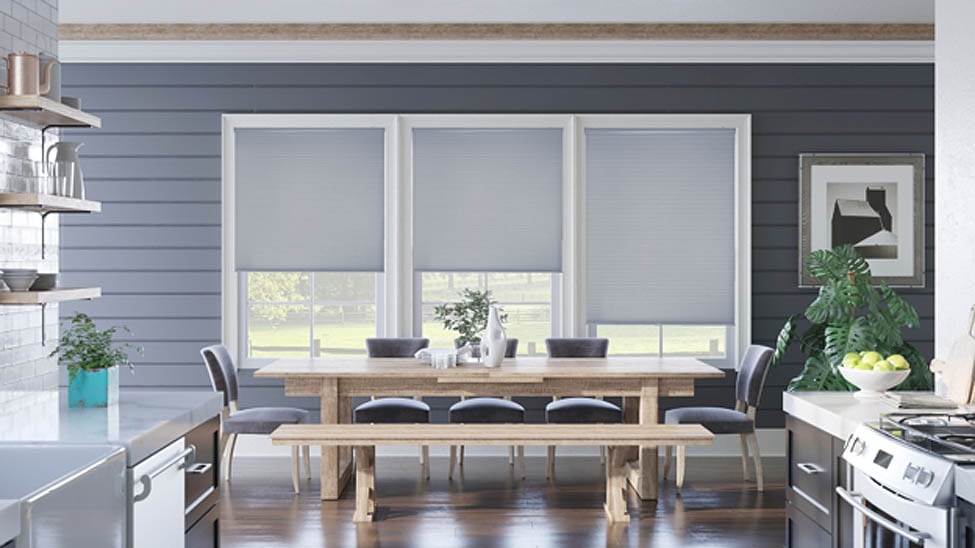
When browsing Blindster's blackout options, the distinction is built into the product name. The Deluxe Blackout Fabric Roller Shades use a white acrylic backing that stops light through the fabric, while the Deluxe Blackout Double Cellular Shades achieve the same result through an opaque inner layer within the honeycomb cells.
Measuring Only Once Instead of Three Times
Custom blackout shades are built to your exact measurements, which means precision matters more than it might with a less performance-dependent product. Even a small error can result in a shade that leaves a wider gap than expected along one side, which lets more light in than you planned for.
The most reliable approach is to measure your window's width at three points (top, middle, and bottom) and use the narrowest measurement for an inside mount. Do the same for height and use the shortest. Blindster's guide on how to measure windows for shades walks through the process for both mount types with clear illustrations.
If your measurements turn out to be off, the Fit or Free Guarantee covers you. Blindster will remake the shade at no charge, which removes the risk but does not eliminate the value of getting it right the first time.
Choosing Inside Mount Without Understanding Light Gaps
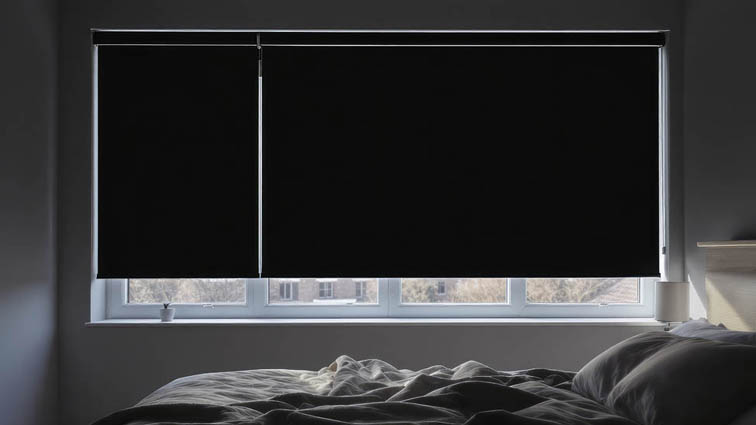
Inside mount blackout shades sit within the window frame for a clean, recessed look. They are a popular choice, and for good reason. But it is important to understand that even a perfectly measured inside mount will leave a small gap between the shade and the frame on each side. That gap is necessary for the shade to operate, and it means a thin line of light will be visible along the edges in bright conditions.
This does not mean the shade is defective. It is a normal characteristic of all inside-mounted window treatments, and for most bedrooms, the darkness an inside mount provides is more than enough for restful sleep.
If maximum darkness is your priority, an outside mount is the better option. Mounting the shade above and beyond the frame allows it to overlap the wall, significantly reducing edge light. Blindster's guide on inside vs outside mount helps you decide which approach suits your windows.
Expecting Complete Darkness from the Shade Alone
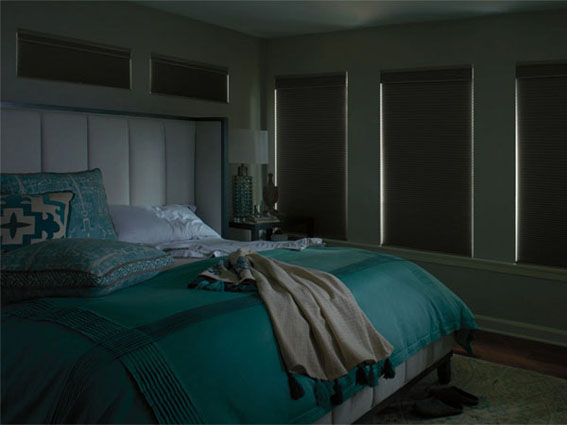
This mistake often follows from the previous one. Even with blackout fabric and a well-fitted mount, no single shade creates absolute, pitch-black darkness in a room. The fabric blocks light completely, but the structural gaps where the shade meets the window frame will always allow a small amount of ambient light to enter.
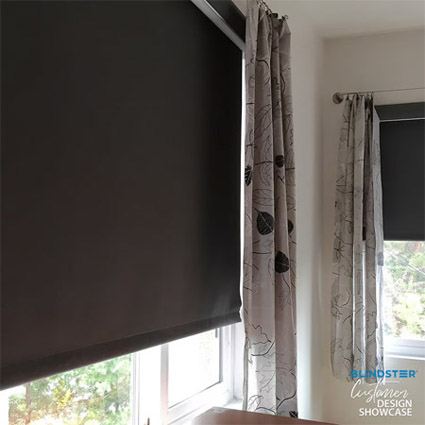
Understanding this up front prevents disappointment. For most sleepers, a well-fitted blackout shade provides more than enough darkness. For rooms where you want to push it further, layering a blackout shade with drapery panels on either side is one of the most effective strategies. The shade handles the window, and the drapery covers the edges.
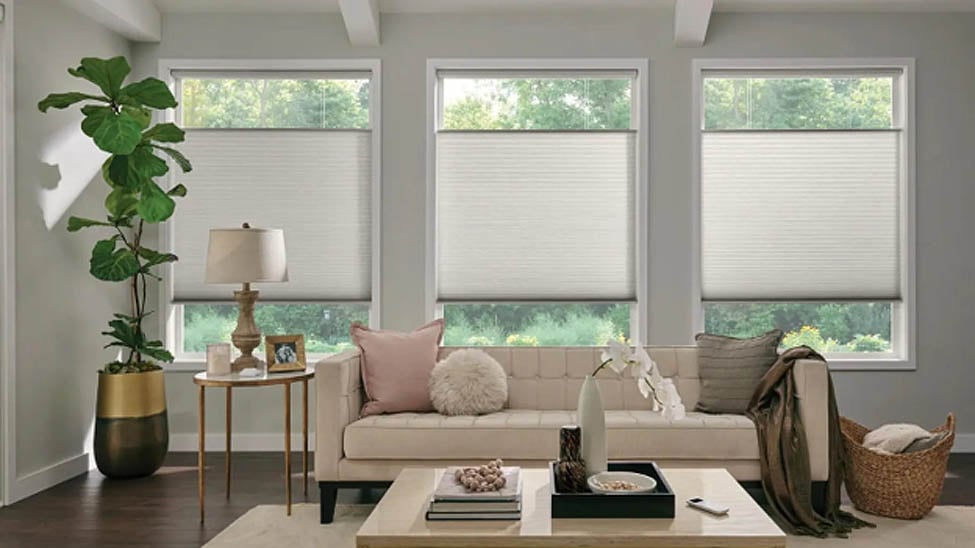
Cellular shades tend to have smaller edge gaps than roller shades, so a product like Blindster's Cordless Blackout Single Cellular Shades is worth considering if edge light is a concern.
Skipping Samples and Ordering Without Seeing the Fabric
Blackout fabric comes in a wide range of colors and textures, and what looks right on a screen does not always look right against your walls, bedding, or furniture. Ordering without seeing the actual material in your own light is one of the easiest mistakes to make and one of the simplest to avoid.
Lighter-colored blackout fabrics block just as much light as darker ones because the light blocking comes from the opaque backing, not the color of the room-facing surface. You do not need a dark shade for strong blackout performance, but you do need to see the fabric in person to be sure the color and texture works in your space.
Blindster ships up to 10 free samples within one business day. Holding the fabric against your window frame, your paint, and your bedding takes less than a minute and prevents the kind of regret that leads to reordering.
Getting It Right the First Time
Every mistake on this list is avoidable, and none of them requires special expertise. Confirm you are ordering true blackout fabric. Measure three times. Understand what your mount type can and cannot do for edge light. Set realistic expectations about how dark the room will be. And see the fabric before you commit.
Blindster builds every blackout shade to your exact specifications and backs every order with the Fit or Free Guarantee. If you are still weighing roller vs cellular or inside vs outside mount, Blindster's team is available by phone to walk through the details. The five minutes you spend getting the order right save you weeks of second-guessing.
Frequently Asked Questions
Do blackout shades block all light completely?
No. Blackout fabric stops light from passing through the material itself, but a small amount of light will appear around the edges where the shade meets the window frame. This is normal for all blackout window treatments. An outside mount with overlap reduces it significantly.
What is the difference between blackout and room darkening?
Blackout shades use fully opaque fabric that blocks virtually all light through the material. Room darkening shades reduce brightness but still allow a very small amount of light to filter through. For bedrooms and nurseries, blackout is the stronger choice for meaningful darkness.
Does the color of a blackout shade affect how well it blocks light?
No. The light blocking comes from the opaque backing or inner layer of the fabric, not the color of the room-facing surface. A white blackout shade blocks just as much light as a charcoal one.
Should I choose inside mount or outside mount for blackout?
An inside mount gives a cleaner look but will leave small light gaps along the edges. Outside mount overlaps the window frame and reduces edge light. If maximum darkness is your priority, an outside mount with two to three inches of overlap on each side is the better option.
What happens if I measure my windows wrong?
Blindster's Fit or Free Guarantee covers you. If your shade does not fit because of a measurement error, Blindster will remake it to the correct size at no charge. Measuring three times before ordering is still the best approach.
Are cellular shades better than roller shades for blackout?
Cellular shades tend to have smaller edge gaps because of their compact construction, which can result in slightly less light around the sides, especially on inside mount shades. Roller shades offer a sleeker profile and are easier to clean. Both perform well with blackout fabric, and the best choice depends on whether insulation or simplicity matters more to you.
- What Cell Size Do I Need? Cellular Shade Sizes ExplainedBlinds, Shades & Shutters
- How to Choose the Perfect Bamboo Shades for Your HomeBlinds, Shades & ShuttersHow To
- What Is a Window Treatment? Types, Uses & How to ChooseBlinds, Shades & ShuttersCommon Questions
- How to Choose the Right Window Covering for Every Room: A Decision GuideBlinds, Shades & ShuttersHow To
- Corded Vs Cordless Blinds: Which Is The Best Option For Your Home?Blinds, Shades & ShuttersCommon Questions