Corded Vs Cordless Blinds: Which Is The Best Option For Your Home?
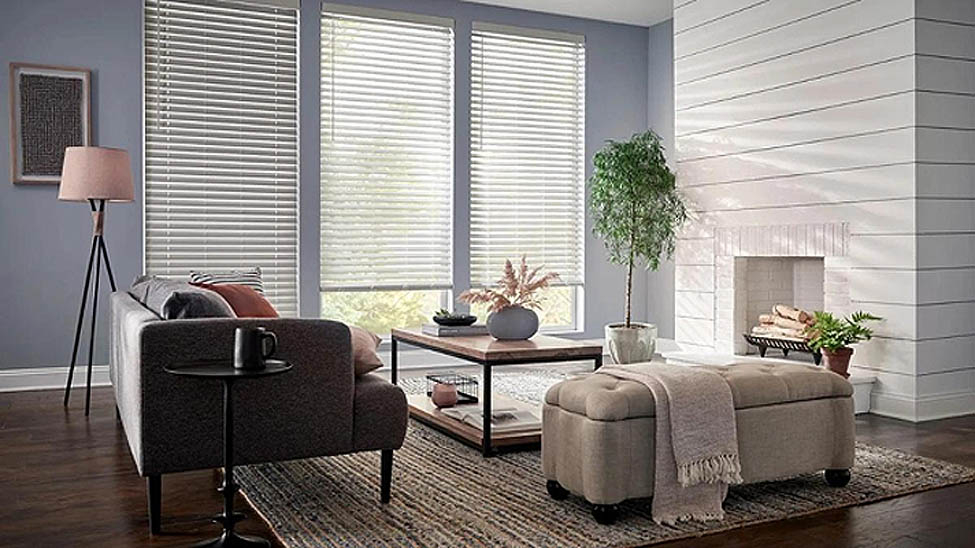
If you have been shopping for new blinds or shades recently, you may have noticed that corded options are no longer easy to find. That is not an accident. The window treatment industry has moved decisively toward cordless and motorized lift systems, and the change is driven by something more important than aesthetics: the safety of children and pets.
For most homeowners, the question is no longer which system to choose. It is about understanding why cordless has become the standard, how it works, and what the practical benefits are for the way you live in your home every day.
Why the Industry Moved Away from Cords
Dangling lift cords on window treatments have been identified by the U.S. Consumer Product Safety Commission as one of the top hidden hazards in the home. The loops created by free-hanging cords pose a strangulation risk to young children and pets, and incidents have been documented for decades.
In response, the Window Covering Manufacturers Association updated its safety standard in 2024 to require that all new window treatments sold in the United States eliminate free-hanging cords. This means every product you find on a reputable site today, including every product on Blindster.com, is designed with either a cordless or motorized lift system. Blindster's overview of the shift to cordless window coverings covers the history behind this change and what it means for homeowners.
The shift was not just about compliance. It was a recognition that better, safer alternatives already existed and that making them the default was the right thing to do.
How Cordless Blinds and Shades Work
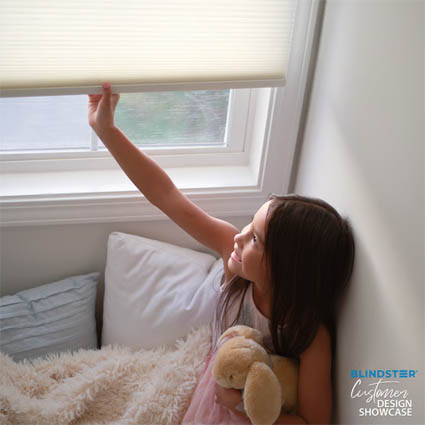
Cordless blinds use an internal spring or tension mechanism housed inside the headrail. Instead of pulling a cord to raise or lower the shade, you simply push the bottom rail up or pull it down. The mechanism holds the shade in place wherever you leave it, with no cords, clips, or locking devices to manage.
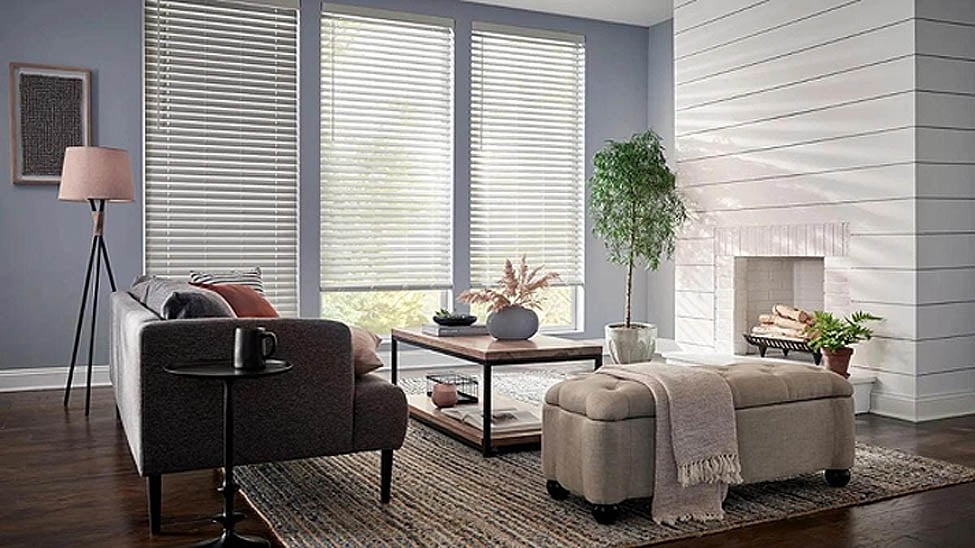
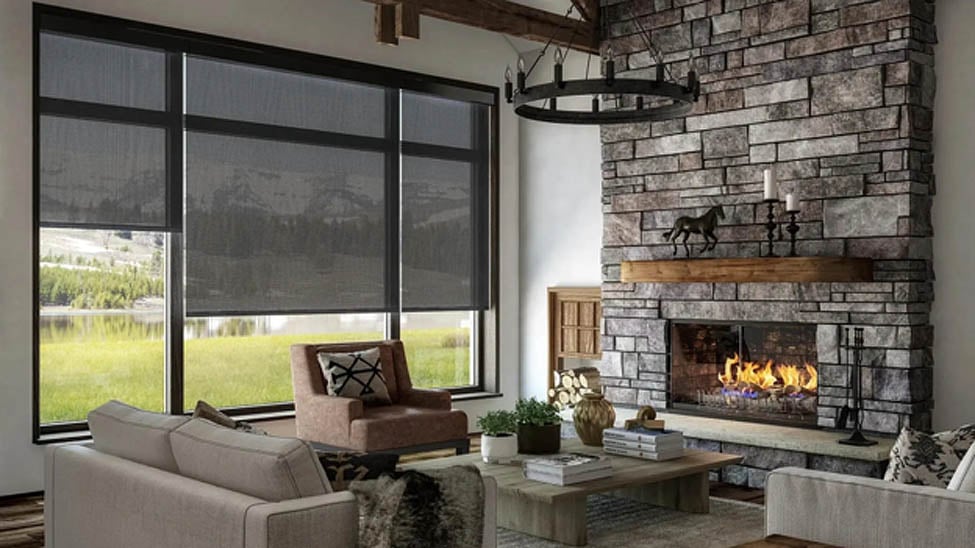
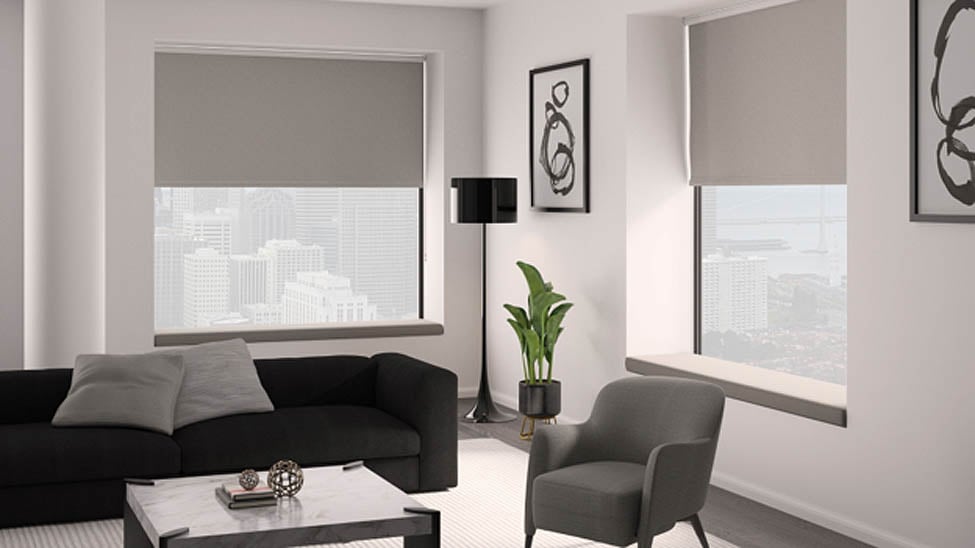
The operation is smooth and intuitive. On horizontal blinds like faux wood blinds, a separate wand handles the tilting of the slats, so you can adjust light and privacy independently from the shade's height. On shades like roller shades and cellular shades, the entire raise-and-lower action happens through the bottom rail with no additional controls needed.
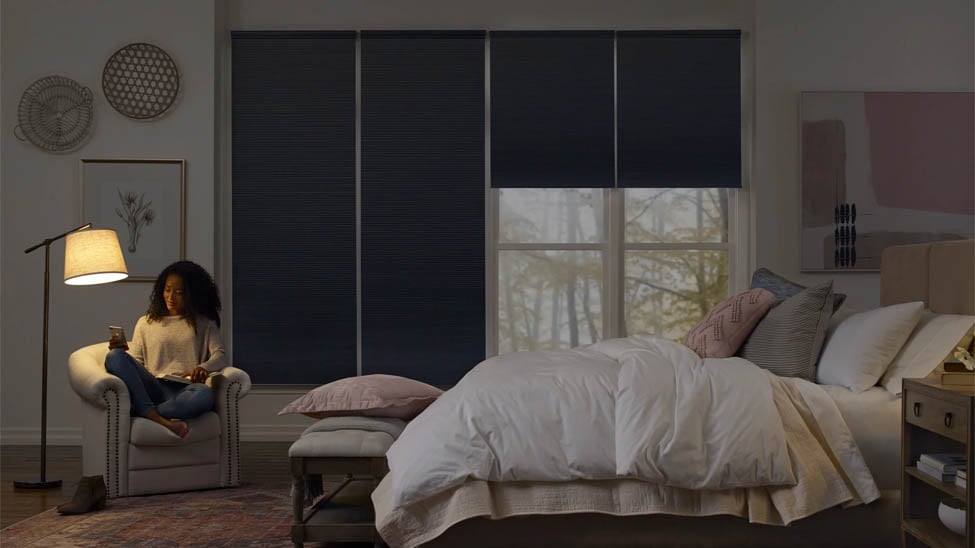
For a closer look at how the mechanism works on one of the most popular cordless products, Blindster's guide on cordless cellular shades explains the details clearly.
What Cordless Means for Safety, Appearance, and Daily Life
The benefits of cordless blinds go well beyond meeting a safety regulation. They change the way the product looks, operates, and fits into the rhythm of your home. Here are the three areas where the difference is most noticeable.
A Safer Home
With no dangling cords, the primary strangulation risk associated with traditional window treatments is eliminated. This is especially important in nurseries, children's rooms, and any space where pets spend time. Cordless lift is now available, often at no extra charge, on every Blindster product, so peace of mind is part of every window treatment no matter what style you're thinking of buying.
A Cleaner Look
Cords create visual clutter. Even when they are neatly wrapped around a cleat, they add a line of hardware and string to the side of an otherwise clean window. Removing them gives the entire window a simpler, more finished appearance. This is one of the reasons designers consistently prefer cordless blinds and shades for living rooms, bedrooms, and any space where the window treatment is visible.
Simpler Daily Use
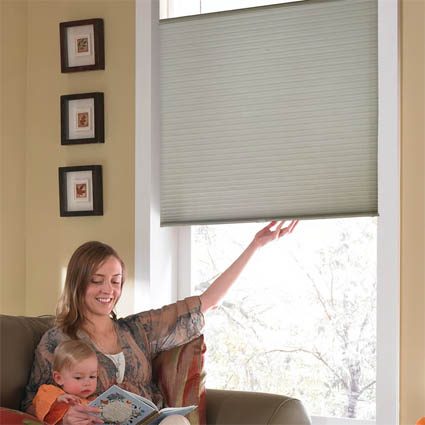
Cordless blinds are easier to operate than corded ones. There is no cord to find, untangle, or lock into position. You raise the shade with one hand and let go. It stays. This simplicity matters in homes where multiple windows are adjusted throughout the day and helps facilitate operation for anyone with trouble gripping cords or pulling them to raise the blind.
When Motorized Takes It a Step Further
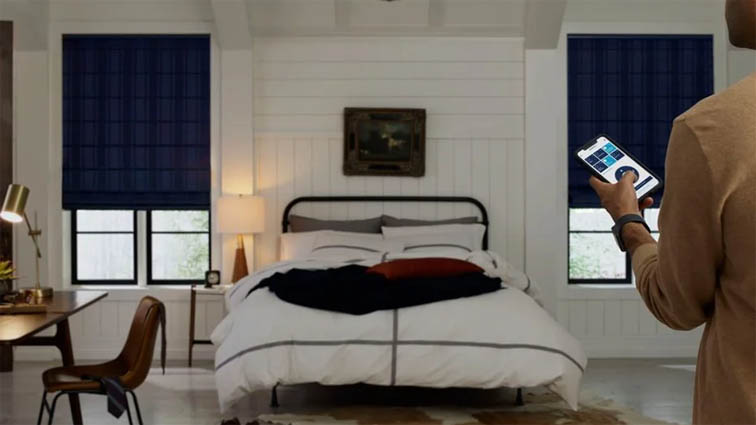
Motorized blinds and shades are the next step beyond cordless. They use a small, quiet motor inside the headrail to raise and lower the shade with a remote control, a wall switch, or a smart home app. You never touch the shade at all.
Motorized lift is especially useful for windows that are high, hard to reach, or positioned behind furniture. It also makes it easy to adjust every shade in a room at the same time, which is a meaningful convenience for living rooms and bedrooms with multiple windows.
Blindster offers motorized options across several product categories, including roller shades and cellular shades. If you are considering motorized shades for any room in your home, it is worth noting that every motorized shade is also fully cordless by design, so safety is built in from the start.
A Standard Worth Embracing
The corded vs cordless question has largely been answered by the industry itself. Cordless is now the default because it is safer, cleaner, and easier to live with. The external pull cords that once defined how blinds worked are no longer necessary, and the products that replaced them are better in every way that matters to a homeowner.
Every Blindster blind and shade is custom-made to your exact measurements, cordless by design, and backed by the Fit or Free Guarantee. If you want to see and touch the materials before you commit, you can order up to 10 free samples shipped within one business day. The window treatments in your home should make daily life simpler, not more complicated, and cordless is how that simplicity begins.
Frequently Asked Questions
Are corded blinds still sold?
New window treatments with free-hanging lift cords have been phased out following updated safety standards in 2024. Products sold today use cordless, motorized, a cord loop fastened to the wall or wand-operated systems that eliminate the strangulation risk associated with traditional pull cords.
Are cordless blinds more expensive than corded?
Not at Blindster. A cordless lift is included at no additional charge on nearly all products. The cost of your blinds or shades is determined by the material, size, and features you choose, not just by the lift system.
Do cordless blinds lose tension over time?
Quality cordless mechanisms are designed to last for years of daily use without losing tension. If a new shade does begin to drift, it is typically a sign of a manufacturing issue rather than a design flaw, and most warranties cover this.
Can cordless blinds be motorized?
Yes. Motorized blinds are cordless by design. They add a small motor inside the headrail that lets you operate the shade with a remote, app, or smart home integration. Motorized is a convenient upgrade worth considering for hard-to-reach windows or rooms with many windows.
How do you raise and lower cordless blinds?
You simply push the bottom rail up to raise the shade and pull it down to lower it. The internal mechanism holds the shade at whatever height you choose. On horizontal blinds, a wand control handles the tilting of the slats separately.
Are cordless blinds safe for homes with children?
Yes. Cordless blinds are the safest option for homes with young children because they eliminate the dangling cords that pose a strangulation risk. This is the primary reason the industry adopted cordless as its standard across all new products.
- Corded Vs Cordless Blinds: Which Is The Best Option For Your Home?Blinds, Shades & ShuttersCommon Questions
- Best Blinds For Windows That Get Direct Sunlight: UV Protection And Glare ControlBlinds, Shades & Shutters
- Standard vs Reverse Roll Roller Shade: Differences & How to ChooseBlinds, Shades & Shutters
- When to Repair vs Replace Your Window TreatmentsBlinds, Shades & ShuttersCommon Questions
- Common Mistakes When Ordering Blackout Shades (and How to Avoid Them)Blinds, Shades & ShuttersCommon Questions