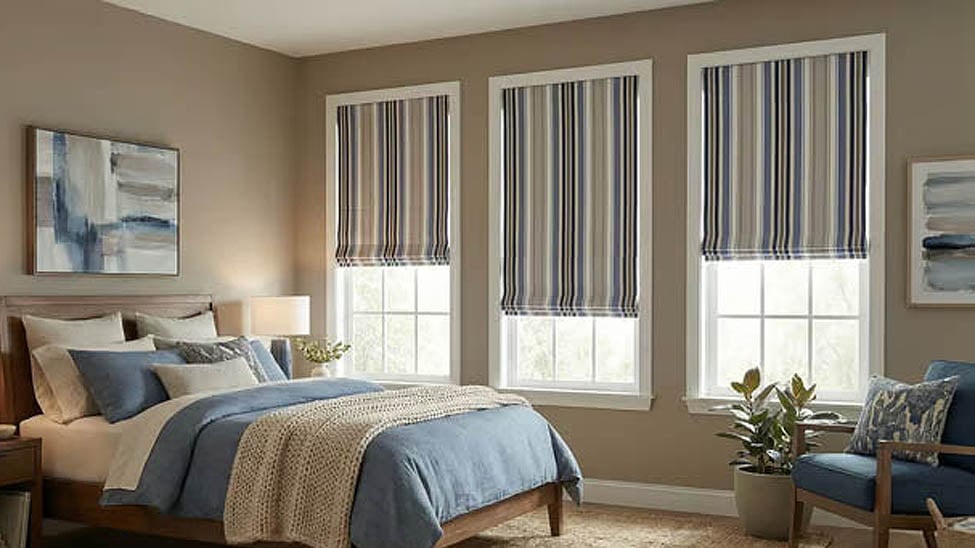
Save Money This Summer With Insulating/Energy-Efficient Shades
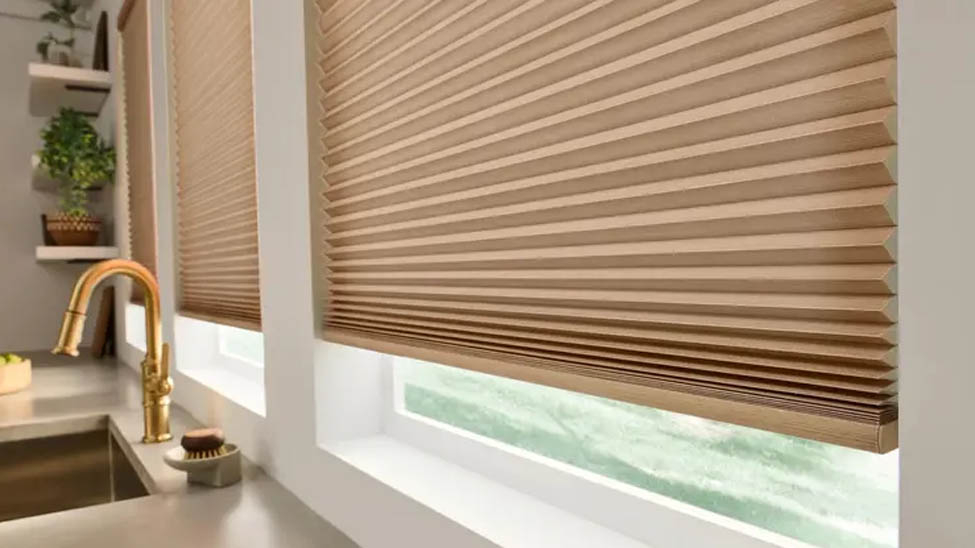
Summer hits different when you're staring at your electricity bill. Like, you knew running the AC would cost something, but this? This feels personal. And the thing is, most of us don't realize how much heat is sneaking into our homes through the windows. According to the U.S. Department of Energy, heat gain and heat loss through windows account for 25-30% of residential heating and cooling energy use. Your air conditioner is basically working overtime to fight a battle it can't win.
But here's the good news. You don't have to seal yourself in a dark cave or accept financial defeat every July. The right window treatments can seriously cut down on how hard your cooling system has to work. And no, we're not talking about taping aluminum foil to your windows like some kind of apocalypse prepper. Energy-efficient shades exist, they look good, and they actually do what they promise.
How Windows Become Heat Magnets in Summer
Before we get into solutions, it helps to understand the problem. Windows are basically holes in your insulation. That sounds dramatic, but it's true. Glass conducts heat way better than your walls do, and single-pane windows are especially bad at keeping outdoor temperatures where they belong, which is outside.
During summer months, solar heat gain through windows can account for a massive chunk of your cooling load. The sun beats down, the glass absorbs and transmits that energy, and suddenly your living room feels like a greenhouse. Your thermostat notices. Your AC kicks on. Your meter spins. Your bill climbs.
The direction your windows face matters too. South and west-facing windows get the most intense afternoon sun, which means they're working against you the hardest. East-facing windows catch the morning rays, which isn't as brutal but still adds up over time.
What Makes a Shade "Energy-Efficient" Anyway?
Not all window coverings are created equal when it comes to blocking heat. A thin curtain might give you privacy, but it's not doing much for your energy bill. Energy-efficient shades work through a few different mechanisms, sometimes combining multiple approaches for maximum effect.
Insulation is one factor. Some shades create a barrier of trapped air between the window and your room, and since air is a poor conductor of heat, this slows down the transfer significantly. Cellular shades are the poster child for this approach, but we'll get into specifics in a minute.
Reflectivity matters too. Shades with specialized woven fabrics can block solar radiation before it converts to heat inside your space. Solar shades use these materials to reduce heat and glare while still letting you see outside.
Then there's simple light blocking. The less sunlight that enters, the less heat that enters. Blackout options take this to the extreme, though you sacrifice natural light in the process.
Cellular Shades: The MVP of Energy Efficiency
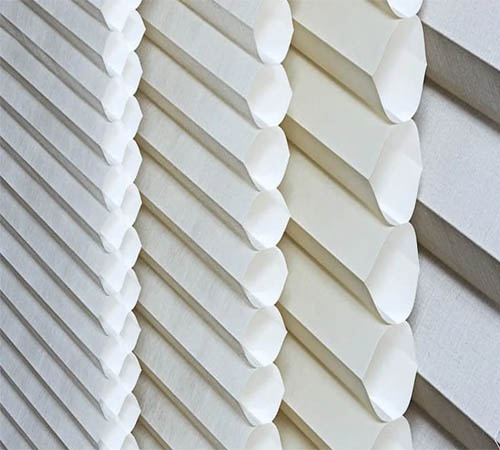
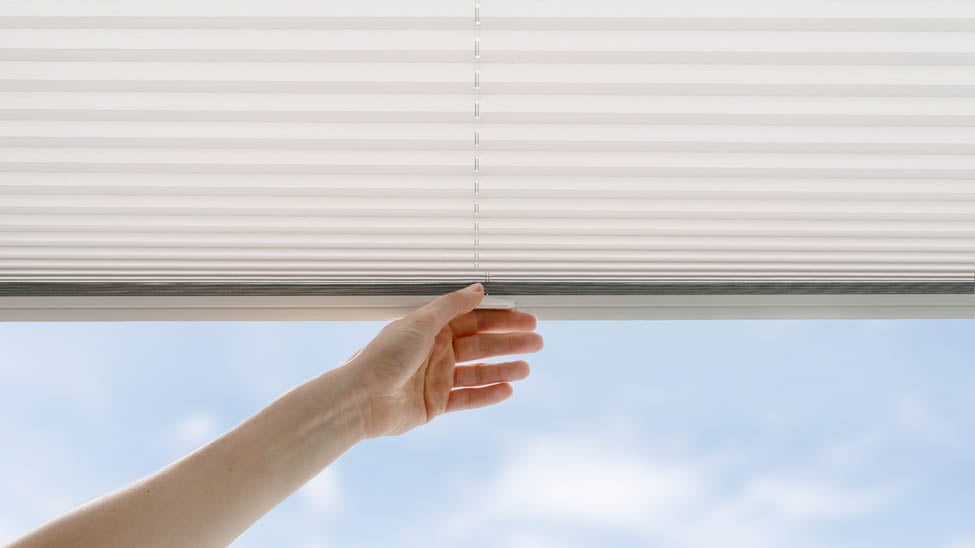
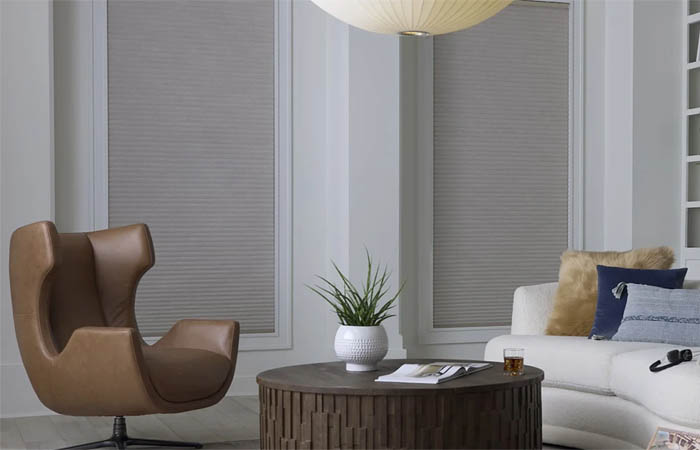
If you're serious about cutting cooling costs, cellular shades should probably be at the top of your list. Sometimes called honeycomb shades because of their structure, these window treatments feature cells that trap air in distinct pockets. That trapped air acts as insulation, creating a buffer zone between the hot glass and your cool interior.
The design is actually pretty clever. When you look at a cellular shade from the side, you'll see the honeycomb shape that gives it its nickname. Single-cell shades offer decent insulation, but double-cell options take it further with an extra layer of air pockets. The U.S. Department of Energy reports that cellular shades can reduce unwanted solar heat through windows by up to 60% when installed with a tight fit.
What's nice about cellular shades is they work year-round. In summer, they keep heat out. In winter, they keep heat in. So you're not just solving a summer problem; you're investing in something that pays off in every season.
Blindster carries a solid selection of cellular shades in various cell sizes, colors, and opacity levels. You can go light-filtering if you want to preserve some natural light, or room-darkening if heat reduction is your absolute priority.
Solar Shades: See Outside Without the Solar Penalty
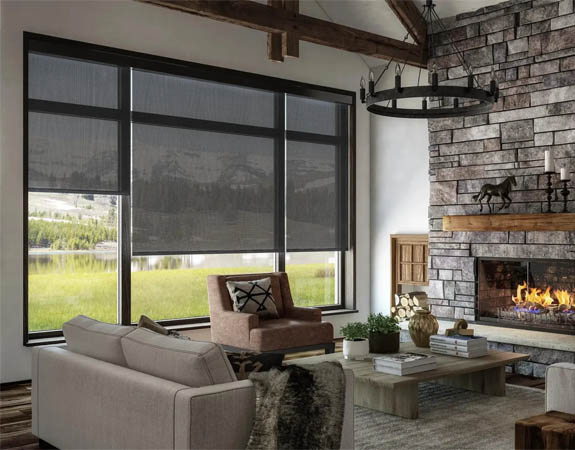
Here's the thing about cellular shades. They're great, but when they're down, your view is blocked. For some windows, that's fine. For others, especially if you've got a nice backyard or city skyline, covering up the glass feels like a waste.
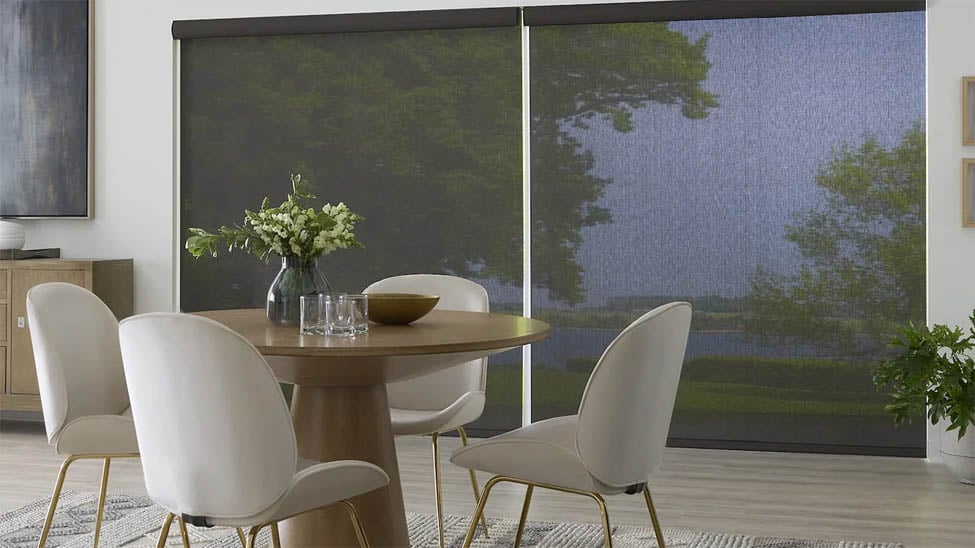
Solar shades solve this problem in a pretty interesting way. They're made from a specialized woven fabric that blocks UV rays and reduces glare while still allowing you to see through to the outside. It sounds like magic, but it's really just material science. The tight weave reflects a percentage of solar radiation while the tiny gaps let visible light through.
Solar shades come with different "openness factors" that tell you how much light and visibility they allow. A lower percentage means more heat blocking but less transparency. A higher percentage lets you see more clearly but blocks less heat. Most people find something in the 3% to 5% range hits the sweet spot, but it depends on your specific situation.
One heads up: solar shades work best when the sun is bright. At night, with interior lights on, the dynamic flips and people outside can see in more easily than you can see out. Something to keep in mind for ground-floor windows facing the street.
Roman Shades and Roller Shades: Style With Substance
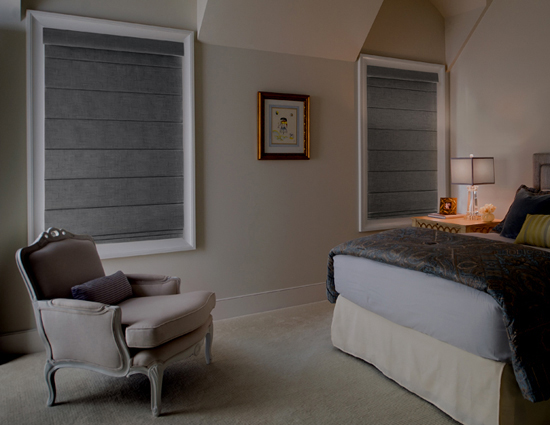
Cellular and solar shades get most of the attention in energy efficiency conversations, but they're not your only options. Roman shades made from heavier fabrics offer decent insulation, especially with blackout or privacy liners. The fabric folds create small air pockets that help slow heat transfer, though not as effectively as true honeycomb construction.
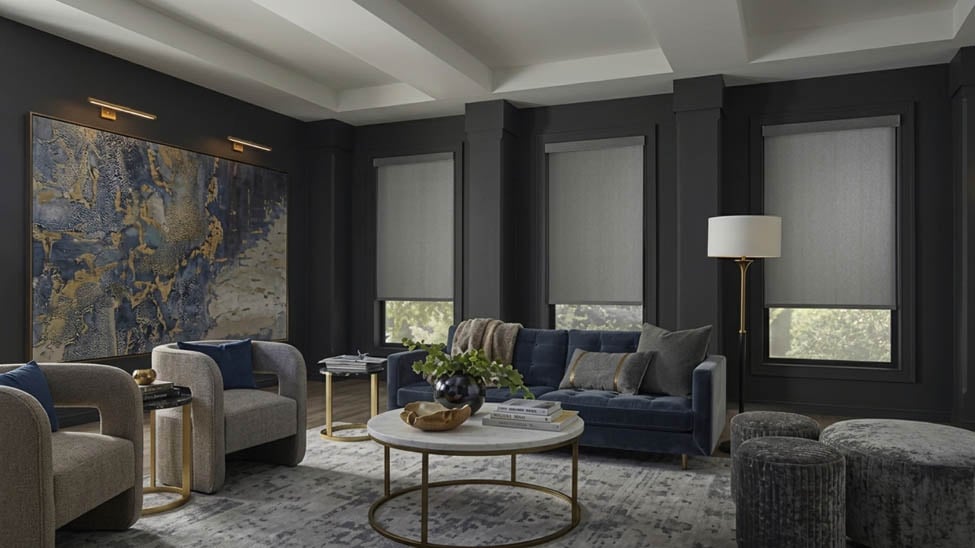
Roller shades are another option worth considering. By themselves, basic roller shades won't dramatically cut your energy bill. But for heat-blocking roller shade options, Blindster's solar shades use specialized fabrics designed specifically to reduce heat gain while maintaining visibility. They're also cleaner-looking than some alternatives, which matters if you're going for a minimalist aesthetic.
The key with Roman shades is material selection. A thin, light-colored fabric won't do much. A thicker, tightly woven material with a blackout liner will actually make a difference. Read the product descriptions carefully and look for terms like "blackout" or "room-darkening" in the specs.
Room-by-Room Strategy Makes Sense
You don't necessarily need the same window treatment in every room. Thinking strategically about which windows get the most sun exposure helps you allocate your budget where it matters most.
That west-facing living room with the giant picture window? That's where you want your most effective heat-blocking solution. Maybe cellular shades with a room-darkening fabric, or high-quality solar shades if you love the view.
The north-facing bedroom that barely gets direct sun? You can probably get away with something less heavy-duty. Light-filtering options will still help with insulation while keeping the room bright and airy.
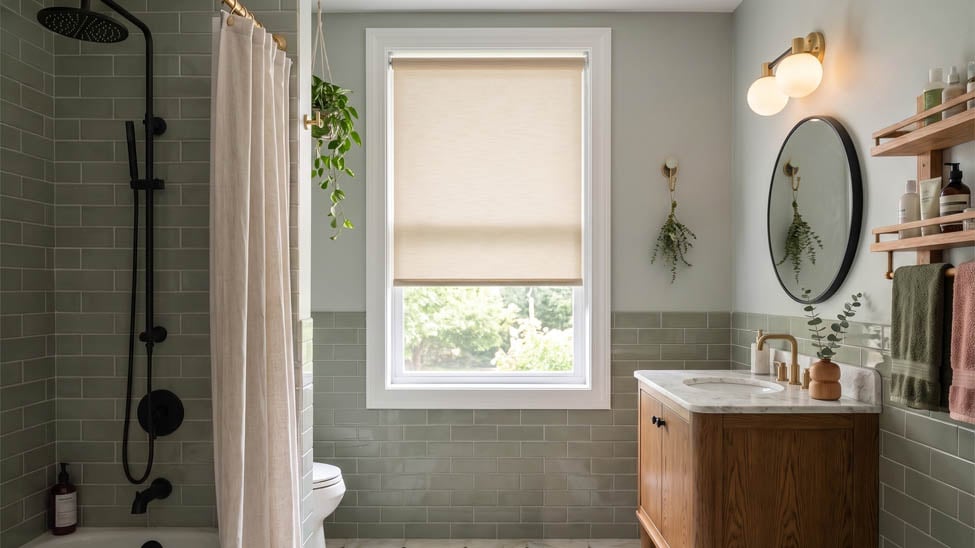
Kitchens and bathrooms have their own considerations. Humidity is a factor, so you'll want materials that can handle moisture without warping or growing mold. Faux wood blinds work well in these spaces, though they're not as insulating as cellular shades.
The Numbers: What Can You Actually Save?
Okay, so energy-efficient shades sound good in theory. But what's the real-world impact on your utility bill?
The U.S. Department of Energy indicates that tightly installed cellular shades can reduce heat loss through windows by 40% or more, which contributes to around 10% heating energy savings. In cooling seasons, they can reduce unwanted solar heat by up to 60%. The actual savings depend on a bunch of variables: your climate, your home's orientation, your existing windows, how diligent you are about closing shades during peak sun hours, and what your electricity rates look like.
Here's an interesting stat from the DOE: 75% of residential window coverings remain in the same position every day. That means most people aren't getting the full benefit of their window treatments simply because they're not adjusting them throughout the day. Being strategic about when you open and close your shades can make a noticeable difference.
And remember, the savings continue through winter when those same insulating properties keep your heated air from escaping through the glass.
Tips for Getting the Most From Your Shades
Having energy-efficient window treatments is one thing. Using them effectively is another. A few habits can help you squeeze maximum value from your investment.
Close shades on sun-facing windows during the hottest parts of the day. This seems obvious, but it's easy to forget. If you're not home during the afternoon, close them before you leave.
Consider motorized options if you want added convenience. Blindster offers motorized shades that can be controlled via a remote control, and some options include Wi-Fi connectivity for app control and smart home integration. Being able to adjust your shades without getting up makes it more likely you'll actually use them strategically.
Pair shades with other efficiency measures. Weatherstripping around window frames, caulking gaps, and even adding window film can boost overall performance. The shades handle radiant heat; sealing handles drafts and air leakage.
For inside-mount installations, make sure your shades fit snugly within the window frame. Following the proper measuring instructions carefully when ordering custom window shades will ensure proper fit for operation and for thermal control.
Picking the Right Look for Your Space
Energy efficiency matters, but so does aesthetics. Nobody wants to live in a house that feels like a utility optimization project. The good news is modern insulating shades come in tons of colors, textures, and styles.
Cellular shades are available in everything from crisp whites to warm neutrals to bold accent colors. The texture of the honeycomb cells adds subtle visual interest without being busy or distracting. Plus, no matter what color you choose for the room side, most of Blindster's cellular shades feature a white backing to the street for a clean, uniform look from outside.
Solar shades tend toward more understated looks since the fabric needs to maintain that see-through quality. But you can still choose from different colors and openness levels to match your vibe.
Roman shades offer the most decorative potential with fabric patterns and textures that can complement or anchor a room's design. If you're working with an interior style that calls for softer, more traditional window treatments, Roman shades with blackout liners let you have both form and function.
Making It Happen
Replacing or adding window treatments isn't a complicated project. Most shades install with basic brackets and require only a drill and a level. Measure your windows carefully, order the right size, and follow the included instructions. A Saturday afternoon is usually enough to outfit a whole room.
If measuring feels intimidating, Blindster's website has guides that walk you through the process step by step. Their customer service team can also help if you get stuck or have questions about which product fits your needs. And if you somehow mess up your measurements? Blindster's Fit or Free Guarantee means they'll remake your shades in the correct size at no extra charge.
The bottom line is this: your windows don't have to be energy vampires. The right shades create a barrier between summer heat and your living space, letting you stay comfortable without running your air conditioner into the ground. Your cooling system works less, your bills go down, and you get to enjoy your home without sweating through every afternoon.
Not a bad return for something that also happens to look good on your windows.
- Best Roller Shades for Kitchens & BathroomsBlinds, Shades & Shutters
- Do Cordless Blinds Break Easily?Blinds, Shades & ShuttersCommon Questions
- Minimalist Window Treatment Ideas for Modern HomesBlinds, Shades & ShuttersDesign & Decor
- Best Window Treatments for Home Energy Efficiency (Beyond Cellular Shades)Blinds, Shades & ShuttersHome Advice
- Types of Roman Shade Styles ExplainedBlinds, Shades & Shutters