Zebra Shades Buying Guide: How They Work, Benefits, and Best Rooms
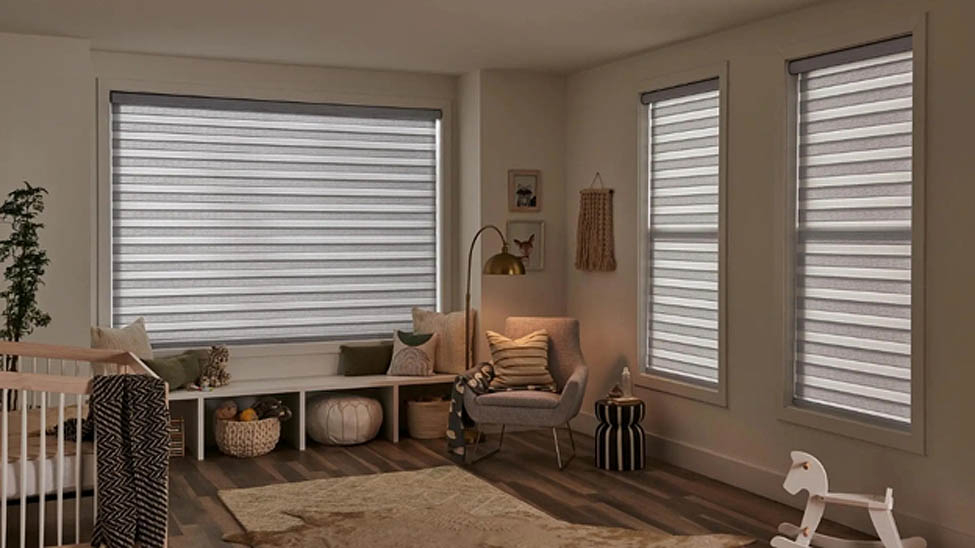
Most window treatments ask you to choose: light or privacy. Open the shade, and you get the view but lose your seclusion. Close it, and the room goes dark. Zebra shades refuse to make that trade. Their design lets you adjust light and privacy independently, in real time, without raising or lowering the shade at all.
If you have been drawn to the graphic, striped look of zebra shades but were not sure how they actually work or where they belong in a home, this guide covers the mechanics, the practical benefits, and the rooms where they perform best.
How Zebra Shades Work
A zebra shade is made from a single piece of fabric that has alternating horizontal bands of sheer and opaque material. This fabric is connected to the top of the shade, extends down to the bottom rail, loops around it, and travels back up to a roller tube at the top. The result is two layers of banded fabric, one in front of the other.
When you raise or lower the shade, the front layer slides past the rear layer. Align the sheer bands with each other, and you get filtered light and a soft view outside. Shift them so the opaque bands overlap the sheer ones, and you get full privacy and stronger light blocking. Every position in between gives you a different ratio of light and coverage, which is what makes zebra shades so uniquely flexible.
Blindster's product review of the Deluxe Zebra Dual Shades includes a video walkthrough that shows this mechanism in action.
Benefits of Zebra Shades
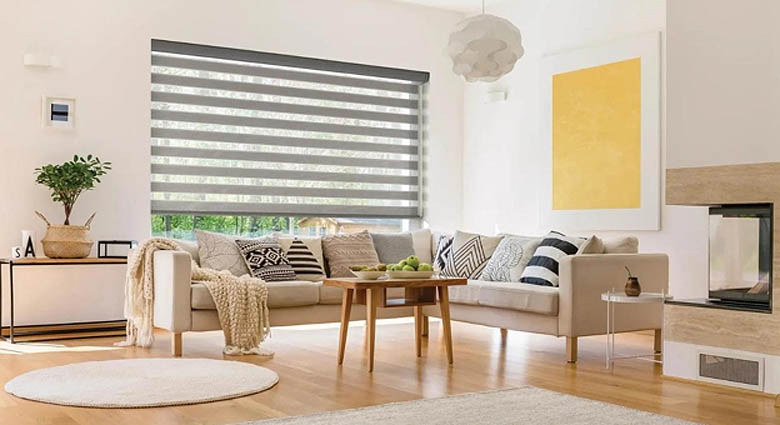
Zebra shades offer a combination of qualities that other shade types typically handle separately. Here are the three benefits that set them apart.
Flexible Light Control Without Raising the Shade
With most shades, adjusting the light means raising or lowering the entire panel. Zebra shades let you change the lighting in a room just by shifting the alignment of the bands. You can move from soft, filtered daylight to complete privacy without changing the shade's height at all. This means the shade stays in place, and the room's appearance stays consistent, even as the light changes throughout the day.
Privacy That Adjusts in Seconds
When the opaque bands overlap the sheer ones, zebra shades block the view from outside while still allowing a diffused glow of light into the room. This makes them especially useful in street-facing rooms or homes where neighbors are close by. You get privacy without the feeling of being closed in. Room-darkening zebra shades block even more light from passing through the shade, creating a dimmer environment perfect for bedrooms or other light-sensitive areas.
A Contemporary Look That Suits Many Styles
The alternating bands create a graphic, striped pattern that reads as modern and intentional. But zebra shades are not limited to minimalist spaces. In neutral tones, they blend comfortably into transitional and traditional rooms as well. The visual rhythm of the bands adds texture and interest to the window without competing with the rest of the design.
Best Rooms for Zebra Shades
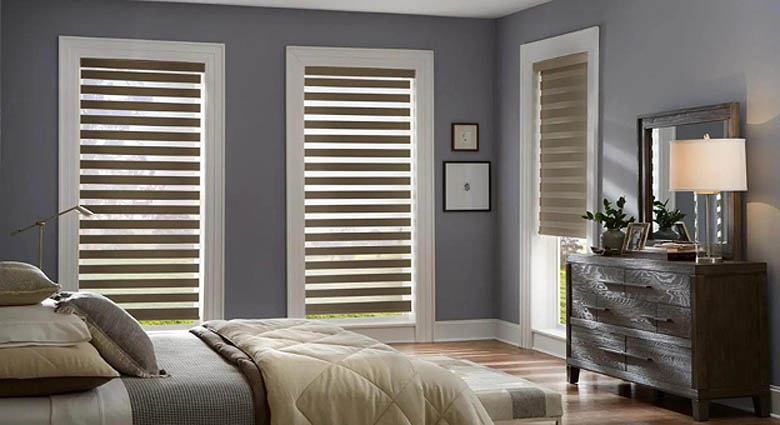
Zebra shades work well in rooms where light conditions change throughout the day and where you want the ability to shift between openness and privacy without replacing or layering window treatments. Here are the rooms where they tend to shine.
Living Rooms and Dining Areas
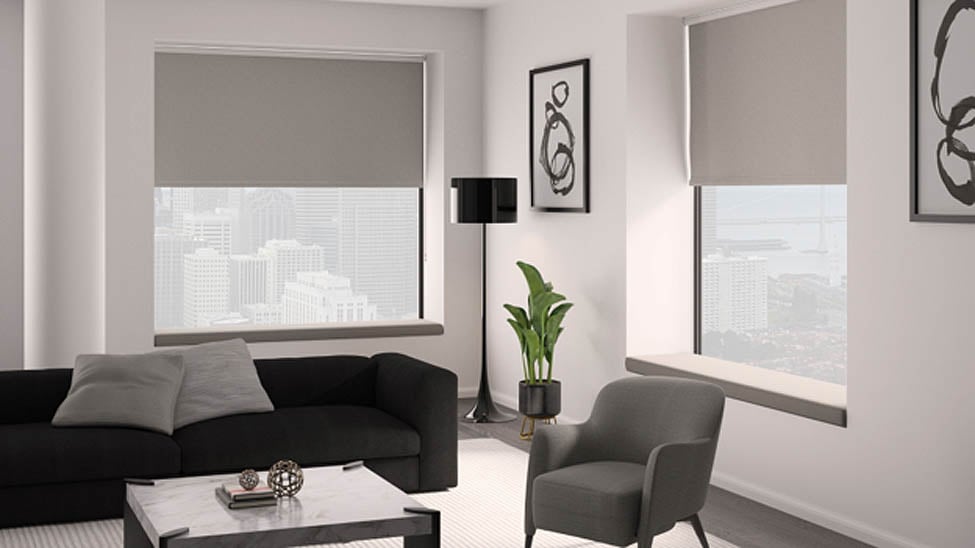
These are the rooms where zebra shades perform at their best. Living rooms need to be bright and welcoming during the day but private in the evening, and zebra shades handle that shift effortlessly. The Deluxe Light Filtering Zebra Sheer Shades soften incoming sunlight beautifully while protecting furniture and flooring from UV exposure.
For an upgraded material and wider fabric selection, the Premium Light Filtering Zebra Dual Shades offer the same flexible light control with premium construction and optional tension-mount, no-drill installation option.
Home Offices
Screen glare is one of the most common frustrations in a home office, and zebra shades address it precisely. With the sheer bands aligned, they diffuse harsh direct sunlight without making the room feel dark, which reduces eye strain and keeps the workspace bright and productive. A quick shift to the opaque position adds privacy during video calls.
Bedrooms
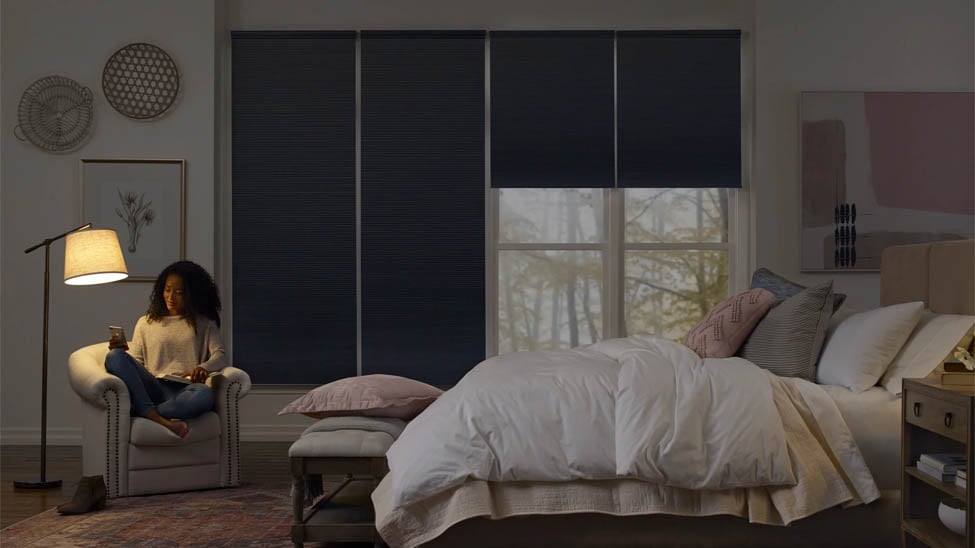
Zebra shades in a bedroom work best when you want daytime flexibility rather than full blackout. The Deluxe Room Darkening Zebra Sheer Shades use opaque bands that block significantly more light than the light-filtering version, creating a darker environment for sleep. It is worth noting that room darkening zebra shades do not achieve full blackout because the layered band design always allows some light between the fabric edges.
For bedrooms where hands-free convenience matters, the Motorized Zebra Sheer Shades raise and lower with a remote control, so you can adjust from bed without getting up.
Choosing Between Light Filtering and Room Darkening
Blindster's zebra shades are available in two opacity levels. Light filtering shades diffuse sunlight into a soft glow while still allowing a view when the sheer bands are aligned. Room darkening shades use opaque bands that block more light and provide stronger privacy when the bands overlap.
For living rooms, dining areas, and home offices, light filtering is usually the better fit because it keeps the room bright and open. For bedrooms and media rooms, room darkening offers a darker result. Blindster's comparison of zebra dual shades vs sheer horizontal shades is a useful reference if you are weighing zebra shades against other transitional shade styles.
The Shade That Does Both
Zebra shades occupy a rare space in the window treatment world. They give you the softness of a sheer shade and the privacy of an opaque one, in a single product, without asking you to choose between them. That flexibility is what makes them so well-suited to rooms where the light and the mood shift throughout the day.
Every Blindster zebra shade is custom-made to your window measurements and backed by the Fit or Free Guarantee. If you want to see how the fabric bands, colors, and textures look in your own space, you can order up to 10 free samples shipped within one business day. A shade that can do two things at once deserves to be chosen with both eyes open.
Frequently Asked Questions
Can you see through zebra shades at night?
When the opaque bands overlap the sheer ones, zebra shades block the view from outside effectively. However, with indoor lights on and the sheer bands aligned, some silhouettes may be visible when close to the window. For full nighttime privacy, keep the bands in the closed position.
Are zebra shades blackout?
No. Even room-darkening zebra shades do not achieve full blackout because the layered band design allows some light at the edges. For rooms that need true blackout performance, a dedicated blackout roller or cellular shade is the better choice.
How do you clean zebra shades?
Light dusting with a feather duster or a vacuum's soft brush attachment on a low setting is usually all that is needed. For spot cleaning, a damp cloth with mild soap works well on most fabrics. Avoid submerging the shade in water.
Do zebra shades come in motorized options?
Yes. Blindster offers motorized zebra shades with a rechargeable battery-powered motor and remote control. Each remote can operate up to six shades, making motorized a practical choice for rooms with multiple windows.
What rooms are best for zebra shades?
Living rooms, dining areas, and home offices benefit most from zebra shades because these spaces need flexible light control throughout the day. Bedrooms work well with room-darkening versions, though full blackout is not achievable with this shade type.
What is the difference between zebra shades and roller shades?
Roller shades use a single layer of fabric that provides one level of opacity. Zebra shades use two layers of banded fabric that let you shift between sheer and opaque settings without raising or lowering the shade, offering more flexibility in a single product.
- Standard vs Reverse Roll Roller Shade: Differences & How to ChooseBlinds, Shades & Shutters
- When to Repair vs Replace Your Window TreatmentsBlinds, Shades & ShuttersCommon Questions
- Common Mistakes When Ordering Blackout Shades (and How to Avoid Them)Blinds, Shades & ShuttersCommon Questions
- Are Vertical Blinds Still in Style?Blinds, Shades & ShuttersDesign & Decor
- Are Plantation Shutters Still in Style in 2026?Blinds, Shades & ShuttersCommon Questions