Woven Wood vs Bamboo Shades: What's the Difference?
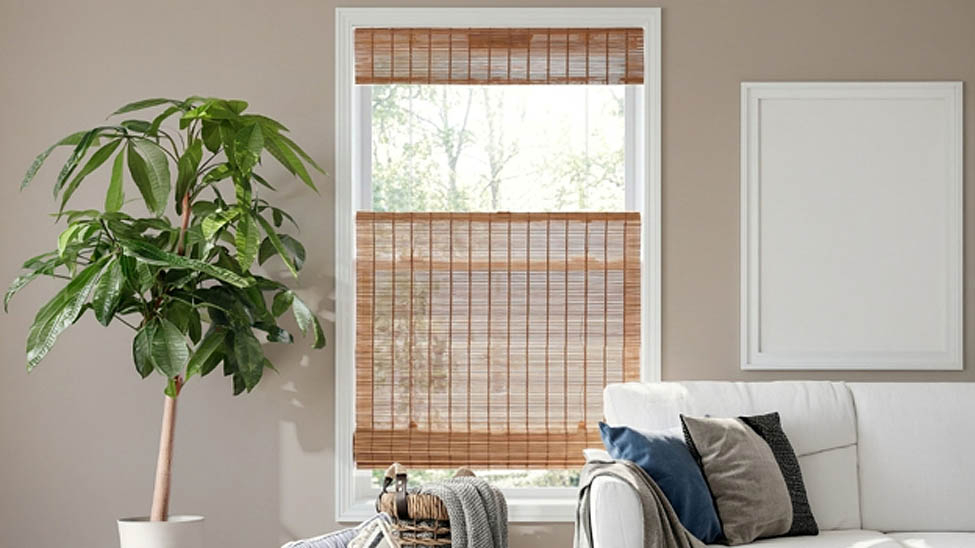
If you have been searching for natural window treatments, you have probably noticed that the terms "woven wood shades" and "bamboo shades" are used almost interchangeably. Some retailers treat them as the same product. Others list them separately. The overlap can make it hard to know whether you are looking at two different categories or two names for the same thing.
The truth sits somewhere in between. Bamboo shades are a type of woven wood shade, not a separate category. Woven wood is the broader family, and bamboo is one of the materials in that family. Understanding how the materials differ within that group helps you choose the texture, weight, and light filtering that best suit your room.
What People Mean When They Say Each Name
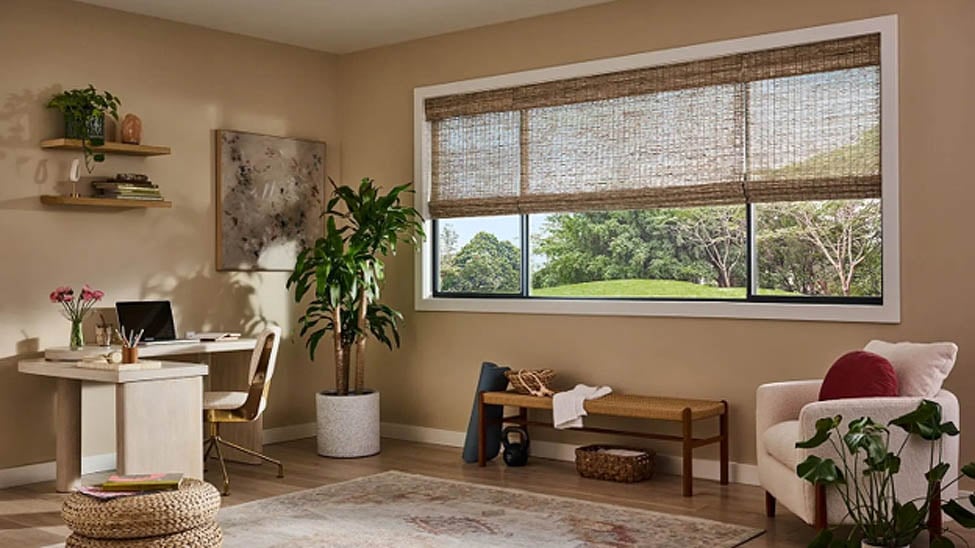
Woven wood shades are a broad term for window treatments made from natural materials like bamboo, jute, reeds, grasses, and wood that are woven together into a shade. The weave creates a rich, organic texture with subtle rows of open space between the natural fibers, which is what gives these shades their distinctive character.
Bamboo shades are a specific style within the woven wood family. They are made primarily from bamboo slats, which are wider and more structured than the fine fibers used in other woven wood styles. When someone says "bamboo shades," they usually mean the version with visible bamboo strips running horizontally across the shade, creating a pattern of thin, linear rows of natural wood. However, these names are often used interchangeably, depending on the context and source.
At Blindster, both names describe products in the same bamboo shades category. The difference is in the specific materials used within each shade, not in the product type itself. Blindster's guide on 5 facts about bamboo shades covers additional details about how these shades are constructed and what makes them unique.
How the Materials Actually Differ
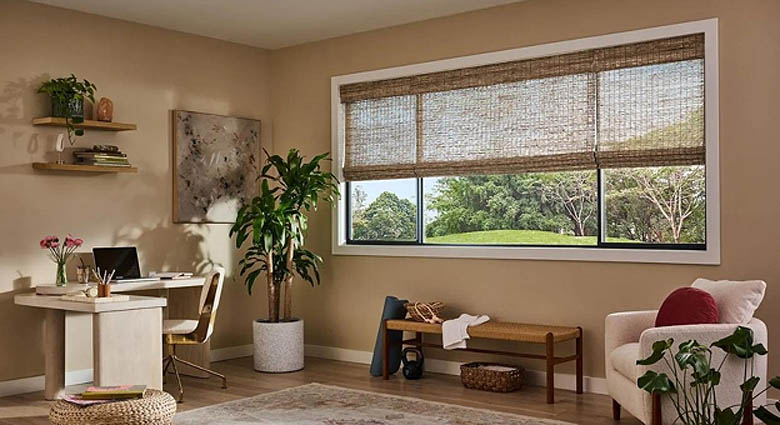
The visual and functional differences between woven wood shades come down to the materials woven into the shade. Each material creates a different texture, weight, and amount of light filtering. Here is how the two most common material groups compare.
Bamboo Slats
Bamboo slats are the widest and most structured material used in woven wood shades, typically ranging from a quarter inch to half an inch in width. The slats create a clean, linear pattern that reads as warm and natural without being overly rustic. Bamboo is also heavier than grasses and reeds, which gives the shade a more substantial feel and helps it hang smoothly.
Because of the slat width, bamboo shades tend to have slightly more visible gaps between rows, which means they let in more light when unlined. This is part of their appeal in rooms where you want filtered daylight with a warm, dappled glow. Blindster's Super Value Cordless Bamboo Woven Wood Shades are a popular starting point for homeowners who want that classic bamboo look with cordless lift and a built-in valance.
Grasses, Reeds, and Jute
Woven wood shades made from finer materials like grasses, reeds, and jute often have a tighter weave and a softer, more textured appearance. The thinner fibers create a fabric-like surface that filters light more gently and provides more privacy without a liner than bamboo slats do.
These materials also weigh less, which makes them well-suited for wider windows where a heavier shade might sag. The Premium Bamboo Woven Wood Shades from Blindster feature a curated collection of bamboo, jute, and other natural fibers with options for edge binding, privacy liners, and multiple lift types, giving you the widest range of customization in the natural shade category.
Light, Privacy, and Liners
One of the most common questions about woven wood and bamboo shades is how much privacy they provide. The answer depends entirely on the tightness of the weave and whether you add a liner.
Unlined shades let light filter through any natural gaps in the weave, which creates a beautiful, warm glow during the day. For living rooms, sunrooms, and dining areas where ambiance matters more than full privacy, unlined woven wood shades are a natural fit.
For bedrooms, nurseries, and rooms where privacy or light control is more important, adding a liner changes the equation. Blindster's Deluxe Bamboo Woven Wood Shades are available with a translucent privacy liner that blocks the view while still allowing soft light, or a room darkening liner for spaces where you want significantly less light. The liner attaches to the back of the shade, so the natural texture remains fully visible from the room side.
Top-down/bottom-up operation adds another layer of flexibility. Blindster's Super Value Cordless Top Down Bottom Up Bamboo Woven Wood Shades let you lower the shade from the top for natural light while keeping the bottom closed for privacy, which is especially useful in street-facing rooms.
Where Each Material Looks Best
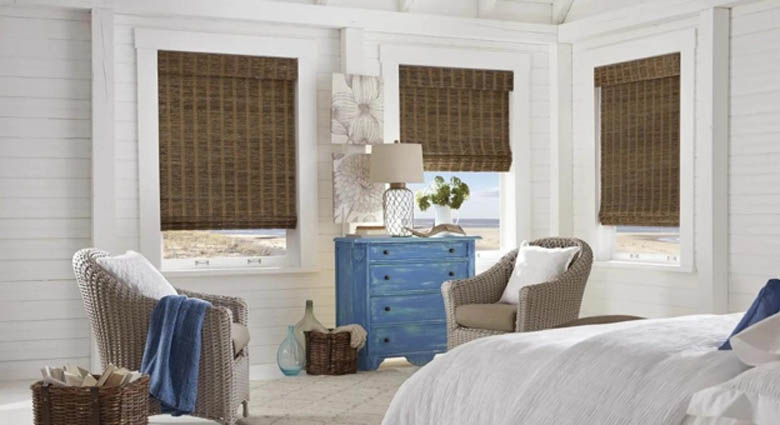
The material you choose shapes the atmosphere of the room as much as the color or the furniture. Bamboo slats bring a clean, structured warmth that suits modern coastal, transitional, and resort-inspired interiors. Their linear pattern pairs well with white walls, linen upholstery, and natural wood furniture.
Grasses, reeds, and jute create a softer, more layered texture that works especially well in bohemian, farmhouse, and organic modern spaces. Their finer weave adds visual depth without competing with other patterns in the room. They also layer beautifully with drapery panels for added dimension and light control.
Both materials work across living rooms, bedrooms, dining areas, home offices, and guest rooms. The main consideration is whether you want the shade to feel structured and architectural (bamboo) or soft and handcrafted (grasses and jute). Either way, the natural materials bring a warmth and character to the window that no synthetic shade can replicate.
The Natural Choice, Made to Measure
Woven wood and bamboo shades bring something to a room that other window treatments simply cannot: the warmth of real, natural materials shaped into a product that controls light, provides privacy, and adds genuine texture to the window. Whether you lean toward the clean lines of bamboo slats or the softer weave of grasses and jute, the result is a shade that feels handmade and intentional.
Every Blindster bamboo and woven wood shade is custom-built to your exact measurements and backed by the Fit or Free Guarantee (If you bought a shade off the shelf and it was too wide for your window, or you're trying to repurpose a shade for elsewhere in the home, our guide on how to cut bamboo blinds that are too wide walks through trimming one down safely).
If you want to see and feel the materials before you decide, you can order up to 10 free samples shipped within one business day. Natural materials look different on a screen than they do in your hand, and the right one deserves to be chosen in your own light.
Frequently Asked Questions
Are woven wood shades and bamboo shades the same thing?
Not exactly. Woven wood shades are the broader category that includes shades made from bamboo, jute, reeds, grasses, and other natural materials. Bamboo shades are one specific style within that family, characterized by wider bamboo slats and a more linear pattern. But the two terms are often used interchangeably.
Do bamboo shades provide privacy?
Unlined bamboo shades filter light but do not fully block the view from outside. Adding a privacy liner blocks visibility while still allowing soft light. A room darkening liner provides even stronger coverage for bedrooms and nurseries.
Are woven wood shades eco-friendly?
Yes. The natural materials used in woven wood shades, including bamboo, grasses, and reeds, grow to harvest much faster than the wood used in traditional wood blinds and require less water to cultivate. They also break down more readily at the end of their lifecycle.
Can I add a blackout liner to bamboo shades?
Blindster offers blackout and room-darkening liners on select bamboo shade products, which prevent any light from passing through the shade. Note that some indirect light may still be visible from around the sides of the shade in the window.
What rooms are best for woven wood shades?
Living rooms, dining areas, sunrooms, bedrooms, and home offices all work well. Avoid high-humidity spaces like bathrooms, as natural materials can warp or discolor when exposed to prolonged moisture.
Do woven wood shades come in cordless?
Yes. All Blindster bamboo and woven wood shades are available with cordless lift at no extra charge. Top-down/bottom-up and motorized options are also available for added flexibility and convenience.
- The Best Dust-Resistant Blinds for Cleaner Homes & Less AllergiesBlinds, Shades & ShuttersHome Advice
- How Classic Value Faux Wood Blinds Compare to Real Wood and Faux Wood OptionsBlinds, Shades & Shutters
- Best Window Treatments for Living Rooms: Style, Light, and Privacy GuideBlinds, Shades & ShuttersDesign & Decor
- What Cell Size Do I Need? Cellular Shade Sizes ExplainedBlinds, Shades & Shutters
- How to Choose the Perfect Bamboo Shades for Your HomeBlinds, Shades & ShuttersHow To