Blind Slat Sizes Explained
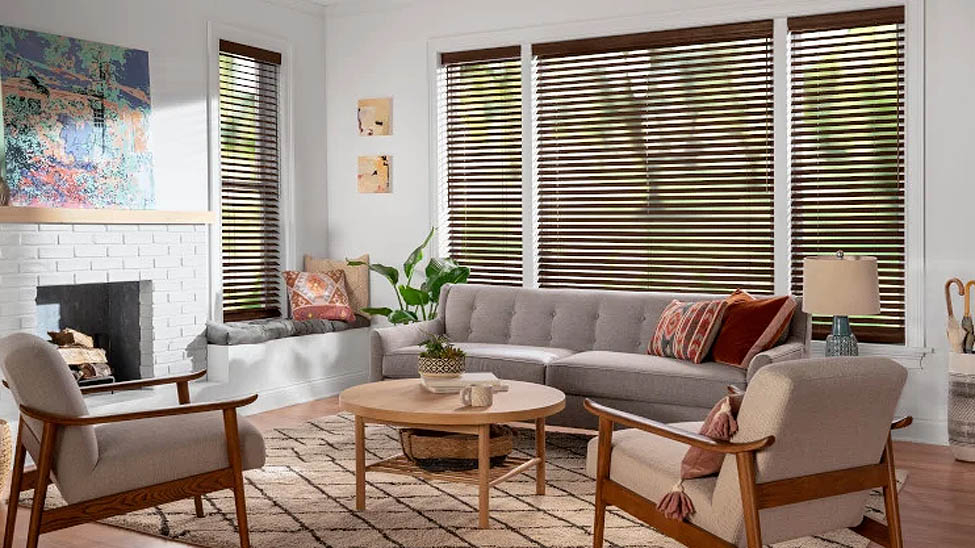
Most people assume blind slat size is a light-control decision, and it does affect light, but that is not what should drive your choice. Slat size is really a question of proportion and mounting depth first. Get the size right for the window, and the light, view, and privacy differences mostly sort themselves out. Here is how the common blind slat sizes compare and how to pick without overthinking it.
What the common slat sizes actually are
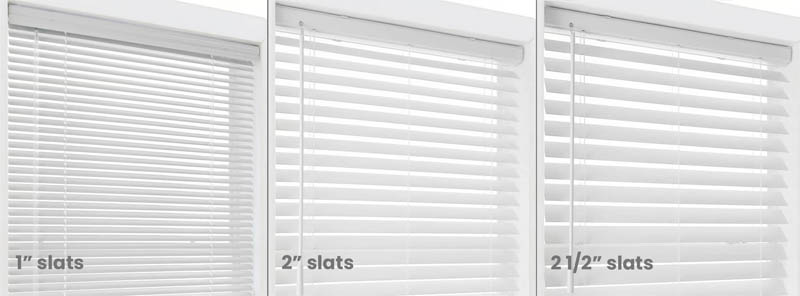
Horizontal blinds come in a handful of standard widths, and verticals sit in a different category built for doors and wide openings.
1 inch: the mini-blind width. More slats, a more detailed and traditional look, and the best fit for small or shallow windows.
2 inch: the versatile standard that looks right on the widest range of windows. If you are unsure, this is the safe default.
2 1/2 inch: the wide, modern option. Fewer slats, a more open view when tilted, and best on larger windows.
Vertical vanes: a different scale entirely, typically around 3 1/2 inches, made for sliding doors and wide windows rather than standard frames.
Start with window scale and mount depth
Before light or privacy, two physical facts decide what fits. The first is proportion: a wide 2 1/2 inch slat can overwhelm a small bathroom window, while a 1 inch mini can look busy and cluttered on a large picture window. The slat should feel proportional to the frame.
The second is mounting depth, which people forget until the blind will not tilt. Wider slats need more room inside the frame to rotate without hitting the glass, so a shallow sill may only take a 1-inch slat for an inside mount, or an outside mount instead. French doors are the clearest case, where slim 1-inch blinds with hold-down brackets are the standard because they fit neatly between the handle and the glass.
How slat size changes light, view, and privacy
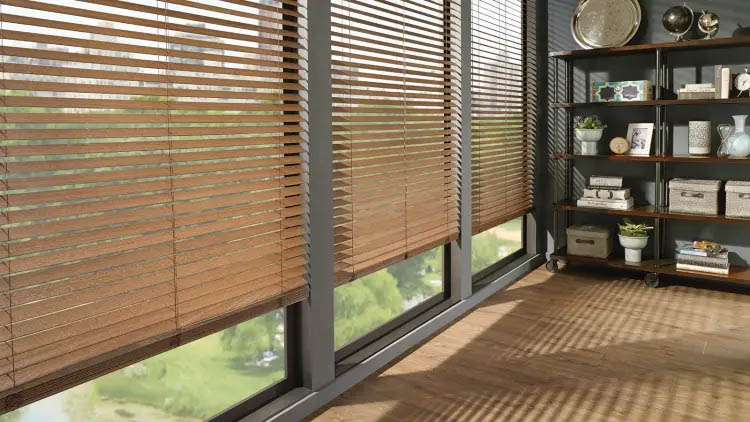
Once the size fits the window, the tradeoffs are easy to predict. Wider slats have fewer seams between them, so they block more light when closed and give a cleaner, less striped view when tilted open. Narrower slats have more seams and more slats overall, which means finer tilt control but a busier look and a bit more light seeping through when shut. Neither is better in the abstract. A bedroom that wants darkness and an open view leans wide, while a small window where you want precise, granular control leans narrow.
Slat size by material
Material narrows the choice, because each one comes in its own typical range. Faux wood blinds are usually offered in 2-inch and 2 1/2 inch slats, with the wider size suiting larger windows and reading more modern. A versatile 2-inch Deluxe Cordless Faux Wood Blind covers most standard windows without looking heavy or delicate. Aluminum comes in 1 inch and 2 inch, and a 2 inch Aluminum Blind gains privacy and light control with fewer slats and better view-through.
For sliding doors and very wide windows, vertical blinds skip slat width altogether in favor of tall vanes, and Faux Wood Vertical Blinds move side to side for easy pass-through. One practical bonus of wider slats is cleaning: fewer slats across the window means fewer surfaces to wipe.
Size the slat to the window, not the other way around
The best blind slat size is the one that suits the window's scale and depth first, then the light and view you want second. Go 1 inch on small, shallow, or French-door windows, 2 inches as the works-almost-anywhere default, and 2 1/2 inches to open up a large window.
Measure the frame depth before you decide, then pick the size that fits it. Browse the full range of custom window blinds and match the slat to the window it has to dress.
FAQs
Which slat size makes windows appear larger?
Wider slats. With fewer horizontal lines breaking up the window, a 2 or 2 1/2 inch slat creates a cleaner, more open look that makes the window and the view feel larger than a busy 1-inch mini does.
Do wider slats provide better outside views?
Yes. Fewer slats mean fewer seams interrupting the view, so when the blind is tilted open, a 2 1/2 inch slat gives a clearer, less striped look outside than a narrow slat.
Which slat size is easiest to clean?
Wider slats. A 2 or 2 1/2 inch blind has fewer individual slats to wipe than a 1-inch mini covering the same window, which makes routine dusting quicker.
Are larger slats better for large windows?
Generally yes. Wider slats keep a big window looking balanced and uncluttered and cover more area with fewer slats. Very large openings and sliding doors often do better with vertical blinds instead.
Does slat size affect light control and privacy?
It does. Wider slats block more light when closed because they have fewer seams, while narrower slats offer finer tilt adjustment and let a little more light seep through when shut.
Do vertical blinds come in different slat sizes?
Vertical blinds use tall vanes rather than horizontal slats, typically around 3 1/2 inches wide, and are sized to the height of the door or window. They are built for sliding doors and wide openings rather than standard frames.
- Smart Blinds: Alexa, Google Home & Smart Home CompatibilityBlinds, Shades & Shutters
- Blind Slat Sizes ExplainedBlinds, Shades & ShuttersCommon Questions
- Best Blinds by Window Direction (North, South, East & West)Blinds, Shades & ShuttersHome Advice
- Black Friday Shopping Guide for Buying Blinds, Shades, and ShuttersBlinds, Shades & ShuttersHow To
- The Best Dust-Resistant Blinds for Cleaner Homes & Less AllergiesBlinds, Shades & ShuttersHome Advice