How to Choose the Right Blackout Shade for Your Bedroom (or Nursery)
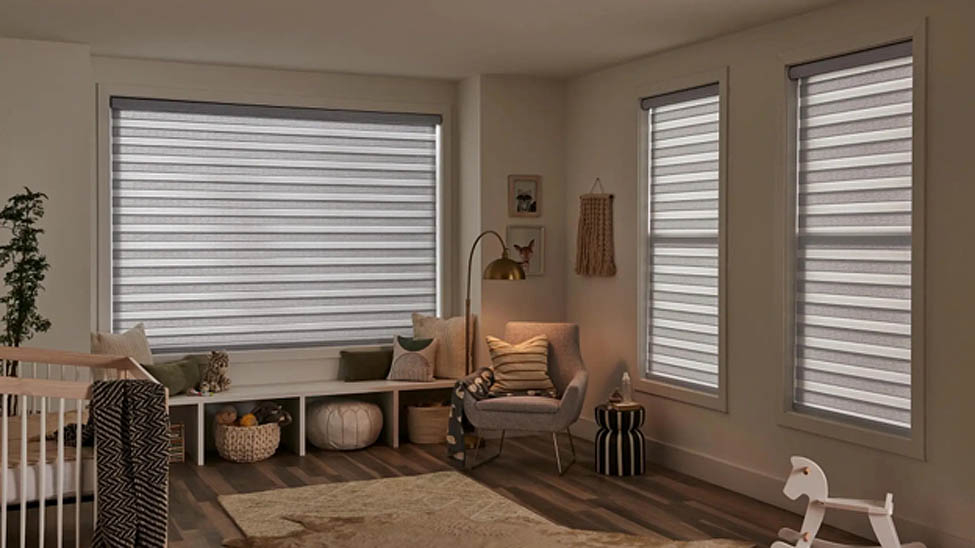
A good night of sleep starts with the right kind of darkness. Streetlights, early sunrises, and the glow from passing cars can all interrupt rest, especially in bedrooms and nurseries where the quality of sleep matters most. The right blackout shade creates a calmer, darker space that helps you and your family sleep more soundly.
But choosing a blackout shade involves more than picking the darkest fabric. The type of shade, the way it mounts to your window, and the features you pair with it all affect how well it performs. Our guide covers the decisions that matter most, so you can choose a blackout shade that works as beautifully as it looks in the room.
What a Blackout Shade Actually Does
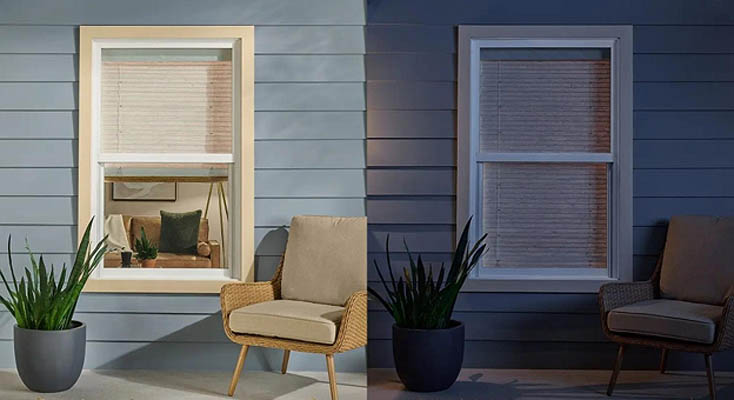
A blackout shade is a window treatment made with opaque fabric designed to block the vast majority of incoming light. Unlike light-filtering shades, which soften and diffuse daylight while still letting some through, blackout shades are built to prevent light from passing through the fabric itself.
It is worth understanding one important detail: even the best blackout shade will allow a small amount of light around its outer edges. The fabric blocks light completely, but the gap between the shade and the window frame means a soft glow can appear along the sides, especially in bright conditions. This is normal for all blackout window treatments, and it does not mean the shade is failing or made incorrectly. For most bedrooms and nurseries, the level of darkness a well-fitted blackout shade provides is more than enough for restful sleep.
For a deeper comparison of light-blocking levels, Blindster's guide on room darkening vs blackout shades explains the differences clearly.
Which Type of Blackout Shade Fits Your Room
Blackout performance is available across several shade styles, and the right one depends on what matters most to you: simplicity, insulation, aesthetics, or all three. Here are the two most popular options.
Blackout Roller Shades
Roller shades are one of the most popular choices for bedrooms because of their clean, minimal profile. A single piece of blackout fabric rolls around a tube at the top of the window, and when lowered, it lies flat against the glass with very few places for light to enter.
Blindster offers blackout roller shades in both fabric and vinyl. The Deluxe Blackout Fabric Roller Shades feature a soft woven texture that looks elegant from inside the room, while the white acrylic backing on the reverse side is what stops light from passing through. For a more budget-friendly option, the Deluxe Blackout Vinyl Roller Shades use a durable 4-ply vinyl that is easy to clean and well-suited for high-humidity rooms.
Both are available with cordless lift, motorized lift, and a cassette valance option that conceals the roller tube for a more finished look.
Blackout Cellular Shades
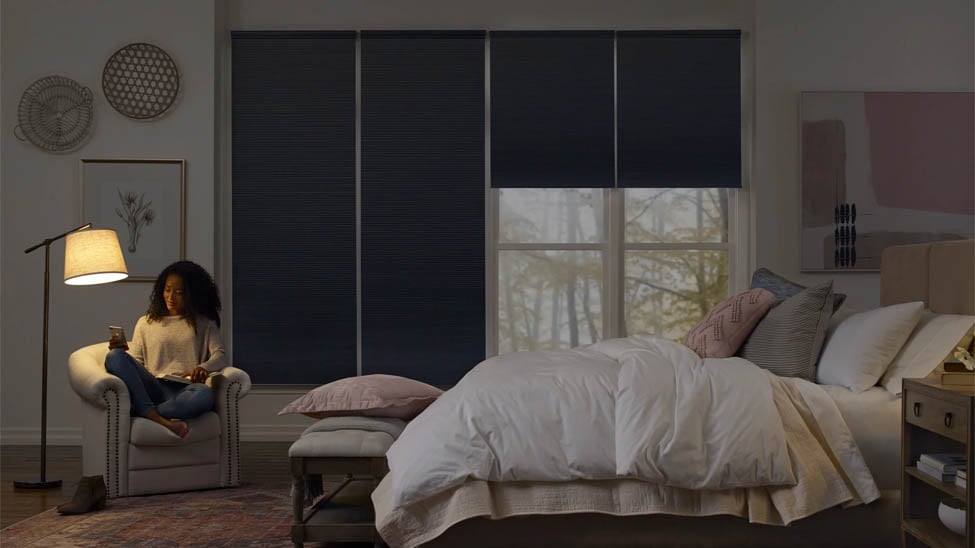
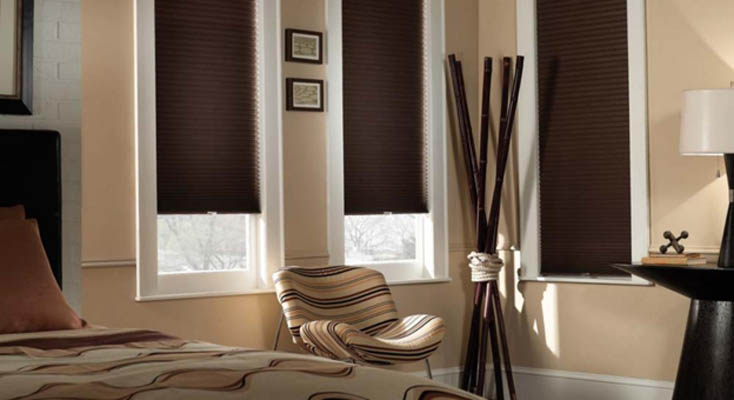
Cellular shades bring an added benefit that roller shades do not: insulation. Their honeycomb-shaped cells trap air between your window and your room, creating a thermal barrier that helps regulate temperature year-round. When made with blackout fabric, they block light through the shade while also reducing heat gain in summer and heat loss in winter.
Blindster's Deluxe Blackout Double Cellular Shades use two layers of honeycomb cells for the highest insulation value, making them ideal for bedrooms where both darkness and comfort matter. For a simpler single-cell option, the Cordless Blackout Single Cellular Shades offer strong light blocking with a made-in-one-day production timeline.
What to Consider for a Nursery
Nurseries have a few additional priorities beyond light control. Safety is the most important. All new window treatments sold in the United States must now comply with updated cord safety regulations that eliminate free-hanging cords. Every product on Blindster.com meets these standards, and a cordless lift is included at no extra charge on most shades.
For nurseries, cordless blackout cellular shades are a particularly strong choice. They block light for daytime naps, insulate the room for consistent temperature, and operate without any cords or chains. Motorized lift is also available for parents who want to raise and lower the shade quietly from across the room.
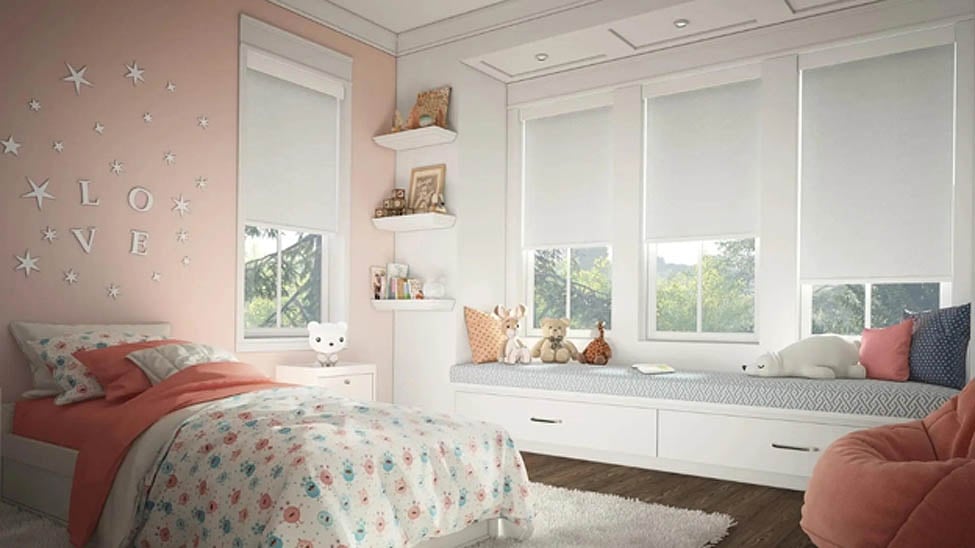
Color choice matters in a nursery, too. You do not need a dark-colored shade for strong blackout performance. The front of the shade can be any color since the blackout element of the shade material is built into the fabric. That way, you can choose a shade color that complements your decor. Lighter shades often create a softer, calmer atmosphere without compromising the blackout performance. Most blackout shades are also white or a neutral color on the street-facing side of the shade.
Inside Mount or Outside Mount for Blackout
How you mount your blackout shade affects how much light gets around its edges, so it is worth thinking about this decision early.
An inside mount fits the shade within the window frame for a clean, recessed look. It works well in most bedrooms and nurseries, but the small gap between the shade and the frame means some light will be visible along the sides during bright conditions.
An outside mount attaches above and beyond the window frame, allowing the shade to cover more of the surrounding wall. This reduces edge light significantly. Adding a few inches of overlap on each side can make a noticeable difference, but it's not an absolute fix as indirect light can still be visible around the edges of the shade.
Blindster's guide on inside vs outside mount walks through how to decide which option works best for your windows. You can also layer your blackout shade with drapery panels for an additional barrier against edge light, which creates a beautiful layered look while improving performance.
Where Darkness Meets Design
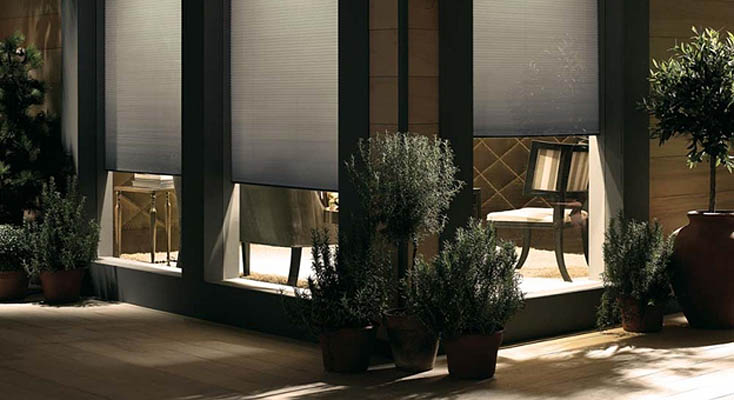
The right blackout shade does more than darken a room. It shapes the way a bedroom feels when you walk in at night and the way a nursery settles into quiet during a daytime nap. The fabric, the profile, and the way the shade sits in the window all contribute to a space that feels intentional and restful rather than simply covered.
Every Blindster blackout shade is custom-made to your exact window measurements and backed by the Fit or Free Guarantee. If you want to see how the fabric looks and feels in your own room before committing, you can order up to 10 free samples shipped within one business day. Sleep is personal, and the shade that protects it deserves the same care.
Frequently Asked Questions
Do blackout shades block all light completely?
Blackout fabric prevents light from passing through the shade itself, but a small amount of light can appear around the edges where the shade meets the window frame. This is normal for all blackout window treatments. An outside mount with a few inches of overlap on each side reduces this effect significantly.
What is the difference between blackout and room darkening shades?
Blackout shades use fully opaque fabric that blocks virtually all light through the material. Room darkening shades block the majority of light but still allow a slight amount to filter through. For bedrooms and nurseries where darkness is important for sleep, blackout is the stronger choice.
Are blackout shades safe for nurseries?
Yes. All Blindster shades comply with current cord safety regulations and most include cordless lift at no extra charge. Motorized options are also available for completely hands-free operation, making them one of the safest window treatment choices for a nursery.
Should I choose roller shades or cellular shades for blackout?
Both perform well for blackout. Roller shades offer a sleek, minimal look and are easy to clean, but have a wider gap between the edge of the fabric and the edge of the window casing when installed inside the window. Cellular shades add insulation and sound absorption on top of light control. If temperature regulation matters as much as darkness, cellular shades are the better fit.
Does the color of a blackout shade affect how well it blocks light?
The color of the room-facing fabric does not significantly affect blackout performance. The light blocking comes from the opaque backing or the density of the material itself, not the color. Lighter shades work just as well as darker ones for blocking light.
Can I add blackout shades to windows that already have curtains?
Yes. Layering a blackout shade behind existing drapery panels is one of the most effective ways to reduce edge light while adding visual depth and softness to the window. The shade handles the light blocking while the drapery adds texture and design.
- Best Blinds For Windows That Get Direct Sunlight: UV Protection And Glare ControlBlinds, Shades & Shutters
- Standard vs Reverse Roll Roller Shade: Differences & How to ChooseBlinds, Shades & Shutters
- When to Repair vs Replace Your Window TreatmentsBlinds, Shades & ShuttersCommon Questions
- Common Mistakes When Ordering Blackout Shades (and How to Avoid Them)Blinds, Shades & ShuttersCommon Questions
- Are Vertical Blinds Still in Style?Blinds, Shades & ShuttersDesign & Decor