Best Blinds and Shades for RVs and Campers: A Complete Guide
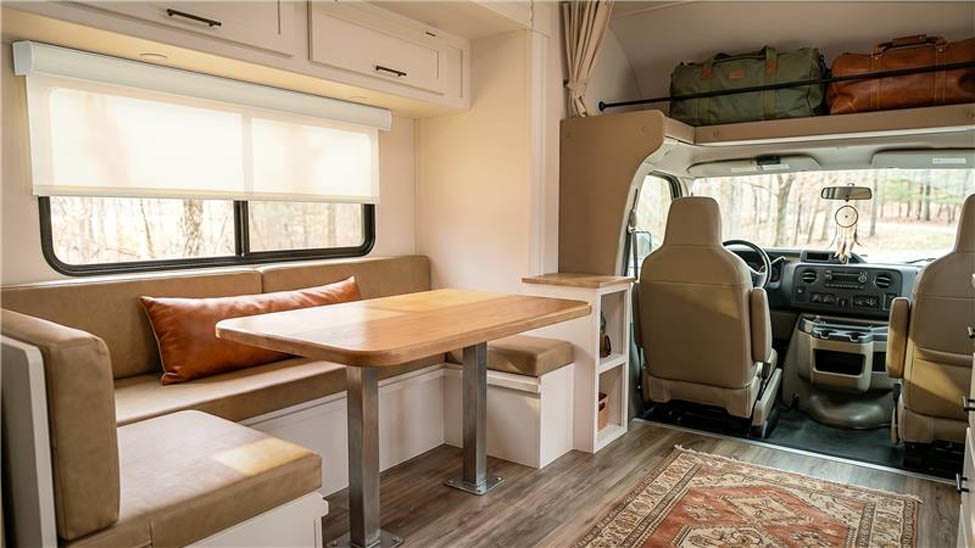
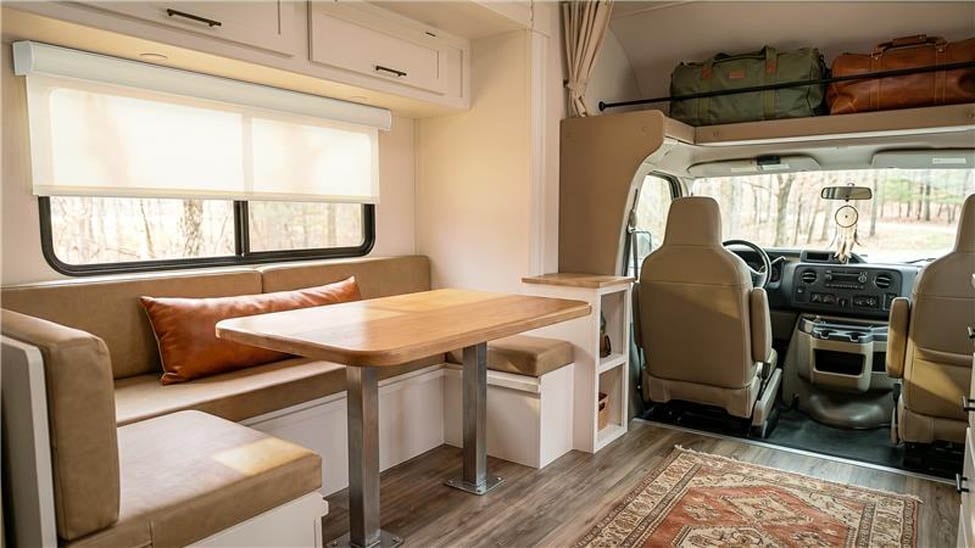
An RV is more than a vehicle. It is a home that moves, and the windows inside it deserve the same care and intention you would give to any room you live in. The right blinds and shades for an RV control light on bright mornings at the campsite, provide privacy when you are parked close to neighbors, and help regulate temperature in a space that heats up and cools down faster than a traditional home.
The challenge is that most RV windows are non-standard sizes, and factory-installed blinds are often built to the lowest cost specification. They wear out quickly, rattle during travel, and offer limited light control. Replacing them with custom-sized shades built from quality materials changes the feel of your RV entirely, turning a functional space into one that actually feels like yours.
Why RV Windows Need a Different Approach
RV windows are different from residential windows in ways that matter when choosing blinds and shades. The frames are shallower, the sizes are rarely standard, and the environment involves vibration, temperature swings, and humidity that residential products are not always designed to handle.
Custom sizing is the most important factor. Off-the-shelf blinds rarely match RV window dimensions, which means gaps, uneven coverage, and a look that never quite feels finished. Custom-made shades built to your exact measurements eliminate that problem entirely. Every shade on Blindster.com is made to order in the size you specify, which makes it a natural fit for the non-standard openings found in campers, travel trailers, and motorhomes.
Cordless operation is equally important. Dangling cords swing with vehicle motion, create noise, and pose a safety risk in the confined space of an RV. Nearly all Blindster shades include a cordless lift at no extra charge, which keeps the interior clean and quiet during travel.
Best Shade Types for Life on the Road
Not every window treatment works equally well in an RV. The best options are lightweight, compact when raised, easy to clean, and built from materials that tolerate heat, humidity, and daily use. Here are the four types that perform best.
Cellular Shades for Insulation and Quiet
Cellular shades are one of the strongest choices for RV use because they solve two problems at once. Their honeycomb-shaped cells trap air between the window and the interior, creating a thermal barrier that helps keep the space cooler in summer and warmer on cold nights. That insulation is especially valuable in an RV, where large glass areas and thin walls make temperature regulation a constant challenge.
Cellular shades are also lightweight, stack compactly when raised, and operate silently. For sleeping areas and living spaces in larger motorhomes and travel trailers, they bring a level of comfort that factory blinds simply do not provide.
Roller Shades for a Clean, Low-Profile Fit
Roller shades are the most streamlined option for RV windows. A single piece of fabric rolls up into a compact tube at the top of the window, leaving no bulk and no visual clutter. When lowered, the fabric lies flat against the glass for light control and privacy.
Their slim profile makes them especially well-suited for shallow RV window frames where deeper headrails may not fit. Light filtering fabrics work well for daytime privacy without blocking the view, while blackout fabrics are ideal for sleeping areas where morning sun arrives early at the campsite.
Pleated Shades for Lightweight Coverage
Pleated shades are a popular choice in RVs because they are among the lightest and most compact window treatments available. Their crisp, folded fabric stacks neatly below the headrail when raised, taking up very little space. When lowered, the pleats filter light softly and provide daytime privacy.
Pleated shades are also one of the most affordable custom shade options, which makes them a practical choice when you are covering many windows at once. Blindster's comparison of cellular shades vs pleated shades explains how the two differ in insulation and structure if you are deciding between them.
Solar Shades for UV Protection and Views
Solar shades are a type of roller shade woven to reduce glare and block UV rays while still letting you see outside. For RV owners who park in scenic locations and want to enjoy the view without squinting or worrying about sun damage to upholstery, solar shades offer an ideal balance.
The openness factor of the fabric determines how much light passes through. A lower percentage blocks more sun and offers more privacy, while a higher percentage keeps the view clearer and the interior brighter.
Measuring RV Windows for Custom Shades
Measuring RV windows follows the same basic process as measuring residential windows, but with a few extra considerations. RV frames are not always perfectly square, so measuring at multiple points is especially important.
If you're able to do an inside mount, measure the width at the top, middle, and bottom of the frame and use the narrowest number. Measure the height at three points and use the shortest. Blindster's guide on how to measure windows for shades walks through the process step by step. Before ordering, check the depth of your window frame. RV frames are typically shallower than residential ones, so confirming that the headrail will fit inside the frame is worth doing before you commit.
If the frame is too shallow for an inside mount, an outside mount that attaches to the wall above the window is a reliable and more common alternative for installing blinds and shades in RVs. Just measure the width and height you want to cover, and the shade will be made to your ordered size.
If your measurements are off, the Fit or Free Guarantee covers you. Blindster will remake the shade to the correct size at no charge, which takes the risk out of measuring non-standard windows.
Where the Road Meets Home
The best blinds and shades for RVs are the ones that make your space feel intentional rather than temporary. Custom sizing, cordless operation, and materials that handle life on the road turn a set of window coverings from something functional into something that genuinely improves the way your RV looks and feels.
Whether you start with cellular shades for insulation, roller shades for a clean profile, or pleated shades across every window, Blindster builds each one to your exact measurements. If you want to compare fabrics, colors, and textures before ordering, you can request up to 10 free samples shipped within one business day. The view outside your RV changes with every mile, and the view inside deserves the same kind of thought.
Frequently Asked Questions
Can you use regular blinds in an RV?
You can, but regular blinds are designed for deeper residential window frames and may not fit shallow RV frames properly. Custom-sized shades built to your exact RV window dimensions provide a better fit and a more finished appearance.
What is the best type of shade for RV insulation?
Cellular shades offer the best insulation because their honeycomb cells trap air between the window and the interior. This helps regulate temperature in an RV, where large glass areas and thin walls make heating and cooling less efficient.
Are cordless shades important for an RV?
Yes. Cordless shades eliminate dangling cords that can swing with vehicle motion, create noise, and pose a safety risk in a small space. Most Blindster shades include a cordless lift at no additional charge.
How do I measure non-standard RV windows?
Measure width at three points (top, middle, bottom) and use the narrowest. Measure height at three points and use the shortest. Also, check the depth of the frame to confirm the headrail will fit inside it for an inside mount. For outside mount shades, measure the width and height of the area you want to cover, making sure there are no obstructions in the covered area.
What is the lightest shade option for an RV?
Pleated shades are among the lightest custom shade options available. They stack compactly when raised and add minimal weight, making them a practical choice for RVs where every pound counts.
Can I get blackout shades for my RV?
Yes. Both cellular shades and roller shades are available in blackout fabrics that block light through the material. These are especially useful for sleeping areas where early morning light at the campsite can disrupt rest.
- Are Plantation Shutters Still in Style in 2026?Blinds, Shades & ShuttersCommon Questions
- How to Choose the Right Blackout Shade for Your Bedroom (or Nursery)Blinds, Shades & ShuttersHow To
- How Much Do Custom Blinds Cost? Complete Pricing GuideBlinds, Shades & ShuttersCommon Questions
- Best Outdoor Patio Shades for Sun, Privacy, and All-Weather UseBlinds, Shades & Shutters
- Best Blinds and Shades for RVs and Campers: A Complete GuideBlinds, Shades & Shutters